Normal view

There are new articles available, click to refresh the page.
Yesterday — 26 June 2026Main stream

Primed for Malware: Stop Selling Compromised Android Devices

Time and time again, researchers have found numerous compromised Android devices for sale at large online retailers like Amazon. When these devices get individually reported, we have seen some noted efforts to take them down. But this is a systemic problem and Amazon and other major online retailers must make a corresponding systemic and intentional effort to stop these devices from entering people’s homes and ultimately their networks.

As a refresher: Last year, Google wrote that one major campaign, deemed BADBOX, affected 10 million uncertified devices that were running Android’s open-source software (Android Open Source Project or AOSP). These devices span from TVs and streaming devices to digital picture frames. Even now, someone can go on Amazon and Walmart and buy one of these devices. Not all of them come from Amazon and Walmart, but it’s fair to assume since they have the lion’s share of the market.

Most well-known Android-based devices don’t come with just “stock Android.” The operating system is usually Android plus additional features that the manufacturer wanted. These custom versions of Android often come with pre-installed applications that range from useful to innocuous bloatware to actual malware. Many Android OEMs (original equipment manufacturers) pre-install apps that may not be visibly represented by an icon in your list of installed apps. This obscurity makes the issue particularly hard for users to identify any potential threats.

Since the initial BADBOX analysis, there have been more reports of large campaigns and clusters of different devices participating in malicious activities that utilize people’s home networks to engage in illegal activity. Task forces in the private sector have made an effort to take down these existing Command and Control structures, but these actors may pivot and evolve to flood the market with more devices. 

Online retailers can stop this cycle. A multi-billion dollar company like Amazon should offer more resources, like their anti-fraud efforts, given that these products may have facilitated conditions for large scale attacks and illegal activity. It would also be helpful if they communicated malware-related take downs in a more visible way to consumers who are seeking very similar devices with shared characteristics.

Identifying these devices can be tricky, but it’s not impossible because they tend to follow a pattern. For example, the FBI warned consumers this year to avoid TV streaming devices that claim to provide free sports, tv shows, and movies, a common tactic used by the makers of these malware-filled Android devices that leverages people’s exhaustion from spending money on countless streaming services. We detailed what sorts of indicators to look for on a device you’ve purchased.

But it’s not just the storefronts. There are other parts of this ecosystem that need to improve too, like increased engagement in firmware transparency and the actual manufacturers of the devices themselves being held accountable for these malware laced products.

On Prime Day, we urge retailers like Amazon to better empower users with information they need to make safe and smart decisions.

Before yesterdayMain stream

#222 – Destiny Kanno, Anand Upadhyay, Maciej Pilarski on How WordPress Education Programs Are Growing

24 June 2026 at 14:00
Transcript

[00:00:19] Nathan Wrigley: Welcome to the Jukebox Podcast from WP Tavern. My name is Nathan Wrigley.

Jukebox is a podcast which is dedicated to all things WordPress. The people, the events, the plugins, the blocks, the themes, and in this case, how WordPress education programs are growing.

If you’d like to subscribe to the podcast, you can do that by searching for WP Tavern in your podcast player of choice, or by going to wptavern.com/feed/podcast, and you can copy that URL into most podcast players.

If you have a topic that you’d like us to feature on the podcast, I’m keen to hear from you and hopefully get you, or your idea, featured on the show. Head to wptavern.com/contact/jukebox, and use the form there.

So on the podcast today, we are joined by three WordPress Education Initiative leaders, Destiny Kanno, Anand Upadhyay and Maciej Pilarski.

Together, they have spent years at the heart of WordPress training and outreach, working in roles spanning community education management, plugin development, and credit program administration. Their efforts have helped shape student engagement and university partnerships across the globe, introducing thousands of learners to WordPress.

The conversation focused on the current landscape of WordPress education with particular attention to three key initiatives, the WordPress Credits Program, Campus Connect, and Student Clubs.

Each initiative is designed to provide unique entry points for students of all ages and education levels. From high schoolers building their first site in a library to university students earning official credits for open source contributions.

We discussed the different approaches these programmes take. WP Credits ties student work directly to academic credit and mentorship. Campus Connect provides flexible, community driven, events in diverse locations and Student Clubs foster sustainable, peer led, learning within schools and other institutions. We explore how these models feed into each other, building a sustainable ecosystem for ongoing growth in the WordPress community.

We also get into the importance of repeat campus partnerships, the need for scalable facilitator training, and the role of recognition, certificates, badges, and public showcases in keeping students motivated and validated in their journey.

If you’re curious about the growing movement to bring WordPress knowledge to the next generation, or are looking to get involved with education in your local community, this episode is for you.

If you’re interested in finding out more, you can find all of the links in the show notes by heading to wptavern.com/podcast, where you’ll find all the other episodes as well.

And so without further delay, I bring you Destiny Kanno, Anand Upadhyay and Maciej Pilarski.

I am joined on the podcast by Destiny Kanno, by Anand Upadhyay and Maciej Pilarski. Hello, one and all. Nice to have you with us.

[00:03:29] Destiny Kanno: Hello. Thank you.

[00:03:30] Anand Upadhyay: Hello.

[00:03:31] Maciej Pilarski: Hello.

[00:03:32] Nathan Wrigley: So a few months ago, back in, I think it was September 2025, I was joined by two of the three participants on the call today. I was joined by Destiny and I was joined by Anand. We were also joined at that point by Isotta, but she’s not on the call today. We’ve obviously got a wonderful replacement, Maciej who’s going to do a fabulous job explaining the bits and pieces here.

But the intention of that episode, which you can find on the WP Tavern website, it’s episode number 183, was to find out about all of the overlapping education initiatives in the WordPress space. And it was born, I think, largely out of a sense of curiosity on my part, but also a somewhat sense of confusion, because there were lots of things which were going on. Some of them seemed to be slightly overlapping. There was a conflict of names in some cases. So that episode was laying out the groundworks of what has been happening in the WordPress space.

When that conversation finished and we’d click the stop record button, I said, that was absolutely fascinating. This seems to be moving at such a rate, wouldn’t it be good to revisit this whole subject in about six months time?

Well, we missed that target, but here we are, maybe eight months later. I think my intuition at that point was correct, because being a close observer of what’s going on in the WordPress community, I think it’s fair to say that the educational space has been somewhat turbocharged during the last eight months.

And so today’s episode, with the help of the three people I’ve just mentioned, is to describe what’s going on, what’s changed, maybe some things that have been mothballed, but certainly a lot of things that are new and interesting and have gained a lot of momentum.

But I think, dear listener, the intention of this episode is to get you involved. Is to get to the end of this episode and for your curiosity to have been turned into action. To have gotten you out of your chair, written an email, turned up to an event, helped organise a thing.

So please have that in the back of your mind. If you’re sitting listening to this in a car, at your desktop, there is actual action that could be taken at the end of this. I think the intention of all four of us on this panel would be dearly for that to happen.

Okay, let’s establish the credentials of the people that we’re going to be talking to today. So we’ll just do a little potted bio of you one at a time. So we’ll begin with Destiny, if you could just tell us a little bit about you, your relationship with education in the WordPress space, I suppose would be apropos.

[00:06:01] Destiny Kanno: Yeah, absolutely. So again, Destiny Kanno. I’m currently working as an education program manager sponsored by Automattic. And I work directly with the Make WordPress Community Team. And I also work adjacently with the training team as well, because education training materials, they go pretty hand in hand. And I’ve been doing this now for about four years and, yeah, it’s just evolved since my original time working on Learn WordPress, and that relaunch that happened, to now, yeah, these wonderful programs that are spreading like wildfire as you said.

[00:06:37] Nathan Wrigley: Fantastic. Thank you so much. Okay, we’ll move over to Anand for the same sort of introductory moment.

[00:06:43] Anand Upadhyay: Yes. So my name is Anand Upadhyay, and I run the WordPress plugin development company, WPVibes. Apart from that, I’m very much involved in the WordPress community and I contribute in multiple ways. It can be documentation, it can be Core, Polyglots. But I’m also keenly involved in the community part, and specifically I can say with the education initiatives, I started with WP Campus Connect in WordPress Campus Connect in 2024. And since then, after that we started joining hands with Destiny and we started evolving this program in a much bigger shape. So that’s it.

[00:07:16] Nathan Wrigley: Okay. Thank you so much. And last, but by no means least, Maciej.

[00:07:20] Maciej Pilarski: Yeah. Thanks for having me. My name is Maciej Pilarski. So I’ve been doing anything related to WordPress pretty much since 2007, so that’s been a while. But the biggest breakthrough for me was 2014 when I actually volunteered to WordCamp Europe in Sovia, Bulgaria. That opened my eyes to the whole community, everything that is happening around WordPress.

And since then, pretty much I’ve been working for multiple companies from the WordPress ecosystem. I joined Automattic in 2016. For many years I’ve been a Happiness Engineer, and since October last year, I’ve joined Isotta as one of the admins of the WordPress Credit program. And since that time, I will have been helping her out to grow that initiative.

And Destiny mentioned, it spreads like fire because at that time we had six universities onboarded, now we are at 21. The 21st, we got it after WordCamp Asia actually through a connection made there. And it’s our first institution from Africa, from Uganda. A huge shout out to Stephen Dumba, who I connected with during the event. And after that, pretty much a week after we signed our first partnership from Africa. So we’re actively growing and getting new institutions on board.

[00:08:42] Nathan Wrigley: Thank you so much. Gosh, there was an awful lot in there, wasn’t there? That was really interesting. We’ll try and unpack quite a lot of that.

Firstly, a sort of slightly personal message from me. I don’t usually reveal much about myself on this podcast. I take the position that I’m a, kind of like an interested party, but don’t really give much of my own thoughts. However, this is different because I cannot think of a more interesting, meaningful, moral, let’s go with that word as well, use of time than educating people. It simply is the most profoundly useful thing to do with your life.

Now, obviously people will have different opinions about that, but the juxtaposition of free open source software, in this case WordPress, and education is a real sweet spot for me. I just think that is such an amazing thing to be involved in, to have going on in the background.

If you think about it, an open source project, like how many open source projects have this level of stuff going on in the education space, this real international footprint. Things going on which we’ll find out about in a minute. It’s really fascinating.

And I am sure that the listenership to this podcast, the vast majority of people listening will never have encountered much of this before. Maybe they’ve seen stuff on Learn because they want to technically learn about WordPress in an online capacity, but we’re going to be delving into real world events affecting real adults, real youngsters.

And so anyway, that’s my little bit at the beginning, just how curious it is that the project is so big that we’ve got this international footprint of education. And so I suppose what we should do right at the beginning is lay out the different initiatives and just name them, and try to figure out how they differ from each other. Just so that we’ve got some kind of awareness.

So I don’t know which one of you wants to take that, but if maybe you take one each or something, I don’t know. If we just want to lay out the, just erect that tent basically so that we know what the initiatives are called, and how they differ from one another. So I’ll open that up. Whoever wants to step in.

[00:10:48] Maciej Pilarski: I can start with the Credits Program. So the Credits Program is based, it’s a contribution based program, internship, initiative by the WordPress Foundation that connects higher education students with the global open source community. So basically it’s an opportunity for the students as part of the educational curriculum to contribute to the WordPress community.

There are two types of courses that the students can do. One of them is 50 hours, the second one is 150 hours. Usually the students do that during a full academic semester. And as part of that, students are first onboarded into the WordPress ecosystem and the wider open source ecosystem where they learn not only about WordPress, but open source as a whole, and how crucial it is for the internet.

Then the second phase is picking the contribution area to which they would like to contribute. All the contributions areas basically are the ones that are listed at make.wordpress.org. So any team that is listed there, students can pick from that area. During that phase, they work on a particular area that they have selected.

And finally, during phase three, they wrap up the whole achievements, the contribution, what they did, they publish a final post. And what is also very important as part of the credit scores, students have also assigned a mentor from the WordPress community that guides them through the whole process. We don’t leave them alone. We connect them with actual mentors from the WordPress community that are vetted by us, that guide them through the whole journey into the contribution and the whole WordPress ecosystem.

So it works on multiple levels. For me, this connection is also special because it builds this bridge between the previous generation of WordPress contributors to the new one where they are introduced and can start working on any fields of contribution.

What is also important is that this is not limited to technical universities. Pretty much any type of university can participate in the program. The first university that we started with was University of Pisa, and it was the humanity studies. So the students from humanity field were the first group who started the Credits Program. There’s room for pretty much anyone from any field.

[00:13:18] Nathan Wrigley: Okay. There’s a lot there. Wow. I’ve just been taking notes and I’ve almost filled an entire A4 page. So WP Credits, the WordPress Credits Program, I guess the name sort of gives it away. The idea here is that you trade time for university or higher education credit. So credit being, I suppose if you were to atomise your three year degree, you might do, I don’t know, 12 modules or something like that. The idea is that one of those modules, perhaps it’s more, becomes something in the WordPress, but also curiously the free open source software space as well. I didn’t actually know that.

The idea is that you link up with real world institutions. So the first one was Pisa, and maybe we can get into which other ones have come along. And in exchange for 50 hours or 150 hours, you will be given that credit, which can then go to the overall awarding of a degree or whatever it is that you are hoping to get.

You’re then linked up with team members, WordPress community team members who will mentor you and shepherd you through this process. And the idea is that it culminates, I think you said in a final post, which I suppose in a sense is a bit like a dissertation or something like that, you sum up all the different bits and pieces. Yeah.

[00:14:29] Maciej Pilarski: Once that happens, the students also receives an official certificate from the WordPress Foundation, signed by Matt himself, that certifies that they completed the course. And what is also important to know, the whole progress through the course and what they did during the course, it’s also stored on the wordpress.org profile. So any contributions that they did, for example, photos that they’ve uploaded, this all will be visible on the wordpress.org profile. And they also receive a special badge dedicated to students who graduated from that program.

So it really gets them started into the WordPress ecosystem, and at the same time creates something like a small portfolio for any future company that would like to, for example, hire them. Because they have a proven history of contributing to the ecosystem.

[00:15:20] Nathan Wrigley: Okay, so that’s an interesting quid pro quo, isn’t it? So the idea is you do all this work, which on the face of it, I suppose looks very philanthropic, you know, you’re giving up your time, but you get a real thing at the back end of it. You get a certificate. You can then presumably apply for jobs and indicate, okay, I’ve done this, I’ve contributed in this meaningful way.

What I think is really interesting there, and it kind of gets lost, I’ve worked in education in the past and I know the red tape that’s involved in doing anything in the education space. There is so much red tape. And I can only imagine what’s happened in the background to enable these kind of things. You know, the back and forth, the tennis of emails that go on and on and the proof that’s required to categorically show that this thing that we are doing is worth something. You know, it’s not just this Mickey Mouse. We use that expression, Mickey Mouse kind of qualification that really, it doesn’t actually require any hard work. It’s just there, nothing really in it, but you get an accreditation anyway.

I can only imagine the hard work that has gone in every single time you touch a new institution, trying to convince them that this is legitimate, that this is real. You’ve just kind of glossed over all of that by just describing what is in existence, not necessarily what has gone on to make it happen. I know that there’s probably more than the three of you involved in this, but my profound thanks for all of that hard work, which presumably is utterly and completely invisible. And I can only imagine what’s going on there. So yeah, thank you for all of that.

[00:16:54] Maciej Pilarski: Thank you for that.

[00:16:54] Nathan Wrigley: So that was WP Credits. So that was one wing of the things that we’re going to discuss today. Should we move on to another one and maybe somebody else wants to take the helm?

[00:17:03] Anand Upadhyay: I think Destiny can take Campus Connect and then I will take Student Clubs.

[00:17:06] Nathan Wrigley: Okay. Destiny, let’s move over to you and see what you can tell us about something different.

[00:17:11] Destiny Kanno: Yeah, so I’d love to tell you more about WordPress Campus Connect. And the way we ended with WordPress Credits, I think is also very critical to the story of Campus Connect because, you know, it started with Campus Connect first, and that’s how organisers such as Anand and Pooja like were able to get those connections with the universities through being boots on the ground, you know, having those relationships. Proving through action that these activities that we’re doing with the students are having real impact and are showing real results.

Slowly building up these kind of case studies in a way has helped open a lot of doors, especially with Campus Connect now, we’ve done a lot of events, especially since we last talked. Like I think this year alone, we’ve already had 22 Campus Connect events. So, like it’s not even half the year and it’s quickly becoming one of the biggest run events, WordPress official series.

But these events are like a way of opening the door, right? Hey, here’s a free learning opportunity for your students. And as you said, like the red tape is there. A lot of institutions are like, wait, so what’s in it for you? Why is, there’s a little bit of dubiousness sometimes in the reaction, right? You’re going to give your time to educate our students, why? But once they see, it’s like, no, we really are just passionate about spreading WordPress, showing students what’s capable with their website, how it applies to different skillsets as well. Like it’s not just for coders, it is for marketers, it is for designers.

You know, there’s so many career opportunities that once we just get the foot in the door and we’re able to showcase that, a lot of institutions are like, okay, now I get it. I do want to highlight in Anand’s case, like they’re going to have their third WordPress Campus Connect in Ajmer this year. You’ve got repeat institutions. I’ve heard you also have institutions that are like, when are you going to come to our place and teach WordPress? You know, once the fire is lit and people see how bright and shiny it is, like people want to get involved.

But as you said, like getting it to click for people, that is like the most difficult part. And I’ll give an example of, right now in Japan, we had our first WordPress Campus Connect event on the 9th of May. So I’m like, woo hoo. Like it finally happened. But we have this community in Japan that is like very passionate, very active. So when I first was like introducing the concept of Campus Connect, people were like, okay, but like how do we do this? What’s it about? It takes like a lot of presentations, a lot of going to people in person and talking. Helping them even shape the conversation that they’re going to have with the institution to sell this amazing gift of WordPress on their campus.

And after this one on the ninth, like now we have a case study in Japan that others can now use to be a starting point for those conversations going forward. So I think, once you have that one step, the gate just slowly opens until it’s just, the doors bang open in each way. But yeah, we’ve seen really great success with Campus Connect and it’s just like honestly, it just keeps growing.

[00:20:30] Nathan Wrigley: Can I just ask a quick question? So I just want to draw a very clear line for everybody that’s listening to this, what the difference may be between Campus Connect and WP Credits. Because from the description that we’ve had so far, it may be that you’ve fallen into the trap of thinking, well, they sound like they might be the same thing. So could you just, Destiny, just tease out where Campus Connect differs? Maybe in the nature of the event, the timing of the event, the availability, the age group, those kind of things that separate WP Credits from the Campus Connect initiative.

[00:21:02] Destiny Kanno: Yeah. Thank you, that’s like a really great distinction to make. So whereas WordPress Credits is geared toward higher education, Campus Connect is geared toward, honestly any level of students as long as they’re able to browse the web safely, and enjoy and participate.

So that means, Elementary school students now are pretty good at devices. High school students, college students, vocational students. We honestly kept the door pretty open in terms of what a campus means. We’ve even had a Campus Connect event in Uganda in a library, the Lira Public Library because students were able to go there right?

We were trying to make it as barrier free for students wherever their campus is. And so that’s, I think, the main difference. It’s more wide ranging in terms of who can participate as a student. And then also the fact that it could be a one-off event, so a one day event. A lot nowadays are multiple day events, they’ll maybe go two times out of a month, or a couple days consecutively. And then after that it’s up to really the organisers in the institution whether or not we have another addition on their campus the same year, or the next year.

[00:22:15] Nathan Wrigley: I’m going to tease out a few things. I just want to point out to, me as an English person, that is to say, not an English speaker, but somebody from England, campus has a really defined definition, and it’s usually bound to a university. Whereas it sounds like the description here, campus literally means the place where education happens, not it’s 18 years old and older, you know, people doing degrees, bachelors and PhDs and that kind of thing. Basically, if there’s an institution somewhere, that’s what the campus is in this case. Okay.

So the WP Credits program sounds like you forge your relationship with the university, and correct me if I’m wrong, it sounds like it takes place inside that institution, and it’s part of that program and what have you.

The Campus Connect initiative is much more ad hoc. It could be a one-off, it could be monthly, it could be inside a library, it could be inside the school, it could be an inside an institution. It feels a bit more like, I don’t know, a WordPress Meetup, but geared towards a younger audience or something like that.

And the minimum age requirement is really driven by your capacity to type on a keyboard and hold a mouse and those kind of things. And that’s kind of curious to me because I think my educational experience was always younger children. It’s really interesting how patterns are laid down at a very, very early age. Patterns that go on into much later life get laid down, typically at incredibly young ages. So this is fascinating for digging into that.

And it’s not just about, say, the code, it sounds like code is on the menu, but it could be about marketing, it could be about design. Basically the gamut of anything online, CMSy, those kind of things. Okay, is there anything you want to add? Did I misunderstand anything there, or misstate anything there?

[00:24:02] Destiny Kanno: No, I think you’re completely right. We’re trying to convey that WordPress isn’t just a blogging software that I think is still a lot of people have a mentality of. Like there are many ways to utilise it that goes beyond that.

And one thing I did want to add are a couple numbers. So since WordPress Campus Connect became official in May of 2025, an official WordPress event series, I should say, we’ve had 42 completed events, with 71 participating institutions, and over 5,500 students have been reached.

[00:24:37] Nathan Wrigley: That’s something else. 42 events, 71 institutions, and I think you said five and a half thousand individuals. Good grief. I don’t know what the measure of success is for this, but that feels like success to me.

I mean, imagine turning up to a WordCamp, like a flagship WordCamp and five and a half thousand people descending on you. You’d feel slightly overwhelmed. That’s a lot, isn’t it? Gosh, that’s pretty remarkable. Wow. Congratulations.

[00:25:05] Destiny Kanno: And the majority, the outcome, the students make a website. So we could almost count those students as also new WordPress websites that are live now on the web. So within a year, organisers around the world have been able to make that happen.

[00:25:19] Nathan Wrigley: Could I just perhaps draw another distinction as well, just very quickly, because it sounds like the WordPress Credit system, because it’s binding itself to institutions, it sounds like there might be more paperwork going on there, and maybe more high level meetings that need to take place. Whereas Campus Connect feels much more community driven. It’s the kind of thing that, quite literally, anybody listening to this podcast with a fair wind could have one of those going in a handful of months. If they’ve got the right initiative and they can find the audience for that.

Again, is that about right? There’s sort of more opportunity to become involved with the Campus Connect initiatives. You don’t need to have that academic background or have a point of contact at a university. You basically just need a building, some interest and a bunch of students.

[00:26:02] Destiny Kanno: Yeah, the key thing is, you know, having a real connection to the campus that you’re going to present at. But you’re exactly right. We tried really hard to lower the barrier to organise these events. Because I don’t know if you’ve organised a WordPress event before, there’s kind of a lot of hoops you have to jump through. And we’re like, okay, how can we think about this in a different way?

And I think that also has positive repercussions for how we organise other events too, that are, changes are being thought about too so that we can enable people and empower them to put these events, instead of bogging them down and process and a little bit of bureaucracy to say.

[00:26:38] Nathan Wrigley: So what’s really curious about that as well is we’re all in different parts of the world, aren’t we? People on the call today are in Japan and I’m in Europe and, Anand, are you in India? I think.

[00:26:47] Anand Upadhyay: Yeah.

[00:26:47] Nathan Wrigley: Yeah. Each of those events, I guess would look quite different. The kind of nature of the attendees, the nature of the kind of building it might be in, the institution. And it really is, you just grab what’s around you I suppose, and work with that. If you’ve got a connection to an institution, you can go for it. Maciej, I feel like I crosstalked you. I think you wanted to say quite a few times and I’ve just interrupted. I’m very sorry.

[00:27:08] Maciej Pilarski: No worries about that. So I wanted to add that those initiatives set backgrounds for each other. Because in some uni institutions, the interest sparks with a Campus Connect event, and that gets the institution interested in those initiatives, which sets background for WordCamp Credit.

And it happens also the other way around, where we start with an institution that starts credits and then we get the students interested in WordPress in general, the community, which leads to a Campus Connect event during the Credits Program. What is important is that those initiatives don’t compete with each other. They support each other.

[00:27:51] Nathan Wrigley: Right, so there’s a lovely virtuous cycle there, isn’t there? Where the two things can be going on in harmony, one promoting the other and they’re definitely not in competition. Okay. That’s really interesting.

One final question on Campus Connect, and I’ll direct this at Destiny, just because she’s been handling that. With the WP Credits thing, there is this moment where you hold the certificate in your hand and you go, yay, did it.

Is the same thing true of Campus Connect or is it more of a show up to the one event, you know that you did that, that was great, you can file that away in your own head as a thing? Or is there some sort of accreditation, or certificate giving, or badge giving, or profile updating that might go on on wordpress.org? Is there any sort of thing that the attendees receive, and I suppose that the people that are organising might receive as well?

[00:28:37] Destiny Kanno: Yes. So we do have a certificate of participation that students can receive signed by WordPress Foundation Executive Director, Mary Hubbard. And that just needs to be requested by the organisers ahead of time, because we need to get the signature and all that. So yes, they can come away with that. And we’ve heard really positive things about that, like it motivates them. They’re like, yeah, I did something, which they did.

[00:29:01] Nathan Wrigley: There we go. That was WP Credits and WP Campus Connect.

Can I just say at this point, dear listener, if at this point you’re thinking hang on a minute, there’s a lot going on here, don’t worry, there’ll be show notes. If you go to the WP Tavern website, there’ll be show notes. I’ll try to list out as many sensible links to get you to the root of each one of these initiatives, so that you can begin your journey and fan out from there.

I’m not sure what episode number this will be, but if you just go and search for, oh, I don’t know, Destiny or Anand or Maciej, you could probably find the episode that way. And all the show notes will contain all of the links.

Right, in which case, I think it might be Anand’s turn. What have you decided to take on Anand?

[00:29:39] Anand Upadhyay: So I will be sharing my thoughts on the third part of this whole education initiative ecosystem. So that is a Student Club. Just a few minutes before you were giving the analogue of meetup with this Campus Connect. So I would like to share the same analogue with us because we are more accustomed with like other terms of WordCamps and Meetups and contributer days.

WordPress Campus Connect is kind of like a WordCamp happening in the campus, because it’s like a big day event that holds everything happening, different kind of sessions, maybe workshops happening. So I would compare it with that thing.

And same way, credits thing, Credit Program is kind of like ongoing contribution series because more focused on the contribution part because the student devote 150 hours of their program. A lot of period goes to the contribution.

And now the same way we, if we talk about the Student club, it’s similar to like the Meetups that we have. But these are the in campus meetups for the students and by the students. How do things get started? Like the Campus Connect introduce the WordPress to those campuses and to those students, but since most of the campus, it’s a once in a year event. So once this event has sparked something about the WordPress in the students. So keeping that momentum going on, that’s where the Student Clubs come in.

So with the Student Club, it’s kind of like, as I mentioned, it’s like an in campus meet program. So a student can gather themselves, they can form a club and a couple of students can be nominated as club organisers, student club organiser from their campus. And then they organise the in-campus events, maybe like once in a month or twice a month, depending on academic calendar. There are a lot of hurdles in doing those things continuously.

But they usually do once or twice a month. They do a kind of a meetup in their campus. The students gathered together. They learn from variable resources available from WordPress. And from those resources, they share with the other students. It’s kind of a group learning, group study, that we use. Education live, we always do that. It’s kind of a group study. They’re learning from themselves. If someone has learned something, they are helping others to learn those things.

So I would just like to give some of the examples from my city. There are multiple Student Clubs are going on. When we went to the campus, we just taught like a small group of students about the WordPress, because we’d have some limitations of the resources, of the setting arrangement. We cannot call all the students of the campus and, okay, come together and I have a amazing workshop. So we have given the WordPress walk through to the limited number of students.

After that, they form a Student Club in their campus because they got very much interested. Then the first session they did was like, they started teaching to their juniors, like the students who have just entered the campus. They took a session for them. So they told, whatever we have told them, they have taught the same thing to the juniors.

After that, in the next few session, they experimented different things. Like in some session they’re just doing a fun quiz around WordPress. And in some sessions they are doing a kind of like a, I would say like a hackathon kind of thing. So they are just picking up a website. Or you can, just similar to the speed build challenge that Jamie do. So they have just one website open on the screen and everybody’s like cloning that website.

So there are different ways students are engaging through those student clubs. So it is helping to keep the momentum going on so that the student keep learning about WordPress and they are also connecting with the community members for the guidance about how they can learn more. What should they learn next if they are sharing their experience. Like we have covered these things and, what should we go next?

And in the recent WordCamp Asia, they’re also one of the Student Club lead from my city. She joined the event and there are conversation with the, like other community members who has offered them like, okay, we can come to your campus, or we can do, have a webinar for your campus where we can teach you particular subjects, particular topics. Maybe they can talk about SEO, maybe they can talk about plugin development.

So this is also opening the horizon for them, to learn from people across the world. So that is how the Student Clubs are happening. The examples I’ve gave, again, from my own city because I’m closely mentoring them, but there’s similar things are happening across the world.

So it is helping to create a kind of sustainable environment for the long-term sustainable environment in the campus. So the next time when we go to that campus, we are not going to teach like the basics of WordPress, because we want like, the ecosystem should be built within the campus, so every student know about the WordPress. Because last time when we went to the campus, we have to tell everything about WordPress because why you should learn WordPress.

So the Student Clubs, my ambition is that, wherever the Student Club is from, next time a Campus Connect event is happening, next time we should not tell them about what is WordPress and why they should learn this thing. There should be already a sustainable ecosystem.

And I feel that all these three programs are like very much interconnected. And the real impact of these programs, we will be able to see in the next two or three years. And there will be a regular ongoing activities around WordPress in the campus.

And these are also kind of a balance program as well. Like the Campus Connect is introducing WordPress to the students, Credits Program is motivating them more towards like the contribution part. And I would say that Student Clubs is more inclined towards getting new users to the WordPress. Because if we keep on focusing on the contribution, contribution, but if we discard the like increasing the number of new users, so we are not going to win. We need a balanced state.

The Student Club is trying to, learning how to build website, how to mastering the skills of the WordPress. And later on, many of them are going to join the contribution part as well.

So this whole ecosystem is built around bringing more people to the contribution, bringing more people to use WordPress, build websites, as in, for the individuals as a business as well. So that’s how all these three programrs are very much interconnected, and growing together fast.

[00:35:16] Nathan Wrigley: It feels like, of the three things that we’ve talked about, so WP Credits, Campus Connect, the Student Club, this final one that you’ve just covered, it feels like that’s got a very flat hierarchy to it. In other words, there’s like this peer learning. So it feels like more or less anybody can show up and demonstrate anything, which might then lead to somebody else thinking, okay, that was interesting, I’ll take on next month’s one because I’ve now seen that’s doable. Less hierarchy, if you know what I mean? So a much more flat structure.

[00:35:45] Anand Upadhyay: Because when we started Campus Connect, we also get a lot of attraction in the local community as well. And people join our Meetup groups. But then it becomes difficult for us, how to plan about the topics for our meetup. We have some experienced professionals coming in. We have some students coming in, and we plan the topics that suits the professionals. The student will feel like, okay, what’s they’re talking, we are not getting anything in our mind. If we bring the topics, very basic topics and the professionals who are joining the community meetups, they’ll feel like, okay, these are very basic stuff, why am I coming here?

Student Clubs giving them their own platform, giving them a own opportunity. Okay, these are all the familiar faces. It is also giving the opportunity to come on the stage, come onto the stage and get out of your fear as well. It is also generating leadership qualities in them. Okay, we have to keep this momentum going on and we have to keep the activities going on. So there are a lot of ways, apart from learning WordPress, there are a lot of other ways it is helping the students as well.

[00:36:40] Nathan Wrigley: When you have to stand up in front of a bunch of people and deliver something, obviously there’s a whole bunch of us that are just really confident at doing that, quite happy to stand up and do that kind of thing off the bat. But equally, there’s people for whom that is just the most terrifying experience possible. You know, standing up in front of two or three people, oh boy, you know, anything above that is just off the books.

And I was just wondering about that, whether or not there’s, in this particular style of event, the Student Club, whether there is a growing corpus of, I don’t know, previously done topics or topic suggestions or slide decks or anything like that, which might enable people to feel that level of confidence? I don’t know if that’s something which is being put together. Just resources which enable somebody who doesn’t have the confidence, let’s go with that word, who then may gain that confidence. And I’m going to pass this to Destiny because she’s waving her hand.

[00:37:30] Destiny Kanno: I was really hoping I could shamelessly plug this project. This is like, you’ve said the most opportune thing. So I’m actually developing right now what I’m like tentatively calling the Meetup Activity Library. It comes with like kits on certain topics. So for example, WordPress Playground was the first one I built. But it comes with the facilitation guide, which is a doc. So the facilitator can read through, understand the steps they’re going to go through in the activity, how to pace it. And then a presentation deck which they would display, if that’s available to them, to the folks that they’re presenting to. And it’s a hands-on activity only. So it’s not only presentation. The facilitator of course guides and talks them through things, but then people are getting hands-on experience with that topic along the way.

[00:38:16] Nathan Wrigley: That is a beautiful remover of barriers, because I think just having that little document, that little crutch, you don’t have to feel that you, okay, I’ve got to come up with a topic. Not only have I got to come up with a topic, but then I’ve got to research the topic, deliver the topic. If you can have it all on a thing that you can crib from, I don’t know, it just arms you with that confidence as you walk in. I think that’s such a brilliant topic. And, Maciej.

[00:38:40] Maciej Pilarski: Both Destiny and Anand mentioned two keywords, sustainability and facilitator. The goal of also getting all those educational initiatives going is also create in a sustainable way. We’re not pushing for numbers, but growing them in a smart way where we don’t get too many students so we get overwhelmed. We need to have enough mentors to accommodate those students, and also enough facilitators to be able to scale the program, to grow it in the future.

And it’s exactly what Destiny is now doing, the Facilitator Training Program, which gets more people from the educational sectors, community organisers, everyone on board, to jump on those educational initiatives and help us to grow. Because the number of every, all those students involved in participating in those programs is increasing and we need to be able to accommodate them. And through the Facilitator Training Program, this allows us to do that.

[00:39:42] Nathan Wrigley: It’s so interesting in open source software spaces as opposed to corporate spaces. I suppose the metric of success for anything like this in the corporate universe would be how many people showed up and gave us money in exchange for this knowledge or, you know, something akin to that. Basically a metric of humans in a room and money gained. And of course, the measurement of this is so not that.

I did wonder, Destiny obviously very proudly rattled off the statistics for Campus Connect, you know, the five and a half thousand attendees and all of that. I wondered if there were success criteria of some kind in the background, which guide you. You know, it’s not like, okay, well we didn’t meet that we’re going to abandon it all. But more, things like you would like to see happen, so aspirational goals. It sounds from what Maciej was saying that maybe the attendance growing slowly over time is some kind of measure of success. Maybe there is none of that, but I’ll just open that one up to see if you want to take that.

[00:40:38] Destiny Kanno: I think one definite measure of success is repeat events on certain campuses. So if the campus is saying, we love that, please come back, or please come again soon. I think that is a really great indicator that, not only did the students get something great out of it, but the school believes in it. And that’s what we want to do. We want to create these systems that, not only bring people into WordPress, but also continue this cycle of, you know, growth within the community, but also ownership by the institution.

Another measurement of success is the institution is like, okay, great, how do we learn how to do that ourselves? So we have some folks now working in the institution that are organising WordPress Campus Connect events that are helping facilitate these Student Clubs. So the faculty and educators themselves, they’re directly getting involved. And that for us as community members too, whose volunteer time is quite limited, as Maciej was saying, like it is a great multiplier that makes everything much more sustainable.

[00:41:45] Maciej Pilarski: So from the WordPress Credits perspective, we don’t hope all the students to turn into contributors. That would be amazing but that might not happen. I can share with you some numbers. So currently we have 450 students globally enrolled. For the whole program so far, 75 graduates.

We hope that some or as many as possible of those graduates who completed the program will stay and become active contributors to the WordPress community, stay engaged.

That’s one of the goals we are aiming for the Credits Program, to not just get this done, but this is building the next generation of contributors. We know that like we are ageing, we’re getting older every year. We are not getting younger, unfortunately. Getting those students staying in the community allows us to build those next generations of WordPress contributors that will also have completely different perspectives to how the community functions, how it was built.

What brought us here might not move us forward. So these new students will bring us this new, fresh perspective of how they would like the community to function and move it to the future, to be current, to stay up to date with what’s happening globally.

[00:43:00] Anand Upadhyay: That’s why it’s very difficult to like measure the impact in numbers because how it is impacting in the longer term. But yeah, it’s going to impact. And I would say also, like Destiny mentioned, one of the metrics is like this campus is willing to have the Campus Connect again and again in the campus.

So I just want to share one more. Like I just recently got a call from one of the faculty coordinators from one of the campus where we have a Student Club. And now they have like two months of vacations. And he called me like, okay, now the vacations are going on, students will not be here, so what can we do for the students to keep their involvement with the WordPress in those two months? So can we do something online? Can we do something like this?

When we get these calls, these kind of communications, that these are interactions that we have, this gives us a sense of like accomplishment. Okay, yeah, we were able to create some kind of interest in the students. Because we cannot expect that if we are going to like any campus and 100 or 200 students are participating in our Campus Connect, they are all going to jump into the WordPress. They are getting a lot of different kind of opportunities as well.

There are other technologies as well, which are, some students are going into that, some students are going into that. But we are showcasing the WordPress as one of the career opportunities. And they have a choice of multiple options, so they will choose what they do. But yeah, the impact will be seen in the next few years. Just like Maciej said, mentioned that he went to the WordCamp as a volunteer and it’s bring him into the community.

And the same is with me. I attended the WordCamp and just after coming out of the WordCamp, I started the Meetup group in my city. So I got inspired from that. So that is a result of that WordCamp. And that cannot be measured in the numbers. That can only be sensed when we are doing this kind of conversation. Okay, that WordCamp helped me, that WordCamp helped me.

The same way in future, these students who will join the community or the WordPress industry, they will be talking about, okay, I got first introduced about WordPress through a WordPress Campus Connect event or I got introduced to the contribution through WP Credits Program. So when these conversation will be happening in the future, then we will say that those are the real metrics that we are looking for.

[00:45:00] Nathan Wrigley: That’s really interesting, and I like that. It sounds like there’s not so much a focus on statistics, you know, literal, brutal numbers, more kind of playing it forwards and measuring the impact over many years, not, you know, a handful of months into the future.

[00:45:15] Destiny Kanno: So yes, we’re not like, okay, here’s our KPIs, you know, and here’s our hard metrics. But one thing I really noticed that our community is, it could be better at doing, is just talking about what happened. Because then you hear all these success stories and there are numbers in that. So like for example, Ajmer again, Women’s Day event this year. 50% of tickets sold were to students. And that’s directly because of the involvement in going to these campuses and teaching WordPress. And I’m like, that’s amazing, that’s direct injection of 50% youth into the WordPress community.

[00:45:52] Anand Upadhyay: And they sold out so fast.

[00:45:53] Destiny Kanno: And they sold out really fast, yeah.

[00:45:55] Anand Upadhyay: The organisers were hoping like, now we have to pitch out to sale our tickets. And they have planned a social media campaign around that. Okay, we will be periodically pitch a student on the social media to encourage the ticket purchase. And within one day, we sold out. And the whole social media campaign was like their whole planning was gone. We don’t have tickets.

[00:46:14] Nathan Wrigley: It’s really interesting that there’s all this success going on, and yet, as Destiny said, it is hard to get that discovered. Maybe it’s a case of shouting louder about the previous success. Maybe things like this podcast will help in some small way for things like that.

But I know what you mean. There’s a lot of people talking about the code, and there’s a lot of people talking about the plugins and the themes and whether or not we’re going to get collaborative editing in version 7 or 7.1. All of that seems to suck up all of the oxygen in the room. And yet, without a throughput of, let’s go for young adults, coming into the WordPress space, there’s not really a great deal of hope for a project over decades unless we get people of a much younger age beginning now. And I’ll just hand the torch to Maciej because I think he’s got something to add.

[00:47:05] Maciej Pilarski: But this is also changing because at WordCamp Asia, we were able to introduce the educational table during the contributor day. And I’m also organiser of WordCamp Europe that’s going to happen really soon in two, three weeks, beginning of June. And during WordCamp Europe, we will also have a contributor table, dedicated to education, but for the first time also educational track.

During the second day, we will start the whole day with topics related to education. We will have a discussion panel rethinking learning in WordPress that Mary will be participating. And later in that afternoon, we will have actual students, who take part in the program. Sharing the experience, presenting the results. Not only students from universities, but I’m also leading a group of high school students who’ve been working for the whole past semester with a teacher on some projects related to WordPress building websites. So they are super eager and excited to show them.

We will also showcase some students, teachers stories, how both of those sites motivated each other, learn from each other, and basically help us keep growing the community.

So WordCamp Europe definitely will feature some of those things. And we’re slowly introducing more and more those things into those flagship events and into the broader community.

[00:48:28] Nathan Wrigley: Really nice. Yeah, that’s really nice to hear. I think it’s a difficult circle to square, the idea of making this stuff visible so that everybody’s aware of it. Even if they’re only interested in running their agency, or writing code or whatever it is. Maybe to realise that this is some version of the underpinnings of the WordPress community without which the software ultimately doesn’t exist.

And it is quite curious. I don’t know if I’m reading between the lines here, I think I’m not, but I get the impression that, I’m going to use the phrase like, I don’t know, from higher up, let’s put it that way. It feels like education is taking a more central place. It feels like for example, Mary Hubbard, it feels like you’ve got a real advocate there. Again, I could be reading between the lines, but it feels like the words coming out of her mouth, I hear the word education coming out of her mouth quite a lot when she’s on stage.

So it feels like you’ve got some big hitters, let’s go with that. I don’t know if you’ve got anything you want to add to that, but it feels like the importance of this is more profound this year than it was a few years ago.

[00:49:33] Maciej Pilarski: You are correct. Mary is a big supporter of that and she also created this space for us to grow those initiatives that like allows us to grow that. Isotta started the first Credits Program at the Pisa University as an experiment. And from there it was proven that this actually works. It gets us universities and new contributors.

And then on the other side, there was those Campus Connect events that also organically grew up on their own. So basically there was a need. It feels like there was this hive mind somehow that worked also for all of us. All of us felt this need to introduce those things. It looks like we’ve reached a certain growth level for the community that we organically felt that that’s the direction that we should start heading.

[00:50:24] Nathan Wrigley: Yeah. What’s interesting there as well is that it very much overlaps with maybe a concern. So we’ve touched on this at various points without saying it out loud quite. If you go to, and I’m going to exclude WordCamp Asia 2026 from what I’m about to say, because that event was very different. If you go to a typical WordCamp, the age skews, and I’m doing air quotes, older. You don’t typically look around and see a bunch of teenagers.

So that’s a concern. There’s this, like a pyramid, like a reverse pyramid, and if we don’t get the younger people coming up, the edifice of this entire project kind of becomes a lot more shaky. And we’ve lived through 22 plus years of WordPress, and I think quite a lot of those people began, a lot of the people who’ve been involved in the community began their careers using WordPress and they’ve kind of moved through WordPress as it’s evolved over those 22 years.

And not to, I don’t know quite how to say this. At some point they’re going to stop contributing. Their age will become something, you know, they want to retire or they want to move on or do some other things. Unless we build the scaffolding and put things in place so that young people feel they’ve got a place here, feel that, I don’t know, some proprietary system is not the way they want to go, they want to support the ethic of open source.

Unless these building blocks, these educational building blocks are put in place, then that’s going to be a bit of a concern. So to your point, Maciej, it organically grew. And what a nice thing that it did kind of organically grow because it’s sorely needed at the same time. There isn’t really a question in there. But anyway, there’s my observation. Anand, did you have something to say? I think you did.

[00:52:04] Anand Upadhyay: Yeah. So just want to add that thing you have raised recently. So the way that we want to teach the students about the open source as well, because if you go to the WP Credit curriculum, so the initial lessons, they learn through the, given to them to learn from the learn.wordpress. So it’s all about like open source ethics, and how the WordPress community, WordPress project works.

So this opens up their mind about the open source. Because in the education system, it is something that is not clearly mentioned. There are simple, just simple definitions around the open source. But open source is much more than those definitions.

And especially the open source community like WordPress. It’s more about the people. So the students also learn about how the community is working, how the people are working from the different time zones, people are joining hands for running the bigger events like WordCamp Asia or these Credits Programs. The students will learn all those things as well, and I’m sure when they will join as a contributor in the future, they will have lot of experience before joining as well.

[00:53:02] Nathan Wrigley: Thank you. I love that expression, by the way. You just dropped it in in the middle of a sentence there. You said people are joining hands. What a perfect summation of the entire enterprise being discussed today. Maciej, you raised your hand.

[00:53:14] Maciej Pilarski: Yeah, and besides the community goals and keeping it going, I have also a very personal goal that also is behind all of those things that I do. From my own experience, I had a pretty difficult and bumpy educational path, let’s call it. Unlocking those possibilities for those students, helping them out, making it easier for them, it’s one of my very personal goals, because I know it does not need to be very difficult or crazy when you study, especially when you are young. You’re not sure fully which direction you would like to go. So creating for them, one of those opportunities that might click for them is also something very personal and close to my heart. Because not everyone needs to struggle or have like difficulties, so.

[00:53:58] Nathan Wrigley: I am so glad you said that because that encapsulates all of it. That’s the entire point. It’s got to be that, right? So we’ve spent a long time talking about the minutiae of this, that, and the other thing. It all goes, like they’re spokes on a wheel. And the whole point is that little bit in the middle, which is the child, the adult, the human being somewhere who just wants to make use, wants to grow, wants to learn things, wants to figure things out.

With open source, with this kind of learning, there is potentially zero impediment, or at least very few impediments to actually get that learning underway. And so I think maybe we lost sight of that in this conversation a little bit. So I’m glad that you grounded it there, Maciej, right towards the end. That’s perfect. Destiny, was there anything you wanted to say? I don’t know if you were indicating that you did.

[00:54:48] Destiny Kanno: I know we’re like probably over time, but there’s still so much to share. Like even thinking about keeping WordPress relevant, right? For us and then also for youth. I think about the new AI Leaders Credential that was announced and is being worked on. And how tying WordPress to AI is like really helping students engage more, and see like the relevancy of it in a different way. Not even for the students, like for me, that’s challenging me and I think other organisers and learners of WordPress to be adaptable and think about WordPress differently in a new way of this year as AI keeps advancing.

And then you were also talking about wins, right? How do we celebrate that? I did want to surface, we have the Education Buzz Report, which goes out every month, which aims to try to surface all of these educational wins that are happening in the community. And I just have received some further collaboration from marketing to hopefully also broadcast that on our socials going forward so that we do get the word out.

And lastly, like celebrating the students too. There was a post that went out about the Student Clubs and the success. And we just want to make sure that in this, that they feel seen, right? And that this feels like a space for them. And I know WordPress Credits, we’re working on something to showcase, no, something went out recently. A post went out recently to showcase some of the successes of the students. And we just want to keep highlighting that as well. Because their work and the way they operate, especially because they’re coming in with different lenses, is really important to showcase and highlight and make sure that they feel like they deserve that.

[00:56:26] Nathan Wrigley: Yeah, there was a post, I’ll try and link to it. I think it was like a week ago about the Student Clubs. There were three or four images, three or four photos and there were so many smiling faces in those pictures. It was absolutely lovely. Lots of people gathered in classrooms. I couldn’t exactly tell where, but it was just so nice seeing people kind of enjoying WordPress, having a nice time, bit of camaraderie, hanging out with each other, learning things. It was absolutely wonderful.

Unfortunately, I think time might have got the better of us. Hopefully, dear listener, what you’ve gained is an understanding that there’s so many layers to this educational initiative. It doesn’t appear to be in any way standing still. It’s growing. It’s interesting. There’s a lot going on, and you can be involved.

I will put links in the show notes to any of the places where I feel you would be best making a start with that. Maybe the contributors to this panel can drop some things, you know, if they’ve got a particular link. So again, wptavern.com. If you want to go over there, we will look for the links.

This giant edifice that you maybe know nothing about, and maybe at the end of this episode, some parts of you is tuned in and thinking, I would like to be involved in that. And the truth is, you can be. It’s all available to you to get involved and you could start today.

So there we go. With that said, I’m just going to say a great big thank you to Destiny, to Anand, and to Maciej. It kinds of feels like we need to come back. Let’s do it again in six months or so, and we’ll see where we’re at. Oh, I’ve got a lot of nodding faces. That’s nice. So maybe we’ll revisit this in a few months time.

But seriously, from the bottom of my heart, Destiny, Anand and Maciej, profound respect to you and all of the different things that you are doing. Thank you so much for chatting to me today.

[00:58:13] Anand Upadhyay: Thank you.

[00:58:13] Maciej Pilarski: Thank you.

[00:58:14] Destiny Kanno: Thank you.

On the podcast today we’re joined by three WordPress education initiative leaders, Destiny Kanno, Anand Upadhyay and Maciej Pilarski.

Together, they have spent years at the heart of WordPress training and outreach, working in roles spanning community education management, plugin development, and credit program administration. Their efforts have helped shape student engagement and university partnerships across the globe, introducing thousands of learners to WordPress. You can see their bios further down.

The conversation focused on the current landscape of WordPress education, with particular attention to three key initiatives: the WordPress Credits Program, Campus Connect, and Student Clubs. Each initiative is designed to provide unique entry points for students of all ages and education levels, from high schoolers building their first site in a library, to university students earning official credits for open source contributions.

We discussed the different approaches these programs take: WP Credits ties student work directly to academic credit and mentorship, Campus Connect provides flexible, community-driven events in diverse locations, and Student Clubs foster sustainable, peer-led learning within schools and other institutions. We explored how these models feed into each other, building a sustainable ecosystem for ongoing growth in the WordPress community.

We also got into the importance of repeat campus partnerships, the need for scalable facilitator training, and the role of recognition: certificates, badges, and public showcases, in keeping students motivated and validated in their journey.

If you’re curious about the growing movement to bring WordPress knowledge to the next generation, or are looking to get involved with education in your local community, this episode is for you.

Useful links

Previous episode of the podcast related to this episode:
#183 – Destiny Kanno, Isotta Peira and Anand Upadhyay on how WordPress is shaping the future of education for students worldwide

WordPress Community Team

Welcome to WordPress Campus Connect

Stephen Dumba’s WordPress.org profile

WordPress Credits: Contribution Program for Students

WordPress Student Clubs

WordPress Campus Connect in Ajmer

Peer Review Needed: Hands-On WordPress Meetup Activity Library

Introducing the WordPress Facilitator Training Program

Piloting the AI Leaders Micro-Credential

Monthly Education Buzz Report – May 2026

Learn WordPress

WordPress Student Clubs Build Momentum

Links provided by the guests

Guest bios:

Destiny Kanno

Destiny Fox Kanno, sponsored contributor acting as a Community Education Programs Manager at Automattic. Destiny works closely with the Community team and Training Team, with a focus on growing, enabling and amplifying WordPress Campus Connect, Student Club, WordPress Credits and other education initiatives.

Anand Upadhyay

Anand Upadhyay is a long-time WordPress contributor and community advocate based in Ajmer, India. Active in the ecosystem since 2010, he has contributed to several Make WordPress teams including Core, Docs, Community, and Polyglots, with a strong focus on empowering others to get involved. He is the founder of WPVibes, a WordPress plugin development company that builds performance-driven tools for WordPress and WooCommerce users.

Anand is also a regular WordCamp speaker, Meetup organiser, and someone deeply committed to bringing WordPress education to students. In 2024, he launched the first WordPress Campus Connect event, which went on to become a global program officially recognised by the WordPress Foundation. Anand continues to support and mentor student communities through events, workshops, and open-source advocacy.

Maciej Pilarski

Maciej Pilarski is a Community Wrangler at Automattic, where he works on WordPress.org with a focus on educational initiatives that connect the next generation of contributors to the global WordPress community.

As one of the admins behind the WordPress Credits Program, Maciej works with universities across Central & Eastern Europe and Asia to bring students into open source contribution, pairing them with mentors, building institutional partnerships, and helping turn academic coursework into real-world impact on software used by 43% of the web.

Originally from Poland and now based in Okinawa, Japan, Maciej brings a uniquely cross-cultural perspective to community building, bridging local ecosystems in places like Kraków, Riga, Tallinn, and Tokyo with the wider WordPress world. He’s passionate about making open source contribution more accessible and making sure the WordPress community reflects the full diversity of the people who use it.

💾

Andy Burnham needs to fix the crisis in our schools

At the last general election, the British public voted overwhelmingly for change – real, tangible, and immediate change. They voted for an end to austerity. They did not elect a Labour Government to merely manage the further decline of our social fabric. They expected a government that would repair our hollowed-out public services and confront the cost-of-living crisis felt by millions.

If Andy Burnham becomes the next Prime Minister he has the chance to change that. It is a limited chance and voters will watch closely. His challenge is whether he actually delivers or is seen as simply delivering more of the same. He must show that a Labour Government he leads can tackle grotesque levels of inequality, create jobs and offer hope to millions of people who may be giving Labour its last chance.

The Government’s commitment to real change will be judged in education as elsewhere.

For more than a decade now, teachers, support staff, pupils, and their families have endured an ideological experiment defined by austerity, outsourcing, and privatisation. The physical infrastructure of our school estate is literally crumbling in many places, while the workforce holding the entire system together has been pushed to breaking point.

The NASUWT’s Where Has All the Money Gone? report exposed the grim mechanics of one element of this crisis. It showed how billions of pounds have been diverted away from frontline education into layers of private contractors, supply agencies, consultants, and to bloated academy chief executive pay packets. 

Where education is delivered and makes a real difference, classrooms are too often left without the basic resources children need. Schools frequently rely on teachers and parents to plug the gaps from their own pockets.

I believe the electorate wants an end to this marketised hollowing-out of the state. If the new Prime Minister is serious about changing the life chances of children and young people they must recognise that you cannot build a fair and dignified education system on the cheap. 

You cannot run schools on the exploited goodwill of unpaid labour, nor can you expect teachers to deliver excellence in buildings that boil in the summer and leak and freeze in the winter. Anything less than long-term, sustained investment is simply managing the decay of the status quo.

But money alone will not fix the structural failures. There are also profound, transformative changes that will cost the Treasury next to nothing, yet would fundamentally improve the lives of teachers and their pupils.

First, we must restore national pay and conditions. The fragmentation of the school system through mass academisation has created a deeply unfair two-tier workforce. Teachers are doing the exact same jobs, under the same pressures, but can work on very different terms and conditions depending on who they work for. 

A coherent, publicly accountable education service requires a single national entitlement that applies to every teacher in every state-funded school. This is not only fairer but it is the foundation of democratic accountability in public education.

The next priority must be to dismantle the toxic, broken pay-progression system for teachers. Formally linking pay to performance management has achieved nothing but the creation of an oppressive bureaucracy, deep staff resentment, and a culture of fear. 

Restoring automatic pay progression would immediately boost retention, stem the tide of early-career departures, and restore the professional dignity that has been systematically stripped away.

Workload is consistently listed by teachers as one of the biggest drivers causing them to leave the profession. It must be tackled as a priority. Teachers are drowning in endless data entry and administrative tasks that add nothing to a child’s learning. Addressing this crisis does not require a vast funding package. What it does require is political will, a reduction in the over-surveillance of teachers, and meaningful, collaborative negotiation with trade unions – including a national workload agreement – as the NASUWT has long called for.

We must also confront the quiet catastrophe unfolding in our Special Educational Needs (SEND) provision. The current system forces vulnerable children to wait months, sometimes years, for essential specialist assessments while classroom teachers are left stranded without resources. Every school must have immediate access to external specialist staff and emergency funding.

Ultimately the next Labour Prime Minister must confront the failed experiment of marketising the education of our children. The obsessive push to force every school into a multi-academy trust has consumed vast amounts of public money while delivering next to nothing for pupil outcomes. A simple but powerful message would be sent by reversing this decision.

We must rebuild an education service that is democratically accountable to local communities, parents, and families – not run in the interests of corporate academy chains, their chief executives and consultants.

The teaching profession has shown extraordinary patience and through their dedication has shielded our children from the worst impacts of state neglect. 

But that reservoir of goodwill is empty. For Andy Burnham this is a moment to stand with working people, with our communities, with every child who deserves better than managed decline. Teachers and other school staff have carried this system on their backs for too long. 

If Labour truly believes in change, now is the time to prove it with action and not slogans. 

Our schools cannot wait, our children cannot wait, and the Trade Union movement should not wait.

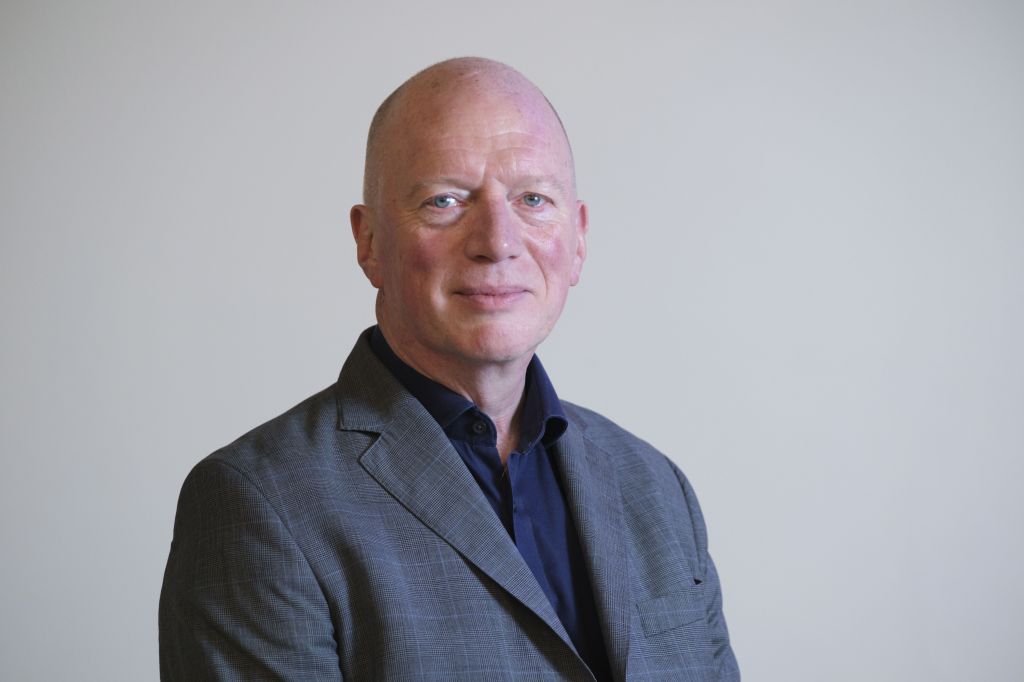
A photo of NASUWT general secretary Matt Wrack

Matt Wrack is general secretary of NASUWT – The Teachers’ Union

Thumbnail image credit: Jess Hurd/NASUWT

Header image credit: Scottish Government – Creative Commons

The post Andy Burnham needs to fix the crisis in our schools appeared first on Left Foot Forward: Leading the UK's progressive debate.

40+ Best Academic & Educational PowerPoint Presentation Templates

18 June 2026 at 10:45

A convincing presentation is important whether you’re a student or an educator. It requires a professional approach and clearly defined ideas.

The right PowerPoint template can help you communicate effectively. You’ll want one with great typography, professional graphics, and an easy-to-follow layout. A template that matches your subject matter is also a must. It resonates better than something generic.

This simple asset will make your presentation easier to understand. And it’s something your audience can reference later.

We’ve compiled this collection of PowerPoint templates to cover all your academic needs. Below, you’ll find templates for various subjects and use cases. Everything from science, math, and language are here. There are also options for student portfolios, events, and more.

If you’re new to the application, you might like to take a look at our collection of PowerPoint tutorials for beginners.

Lecture PowerPoint Templates

Make sure your lecture stands out using one of these beautiful PowerPoint templates. They feature clean typography and attractive color schemes. They’re also easy to customize to match your subject.

EduTalks Lectures Template

PowerPoint PPTX Template

EduTalks Lectures PowerPoint Template

Educational Medical Lecture Template

PowerPoint PPTX Template

Educational Lecture for Medical Students PowerPoint Template

Research PowerPoint Templates

Present your research findings clearly and concisely using one of these templates. You’ll find easy-to-read layouts and plenty of space for your ideas. Perfect for sharing data at events or in the classroom.

Research PowerPoint Presentation

PowerPoint PPTX Template

Research Presentation PowerPoint Template

Tech Research Presentation

PowerPoint PPTX Template

Tech Research Presentation PowerPoint Template

Thesis PowerPoint Templates

A successful thesis demonstrates your knowledge and your attention to detail. The templates below help by providing a visually appealing place to show what you know. Use them to share your methodology, findings, and conclusions.

Thesis Presentation Template

PowerPoint PPTX Template

Thesis PowerPoint Presentation Template

Thesis PowerPoint Template

PowerPoint PPTX Template

Thesis PowerPoint Template

Classroom Lesson PowerPoint Templates

Use one of these classroom lesson presentation templates to give your students a head-start on learning. The available custom charts and design elements will help you bring facts and figures to life. Add images to reinforce key concepts.

School Classroom PowerPoint Template

PowerPoint PPTX Template

Classroom School PowerPoint Template

Minimalist Classroom Template

PowerPoint PPTX Template

Class Room - Minimalist PowerPoint Template

E-Learning PowerPoint Templates

Online education is becoming the norm for many learners these days. The templates featured here are to help tout the benefits of e-learning. Create presentations for parents, prospective students, and administrators.

College e-Learning PowerPoint Template

PowerPoint PPTX Template

e-Learning College PowerPoint Template

E-Learning Presentation Template

PowerPoint PPTX Template

E-Learning PowerPoint Template

Workshop PowerPoint Templates

Workshop events are a great way to collaborate on projects and introduce new ideas. Use one of these PowerPoint templates to guide participants through each step. They’re here to help kick-start the learning process for groups of all sizes.

Workshop PowerPoint Template

PowerPoint PPTX Template

Workshop PowerPoint Presentation Template

Workshop Presentation Template

PowerPoint PPTX Template

Workshop Presentation PowerPoint Template

Seminar PowerPoint Templates

Reach your audience with a detail-oriented seminar presentation template. Add infographics, charts, and tables to emphasize your points of interest. The flexibility offered here means you can customize them for any subject.

Training PowerPoint Templates

Use a training presentation template to help students or colleagues learn new skills. Provide background information and the steps they’ll need to take. An effective presentation can be a difference-maker for learners.

Training Template for PowerPoint

PowerPoint PPTX Template

Training PowerPoint Template

IT Training Presentation

PowerPoint PPTX Template

IT Training PowerPoint Template

Education Course PowerPoint Templates

These templates are perfect for sharing the details of your course. Provide students with a syllabus that includes topics covered, special projects, and expectations. It’s a handy and informative document that can be referenced anytime.

Online Course Education Template

PowerPoint PPTX Template

Online Course - School Education PowerPoint Template

Guru Online Course for PowerPoint

PowerPoint PPTX Template

Guru Online Course PowerPoint Template

Student Portfolio PowerPoint Templates

A portfolio presentation can help students shine a light on their accomplishments. Highlight projects, extra-curricular activities, awards, and biographical information. Use it to introduce yourself to universities or prospective employers.

Balmand Education Student Template

PowerPoint PPTX Template

Balmand – Education & Student PowerPoint Template

Violet Portfolio PowerPoint Template

PowerPoint PPT Template

Violet Portfolio PowerPoint Template

Academic PowerPoint Templates

The academic templates here are appropriate for a wide range of uses. Share course materials, research findings, and project data. You can even use them to create a portfolio or resource document.

Academic PowerPoint Template

PowerPoint PPTX Template

Academic PowerPoint Template

Academic School Presentation Template

PowerPoint PPTX Template

Science Research PowerPoint Templates

Share your research, hypothesis, and conclusions with one of these PowerPoint templates. Present your data using the customizable chart and graph elements. Use color and imagery to make your key points stand out.

Science Presentation Template

PowerPoint PPTX Template

Science PowerPoint Presentation Template

Science Research Presentation

PowerPoint PPTX Template

Science Research Presentation PowerPoint Template

School Project PowerPoint Templates

Create a presentation to document your school project work using one of these templates. Highlight your process, key findings, and data points. It will help you connect with the audience and show what you’ve learned.

High School Education PowerPoint

PowerPoint PPTX Template

High School Education PowerPoint Template

School Presentation Template

PowerPoint PPTX Template

School Presentation PowerPoint Template

Historical Timeline PowerPoint Templates

A timeline of events is key to understanding history. These templates help you show the who, when, and where with beautiful visual elements. They’ll help students solidify their knowledge of the past.

Timeline History PowerPoint Template

PowerPoint PPTX Template

Timeline History PowerPoint Template

History PowerPoint Template

PowerPoint PPTX Template

Geography PowerPoint Templates

The earth is a big place, but you can condense it using one of these geography presentation templates. Add maps, cultural history, data, and images to take your audience someplace new. They’re an excellent resource for teachers and students.

Geology Presentation Template

PowerPoint PPTX Template

Geology Presentation PowerPoint Template

Country Maps PowerPoint Template

PowerPoint PPTX Template

Country Maps PowerPoint Templates

Language Learning PowerPoint Templates

A PowerPoint presentation can help language learners better understand key concepts. Use one to introduce lessons or as a home for resource materials. You might also add some international flavor using one of these easy-to-customize templates.

Math Lesson PowerPoint Templates

Use a math lesson template to help students navigate and better understand their studies. They’re great for explaining concepts, and diagramming formulas and equations. Students may also find them to be a helpful study guide.

Math Lesson Presentation Template

PowerPoint PPTX Template

Math Lesson – Mathematics Presentation PowerPoint Template

Math Module Presentation

PowerPoint PPTX Template

Math Module Presentation PowerPoint Template

Physics PowerPoint Templates

Let’s be honest: not everyone fully appreciates or understands physics. However, an effective presentation has a way of condensing ideas into something more approachable. It makes learning that much easier and fun.

Physics Presentation Template

PowerPoint PPTX Template

Physics Presentation PowerPoint TemplatePhysics Presentation PowerPoint Template

Quantum Physics Class for PowerPoint

PowerPoint PPTX Template

Quantum - Physics Class PowerPoint Template

Biology PowerPoint Templates

Explain the ins and outs of biology using one of these PowerPoint presentation templates. Add images to reinforce your lesson materials and keep students engaged. You’ll find plenty of tools to help learners understand life in all its forms.

Biology Course Presentation

PowerPoint PPTX Template

Biology Course PowerPoint Template

Biology Education PowerPoint Template

PowerPoint PPTX Template

Biology Education PowerPoint Template

Chemistry PowerPoint Templates

Chemistry is a powerful subject filled with complex ideas and formulas. The templates below offer a space to simplify these concepts and accelerate learning. That sounds like a formula for success!

Chemistry PowerPoint Template

PowerPoint PPTX Template

Share Your Ideas and Knowledge in Style

Educational presentations are a great way to share what you know. Teachers use them to communicate key facts about a subject. Meanwhile, student presentations demonstrate what they’ve learned.

The great thing about the above templates is they help to effectively deliver your message and save you time. You don’t have to worry about designing a presentation from scratch. All of this has been done for you.

That frees you to focus on your thoughts and ideas. We’ll give that an A+ in our grade book.


The post 40+ Best Academic & Educational PowerPoint Presentation Templates appeared first on Speckyboy Design Magazine.

Field Notes from a Year of OPSEC Training

Late last year, as part of our annual “Year in Review” series, we summarized our efforts providing digital privacy and security advice to at-risk communities. OPSEC trainings (short for operational security, a catch-all term we use to describe any kind of workshop, advising session, assessment, or presentation about operational security for individuals and organization) are something we've long provided, but until recently, something we’ve never broadcasted.

This has become a critical aspect of our work over the years, keeping us grounded and in touch with the realities of tech-enabled violence as well as evolving resistance strategies used by movement workers. Hoping other security trainers and organizers copy our homework, here’s a more thorough breakdown.

NOT TRADITIONAL PENTESTING

To be clear, we're not a 'pentesting' company, which refers to the methodological process of testing a person or organization's security and privacy posture, nor an information security (infosec) firm that offers anything within scopes of traditional security assessments.  Infosec companies almost always adhere to a cycle of: discovery/reconnaissance; > vulnerability scanning and testing; > exploitation of vulnerabilities found; > and a reportback of recommended mitigation strategies. Such full-spectrum audits can run the gamut of testing network security, physical security, organization posture against phishing or ransomware attacks, web app security, and more. For many organizations, the value of such engagements is immeasurable.

Such companies—although equipped with the technical sophistication to do full-spectrum digital security auditing and testing—often lack the critical points of view of human rights defenders and activists. Many human rights defenders and liberation movement workers are critically under-resourced and unable to meet the high costs of engagement with such infosec companies.  But that’s not what we offer. Our trainings center the needs of people on the ground, and offer this work pro bono. 

The cycle of engagement our work tends to take is similar to the lifecycle of pentesting outlined above, but with some key differences better suited to people-powered movements. 

We begin with a period of discovery about the organization we’re engaging with, learning about their work, the issue space they’re working in, and the types of threats their peers have faced in the past. Relying on our knowledge of known threat actors (state-operated threats, non-state actors, surveillance mechanisms, and more), we conduct a thorough threat modeling and risk assessment exercise, surfacing critical pieces of information about what we ought to prioritize protecting and from what. Sometimes that’s enough for a group to get started on improving their security plans, and we send them on their way.

After receiving consent from the group to do so, we may perform some OSINT (open source intelligence) investigation and map out a sketch of their digital footprint. This often looks like some combination of discoverability through public records, data broker ecosystems, and breach databases, as well as risks they may incur through the services they rely on for their web presence. That latter part can be done with typical pentesting reconnaissance tools, as well as our own project Privacy Badger for mapping the trackers on their website, which pose them and their users some amount of risk. Working from this sketch of their digital footprint, opportunities to lessen the reach of their data exposure, or at least the more sensitive areas they ought to be aware of, become apparent.

For a more in-depth engagement, we take the information gathered from the guided threat modeling exercises, as well as the digital footprint we’ve developed for them, and we move on to training the participants on what they need to address their threats. Sometimes that looks like a deep dive on encryption and how it can be used to protect data backups and secure communications. Other times it looks like getting very knowledgeable and practiced on the various ways to stay safe from surveillance threats encountered at a protest. Often though, our engagement with those asking for advice on how to strengthen their OPSEC is as simple as presenting materials covered in our Surveillance Self-Defense (SSD) project, but with EFF staff to help apply those lessons to their context.

MOVEMENTS AND COMMUNITIES ADVISED

Requests for such training mostly arise organically, either via referral, from our participation in external media, or driven by an interest in SSD. Naturally, the demand for accessible OPSEC advice escalates along with the general sophistication and reach of surveillance technology. And as authoritarianism creeps and continues to threaten the movement workers fighting against it, there's a marked urgency for that demand.

The types of communities and liberation movement workers that reach out run a wide array of experiences, but some commonalities stick out. Since the fall of Roe v. Wade, we've seen a huge uptick in abortion access activists like clinic escorts and information distribution networks reaching out. So too are providers of criminalized healthcare services, both abortion services and gender affirming care alike. The list goes on: advocates for transgender rights such as art collectives and archivists, sex worker rights activists, survivors of intimate partner violence, climate justice activists, legal defense groups focusing on immigrant justice and Black liberation. And many, many others, often stemming from experiences of distinct marginalization and state-powered violence.

We’re dressing the wounds the violence of surveillance inflicts.

TAXONOMY OF THREATS

When there's a cast of common threat actors that so often emerge during risk assessment (ideologically motivated harassers, lawmakers, cops, negligent leadership at large tech platforms, etc) there is a level of predictability about their capabilities. We use that information to make knowledgeable risk assessments for those we’re working with, determining the means that threat actors have to cause them harm, as well as the likelihood.

For community organizers and grassroots activists we most often see concerns around doxxing (and harassment driven by OSINT), social media monitoring, content suppression on tech platforms, and insider threats such as infiltration within trusted communication channels. Often this comes with a tension between publicity and privacy—needing to spread their message and further their cause, while recognizing that digital privacy has a profound impact on their personal safety. Some activists may instead hope to organize other more covert forms of direct action. They're more likely to be concerned about the types of street level surveillance that they may encounter.

Small organizations nonprofit and otherwise may share the concerns around doxxing, as well as traditional digital security concerns around their web presence. Website defacement and data exfiltration are particular concerns for organizations that don't have the resources to commit to IT security staff. And for those that do have meager budgets for such things, organizational compliance and ease-of-use regarding privacy and security technologies are a whole other concern. The question then becomes how to manage a system of distributed devices that are uncontrolled by the organization, but operationally necessary for each member of their community. 

Generally speaking, the threats most commonly encountered in these spaces have to do with the opacity and unchecked reach of surveillance systems. With every single individual or group that we encounter in this type of work, threat modeling comes number one in terms of priority. There is no way to protect against every theoretical threat. Instead, we walk others through the process of identifying and then prioritizing known and perceived threats, based on their specific context and the type of work that they do, before moving on to recommended mitigation and resistance strategies. 

STRATEGIES OF RESISTANCE

Developing a threat model without a course of action often does more to stoke privacy nihilism than remedy the risks communities face. The more we engage with at-risk communities and offer reasonable, accessible OPSEC advice, the greater our instinct develops for recognizing such strategies. At the core of these recommendations lie the backbones of privacy and security fundamentals, such as encryption, access controls, sophisticated backup plans, OSINT skills, and resistance to online tracking.

Over the years, we've found it easiest to begin with non-technical recommendations first. These strategies often mesh well with the community's extant organizing procedures, such as designating team roles and thought out contingency plans for specific risks. This may look like identifying those extant plans and tacking on responsibilities like data backups, code words for community vetting, and developing workarounds or contingency plans for if they lose access to specific technologies. 

Eventually, though, the strategies must become more technical, like switching to more private and secure technology alternatives, developing a sophisticated and encrypted data backup plan, and having technical contingency plans in place for if/when they are deplatformed or their services interrupted. Developing patience and compassion when walking groups through unfamiliar technologies is an essential tool of this work. So too is the habit of checking ourselves, as privacy and security nerds, to know the difference between the most secure technologies and those which will actually be used by at-risk community members. Any step towards more thoughtful OPSEC is better than one too difficult to use. The last thing we want is a recommendation that results in people frustratedly giving up on doing anything at all. After all, the whole point of this is to empower movement workers, not inhibit them.

HOLISTIC MITIGATIONS

It is painfully obvious how many identified threats could be protected against if there were comprehensive data privacy legislation protecting all people. The lack of such is an existential threat to everyone. Bills that undermine peoples' right to privacy are never clear about what they're doing, and often come wrapped in some paternalistic guise of addressing some other harm elsewhere. They often use confusing, oblique language that preys on the public's interest to correct the course of other social harms. The reality is that when it’s clearly explained, every person online wants better privacy. And as we know, every individual's personal security and wellbeing are entwined with their access to privacy. The capacity with which a person can decide what to share online, rather than have sensitive information non-consensually taken from them by creepy surveillance technologies, is a matter of self-determination. And it's in all our best interests to fight for the right to self-determination.

WHAT WE GET BACK

An unexpected outcome of identifying so many common threat actors across such varied issue spaces is revealing potential avenues of collaboration and camaraderie. Some movements are already keen on this allyship, such as those focusing on various aspects of bodily autonomy and self-determination. Abortion access activists and trans liberation activists are often in concerted allyship. Other less obvious connections are legal defense groups that offer "know-your-rights" style educational materials and other issue-specific activists who have questions about the legal threats they're facing while fighting for their cause. 

Recognizing the common threat actors across different issue spaces begins to highlight opportunities for collective action against those threats. As a digital rights organization, this is very much our wheelhouse, and precisely why our technologist team is self-described as one working toward the public interest. It’s also from this point of view that we continue to win. And why it’s critical for lawmakers to pay attention when we say particular pieces of bad legislation are harmful to public safety. And finally, why it is necessary for public interest technologists and digital rights activists to connect with other communities to learn about the specific technology risks they’re worried about. As Mariame Kaba says, “Nothing that we do that is worthwhile is done alone.” This very blog post is in an effort to provoke thought for digital security trainers, so that we as a community don’t work atomized and alone, reproducing the same work, exhausting ourselves and creating unnecessary redundancy.

We do what we can to keep up. And thankfully, we participate within an ecosystem of digital security providers that have a keen mind towards fighting for digital rights. We share resources, referrals, and expertise. Our Surveillance Self-Defense project is stress-tested by the experiences shared by the liberation movement workers we engage with and provide this work to. If you’re interested in becoming a digital security resource for your community, start with the SSD. If you’re a human rights defender with questions about how to stay safe, reach out. And if you’re not sure what else to do, you can always help us keep it going.

AI invades Princeton, where 30% of students cheat—but peers won't snitch

13 May 2026 at 19:47

Pity poor Princeton.

The ultra-elite university has a mere $38 billion in endowment money. Many of its dorms lack air conditioning. And it's in New Jersey.

I kid about New Jersey, of course. Despite not being allowed to pump one's own gas there, the "Garden State" grew on me during three years spent in the Princeton area. I still keep up with its goings-on, which led me to this week's article in the Daily Princetonian on how AI was disrupting the university's long-running traditions.

Read full article

Comments

© Getty Images

Influential study touting ChatGPT in education retracted over red flags

4 May 2026 at 19:03

A study that claimed OpenAI’s ChatGPT can positively impact student learning has been retracted nearly one year after publication. The journal publisher, Springer Nature, cited “discrepancies” in the analysis and a lack of confidence in the conclusions—but not before the paper racked up hundreds of citations and made the rounds on social media.

“The paper's authors made some very attention-grabbing claims about the benefits of ChatGPT on learning outcomes,” said Ben Williamson, a senior lecturer at the Centre for Research in Digital Education and the Edinburgh Futures Institute at the University of Edinburgh in Scotland, in an email to Ars. “It was treated by many on social media as one of the first pieces of hard, gold standard evidence that ChatGPT, and generative AI more broadly, benefits learners.”

The retracted paper attempted to quantify “the effect of ChatGPT on students’ learning performance, learning perception, and higher-order thinking” by analyzing results from 51 previous research studies. Its meta-analysis calculated the effect size between various studies’ experimental groups that used ChatGPT in education and control groups that did not use the AI chatbot.

Read full article

Comments

© Malte Mueller | Getty Images

Reform’s plan to make schools fly union flags and deliver ‘patriotic’ history lessons draws backlash

To mark St George’s day, Reform has said that if they win the next election, they would require all schools to fly the Union flag and display a picture of the King.

In addition, the party wants to change the curriculum to “rekindle national pride” and make 60% of history lessons focused on British history. 

Reform would want to focus on events such as the signing of the Magna Carta, the Wars of the Roses, the English Civil War, the Glorious Revolution, the Act of Union, the Enlightenment, and Victorian Britain.

Many of these events are already covered under the current history curriculum.

Reform’s focus on ‘patriotic’ British events neglects other aspects of the country’s past, such as Britain having played a leading role in the slave trade, as well as controlling 25% of the world’s land at the height of the British Empire due to colonisation.

Meanwhile, outlets such as GB News and TalkTV are regularly producing content claiming that schoolchildren are “being taught to hate Britain” by teaching them about slavery and the Empire.

In a post on X, Reform’s deputy leader Richard Tice MP called the move “common sense patriotism”. 

Online, people challenged Tice’s “patriotism” after an investigation revealed that he had failed to pay a £91,000 tax bill.

One X user wrote: “Pay your taxes instead- that would be true patriotism.”

Another said: “Here we go again. More performative, virtue signalling tripe.”

Another X user remarked: “Nothing says fix education like forcing kids to stare at a flag and a portrait instead of tackling crumbling schools, underpaid teachers, and outdated curriculums.”

Olivia Barber is a reporter at Left Foot Forward

Left Foot Forward doesn't have the backing of big business or billionaires. We rely on the kind and generous support of ordinary people like you.

You can support hard-hitting journalism that holds the right to account, provides a forum for debate among progressives, and covers the stories the rest of the media ignore. Donate today.

The post Reform’s plan to make schools fly union flags and deliver ‘patriotic’ history lessons draws backlash appeared first on Left Foot Forward: Leading the UK's progressive debate.

How Push Notifications Can Betray Your Privacy (and What to Do About It)

A phone’s push notifications can contain a significant amount of information about you, your communications, and what you do throughout the day. They’re important enough to government investigations that Apple and Google now both require a judge’s order to hand details about push notifications over to law enforcement, and even with that requirement Apple shares data on hundreds of users. More recently, we also learned from a 404 Media report that law enforcement forensic extraction tools can unearth the text from deleted notifications, including those from secure messaging tools, like Signal. The good news is that you can mitigate some of this risk. 

There are two points where notifications may betray your privacy: when they’re transmitted over cloud servers and once they land on the device. Let’s start with the cloud. It might seem like push notifications come directly from an app, but they are typically routed through either Apple or Google’s servers first (depending on if you use iOS or Android). According to a letter sent to the Department of Justice by Senator Wyden, the content of those notifications may be visible to Apple and Google, and at the very least the companies collect some metadata about what apps send a notification and when. App providers have to make the decision to hide the content from Apple and Google and implement that functionality; Signal is one app that does this. 

Then, once the notifications land on your phone, depending on your settings, the notification content may be visible on your lock screen without needing to unlock the device. This can be dangerous if you lose your device, someone steals it, or it’s confiscated by law enforcement. 

You may clear notifications after looking at them. But it turns out the content notifications get recorded in your device’s internal storage, which then makes them susceptible to recovery with certain types of forensic tools. Notification content may even persist after the app is deleted, if the OS doesn’t fully purge the app’s notification data. 

We still have a lot of unanswered questions about how the notification databases work on devices. We do not know how long notifications are stored, or whether they’re backed up to the cloud, in which case the cloud provider could get backdoor access to the content of messages if the backups are enabled and not end-to-end encrypted. This may also make backups vulnerable to law enforcement demands for data. 

Which is all to say that there are myriad ways that law enforcement can access the content or metadata of push notifications. Let’s fix that.

Consider the Strongest Notification Protections for Your Secure Messaging Apps

Secure chat tools are designed to keep the content of the messages safe inside the app. So, for secure chat apps like WhatsApp and Signal, that means the company that makes those apps cannot see the content of your messages, and they’re only accessible on your and your recipients’ devices. Once messages land on a device, it’s still important to consider some privacy precautions, particularly with notifications. 

Signal
Signal offers three levels of information to include in notifications, all which are pretty self explanatory:

  • Name, Content, and Actions (Name and message on Android) shows the entirety of a message as well as who sent it (on iPhone you can also slide to reply, mark as read, or call back). 
  • Name only only shows the name of the sender. 
  • No Name or Content (No name or message on Android) will only show that you have a message from Signal, not who sent it or what it’s about. 

To change your settings:

  • On iPhone: Tap your profile picture, then Settings > Notifications > Show.
  • On Android: Tap your profile picture, then Notifications > Show

WhatsApp
WhatsApp only has one option for this, and it’s currently limited to iPhone, but you can at least tell the app not to include the content of a message in the notification:

  • Open WhatsApp for iPhone, tap the “You” bar, then Notifications, and disable the Show preview option.

Check your other apps to see if they offer similar settings.

Limit Your Notifications Device-Wide

Since Apple and Google manage push notifications for their respective devices, they also have some visibility into certain data. Push notification data can include certain types of metadata, like which app sent a notification and when, as well as the account ID associated with the phone. In some cases, Apple and Google may have access to unencrypted content, including the content of the text in a notification or other information from the app itself. 

For most app notifications, there’s no simple way to easily figure out what metadata might be gleaned from a notification, or if the notification is unencrypted or not. But some app developers have described details along these lines. For example, Signal president Meredith Whittaker explained on social media how the Signal app handles notifications entirely on-device. Searching online for an app name along with “notification privacy,” “notification encryption” or “notification metadata” may help answer your questions, or you may need to dig around in support forums for the app.

 push notifications for Signal NEVER contain sensitive unencrypted data & do not reveal the contents of any Signal messages or calls-not to Apple, not to Google, not to anyone but you & the people you're talking to. 1/ In Signal, push notifications simply act as a ping that tells the app to wake up. They don't reveal who sent the message or who is calling (not to Apple, Google, or anyone). Notifications are processed entirely on your device. This

It’s also good to reconsider whether any app should be sending you notifications to begin with. Aside from a potential decrease in the number of distractions you endure throughout the day, or the level of chaos on display on your lockscreen, limiting the apps that can send notifications and what content is visible in them can improve your privacy with respect to the sorts of metadata that may be gathered by the companies, as well as any content that may be viewable if someone has physically accessed your device.

To check and change your settings on iPhone

  • Open Settings > Notifications.
  • On the Show Previews option, you can choose whether to show the content of notifications on the lock screen, “Always,” which doesn’t require unlocking the device, “When Unlocked,” which does, and “Never,” which means notifications won’t have any details, just that you have a notification in an app. 
  • Alternatively, you can scroll down and change these settings per app. Just tap the app name, then the Show Previews menu, and choose how you’d like them to appear. Or, if you’ve decided you don’t want notifications from that app at all, uncheck the Allow Notifications option.

To check and change your settings on Android
The core version of Android relies on app developers to develop specific settings more than controlling them on a platform-wide level.

  • Open Settings > Notifications > App notifications to disable notifications from any app completely. Some apps may also offer internal notification options for specific types of notices, like new messages, that you can control in the app itself. Tap an app name, then tap the Addition settings in the app option to potentially customize it more.
  • You can also experiment with the sensitive content setting. This is up to the developer to set properly, but when done so, most notifications will require at least unlocking the device to see them. Open Settings > Notifications > Notifications on lock screen and disable “Show sensitive content.”

Control What Notifications AI Tools Can Access

In an attempt to make notifications easier to skim, both Android and iOS offer optional ways to get notification summaries using their AI tools that summarize the content of notifications. On an individual app level, WhatsApp offers this as well. Some of these summarization tools, like Apple’s, run on the device, while others, like WhatsApp’s, do not. This can all be a lot to keep track of, and sending data off device may create some level of risk for some messages.

Since this is a bit more complicated, we have another blog post that walks through the steps to take to protect messaging from accidentally ending up in AI tools built into Apple and Google's devices. For WhatsApp specifically, we have a blog detailing when you might want to turn on the app’s “Advanced Chat Privacy” feature, which can disable summaries for both yourself and others in the chat.

Balancing security, privacy, and usability with something like push notifications is a complicated task. At the very least, Apple and Google should better ensure that the content of these notifications isn’t transmitted over their servers in plain text. The companies need to also make sure that device operating systems don’t back up the notification database to the cloud, and when an app is deleted, that all notification data is purged.

We appreciate that apps like Signal allow you to control what’s visible with notifications on a per-app basis, and we’d like to see this level of granularity of choices in other secure messaging tools, like WhatsApp. Likewise, more apps should handle push notifications similarly to the way Signal does, where a ping is sent to wake up the app to check for messages, and the content of that message is never sent across servers.

Boating: My Unexpected Fifth Career

8 March 2026 at 19:00

I am pleasantly surprised that my boat experience and captain’s license are paying off with some fun, often challenging gigs.

A lot of folks criticize me for (or are in awe of) the number of “irons I keep in the fire.” Simply said, I have a lot of interests and when something really strikes my fancy, I dive in headfirst and do what I need to do to become an “expert.”

That’s how teaching myself how to use computers in the early 1990s paid off with a career as a computer how-to book author, speaker, and educator, freeing me, once and for all (at age 29), from the 9 to 5 grind of corporate America.

That’s how learning to fly helicopters and eventually jumping through the hoops required to get a charter (AKA Part 135) certificate got me a third career as a helicopter pilot, which started climbing to its peak in 2012, right around the time people stopped buying computer how-to books.

That’s how accumulating cabochons at rock shows led to making jewelry which led to getting good silversmith training and setting up my own fully-equipped studio and making/selling sterling silver jewelry at art shows. When I sold the helicopter and my two helicopter businesses, I really thought silversmithing would be my fourth career (and first retirement career) and I suppose I can still count it as that.

But I never expected my boating activities to lead to paying gigs on both coasts, bringing in retirement income just as silver prices skyrocketed and the economy led to people not spending much money on things they didn’t need. After a dismal winter art show season in Seattle and the Phoenix area, I’ve pretty much set my silversmithing activities aside to better explore this fifth career as a boat captain.

Getting into Boating

What started as me musing, back in 2012, whether it was possible to take a boat on a trip from the Intracoastal Waterway near my mom’s old house in St. Augustine all the way up to the Erie Canal, somehow ending in the Mississippi River and looping back to my starting point in Florida, eventually culminated with me doing that trip, the Great Loop, mostly solo in my own boat. I started in Chicago in October 2022 and ended there in August 2024. (I was still working as a pilot in the summer so I couldn’t do the summer part in 2023.)

I’d been boating on and off most of my life. Back in the summer of 2011, I bought a little jet boat. It wasn’t much and it wasn’t fast, but I eventually took it on outings in the Columbia River, Colorado River, and Lake Pleasant (Arizona).

Jet Boat
My little jetboat was extremely well travelled. In the winter of 2017/18, I took it south with me to Arizona and beyond. This picture was shot at Capitol Reef National Park in October, when I drove through on my way to a side trip in Colorado.

My life got turned upside down in 2012 and I spent the next few years rebuilding it the way I wanted, with a new home and new priorities. I’ll just say this: life is good when you don’t have anyone holding you back from enjoying it. (‘Nuff said, eh, Jim?)

By 2021, I was thinking about that boat trip again. I found a boat captain doing the trip in his 2017 Ranger Tug R-27 who was looking for two crew members. I signed up for a portion of the trip: 8 weeks from Jersey City to Chicago. It was a mostly great experience, although I did clash with the other crew member and wound up leaving the boat after 5 weeks. We traveled up the Hudson River (where I’d boated with my family as a child) through the Erie Canal, and along Lake Erie and Lake Huron. It was great experience.

Ecstasea
I spent five weeks on this Carver with Captain John. Here’s the boat parked at Bald Head Island in North Carolina.

After that trip, I was approached by another boat captain, this time in a 1985 Aft Cabin Carver 35, who was doing the trip at his own pace and needed at least one crew member for at least two weeks. I signed up for 5 weeks, returning home just in time for my summer work. This time we were on the Atlantic Intracoastal Waterway between Charleston SC and New Bern NC. (John cruised at a much slower pace.) Again, it was great experience.

I was almost ready to buy my own boat, planning to do the Loop at my own pace starting in 2024. I had one more season of summer flying to do with my helicopter and then I planned to sell it. But weird stuff happens and I got an offer I couldn’t refuse for the helicopter in May 2022. I’m not an idiot; I sold it. I wound up leasing a helicopter — long and crazy story there — for my summer work.

But that big fat helicopter payment was eating at me, telling me to buy a boat that summer and start the trip sooner. After putting off looking for most of the summer, I finally succumbed and started a search. I found the right boat in August 2022, made an offer, had it accepted contingent on the survey, got it surveyed, and completed the sale just after Labor Day weekend.

Locking Through
Here I am on the command bridge, locking through somewhere. You can almost see Alyse inside on the starboard side of the boat.

What followed was a bit of training, a bunch of days cruising around Puget Sound, and a trip across the US to Chicago where the trucking company I’d hired launched it. My friend Janet joined me for the first 3 weeks on the Loop. My friend Alyse joined me for the second 3 weeks on the Loop. I did a bunch solo and also did about 60 days with my friend Jason and another 3 days with my friend Cheri. This was all over the course of 22 months, with time home to work when I had to.

Becoming a Captain

Along the way, I stopped in Oriental NC to attend a 7-day OUPV captain course. I got my Captain’s License from the USCG in October 2023. I put that license to work in May 2024 in the Baltimore area on two separate training gigs: 3 days for a brand new boater planning to do the Loop solo starting that summer (!!) in his 2015 Ranger Tug R-29 and 1 day with a couple who had stepped up from a pontoon boat to a really nice (and relatively new) Ranger Tug R-29.

If I had to identify one thing that has helped me stay financially secure doing interesting work throughout my life while retaining a healthy work/life balance, it’s my ability to recognize and take advantage of opportunities that come up as they come up. While many people — including too many I know — will make excuses to support why they can’t do something, I look at what I need to do to make things happen.

So while I was on a flotilla with five other boats (all larger than mine) going to Desolation Sound, and one of the owners of the charter company asked if I’d ever considered training people how to drive boats, I not only said yes but told him I had some experience doing it. (He had been impressed that I docked the boat solo at every stop; basically having the boat tied up before his wife hurried over to help.) And then I took the certification classes required to qualify as an instructor for their company. The following spring, I was teaching for them.

I have to admit that the highly structured classes they were teaching to give students American Boating certification was not what I enjoy doing. It was nice to make money while boating with strangers, some of whom were really great people, but I’m not a fan of teaching to the test, especially when the test covers information not in the course material or really not necessary to know. (I’d offer an example here, but I literally tossed out those old tests two days ago when cleaning out my instructor binder.)

Maria & Janet
Here I am with my friend Janet last summer at Blake Island in Puget Sound. Janet joined me for my first three weeks on the Great Loop.

I’d prefer to teach just one or two (a couple) people at a time, focusing on what they need to know to be safe boaters and get started building skills. And that’s what I got to do twice on my own boat last summer. I took a future Ranger Tug owner and his friend on an overnight trip in the San Juan Islands where they could see whether the boat would meet their needs; they stayed in an AirBnB on Orcas Island near Deer Harbor. And I took another future Ranger Tug owner who plans to do the Loop on a four day trip in the San Juan Islands, focusing on soloing skills — which is something the training organizations don’t want me to teach for them. I was tickled pink when he picked up a mooring ball by himself on the first try!

Client Relaxes
Here’s a shot through the windscreen of my client and his friend relaxing on bow seating while we were parked at a marina.

Later that summer, in August, I accompanied a new boater and his friend on his 2024 Antares 11, a twin outboard boat he planned to do the loop in. They had to move the boat from the Florida Panhandle to Jacksonville. We had two weeks to do it and needed almost every day because of engine issues along the way. It was brutally hot and humid in Florida, but the boat had air conditioning in the staterooms so sleeping was tolerable. It wasn’t my favorite Captain gig, but it’s always nice to get out on the water, especially when someone else is picking up the tab.

This Year Is Shaping Up

Fast forward to this year. Things are shaping up nicely. It’s just March and I’ve already done one gig, have two more under contract, and a third penciled in on my calendar. These are all gigs in a client’s boat or in my boat.

In two cases (for the same female client), I got the gig partly because I’m a woman. So that’s a welcome twist.

In the other two cases, the client wants to experience cruising in a Ranger Tug. So although my boat is in a charter program with San Juan Yachting out of Bellingham and used by others when I’m not on board, I have enough time for myself reserved so I can offer a few training cruises in it. I love teaching people how to drive Ranger Tugs, especially in my own boat. I know it so well and am still excited about it, even after 3 1/2 years of ownership. I want to make them excited, too.

And I’m also doing day trips and shorter overnight trips for clients. You can check my boat’s availability calendar here. And, of course, you can charter it for yourself if you meet the charter guest requirements at San Juan Yachting. Or you can charter it and request me as your on-board captain for custom training as you cruise.

The point is, I’m able to do work I love — boating and teaching people how to boat safely — and be paid for it. And I have to admit that the work pays a lot better for the amount of effort than my silversmithing “career,” even though it’s not as creative and personally rewarding. I guess the bottom line is this: doing work as a boat captain pays the bills; doing work as a silversmith/artist pays to do work as a silversmith/artist.

Winter 2026/27?

At this point, I’m leaning hard toward towing my boat back to the Great Loop in mid October or November, probably launching it in the St. Louis area. When I did the Loop, I sped through the southern half of the Inland Waterways in December and the trip was not as good as I think it should have been. I want to do it again and then cruise on to the west coast of Florida, perhaps with another stop in the Keys.

Boat Tow
Heck, I towed it home from Chicago in August 2024. Why not tow it back to St. Louis in October 2026?

The boat would be available for passengers interested in learning more about the Great Loop or Ranger Tugs. Due to the size of the boat and stateroom limitations, I prefer to take solo cruisers, but I could probably make room for a couple. We’ll see.

What I do beyond that really depends on what plans I can make for Summer 2027. Right now, it’s too early to share my thoughts about that.

It’s All about Skills

I just want to end this post with a quick discussion of skills.

I have built multiple careers — some of them very successful — by learning skills and making those skills available to people willing to pay for them.

  • I wrote about computer books for more than 20 years, earning quite a bit of money with my ability to write and to explain how to perform tasks on a computer.
  • I took passengers for hire and did contract work in a helicopter, eventually earning a good living with my ability to fly the way a client needed me to fly.
  • I’ve earned money with my silversmithing skills, although I haven’t had to depend on the income from that endeavor (see the previous two points).
  • I’m earning money with my boating skills, teaching people how to safely maneuver their boat.

I have numerous other skills that serve me well:

  • Computer skills for building websites, creating marketing materials, and making videos.
  • Marketing skills for selling myself and my services.
  • Accounting skills for taking care of my own finances.
  • People skills that recognize the client is always right (even if he’s wrong), among other things.

I don’t learn skills because I plan to turn them into a career. I learn them because they interest me. But being able to monetize them makes it possible for me earn a living doing the things that interest me. In addition to the ones I’ve covered here, I’m also doing things with bookbinding, leather work, carpentry, photography, sewing, and more. I’m interested in a lot of things so I do a lot of things.

I guess the point I’m trying to make is this: building skills can never be a waste of time. You never know when that skill you’ve been honing because you really enjoy the work might be the skill that turns into a lifeboat if your life goes sideways one day.

The Sharp End & Blunt End of Education

3 October 2025 at 11:35

Are you at the Sharp End or the Blunt End?

Most people who’ve been to school (and many who haven’t!) have strong opinions about education. Understandably so – education speaks to how we raise our children, what we value as a society and the kind of world we want to create. Education matters. 

But it also creates a challenge. When you’re teaching, or doing any of the many wonderful roles working directly with students, you find yourself fielding a lot of these opinions about your teaching practice from people who don’t have direct experience of teaching in your context. That’s to be expected. The harder part is that you’re also navigating educational policies and decisions made by people a long way from the classroom. You’re working at what safety scientists call the sharp end. 

The language of sharp end and blunt end comes from safety science (James Reason’s Human Error, Charles Perrow’s Normal Accidents, Sidney Dekker’s Field Guide to Human Error, Rasmussen and others). It’s a way of describing how work happens in complex systems:

  • The sharp end is where the work actually gets done, in direct interaction with people, processes and sometimes hazards. Think nurses and doctors with patients, pilots flying aircraft, engineers fixing equipment.
  • The blunt end is everything that shapes the conditions of that work from a distance – policies, procedures, regulations, leadership decisions, even technology design.
sharp end and blunt end

While those working at the blunt end may well make errors or bad decisions, the consequences of those decisions will often only become visible at the sharp end of work. 

Education as sharp end work

Back when I was teaching, nobody talked about sharp or blunt ends (except perhaps in the context of pencils!). We said things like, “working at the chalk face” or, worse, the militaristic “on the front line.” But the sharp/blunt distinction really does help explain some of what happens in education.

Teachers and teaching assistants are working at the sharp end, with students. At the blunt end are senior leaders, governors, exam boards and politicians shaping the policies and processes that govern classroom life.

And while we rarely consider education as a safety-critical domain, this is probably somewhat naive. Some of my colleagues who work in especially challenging and complex educational contexts will tell you that their work can be hazardous, managing behaviour that could escalate, caring for students with significant needs, or simply coping with the chronic risks of stress and burnout. But even setting that aside, the sharp/blunt distinction matters. Because when decisions at the blunt end are disconnected from the reality of the sharp end, the gap creates unintended consequences.

A marking policy story

By Jade Garratt

Here’s one example. A school leader notices that students’ books haven’t been marked up to date. Instead of asking why, they introduce a new policy: every book must show evidence of marking at least once a fortnight.

What happens next?

  • Teachers extend their working hours just to keep up, leading to stress and burnout.
  • Marking starts happening for show, rather than to genuinely help students learn.
  • Planning time shrinks, and the quality of lessons drops.
  • Some teachers avoid giving written tasks altogether to reduce their marking load.
  • Students get fewer chances to practise writing.

The result is almost the opposite of what was intended. The policy was meant to support learning, but at the sharp end it undermined it.

Jade Garratt

A different approach: operational curiosity

So what could have happened instead? Here’s where Human and Organisational Performance (HOP) thinking is useful. In HOP, we try to become more “operationally curious”: getting closer to the sharp end of work before jumping to solutions.

That might have looked like this:

  • We’ve noticed less written marking than expected – what worries us about that?
  • Could it be that teachers are giving feedback in other ways?
  • If teachers are not giving enough feedback, what’s getting in the way?
  • How do students describe the feedback they get?
  • What do teachers actually do with students’ work once it’s handed in?

With that curiosity, leaders might find that feedback is already happening effectively through conversations, whole-class discussions or verbal comments. They might discover that teachers want to be doing more written marking, but they’re overloaded with planning lessons for a new exam syllabus. Or they could uncover duplication – teachers marking in one way for students and again in another system for accountability – leaving them without the capacity to do either well. Or they may find something else entirely.

The point is that unless we’re genuinely curious (rather than judgemental) about what’s going on at the sharp end, we risk fixing the wrong problem. The real insights come from understanding work as done – not just how we imagine it or how it’s written in policy, but the messy, adaptive and creative ways people at the sharp end actually do their jobs. There is a difference between teaching as imagined, and teaching as done.

And depending what leaders learn from this operational curiosity, the solution could be quite different: giving teachers more time, removing other workload, investing in technology for audio feedback – or perhaps deciding no new policy or action is needed at all.

Why sharp/blunt end thinking matters

The sharp/blunt distinction is a useful metaphor, and can help us see work systemically. It reminds us that what looks like “non-compliance” or “error” at the sharp end is often shaped by the conditions created at the blunt end. And it nudges us to be curious, to go and see, before we act.

And there’s another reason I value this language. Unlike more traditional leadership language, talking about people “at the top” and others “at the bottom,” the sharp/blunt metaphor doesn’t carry that same sense of hierarchy. It’s not about who’s on top, it’s about where you stand in relation to the work. Both vantage points matter, and both are essential to the system working well.

Whatever domain we’re in, we can probably benefit from this lesson: pay attention to both the sharp end and the blunt end, and especially to the gap between them. That’s where valuable learning, and change, can really happen.

Further Reading

Work as Imagined vs Work as Done

Making it safe(r) to fail in teaching

The HOP Core Principles

The post The Sharp End & Blunt End of Education appeared first on Psych Safety.

#183 – Destiny Kanno, Isotta Peira and Anand Upadhyay on how WordPress is shaping the future of education for students worldwide

3 September 2025 at 14:00
Transcript

[00:00:19] Nathan Wrigley: Welcome to the Jukebox Podcast from WP Tavern. My name is Nathan Wrigley.

Jukebox is a podcast which is dedicated to all things WordPress, the people, the events, the plugins, the blocks, the themes, and in this case, how WordPress is shaping the future of education for students worldwide.

If you’d like to subscribe to the podcast, you can do that by searching for WP Tavern in your podcast player of choice, or by going to wptavern.com/feed/podcast, and you can copy that URL into most podcast players.

If you have a topic that you’d like us to feature on the podcast, I’m keen to hear from you and hopefully get you, or your idea, featured on the show. Head to wptavern.com/contact/jukebox, and use the form there.

So on the podcast today, we have Destiny Kanno, Isotta Peira, and Anand Upadhyay.

Destiny is the Head of Community Education at Automattic. Isotta is the leader of the WordPress Credits Initiative for students, and Anand is the founder of WordPress Campus Connect.

This episode is all about how WordPress is not only powering websites, but also empowering the next generation of learners and creators. You’ll hear about the growing movement of education focused WordPress events happening worldwide, from hands-on workshops on university campuses in India, to student clubs designed to keep the momentum going after introductory events.

Anand shares how WP Campus Connect is bringing WordPress directly to students, reducing barriers to entry, and helping bridge the gap between academic learning and real world tech skills. We also explore the challenges of organizing these events, from convincing institutions of the value of open source, to fostering genuine community involvement among both students and educators.

Isotta then introduces us to the WordPress Credits Program, an initiative that lets students turn their contributions to the WordPress ecosystem into recognized academic credits at universities like, Pisa in Italy. It’s a win-win. Students gain practical resume worthy experience, while educational institutions get a transferable, skills focused, program that prepares learners for the jobs of the future.

Whether you’re an educator, a WordPress enthusiast, or just someone who cares about open source and community, this episode is packed with actionable insights. The guests share how flexible and resilient these education initiatives are, how you can get involved, and why engaging the next generation is not just important, but essential for the continued growth and sustainability of the WordPress community.

It’s a truly inspiring episode, and is at the intersection of so many areas of profound importance.

If you’re curious about how to bring WordPress into your local school, university, or community, or if you just want to hear how WordPress is making a difference far beyond the web, this episode is for you.

If you’re interested in finding out more, you can find all of the links in the show notes by heading to wptavern.com/podcast, where you’ll find all the other episodes as well.

And so without further delay, I bring you Destiny Kanno, Isotta Peira and Anand Upadhyay.

I am joined on the podcast by Destiny Kanno, by Isotta Peira, and also by Anand Upadhyay. Welcome all three of you. Thanks for joining me today.

Now just before we begin this podcast, we’re going to be talking about education, the education landscape, and how WordPress combines with that. I hope during the course of this conversation, you will get an impression that this is something which is very dear to my heart. We don’t need to go into that, but this is about the most profoundly purposeful use of a CMS that I can actually imagine. I mean, I’m sure there’s other scenarios for other people, but for me, this is the perfect sweet spot. Education, WordPress, open source software. It doesn’t basically get better than that for me.

So with that out of the way, I think it would be good to go round the houses one at a time and just give a little short biography of who you are, where you work, what your history is with WordPress, something like that. You can make it as long or as short as you like, but if we keep it under a minute, maybe something like that, that would be good. So let’s go to Destiny first.

[00:04:46] Destiny Kanno: Yes. Hi there, I’m Destiny. I’m currently head of community education at Automattic. I’m a sponsored contributor in the .org space. And yes, before working on the exciting new initiatives we’re going to chat through today, I was working alongside the training team, two years as a training team rep, helping build out content, like online workshops and courses and learning pathways. And I was part of the group of folks that brought that new relaunch live last year. So yeah, exciting stuff, and that’s what I’m up to right now.

[00:05:23] Nathan Wrigley: Okay, that’s great. Thank you so much. We have some context there, that’s lovely. And okay, let’s go to Isotta. Do you want to give us your bio next?

[00:05:30] Isotta Peira: Sure. Thanks a lot Nathan for inviting us and, yeah. I’m Isotta, I’ve been around the community since, WordPress community since 2022 when I joined Automattic, and I’ve been a sponsored contributor since then. For the past year, three years, four years, I’ve been contributing full time to the community team. And recently this year I switched on to the educational initiative, and I’m currently leading the WordPress Credits program for students.

[00:06:01] Nathan Wrigley: Okay, thank you very much. And finally, Anand.

[00:06:04] Anand Upadhyay: Hi, my name is Anand, and I am running a WordPress plugin development company WPVibes. I am a user of WordPress from the last 15 years, since 2010 I’m using WordPress for various purposes.

I have been contributing to WordPress through much multiple channels like Core, docs, polyglots, jumping from one team to another. And from the last year, I have found like my new passion. Just like you, I am also passionate about education and teaching. So from the last year, I found this idea of WordPress Campus Connect, and currently I’m very much involved in trying to bring it to the broader community.

[00:06:39] Nathan Wrigley: Thank you so much. So I think we’ve established that the panelists today, there’s a lot of really meaningful contributions in all of your past, especially around WordPress and education. So let’s dig into that a little bit. As I said at the top of this show, I can’t see a more meaningful use of WordPress, frankly.

I mean, I don’t know what it’s like in the places where you live, but in the UK where I live, education is one of those things where we like to talk about it being a priority, but the finances kind of don’t really match up to that aspiration. And so things like ICT, websites, coding, all of that, it’s a nice thing to have, but I think often it gets left in the background a little bit.

And because of that, things like open source platforms, I feel there’s a really great use of that, not only from the educator’s point of view, you know, people that can use those platforms to help with their class education, maybe set up a community website, maybe set up a school website or something like that. But also from the point of view of learners, people who wish to get a leg up in life, and figure that maybe learning technology and learning how to build on the web is a credible place for them to start.

So let’s just go through, where is WordPress at the moment in the educational landscape? I know that’s incredibly broad because we haven’t sort of pinned it down to any of the projects. Where are we at? What are the initiatives that are going on at the moment? So, again, anybody that wants to jump in, if we do a bit of crosstalking, so be it. But anybody that wants to jump in, just go for it.

[00:08:13] Destiny Kanno: I’ll start from like what I’ve observed a little bit. I’m pretty new to the Community Team itself and this event space, but I have seen that there have been a few education related events happening throughout the years, regardless of WordPress Campus Connect.

Like in Africa, they recently had their, I think it’s annual event, I believe in Uganda. And that has been going on for a while. It just hasn’t been under like the name WordPress Campus Connect.

And then I believe as well, and correct me if I’m wrong, there was, with Sebastian in Poland, this like WordPress Academy, like they’re also doing like education type events and initiatives. But when it comes to now this WordPress Campus Connect, it’s an official event series, like do_action. It has like more intention around that. And I think because when you go in and you, you know, apply to organise, and now there’s this way to do it through WordPress Campus Connect, it’s just going to bring those initiatives that are already happening into like a more streamlined funnel of people seeing that it’s happening, I think, in a more, how do I say it?

[00:09:21] Nathan Wrigley: Cohesive would be the word.

[00:09:22] Destiny Kanno: Yeah, cohesive way. Thank you.

[00:09:24] Nathan Wrigley: Yeah, so I guess what you’re saying there is that there’s a lot of people out there in the WordPress community, many of whom might be educators or, you know, working in a school or what have you, and that they’ve rolled their own thing like we all have with WordPress. And that’s great. That’s one of the benefits of having open source software. You download it, roll your own, what have you.

But it’s also, it’s nice, it’s meaningful, it’s impactful if everybody can see, oh, there’s a bigger, kind of more organised piece somewhere. And it may not fit exactly what I’m doing, but at least I can see that it can be deployed this way. Maybe I can talk to those people, get some intuitions and ideas from those people and what have you, yeah.

[00:10:01] Isotta Peira: I wanted to jump in and connect with what Destiny was saying because this is exactly what happened from the community perspective. So talking about events, a few years ago we were seeing the Training Team doing a lot of great progress around education and the Community Team around events. But we weren’t that connected between contribution teams. And we’ve also, as like project wise, we were seeing also the need to bring a different type of audience to the WordPress events.

And we weren’t exploring at all the education field. With all the students around the world, we weren’t like taking care of them in our programs. So from the Community Team, they kind of encourage organisers all over the world to come up with new diverse format for events. And in 2023 it was launched this, it was called at the time next generation of WordPress events.

And one of the formats that stood out was exactly the Campus Connect brought up by Anand and the community. And other events like the Website challenge, and the others that’s been mentioned. And as he was saying, then we have had the time now to come back, connect the pieces between different contribution teams, and be able to offer something recognisable, standardised, something not as overwhelming as sometimes open source programs are.

And so we hope not just to reach a wider audience of students, but also to empower more teachers, more trainings, and anybody else in the community into bringing WordPress in any different type of education at different levels. With the support of course of the community.

[00:11:47] Nathan Wrigley: We will get into the bits that WP Campus Connect do in a moment, but just coming back to something that you said there, it feels to me, if I browse around in the WordPress landscape, and trust me, I browse around in the WordPress landscape rather a lot. It always feels to me as if, how to describe this, initiatives where companies sell WordPress on, they build things and there’s a fee involved. You know, so you’re a web agency or what have you, you build the thing and you sell it on.

That seems to dominate the conversation. And the more philanthropic side of things, the education piece, the bit where you’re just, you’re doing the work because it’s meaningful, and perhaps you are not getting remunerated for it. That bit somehow gets, well, it gets ignored. It somehow is the silent relation of the for-profit things. You know, you hang out in Facebook groups and you hang out on Twitter, X, whatever, online, it’s always the for-profit bit, which seems to be making the noise, you know, the plugins, the themes, and rah, rah, rah.

And this kind of stuff seems to get left. And I don’t know why that is, but it’s, hopefully this podcast is addressing some of that.

Anyway, sorry Anand, I think it’s your turn to have a little bit of a chat with us. Tell us about, yeah, the same question really, your experience in the education space and where you think WordPress is at at the moment.

[00:13:02] Anand Upadhyay: Yeah, so just as you explained about the state of education in the UK, so the same is in our region, India as well. So students in the academic life are slightly disconnected with the, what is happening in the industry? So there is like a gap between the academics and the industry. So through these kind of events, we are empowering the students to come closer to what really happening in there.

And we are also helping them to make aware about the various carrier opportunities that WordPress ecosystem can bring to them. It’s not like about just one thing, it’s also about if someone is interested in programming, someone is interested in designing, SEO, content. So there is something for everyone, right?

So with this program, we are trying to connect the students with the various career opportunities, and also trying to bring some fresh energy to the WordPress ecosystem. They can become the contributors, they can bring their own fresh perspective. Because I have read somewhere the WordPress community in many areas is aging. We need that new fresh energy. So this kind of program can also address that problem.

It’s always good to have more people getting involved in the contribution, like sort of just started with the WP Credit, which is bringing actually students to the contribution. And the Campus program is trying to introduce them to the WordPress. So all these kind of programmers combined with working towards getting more and more people getting involved in the WordPress ecosystem, and trying to make the project more sustainable in the long run.

[00:14:28] Nathan Wrigley: It’s kind of interesting, I attend quite a lot of WordPress events, and particularly the flagship events so, you know, the WordCamp Asia’s and Europe’s and US and what have you. And, I think you’re right about the demographic. The demographic definitely skews older. It’s hard to see anything above, I would imagine 10% of the crowd that would be under the age of 20. I have no data to back any of that up. I’m kind of putting my finger in the air a little bit.

But it feels like that. It feels like the demographic is, I don’t know, 30, 35, 40 and above. And if that were the only reason that you were doing WP Campus Connect, that in itself would be a credible reason, you know? But obviously there’s a lot more to it than that. But just that alone would be significant and important.

And I think also, in a world dominated by proprietary platforms where everything is siloed, you don’t own your own data, the experience is exciting because there’s some kind of algorithm trying to hook into your brainstem, then we need to get these young people. And because we don’t have the marketing budgets of a Facebook or a TikTok or what have you, then we have to do it in different ways. And attaching an event to a campus, to a university, to an educational institution is a great way I think of doing this.

So firstly, bravo, for getting this thing off the ground. Perhaps this one is for Anand again. I don’t know if he wants to take this question, but can you just describe what WP Campus Connect is? What’s involved in that? What’s the age group? Where are you doing it predominantly? How long has it been going? As much or as little as you like. And depending on what you give back to us, we can take it from there.

[00:16:09] Anand Upadhyay: Yeah, so WordPress Campus Connect, there is no like fixed criteria on to whom you are going to deliver this. So the only thing is we are going to the students, we are going to their campus. We are not creating a kind of WordCamp kind of thing, or centralised workshop where everybody is coming to our venue and we are delivering them the knowledge, but it’s about going to their campus. And because this will reduce the friction, like if we are going to organise an event, centralised event, we are inviting everyone to join, then there will be a friction. A lot of people might not going to join. Maybe there were some valid reasons as well.

So with Campus Connect, we are going to their campus and delivering the WordPress knowledge to them. And so far we have done this in the universities, postgraduate colleges, undergraduate students. And we are helping them to understand the WordPress, how WordPress can be a career choice for them, and how WordPress can be useful for whatever their interest is.

Because as I already said, that there is students, if we are going to a college or university, that every student might have different kind of interests. Maybe they are enrolled in the same course, but still they have, might have some different kind of interests.

So we are trying to explain them that they are with various career opportunities available so you can jump in. And we are doing it through the hands-on workshops. It’s not like that we are just doing a kind of seminar or lecture kind of thing. We are doing it in form of a kind of a hands-on workshop, like five to six hour workshop where we will help them to build their first website.

And it’s not about like we want to make them expert in six hours. It’s not possible. So what we want to do is, we want to give them a feeling of accomplishment. This is something that is something interesting and this is something that we can use and build something.

So this way, if they get some, after six hour workshop or five hours workshop, if they’re coming out with kind of feeling of accomplishment that this is interesting, we should explore it further, we should explore it more. So that’s our win.

[00:18:05] Nathan Wrigley: Can I ask, in the part of the world where you are, is there a real hunger for this? Is there a real appetite for this? Because with the best will in the world, I think there might be a geographical divide in terms of interest and hunger for things like WordPress. And again, there’s no heuristics behind this, this is me supposing from what I’ve heard and conversations that I have had.

It feels like in your part of the world, and you only have to look at plugin contributions, contributions to Core, events that are taking place in your neck of the woods. It seems like there’s a real appetite for it, that there may not be quite in the part of the world where I am from. So first of all, can we speak to that? Is that the case? Is it like, you know, you put this stuff on and people show up? You build it and they come?

[00:18:56] Anand Upadhyay: Yeah, so there is a quite hunger. India is like a kind of a very large country and if you count the number of WordCamps that happening in India every year, it’s quite big. Right now, these are like two, three months where we don’t have any WordCamps because it’s mostly the rainy season in everywhere. Otherwise every month you will have one or two WordCamps. And the communities that are organising WordCamps struggle to find a date that is not conflicting with another WordCamp in the same country. So that’s how the things happen.

If you talk about the beginning of this year, first three weekends have WordCamps in India, and all were very successful. So there is a kind of WordPress community is very engaging in India, and so the way everywhere.

And also if you talk about the hunger in the students, so it can vary about what they are learning, what their background is, where they’re located. But, yeah, students from what we have interacted, because we interacted with the students who doesn’t have any knowledge. We got a very good response. We saw them talking about like, oh, this is great. We can do something amazing with this. We have a lot of ideas already. This is something that we can use to implement those ideas.

So there is surely a hunger, but we just need to give them a path like, this is the path, and you can follow this. And we need to ensure them, there’s big opportunities, big market opportunities are also waiting for them if they excellent with some skills in this segment.

[00:20:20] Nathan Wrigley: Yeah, I think it’s true to say that more or less every young person, let’s go, child or young adult or what have you, has some sort of insatiable appetite to learn. But given the education that they’re presented with, given the opportunities that are put in front of them, their experience of life later on will be very different. And so if WordPress never comes on the menu for them, if nobody ever suggests, well, have a look at this thing, then they’ll never know about this thing. This whole wonderful world of online publishing and all of the myriad things that you can do around the WordPress ecosystem. And so WP Campus Connect, I guess is facilitating that.

Now, curiously though, you said that you go to where the educational institution is. How does that work? How do you connect, so again, this doesn’t have to go to Anand, this can go to anybody. How do you connect the educator, let’s say, or the institution that wishes to put something on because, you know, their students might like it. How do you connect the educational institution with the people who then go in and provide this WordPress workshop and training? How does that work? How does that get paid for? Is it all voluntary? There’s a lot in there to unpack, but I hope you get the thrust of my question. How do all those jigsaw pieces fit together?

[00:21:37] Anand Upadhyay: The first thing is it’s all voluntary. So just like in a WordCamp, we have an organising team, a team of organisers and speakers. Nobody’s getting paid for this. We are also doing it voluntary. We have a team of organisers, not specifically to me, every WordCamp has a team of organisers, have a team of volunteers, workshop facilitators who are organising the workshops. So it’s all voluntary, nobody’s getting paid.

And also it’s free for students as well. There is no charge for students from the WordPress Campus team. So it’s not like we are putting a kind of a ticket to them. It’s completely free. Going to your question about getting the institutes convinced for letting us do the workshop in their campus, so it’s kind of a tricky thing.

The first time we reached out to the institute, so it was very tricky. I get to the college with a pitch deck. So I pitched the complete idea, complete presentation to show them what is WordPress, what are the kind of community thing? Because every institute has this question like, why you are doing this? What are your benefit?

And It’s the same thing that you said, we have to pass that bureaucracy before getting to the better benefit of the student. We have to go to the bureaucracy. And it’s a genuine question in their mind as well, because, not a lot of such communities exist that are doing these kind of free things voluntarily. For the students. So the first question we were asked is, why are you doing this? What are your benefits? And don’t expect anything from us.

[00:22:58] Nathan Wrigley: It rings so bizarre in the world in which we live. Everything about that screams, hang on. Wait, where’s the catch? Where’s the sales pitch? What’s going to happen after the fact?

[00:23:10] Anand Upadhyay: We have to work on with this way and we have to explain like complete things. We showed them that these are the big events that in the WordCamp ecosystem happens, and we are trying to create a unique initiative for students and we’ll be delivering everything free to them. And we were not going to charge, we just need you to provide the students and the required infrastructure.

So the pitch is really tough. In some institutes we got very understanding people who understood what we are saying. Within the next 15 minutes, we got them convinced. In some places we have to discuss a lot of questions. But yeah, it was again, interesting experience as well. We got some general feedback from them as, because last time it was the very first time we were doing this kind of thing. We don’t have any reference, like we just have an idea like we are going through this thing. So we also brainstorm with them like, what are the expectation of your students? They also gave us some suggestions.

So because in every institute you’ll find different kind of students, you have to plan your workshops, you have to plan your workflow according to the interest of the students. So that’s how we approached, yeah, to convince the institute is the most tricky part. Because other than that, if you have to do workshop, we have our facilitators who are already working in WordPress. So it’s not difficult for them to deliver the same knowledge to adults. The only barrier that we have is to convince the college and universities to join and become a partner.

[00:24:32] Nathan Wrigley: And has that journey, that, I guess bridge that you’ve got to cross, has that now become more straightforward? In that, you’ve got a history of things that you’ve done. So it’s now more a case of, look, here’s the testimonials. Here’s the things that have happened. We have credibility, we’ve done it before. This is not brand new. Has that become an easier journey? In other words, the door is more open than it was the first few times around.

[00:24:54] Anand Upadhyay: Yeah, so the last year it was very tough. We have to reach up to them, take appointment, go there and spend some time there. And this year in the institute where we have done this last year, I just sent them a message like, we are doing it again, and if you want to be a part, just fill this form and we will discuss further.

It works. So it’s much easier. And to those who are not a partner last year, but they have seen our post on the social media after the event, and they reached out to us like somehow we missed it, this time connect with us whenever you are doing it again. So once you have done this thing, you have a credibility and you can just showcase them.

After that event, we have got a lot of the students joining our meetup. Before that, I’m running our city meetup from 2017, and we barely get 10 to 12 members in every meetup. Right now we are doing the meetups of 40 to 50 members. And it’s a kind of amazing thing. And it’s not only about having a lot of the students only. After seeing the students joining in, after seeing our pictures and the sort of local community going on, some professionals are also jumping in to join the meetups.

Because they see that there is something valuable going on. So they’re also joining. So this is something amazing, because this is a byproduct. You’ll be able to grow your local community. You’ll be able to strengthen your local community more.

[00:26:10] Nathan Wrigley: I have such profound respect for what you are doing. It is almost bringing tears to my eyes. It’s incredible. Everything that you say there is just so philanthropic. It’s just philanthropy all the way down. College students probably don’t have a great deal of money to throw around. They would want to consume education, which will make their life prospects better. They would like that to be as affordable as possible.

And you show up, like here’s a bunch of stuff and it’s completely free. Okay, that’s great. And then there’s this virtuous cycle of, okay, we do it each year. That becomes easier, because the testimonials work, and presumably you can spread out and the ripples will move around where you live. And then hopefully maybe hop through jurisdictions and borders and international, who knows? We can get to that.

But then also this knock on effect, which was maybe unexpected, a consequence that was unexpected of the WordPress community, the meetups that you offer, the swelling there and swelling in the, we talked about the demographics earlier, it’s skewing younger. And if you can attract a percentage of those, and keep them sticking around in the community, they can then take on these roles in the future.

And the whole thing kind of propels itself. What it needed was the prime mover, which was you, which is pretty incredible. So I don’t know if Destiny or Isotta want to add anything. I’m almost speechless.

[00:27:31] Destiny Kanno: I did have like a few points I wanted to add to what everyone’s saying. Reducing barriers has been a huge factor of setting this up. Originally we were using like the previous event organisation form and were like, actually there’s a lot of stuff in here. It doesn’t make sense for this use case. So we really paid a lot of attention to just thinking differently for this, and treating it differently. We don’t have to use the same things as we had before.

And Isotta said before, like it’s standardised in a way, but it’s flexible too. So even though we have this framework that people can come to, we don’t say, you can only do the event in this way. You can have a one day event, you could do a half day event, you could have event series over a couple weeks like Anand is doing, and that is totally cool. Like, however you want to run this, we are open to that, and we’re also here to mentor you and support you in that.

And then I, a thought came to my mind as Anand was talking, and you Nathan as well about like, you know, what’s in it for the volunteers? And I’m like, I think it’s an opportunity for volunteers just as much as it is the students, because they’re also getting exposure to these universities. And I don’t know, maybe someone has an ambition to teach at university someday, or like at least teach about WordPress at a university. So, you know, as you go into these, yes, there’s a hundred percent the philanthropic aspect, but it’s also like a learning experience for you as well as a volunteer to be in that space with the students too.

And then lastly, I wanted to say as well, like going a little bit back about the current climate and how it feels like we are kind of like aging, I’ve also noticed in my experience it’s like, we are all also just, this is probably very like, duh, but we’re all professionals, right? So we’re not really looking to talk to students most of the time. We’re looking to sell something or network or like talk to other professionals. So I do think that this is a great way to bring in that new batch of folks that are going to become professionals, hopefully in the WordPress space. But yeah, it’s just that renewal instead of like just trying to sell or buy from whoever’s there based off of whatever you’re currently working on in the WordPress space.

[00:29:46] Nathan Wrigley: Thank you. Isotta, anything you want to throw in at this point?

[00:29:49] Isotta Peira: Of course. I want to add one point about the aging discussion that we were having, because also, in my opinion, it is true what you, Nathan, said at the beginning that just only the fact of reaching younger people is a way to make the project more sustainable, long term. But also I would love everyone to think about the other way around, because what is WordPress giving to all these younger generations?

Because wins are much, I mean, for how I see it, I see like a winning opportunity everywhere. Because it’s not just about reducing the age of the people involved in the project. If we reduce the age, but people are not engaged. If they’re not getting what they need, learning opportunities, networking opportunities, even just opportunities to understand that they have a whole world around them, they didn’t even know that it existed, which happened to me before I learned about WordPress community and WordPress, this is huge.

So this is a real, like all this initiative are core of the service that will be giving to millions of students. For now, we are at thousands of students already, but, this would be available for any students worldwide. And this is a pretty big deal, I believe, for younger generation and their futures.

[00:31:12] Nathan Wrigley: I think it’s, on every level this is just so remarkably interesting, and the growth of it hopefully we’ll get into the millions. Right now you say you’re in the thousands. It’s still remarkable.

I want to sort of drill into it a little bit. So it feels like there’s this sort of double fronted marketplace aspect to it where WP Campus Connect kind of sits in the middle, and so you’ve got WP Campus Connect in the center, and then on the one side you’ve got the students and the institutions that those students attend. And then on the other side, you’ve got the educators who will come into that institution and WP Campus Connect is sort of like the fulcrum, the center, the spokes all lead into WP Campus Connect, and they do all the connecting and what have you.

Let’s talk about the educator side. So this is people who already are familiar with WordPress. Are there any constraints on who you would welcome into WP Campus Connect there? Like, is there any level of expertise that you’ve got to have, or any kind of proof that you’ve got to go through that you, yourself would be a credible educator? I don’t know, so that’s open to anybody. Is there any kind of barrier to entry if you are an existing WordPresser and want to be involved?

[00:32:20] Anand Upadhyay: Yeah, so far we have not planned any kind of a specific requirements or the limitations or criteria. So far we have picked from the local community members, like we just opened the call for facilitators, and all those who are interested in teaching. And they responded to it and we just picked them.

We are doing a kind of a series of event to, I think five to six colleges in this time and going every weekend to one college. So we have a pool of four workshop facilitators and we’ll be rotating them to multiple colleges. So this is how it is working. So there is no kind of barrier kind of thing.

We are just thinking about if they are ready for the community work, because there may be many educators, but there may not be everyone who will be doing it for free because we are not going to pay them anything. So if they have the community feeling, they have the community vibes and they can come forward for this. So that’s the only criteria we have. You have the WordPress knowledge, you have the love for community. Just come forward and join us for the event.

[00:33:19] Nathan Wrigley: Okay, that’s great. Great to hear. So staying on that side of things then, I remember my forays in education, one of the things that was kind of drummed into me was, failing to plan is planning to fail. And so there was always this aspect of, if you’re going to stand up in front of a bunch of people, you have to be ready. You can’t necessarily, I mean you can, right? A workshop environment maybe maps to that pretty well, where you stand up and it’s led by what the audience, the students in this case, would like to hear.

I’m wondering if there’s a curriculum which you have planned or do plan, or if somebody can kind of like drop in and just pick up the pieces of paper if you like and say, okay, here’s the lesson plan, if you like. WP Campus Connect has put these plans together, and we’re going to go and show these students how to do this.

So that is my ignorance. I don’t know if that’s the kind of thing that you do. Do you provide materials for wannabe educators to deliver, or is it very much you create your own curriculum on the fly or however you wish to do that?

[00:34:16] Anand Upadhyay: So we just meet together and just plan, just think about like how we can go on ahead, like what are the things that we to teach? And we just brainstorm it together. It’s not like we are giving the, because there is not much different between the organiser and workshop facilitators here. So we are all the community members, so we have just divided the roles, but we are all, they’re working towards the same goal.

So we just all sit together, brainstorm the ideas, like what should we give to the students? So for example, last year we helped them to build a kind of a business website. So all the educators plan together. So we will follow this workflow, we will follow this approach. And we went to one college, we tried to do the same thing. We came back and then we again said what went wrong? What was difficult for the students to follow? How we can overcome them in the next college? We repeat, we improvise and deliver the same thing.

This year we, again, we are planning, so we again sit together. And then we thought about, last year we helped them to create a kind of a simple business website, but we found that students were not connected with that. They built the same thing, but they didn’t utilise it later because it was not connected to them. So this year we are planning to help them to build their personal portfolio website, a kind of a resume, where they can showcase their projects, they can showcase their resume, they can showcase their work or learning what they have done. So we are planning that kind of website.

So again, our workshop facilitators are working together, all those educators, and working together to create a kind of a reference website. And then we will guide them to recreate this, the same thing, adding their own touch because this will be more personalised thing. They will get attached to this, and maybe we can have some of the students to put their websites live. So it’ll be, again, a good chance.

And we are also getting some support from the hosting companies who are offering some pre-hosting accounts so we can do kind of a competition kind of thing, or someone who has done incredible work during the workshops and post workshop, we can provide them those free hostings and they can get the chance to put their website live.

[00:36:21] Nathan Wrigley: Okay, so it’s a real kind of project based education then. So you walk into the room, you interact with the educators, you ask questions, I’m struggling with this thing, I can’t make this work, and they come and step in. So you described it as a workshop and maybe the audience, I don’t know if you’re familiar with that kind of setup, but education often felt like to me, person at the front with some kind of display, whiteboard, blackboard, whatever. They talk, I listen, I fall asleep.

But this is not that. This is, okay, we have a project, we’re going to design a business website, a personal portfolio, resume kind of website. And the idea is that you interact with that and by the time you’ve left, you’ve got some useful knowledge. You’ve done a thing, not just listen to somebody talking about possibly doing a thing hands on. Okay, that’s brilliant.

Is there any kind of age restriction? Because obviously if I was to bring along a 3-year-old to this, we would question the utility of that. You kept talking about colleges and I think you mentioned universities a couple of times. So it feels to me as if we’re 18 or something is kind of where this goes, yeah?

[00:37:28] Anand Upadhyay: Yeah, most of the students we interacted with are around mostly 17 plus we can say, 17 or 18 plus. So that’s the age group. And this year we have got a student, we have got a request from one of the high school as well. So they want to, their approach was very nice. They want to give the students kind of exposure to what they are going to face after completing their high school. So they’re running kind of a program so they’re also interested in if we can just go to their school and give their students some kind of a short introduction about any skill that is relevant for them. So we’re also getting that kind of request as well.

[00:38:04] Nathan Wrigley: Yeah, and that’s such an interesting age as well, because you haven’t yet kind of formulated your path. And I think maybe by the time you get to 16, 17, 18, you’re more funneled. You’ve made decisions which have led you in a certain direction. You know, I’m going to be a, I’m into agriculture, I want to do whatever it may be.

But if the high school level, everything’s wide open still, isn’t it? And if you can get them and expose somebody that’s never been on a computer even, and, oh look, I put something and people nowhere in me can suddenly see it, that may open up a completely new pathway.

But what you’ve got going at the moment, what do these students get in return? Is there like a quid pro quo? Is there some, sort of leading question here really. Is there some credit that you might get on the other end of this? Do students get to walk away with, apart from obviously the knowledge, which is now in their head for life, do they get to walk away with some kind of accreditation to say, I did this, here’s my certificate, or whatever it may be?

[00:38:59] Anand Upadhyay: Yeah. So we are again providing them certificates for the completion of attending the workshop. And, yes, obviously they are getting some amazing knowledge, amazing exposure to the community. Yeah, but as a proof of thing that they have done something, we are providing them certificates.

[00:39:14] Nathan Wrigley: Okay. And obviously, you know, if they then continue that participation in the meetups and what have you, you get the bit which is way more important than the certificate, which is the actual exposure to the people out there in the real world who can give you that leg up or point you in the right direction for the person that you need to help you on that first career step.

So I’m just going to the panel, I’m just going to say. Did you want to add anything to that? So I was talking about this sort of double fronted marketplace, you know, students, one side, educators on the other. Anything to add?

[00:39:43] Destiny Kanno: Well, I did want to add in general that we’ve been very careful to say in all of the handbooks and landing pages, educational institutions. So that could be colleges, that could be high schools, that could be technical schools or different business schools, boot camps, wherever you’re getting educated on something that WordPress can maybe be hand in hand with.

We would love you to run a WordPress Campus Connect event, so I wanted to like make sure we clarify that. And then also, anyone could put this on. A request to organise could come from like a teacher, for example, or a student even. We’re not like limiting it to local community organisers or anything like that. So if there is direct interest as well from a campus, then that’s even better because, you know, they’re going to have a venue and all they really need is like mentorship and maybe some facilitators.

And then to plug in just a bit, you were like, what kind of curriculum do they have? Don’t forget, there’s Learn WordPress, you know, .org as well where folks can definitely use the materials there to craft their own curriculum or a series of workshops or whatever they’re going to put on as well. So I do want to ensure folks know that there are resources available that are free to help you with that part of the programming too.

[00:41:00] Nathan Wrigley: I’m just going to read this into the record. If you are, I don’t know how podcasts are consumed, I just know that they’re consumed in a wide variety of ways. If you are driving the car or you are walking somewhere and you think, I’ll get to this later, stop. If you know an educator somewhere, make a point to mention this to them at some point. You know, tomorrow, get home, phone them up. They’ve probably never heard of this. They’re probably not in the WordPress space. They probably don’t have the slightest intuition that this freely available stuff could step into their institution, with what sounds like minimal work required on their part.

But it’s unlikely that they’re WordPressers in the same way that you are because you’re listening to this podcast. So that’s my request to you, that’s your philanthropic request of the day. Go and mention it to the people that you know, who work in these places and have connections with these places, because it won’t happen without those kind of things happening. So, sorry, Isotta, I didn’t allow you a chance to speak. I got all carried away.

[00:42:00] Isotta Peira: Don’t worry at all, Nathan. I believe that we’ve been saying a lot already, and there is just a good amount of information around for everyone who’s listening about how this program works, how to connect with us, and how to just launch their Campus Connect series events in their cities.

[00:42:18] Nathan Wrigley: So we’ve spent a long time thinking about WP Campus Connect, but something that was dropped into the show notes, and I confess, I don’t really have a great deal of background on this, so you’re going to have to explain it in full. WordPress Credits. The name I guess suggests something, but I don’t really know what that something is. So, Isotta, if you fancy just running with that, tell us about WordPress Credits.

[00:42:39] Isotta Peira: Of course. Big pleasure for me to share more about it. WordPress Credits, in simple words, is a contribution based practice programs by the WordPress foundation open to students to just to bridge them in the Core of WordPress. Regardless of what they’re studying, their fields, their interests, what we want to do is take one step from the WordPress skills education and show them how they can enhance, train, and gain new skills using the WordPress ecosystems, regardless their interests.

And the word credits, as you said, yes, it’s just something because we want to partner with educational institutions, universities, schools, that will recognise the practice program into their students’ curriculum.

A clear example, we’ve just launched a pilot with the University of Pisa in Italy for the Department of Translation and Communication. And for them, we are offering 150 hours of practice for the students. They will be connected with mentors. They’re going to have their virtual classrooms, and they’ll be guided since the beginning until the end. At the end, they’re going to build their website of WordPress, we teach them how to do it. You are going to use the Learn platform to guide them through the whole process. And they’re going to be involved in practical work within the community.

They get to pitch what they want to work on. So this is open for designer, translators, developers, whoever wants to practice their own skills and position themself already into the job environment. Because we noticed, I felt like livid on my skin when I was studying translation at the University of Pisa, that I had to do countless hours of practice translating things that nobody ever read, used. It was very good for me. For me it was perfect to have things to practice on, and so I could become a great translator, but I worked on stuff that nobody ever used.

And the moment I joined the WordPress community in 2022 and I found out about the Polyglots team, I start thinking, hey, I could have been translating WordPress for five years and getting real life experience, exposure to a global community of professionals in the field that I’m interested, and also connection with companies with other fields that I couldn’t even imagine it existed for me as a translator.

So the goal of this program is exactly to enable students around the world, regardless what they’re studying, to become, to shape their future through practice. And we, when I say we, I mean all the volunteers and contributors who are participating into this project. We have designed a path for each student where they not only get to practice the skills that are more relevant to the fields of study, but also transferable skills.

Like, for example, organising, working independently in a remote and async environment while keeping stakeholders updated. How to design a project, because they will have to finish the program, presenting a project that they would’ve designed, developed, and worked on. Public speaking because they would have also exposure to presenting the work to the WordPress community.

And at the end of the mentorship, of course, from experienced contributors in our community, and at the end, at the wrap up, they will receive a certificate from the WordPress Foundation, certifying the hours of contribution within the program. And at that point, the educational institution they’re studying, they’re going to recognise these as a part of their curriculum.

For some universities and schools, it translates into credits. For example, for Pisa, 150 hours of contribution translating into six credits. So students can decide to skip a traditional exam and do this practice. And for other institution might look different. But the requirement for an institution to join this program is that they have to recognise this work into the students curriculum.

[00:47:08] Nathan Wrigley: Okay so, dear listener, you may have noticed we shifted gears. We went from talking about WP Campus Connect to WordPress Credits, and we’ve now moved into a very different arena.

And so now, I’ve never been to the University of Pisa, but I’m going to guess that, just the name itself, it’s an utterly credible institution, you know, with a long history of taking in students and requiring them to work hard in order that they get some kind of qualification at the end.

So this is very different. We are now talking about doing WordPressy things, and at the end of it, it’s equal to a proportion of the stuff that they would be doing at that university already. Now that then, I guess, implies that this is a more structured thing, that there needs to be more inspection of what’s going on, that there needs to be kind of hoops to jump through that you need to be able to credibly say, we know that this person did this. We can prove it. There’s a paper trail, and at the end of it you get, with the University of Pisa, six credits, which equals whatever that equals.

So presumably there’s more backwards and forwards. Rather than the WP Campus Connect, which is more philanthropic and, you know, more community based, presumably you’ve had to have fairly lengthy conversations and dialogue with the University of Pisa so that they know that you are not giving away six credits for nothing. What’s that been like?

[00:48:39] Isotta Peira: Yes, you are absolutely right, and this is the case, and it is understandably, because we need to show them what is the potential, and what the students will gain. For me, it’s been a wonderful experience. And now I’m also in conversation with other universities and other schools. And having myself lived, like felt this gap between, oh, I’m doing practice, but it feels like it’s just useful to me, but it’s not applied in the real world.

And seeing, hey, this could bring, just basically push all these students into creating something that not only they own, because I believe the ownership is very important because most of cases, studies are a little bit passive. So as you were saying before, we have a teacher, we sit, we listen and we do what we’re asked to do.

In this case is the other way around. It’s, hey, this is a playground of learning opportunities for you. We show you everything that you can play with, and then you get to design the project. You get to experiment all this exposure to real life that usually you don’t get at university or another, let’s say, formal institutions. And for the universities, this is going to be, basically a certificate for institutional excellence for them, because right now, only the University of Pisa is offering this. In a few weeks, also the universities Fidélitas in Costa Rica will start offering this.

So just, hey, to institutions worldwide, this is something that the university, once they understand what it is, they will want to jump on it. And so as you say, it’s a lot of back and forth. It’s always a very interesting conversation because every university has some similar and some different needs for their students. And for me it’s a huge learning curve because I’m getting to learn a lot about other institutions. But at the end, everyone who I’ve been talking to so far, they are like over the moon with the idea of offering this option, this possibility to their students.

What I’m doing right now is starting connecting with teachers, schools, universities, institution that I personally, I’m already personally connected with, like the case in Pisa. And the WordPress community is key because also, in this community, there’s plenty of teachers. Everywhere you look, there is, oh, okay, I teach WordPress, I teach this other WordPress related theme. Oh, I teach at this school, I teach at this universities. Or, hey, in my kids’ school, they were looking for something like this, and it turns out that maybe you’re not a teacher, but you have kids and they’re at schools.

So it’s been key, the connection with the community. And it’s actually one of the biggest needs that we have right now. Right now, there are three, including myself, contributors focusing on this project. We need more help, also to create this connection, to get into the institution and to have them understand the offer that we’re giving to them.

[00:51:59] Nathan Wrigley: So I’m going to read into the record a recycled version of the comment that I made a moment ago about WP Campus Connect. And that is that if you know anybody who could fit into this part of the jigsaw, you know, an educator or somebody that works in a university, whatever capacity that may be, I guess you are looking for that door to be slightly pushed ajar so that you’ve got these contacts wherever they may be. Obviously you’ve got Pisa, Costa Rica and what have you. But it would be nice to spread this a little bit further.

Okay. Okay, so that bit is now done. The bit that I want to ask with this is with the university students going through the WordPress Credit system, is this kind of a distributed thing? Is it something that they can do in their own time? Or do they need to, I don’t know, attend, be in a particular lecture hall at a particular time in order to prove that they’ve done a particular thing? Or is it entirely remote with, well, basically it’s a very open-ended question. How does it work from a student point of view? How do they achieve this?

[00:52:59] Isotta Peira: This is a great question actually. The values behind this program is to keep the open source experience as real as possible. So it is a hundred percent remote. We have built the virtual classroom for each student on the Learn platform, and they will be able to self onboard themself, go through the all the steps, but at the same time, they will be paired with the mentors.

So we strongly recommend, and for this first, let’s say, round of program, we are making strong suggestion to meet with their mentor once per week, so they can learn more about each other, the mentor can help them guiding their way, but they have to complete the hours. We want to, not just respect the principle of the WordPress ecosystems, but also put students in this real life environment that they will find in their job.

Because most of the roles in different type of companies, you just don’t have to like stay there and show that they’re doing the things. You work at your pace. You have your project. You have to share updates, of course, and show that you are progressing. And for WordPress credits, if students want to work on weekends, during night, this is up to them. They just have to complete the WordPress site and the hours assigned.

And there are couple of steps that will have them syncing at a specific moment with other parts of the community. For example, participating to a discussion on Slack, or a discussion on a blog post. Because also they’re experimenting different tool and different communication styles. And if there is a meetup, local meetup active in their cities, one of the step would also be participate to one of them. Or if there is no meetup, local meetup happening, to join an online meetup.

So in this way the success of this program would reach the most, the highest point, if they have not only completed the work they decided to do, but if they also have experienced all the different parts of the ecosystem. So this way they work out the program, and they have the new world possibility open. They can decide to stay, they can decide to just focus more on one particular thing and they would’ve learned how to upload and work on WordPress, TV. How to use tools like Slack, GitHub, WordPress, the Learn platform, everything. So this is what they will get.

[00:55:32] Nathan Wrigley: Yeah, it’s pretty amazing. I mean, set aside the fact that when I was at university, the internet just didn’t exist because I’m of a certain age, but I would’ve loved something like this. The capacity to just sort of do things in my own time, you know, fit it around, cherry pick the bits that I want to pick. For me it was much more, you pick a course, you show up to the course, you imbibe the content, you sit and exam and so it goes. And that was what was on offer. But this is so great.

And also, I don’t know if this is something that you do do but it just came into my head, the capacity for this to be an accreditation prior to gaining access to a university. So at the minute in the UK, all of the results are coming out for the examinations which children, well, young adults require in order to get to their place at university. And then when they’re at the university, they obviously get these credits and get the degree or what have you. But something like WordPress credits, it’d be kind of fun if it could count towards that onboarding process, you know, to get you in the door of a university to show up and say, I did the WordPress thing. I did something a little bit above and beyond what everybody else is doing. I mean, I don’t know if there’s any plans for that, but that struck me as a curious option.

[00:56:45] Isotta Peira: That would be the dream. Having WordPress credits embedded into like mandatory curriculum to get to a specific level of education, or to be able to end, to graduate from a specific level of education. This is going to be the dream. Now we’ve taken the first steps, so now we’ve built up the program, we are going to gather feedback, improve it, adjust it with all these first new batch of students that are coming. And also from the sponsors, the universities, and the mentors feedback. And then little by little, this is where we want to go. Ready to bring WordPress contributions everywhere.

[00:57:22] Nathan Wrigley: Yeah, I mean, gosh, what an episode this has been. I thoroughly enjoyed this. However, I don’t know if we’re done yet because on the show notes that I had, we had three points that we were to mention. One was WP Campus Connect, which we did at the beginning, and then we’ve just spent a few moments talking about WordPress Credits. But there’s this other curious bit that I don’t know much about, and I don’t know if this is something we want to delve into, WordPress Student Clubs. What’s that?

[00:57:47] Destiny Kanno: Yeah, so that is, you don’t have to have a WordPress Campus Connect event to request a WordPress Student Club on your campus. But it essentially was birthed out of this idea from Anand of like, hey, you know, now that we’ve got this captive audience of students, like where do they go to continue the WordPress activities after we’re gone? And so the, yeah, WordPress Student Clubs were born.

You can now request a site created for your Student Club when you request to organise a WordPress Campus Connect event, or you can just reach out to us directly. And right now, I believe Anand is working with the Sophia Girls College right now in Ajmer to set up their WordPress Student Club. I think they’re the first actually to have one.

And the goal is that they can continue on campus, their WordPress activities. They can connect still with the local community, potentially like invite them to their student club events. It’s just like a extracurricular circle or club that now is WordPress themed that will, I think, help them continue.

And also, sorry, I just wanted bring in like the Credits portion too. Like you might have folks from different majors, right, that are using WordPress in different ways. So it’s a way for also the students to intermingle amongst different majors within their campus as well.

[00:59:08] Nathan Wrigley: It’s kind of a way to keep the conversation going, isn’t it, in a sense? It’s more opportunities to kind of keep people interested and give them opportunities. And all of that is just so necessary. We talked at the beginning about the age demographic of WordPress and how all of this stuff is just such a real credible way of trying to tackle that.

And I think if you were to put somebody that went through, let’s say, WP Campus Connect. If you were to drop them straight into a meetup, maybe that’s too much, because it can get fairly technical. You know, the presentations are often about some fairly technical things, and so this feels like a really nice bridge. It keeps it more based around the students, so they’re familiar with each other. They’re in the same institution, presumably. It’s kind of like a club. We call them afterschool clubs in the UK. It feels a little bit more like that. So it’s much more based around where they already are and that kind of thing.

[00:59:59] Destiny Kanno: It gives them a sense of ownership as well, because it’s as you said, it’s a students’ club, so, you know, there’s going to be someone that’s leading it, and maybe a co-lead as well, and a faculty member who will also be there to advise or assist.

[01:00:13] Anand Upadhyay: It’s kind of an in campus meetup group, that kind of thing. So they can, just like you said, taking them to the local community meetup will be a little bit overwhelming from them, because whatever the sessions, whatever the topics that are planned in the meetups stuff, catering to the wider audience. So in the campus club they can decide their own kind of topics. What are the topics they are interested in? And they can learn, it’s kind of a group learning as well. Someone from them is learning one topic and delivering this knowledge to the other club members. So it’s a way to keep the momentum going on that is started with WordPress Campus Connect program.

[01:00:51] Nathan Wrigley: Yeah, it’s absolutely wonderful. I’m going to make sure, before we finally finish this call, although we’ll end the podcast recording in a moment, I’ll make sure that I ask these panelists to send me any links that may assist you. And so what I’m going to say is if you head to the wptavern.com website, and if you search for this episode, you could probably search for WP Campus Connect or WordPress Credits or what have you, certainly it’ll be there available in search.

Head to that, look at the show notes and the links. There’ll be a transcript of this and there’ll be some show notes where I just sort of summarise what’s going on. But right at the bottom, a little way down the page will be all of the links for everything that we have discussed. Maybe some additional ones as well for things that we didn’t have.

And when I attend WordPress events, there’s always a sense of this, there’s always a sense of look around, the community’s not getting any younger. We’ve got to do something about it. Complaining is the wrong word. People are not doing that, they’re just curious about that. Well, here, you’ve been spoonfed the solution. You now know what it is that you could do to skew the demographic younger. If the WordPress project is something that you believe in, and you would like to carry on, the only way to do that is to have a funnel of younger people who will become the older people, who will then teach the younger people. And so the cycle continues.

If you want that to happen and you don’t know how to make that happen, well, now you do. You’ve got these people to reach out to. You’ve got these projects that you know about. You can get involved in any of this, at any level.

And all that it remains for me to do is to say, wow, thank you to all three of you for being interested in this. Not just interested, being active and making the effort to get these things started, to get them off the ground, which is the hardest bit, I think. And hopefully now that they have got off the ground, they will fly with wings of their own. That would be really nice. So, Destiny, Isotta and Anand, thank you so much for chatting to me today. What an episode that was.

[01:02:55] Destiny Kanno: Thank you so much, Nathan.

[01:02:57] Isotta Peira: Thank you. It’s been a huge pleasure.

[01:02:59] Anand Upadhyay: And thank you for giving us a platform to share all these initiatives.

On the podcast today we have Destiny Kanno, Isotta Peira and Anand Upadhyay.

Destiny is the head of Community Education at Automattic. Isotta is the leader of the WordPress credits initiative for students. Anand is the founder of WordPress Campus Connect.

This episode is all about how WordPress is not only powering websites but also empowering the next generation of learners and creators. You’ll hear about the growing movement of education-focused WordPress events happening worldwide, from hands-on workshops on university campuses in India, to student clubs designed to keep the momentum going after introductory events.

Anand shares how WP Campus Connect is bringing WordPress directly to students, reducing barriers to entry and helping bridge the gap between academic learning and real-world tech skills. We also explore the challenges of organising these events, from convincing institutions of the value of open source, to fostering genuine community involvement among both students and educators.

Isotta then introduces us to the WordPress Credits program, an initiative that lets students turn their contributions to the WordPress ecosystem into recognised academic credit at universities like Pisa in Italy. It’s a win-win: students gain practical, resume-worthy experience, while educational institutions get a transferable, skills-focused, program that prepares learners for the jobs of the future.

Whether you’re an educator, a WordPress enthusiast, or just someone who cares about open source and community, this episode is packed with actionable insights. The guests share how flexible and resilient these education initiatives are, how you can get involved, and why engaging the next generation is not just important, but essential for the continued growth and sustainability of the WordPress community.

It’s a truly inspiring episode, and is at the intersection of so many areas of profound importance.

If you’re curious about how to bring WordPress into your local school, university, or community, or if you just want to hear how WordPress is making a difference far beyond the web, this episode is for you.

Useful links

WordPress Credits Program

WordPress Credits: A bridge to open-source technology

WordPress Campus Connect

Learn WordPress

WordPress Student Clubs

Introducing WordPress Credits: A New Contribution Internship Program for University Students

Biographies

Destiny Kanno

Destiny Fox Kanno, sponsored contributor at Automattic with a focus on education within the WordPress community. Currently focusing on growing, enabling and amplifying the WordPress Campus Connect and Student Club initiatives.

Isotta Peira

Isotta joined the WordPress Community in 2022 as a full-time contributor to the Community Team, sponsored by Automattic. With a background in translation, sales, training, and community management, she also ran a culinary events business. She values making informed decisions by integrating data analysis into her work and believes sharing knowledge is key to fighting inequality. Isotta is currently leading the WordPress Credits program, an initiative that connects open-source contributions with academic curricula worldwide.

Anand Upadhyay

Anand Upadhyay is the founder of WPVibes, a WordPress plugin development company. He has been working with WordPress since 2010 and contributes to several Make WordPress teams, including Core, Docs, Polyglots, and Community. He also serves as an organizer for WordCamp Asia, one of the flagship events in the WordPress ecosystem.
In addition to building plugins, Anand is deeply passionate about teaching and education. He co-organizes the Ajmer WordPress Meetup and is currently contributing to the global expansion of WordPress Campus Connect, a program he initiated as a pilot in 2024 to introduce students to WordPress and open source. Through these efforts, he focuses on helping new learners and contributors discover opportunities to learn, grow, and find their place in the WordPress community.

Talking degrowth while the world burns? Notes from Zagreb

15 December 2023 at 17:13

Nurturing a degrowth community while the world burns? Reflections from the 2023 Zagreb Degrowth Conference

Reposted from Steady State Manchester

Last month [September], Steady State Manchester collective member Dr James Scott Vandeventer attended the 2023 Degrowth Conference in Zagreb, Croatia. This blog is a reflection on his experience.

Looking down a steep and picturesque set of steps.
A peaceful descent?
Steps in Zagreb. Photo by JSV.

With Steady State Manchester’s support, I was able to attend the 2023 Degrowth Conference in Zagreb. As I arrived a 35°C heatwave had just broken, bringing cooler weather and sun interspersed with torrential downpours of rain. The weather variations served as an unsettling reminder of the state of climate destabilisation – perhaps an appropriate start to conference, which brought together academics, activists, policymakers and practitioners to face the challenge and necessity of moving beyond economic growth as we face the climate emergency and socioecological crises.

This degrowth conference, like others I have attended, provided a refreshing change from the usual pattern of academic conferences. By bringing together not only academics but also activists and practitioners with a shared understanding of the need for a post-growth society, Zagreb created a space for dialogue about the diverse ways to understand and advocate for system change. Yet, as with other degrowth events, I found a nagging feeling returning: perhaps this common ground for discussion, so important for nurturing a community, also needs challenging and reflexivity?

My sense of a tension between shared understanding and critical confrontation persisted throughout the conference. The many parallel sessions that took place – so many that I could only attend a small portion – included activist-oriented conversations, arts-based events, presentations (academic paper and book presentations, project overviews), and more. Many were based on recognition that the destructive effects of growth require change, with the areas where transformation is needed ranging from the money system to our subjectivities (and everything in between). Yet, does this premise – the problematic of growth-based capitalism – overlook the need to grapple with many mundane practices, complexities, and contradictions that exist in everyday life?

Consider as well how the two keynotes on the first day approached the question of degrowth. On the one hand, Kohei Saito (whose books explore Marx and degrowth, one of which we have reviewed here) sought to articulate an ecological critique contained in Marx’s later work, showing how ‘degrowth communism’ is a logical development therein. In a similar conceptual move, Roland Nkwain Ngam channeled a decolonial perspective to argue that the lived experiences and philosophies of the Global South are a complementary way for confronting growth and its exploitative underpinnings. Both seemed to adopt a priori the understanding, shared by many at the conference, that degrowth equates to an equitable lowering of material throughput. This adheres to the most popular academic definitions of degrowth (such as here). But, it also seems to overlook that growth’s problematisation does not translate unproblematically to different contexts.

As I’ve written with Javier Lloveras (here), degrowth has the potential to take on different meanings as it is translated between different communities of scholarship and practice. What, then, the boundaries of degrowth are, and how it spreads into these different communities, becomes an open question and point for debate. If, instead, there is a shared assumption that unites a group – as is, to an extent, the case amongst those attending degrowth conferences – degrowth becomes by definition an exclusive category.

At Steady State Manchester, we recognise this tension. Our work is both informed by the latest evidence of ecological breakdown and oriented towards informing city-regional policy and practice. We are at once engaging in a conversation about transformative change and challenging the boundaries of the terms of debate (most recently about HS2). However, such a tension is often jettisoned – including in the spaces of degrowth conferences – in favour of a more definitive and stable view of degrowth.

Navigating the space between understanding and reflexive critique was also visible in the two sessions I organised at the Zagreb conference. The first session, which was called ‘Advancing research on degrowth and post-growth organization’, sought to develop academic understandings of organisation in a degrowth context. A colleague shared her work on rethinking human needs in degrowth debates, and I presented on an empirical project examining how infrastructural organisations help navigate competing logics to support more just forms of housing (based on the Sufficiency in Housing project). Both papers aimed to challenge core elements of degrowth: the ways in which needs – often seen as essentialized – are in fact social reproduced on the one hand, and how multiple logics of housing (economising, ecology, legal, sharing, etc.) are negotiated in practice on the other. Yet, in the post-presentation discussions the audience mostly questioned the foundations of our arguments or sought clarifications. There was little to say about the substantive challenge that both papers issued to what degrowth means for organisation. The most interesting comment I received was after the session, when a lawyer explained how their legal practice also requires dealing with the tensions inherent to enacting different organisational forms in the prevailing legal paradigm.

The second session, titled ‘Bringing degrowth into management education’, was a launch event for the MEND (Management Educators Navigating Degrowth) network, of which I am a part. MEND explores how educators are working with degrowth ideas in the context of management education, pedagogies, and business schools, where the demands for instrumental and growth-oriented teaching are arguably at their most severe. Our session at the Zagreb conference (which I wrote about with the session co-organisers here) was, to our surprise, predominantly attended by people working in management, consultancy, and organisations – rather than management academics. The result was a fascinating conversation about how these practitioners think about and engage with degrowth (or don’t) in their daily work. But this meant that consideration of pedagogical approaches, a core premise of MEND (as outlined, for example, in our manifesto), was largely absent. Perhaps this speaks to the audience of a degrowth conference, which one might expect to eschew the world of business (schools). Yet, we have observed in MEND that managerially-oriented teaching is increasingly an expectation across more disciplines (from geography to engineering and physics), driven by the expectation that education will explain what socioecological sustainability means for students’ future careers. Could the premise of MEND – that bringing degrowth into management schools is an important avenue, even opportunity, for spurring critical conversations – challenge the shared understanding of the degrowth community that businesses and managers are to blame for the crises we face, and therefore management educators should be eschewed?

As is perhaps clear by now, these questions and doubts percolated in my mind throughout the Zagreb conference. As degrowth scholars, activists, and others will soon journey in their hundreds to the next conference in Pontevedra, I hope they will recognize that a shared understanding is necessary, but not enough, to realise the changes we envision. Resisting the urge to remain separate from other communities, degrowth conferences might yet serve as a space for renewal of what degrowth means for, and how it can transform, more ‘traditional’ ideas and practices outside the carefully demarcated space found in degrowth conferences. Looking ahead to Pontevedra, the conference tracks already seem to be aiming to inject degrowth ideas into other, perhaps more established, conversations – a welcome sign.

To conclude, I pose a challenge to those interested in degrowth: can we, while negotiating and renewing a shared understanding, continue to find ways to insert or project degrowth into altogether different spaces, thereby transforming them? The practicalities of organisations and the sphere of management education are only two such spaces; others should be sought, rather than avoided, while maintaining a critical and reflexive stance about how reworking its boundaries may change what degrowth does. Degrowth conferences are – and will continue to be – inspiring and insightful moments. But nurturing the degrowth community is not enough. My hope is that degrowth can inspire a more ecological mindset across academia, society, and economy by welcoming, and constructively challenging, new communities. Nothing less than a conjoined transformation is necessary, given that the problems we face are only getting worse. Degrowth conversations and activism have not (yet) changed the world. It still burns.

❌
❌