In this issue we’re focusing on just one story: our 2026 AI Readiness Report.
We asked 100 enterprise marketing and digital leaders how ready they really are for AI at scale. Get the report to find out what they said.
The 2026 AI Readiness Report
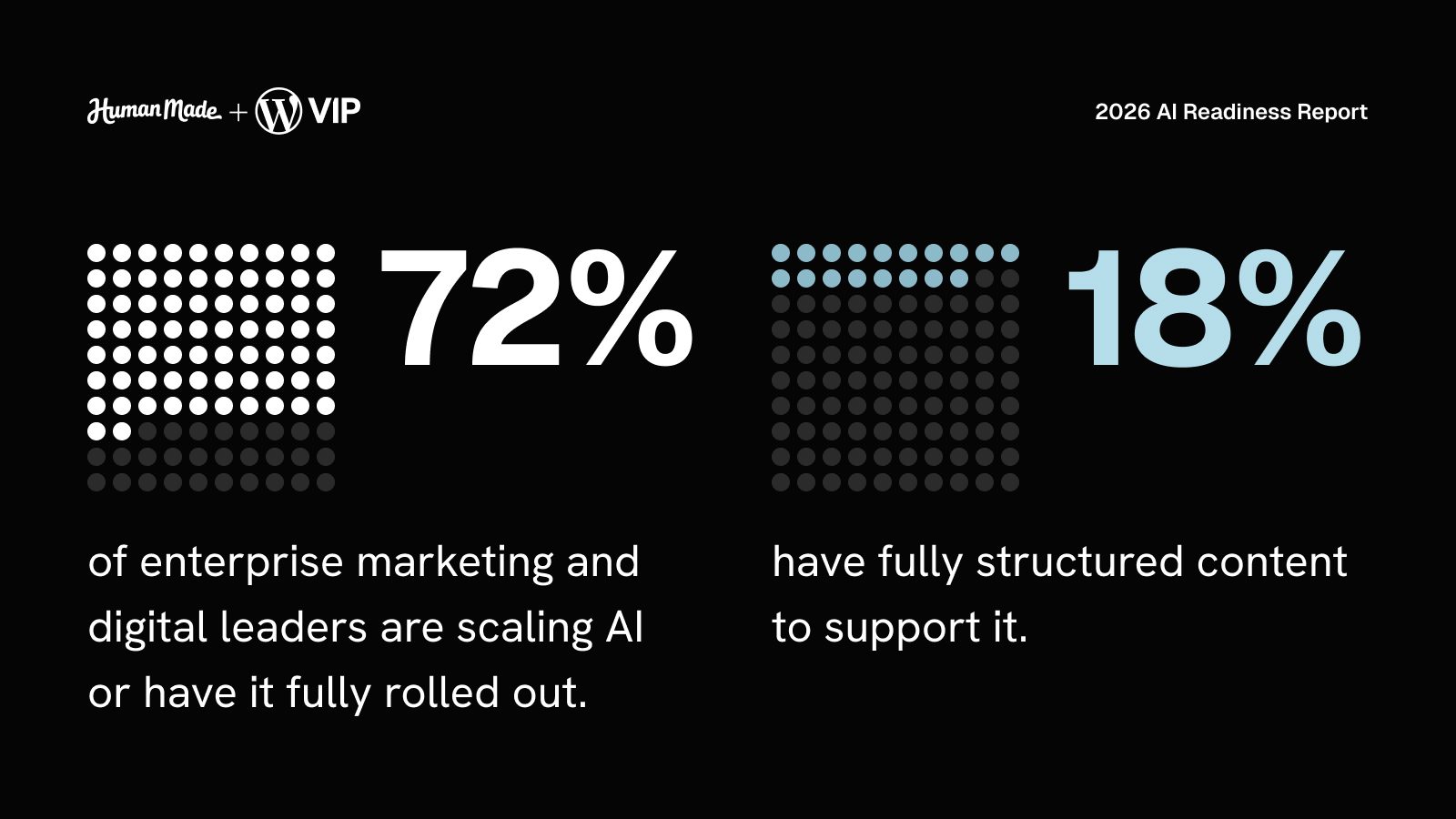
A year ago, most enterprise marketing teams believed in AI but were still piloting it. Since then, full rollout has more than doubled, from 9% to 21%, and teams say AI is making them faster.
The groundwork has moved much less. Content structure, platforms and measurement look much as they did last year, and only 12% of teams can clearly show what AI is doing for the business. Our new report, produced in collaboration with WordPress VIP, looks at where readiness breaks down and what the teams with stronger foundations are doing differently.
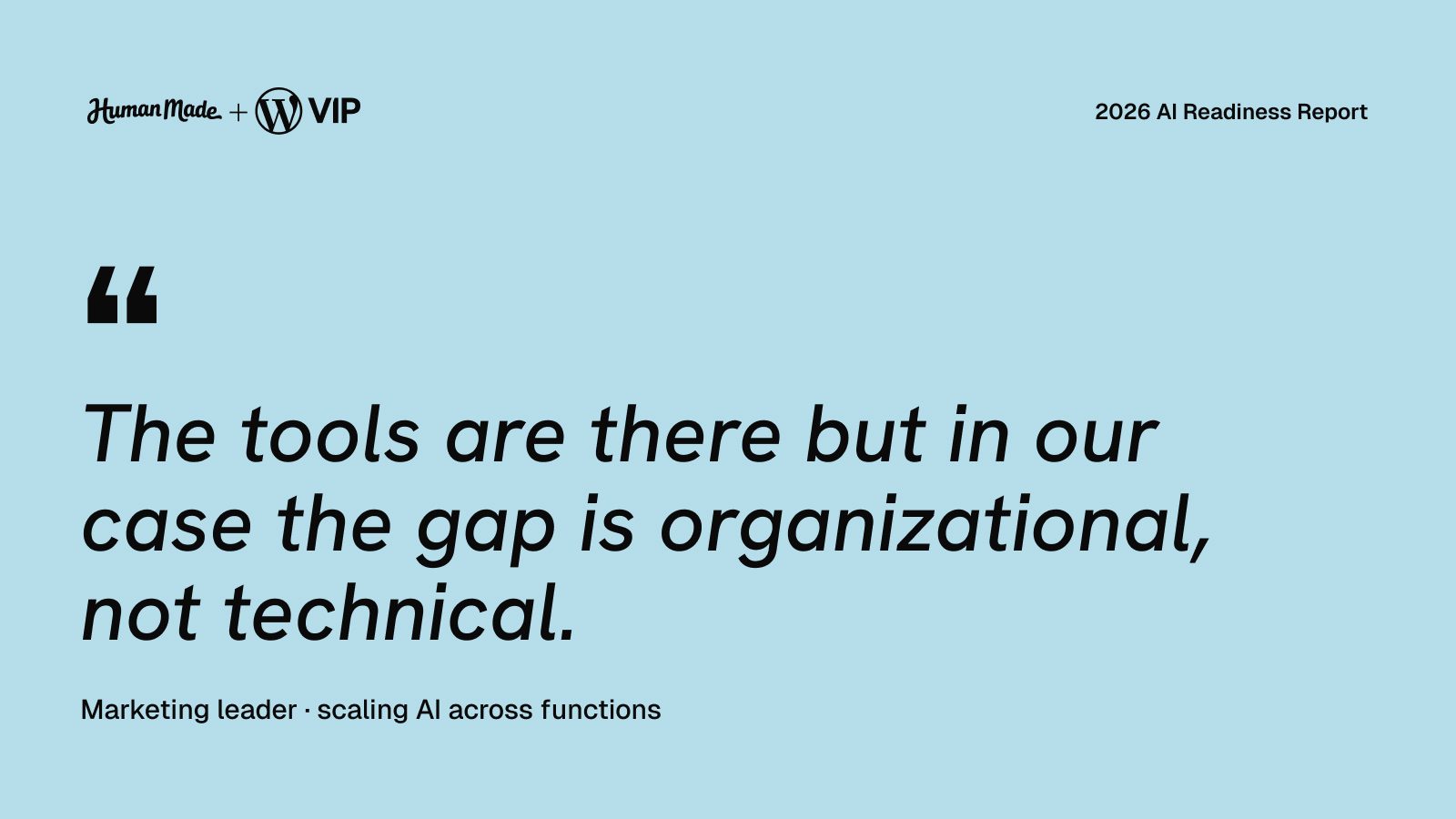
As one marketing leader told us, “The tools are there but in our case the gap is organizational, not technical.” The wider data supports this.
Only 19% of teams have standardised AI across major processes, and training has often lagged behind the push to adopt it. The report sets out five moves to make next, one for each dimension of readiness, plus a two-minute worksheet to see where your organisation stands.
Is WordPress secure enough for enterprise? We hear that question a lot, and the short answer is yes.
The longer answer depends on how your organisation runs its platform, and that’s what this issue is about.
Most security problems we see in enterprise audits start with everyday decisions, like who gets access or which tools get connected. This month’s articles look at how to keep those decisions in check, from governing AI tools to choosing a CMS.
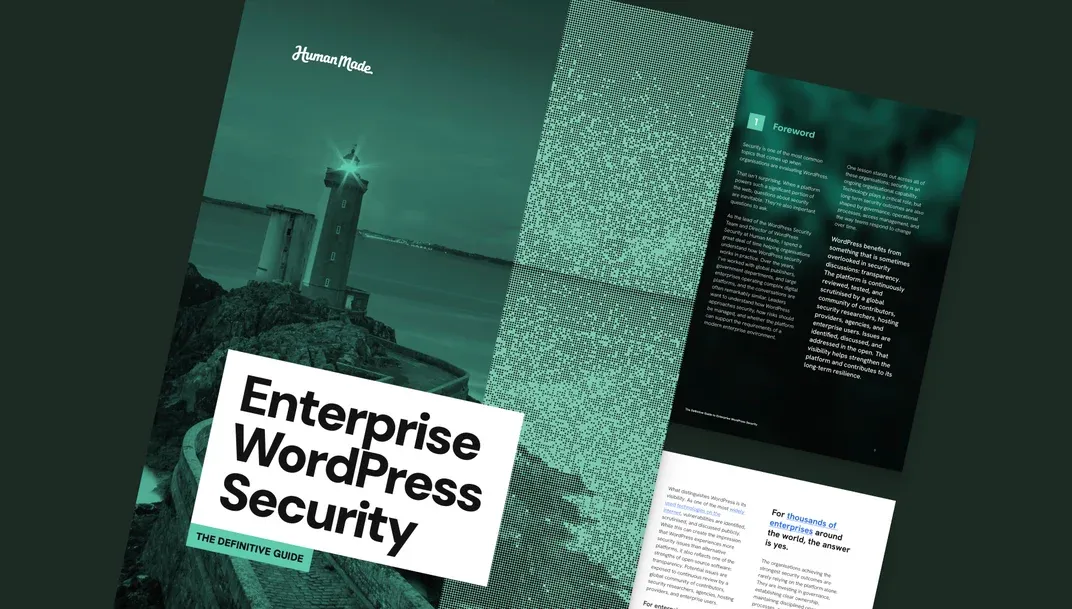
Preparing for a compliance review, or taking a harder look at a platform you already run? This guide gives you a place to start.
It explains which security myths are worth dropping and where operational gaps tend to open up over time. It’s written for teams who need to make the case for change, and built to use in audits and leadership briefings.
AI usually arrives on a site through small, separate decisions, like an editor trying a new writing assistant or a developer connecting a model to the codebase. Before long, nobody has a full list of what’s running.
This article sets out seven steps to get them back under control, from sorting each tool by risk to making sure a person still signs off on what AI produces.
Marketing picks its own tools and procurement signs agency contracts, usually without IT in the room.
Across a large estate, that’s how standards drift until one site uses single sign-on and another runs on shared passwords. We explain how a central baseline keeps every team consistent without forcing them into one workflow.
WordPress is one of the most widely used technologies on the web, so its vulnerabilities get discussed in public. From the outside, that openness can look like risk.
We look at how serious fixes reach hosts before they’re announced, and the questions worth asking any CMS vendor about security.
Moving fast has never been easier. But moving fast and getting it right is a different story.
This month, we’re looking at what it takes to do both: the habits, safeguards and quiet checks that keep speed from turning into risk. We cover how AI fits into real delivery work, why the best teams still pause before they sign off, and the four things worth weighing up when choosing an enterprise WordPress agency. We also lift the lid on how a WordPress security release works, a process where getting it right matters just as much as getting it out.
How WordPress Agencies Use AI: Where AI genuinely saves time, where it has no business making decisions, and the questions that reveal how carefully it’s being used. 🤖
Why Critical Thinking Matters in Agencies: It’s never been easier to mistake a confident answer for a correct one. Here’s why good judgement matters even more with AI in the mix. 🧠
How a WordPress Security Release Actually Happens, From Report to Patch 🔐
For most site owners, a security fix begins and ends with a dashboard notification. But by the time it appears, a lot of work has already happened behind the scenes.
Join us as we walk through what happens in a WordPress security release, from the first report, all the way to the patch.
Plus what this means for enterprise teams who need their own layer of control on top.
Almost every WordPress agency uses AI somewhere in its workflow. But it’s important to understand where it’s used, how carefully, and what still needs a person to sign off.
We’ve looked at where AI genuinely earns its place in agency work, from QA and content migration to documentation, and where it has no business making decisions on its own, like architecture, compliance and strategy.
The best use of AI is usually the least glamorous. Ask an agency where AI saves it time. A good one can answer quickly and specifically.
Templates, automation and AI drafts shape everyday decisions more than ever. That speed is useful, but it comes with a catch: a confident answer and a correct one can be hard to tell apart.
This article explores what critical thinking looks like in day-to-day agency work and how cognitive bias quietly steers decisions.
We also reflect on how we think about good judgement at Human Made, and why we try to protect it.
How to Evaluate an Enterprise WordPress Agency: The Four Pillars 🏛️
A platform that looks great at launch can still become hard to scale, govern or maintain later down the line. And yet, the things that prevent that rarely come up in a portfolio.
This piece breaks down the four pillars that matter most when choosing an agency partner: technical capability, delivery maturity, security and governance, and strategic alignment.
The key is looking carefully at all four together. A strength in one area can easily overshadow a weakness in another.
The agentic future keeps inheriting hand-me-downs from the past.
WP-CLI gives agents commands that behave the same way every time, and Query Monitor shows them exactly how a page was built.
Then there are relics only now coming to light, like post revisions. For years they bloated databases with endless copies of every edit, so plenty of sites trimmed them (cheaper hosts often cap them, while enterprise hosts keep everything). But in our opinion, that fluffy extra storage is about to become a lot more valuable.
Every revision records what changed, who changed it, and when. Together they form a log of how your organisation behaves on WordPress, and mining a log like that for patterns is what enterprises call process mining. If you’re lucky, you’ve been keeping yours since revisions arrived in 2008.
Compare each version with the one before and you can see whether edits were content or design, and where your editorial hours really went. There are gaps, because custom fields aren’t revisioned by default and WooCommerce products have no history at all, but it’s a strong starting point.
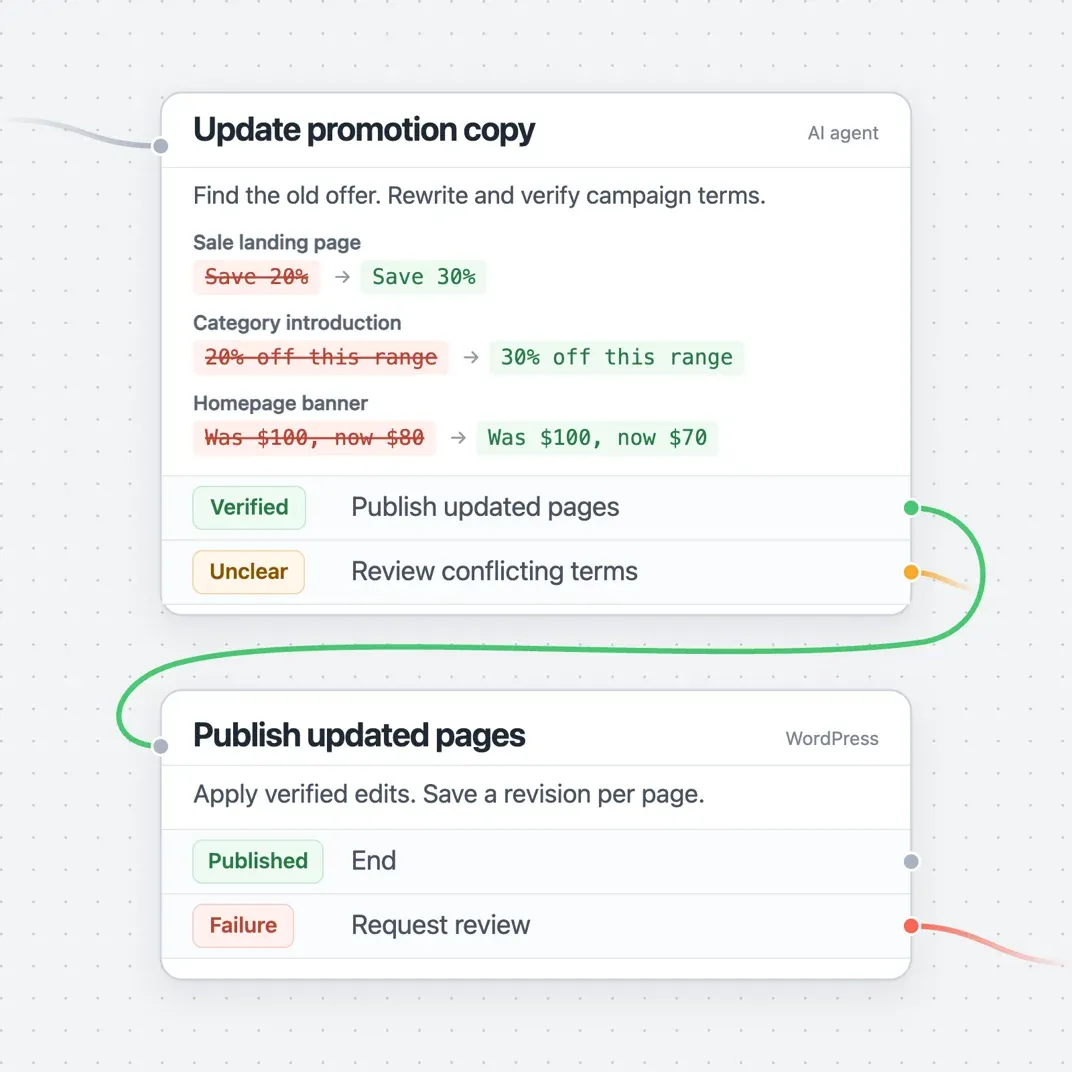
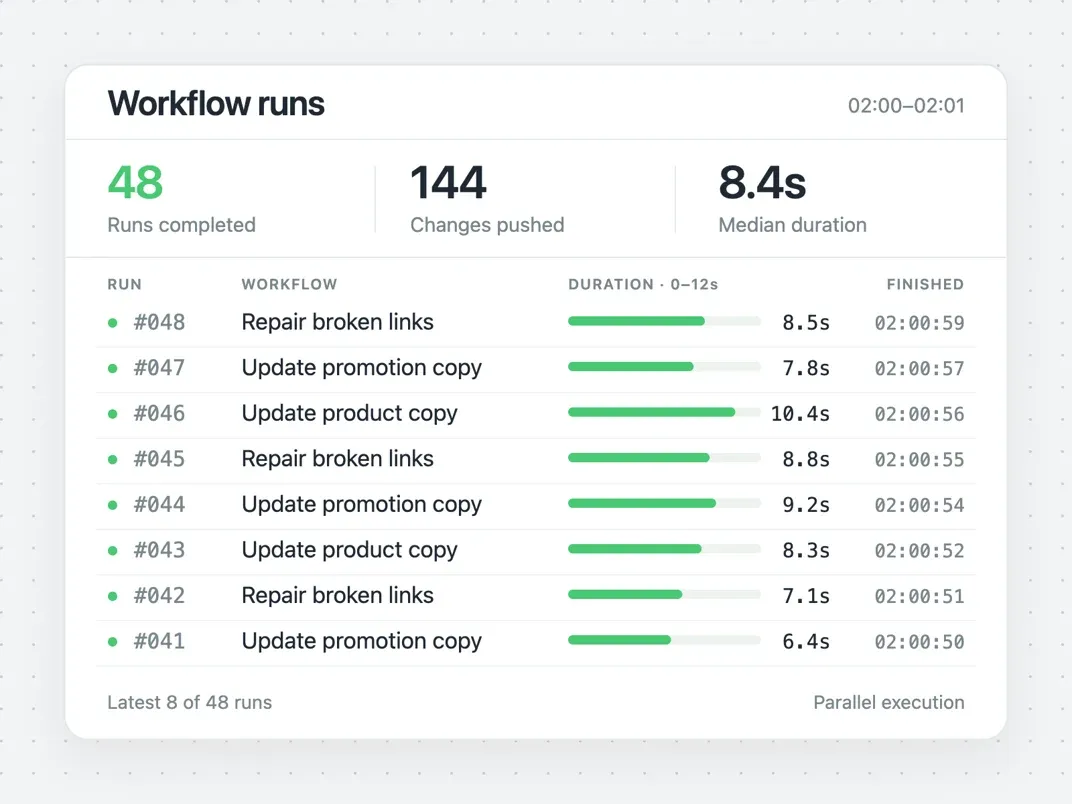
Whether you know it or not, you’ve been running manual workflows all along. Most are blurry, some are very specific, and a few are experiments.
Those can become agentic workflows, with simple scripts for the repeatable parts and AI judgement for the decisions, all modelled on how your team already works.
We’re testing this at Human Made, and the early results suggest the past and the agentic future are a promising match.
Curious what yours hold? Ask Claude or Codex to run this on a copy of your database (never production):
>_ PROMPT
Using read-only queries and scripts on this database copy, turn my post revisions into agent workflows.

Clean: revisions only, no autosaves, system accounts or no-op saves. Last one to two years, not the build or a migration.

Classify: diff each revision against the previous one and label the change: dates, numbers, links, images, sections added or removed, layout, or copy.

Group: find the same change repeated across many pages (a year rolled forward, a link swapped, a block setting changed). Each is a process, even across weeks and editors.

Deliver the top five: name, share of edits, owner, trigger and cadence, steps in order, source of new values, mechanical versus judgement steps, and a draft workflow.

Close with your blind spots: history depth, and content types with no revisions.
The exciting part isn’t doing the same work faster. It’s moving your team up to higher-value work, and finding the tasks and market edges nobody had time to look for. The old pain points go with it (and yes, we’ll find new ones; we always do). For any large WordPress site, pairing process mining with structured workflows is one of the easiest wins available right now.
How are you solving workflows? If you’d like to try our open-source agentic workflows tool when it’s released, just give us a shout.
For larger companies, this decision matters. You’ll go through procurement, approvals, and more. Yet it probably matters less than people think. Each frontier model has its edge, but that edge comes and goes.
After the billions of tokens I’ve run through, here’s my honest take: you’re fine with whatever you have.
Here’s why…
In 2009, a team published results from a surgical safety study across eight hospitals and 7,688 patients. Complications fell from 11% to 7%, deaths from 1.5% to 0.8%, with only one change. The surgeons who left on Friday were the same ones who came back on Monday. A simple checklist made difficult tasks more predictable.
You can always find capability, but reliability is something you build. In agentic work, the equivalent of a checklist is the harness: the engineering around the model that answers four questions. What the agent can see. What it can touch. What it can run. What it has to prove before a change is accepted. The model provides judgement. Everything else, the code, tests, and content, is what you put in place.
The case for a harness has real backing too. A few months back, IBM and Oxford Economics surveyed 2,000 executives across 33 countries. Two thirds of CIOs and CTOs are accountable for AI systems they don’t fully control. Those who built control into the system, rather than simply buying add-ons, ran 25% fewer incidents and deployed 16 times more agents. You’d expect the tightest controls to slow things down. Instead, the opposite happened.
Coming back to my opening question: the model is a commodity. The real moat is the harness.
WordPress is an exceptional harness candidate because it’s structured and documented enough to orchestrate genuinely predictable outcomes. Our open-source package, Block Runner, is one example teams are already using. It takes most inputs (HTML, design files, etc.) and turns them into valid native WordPress blocks, speeding up the design-to-website pipeline.
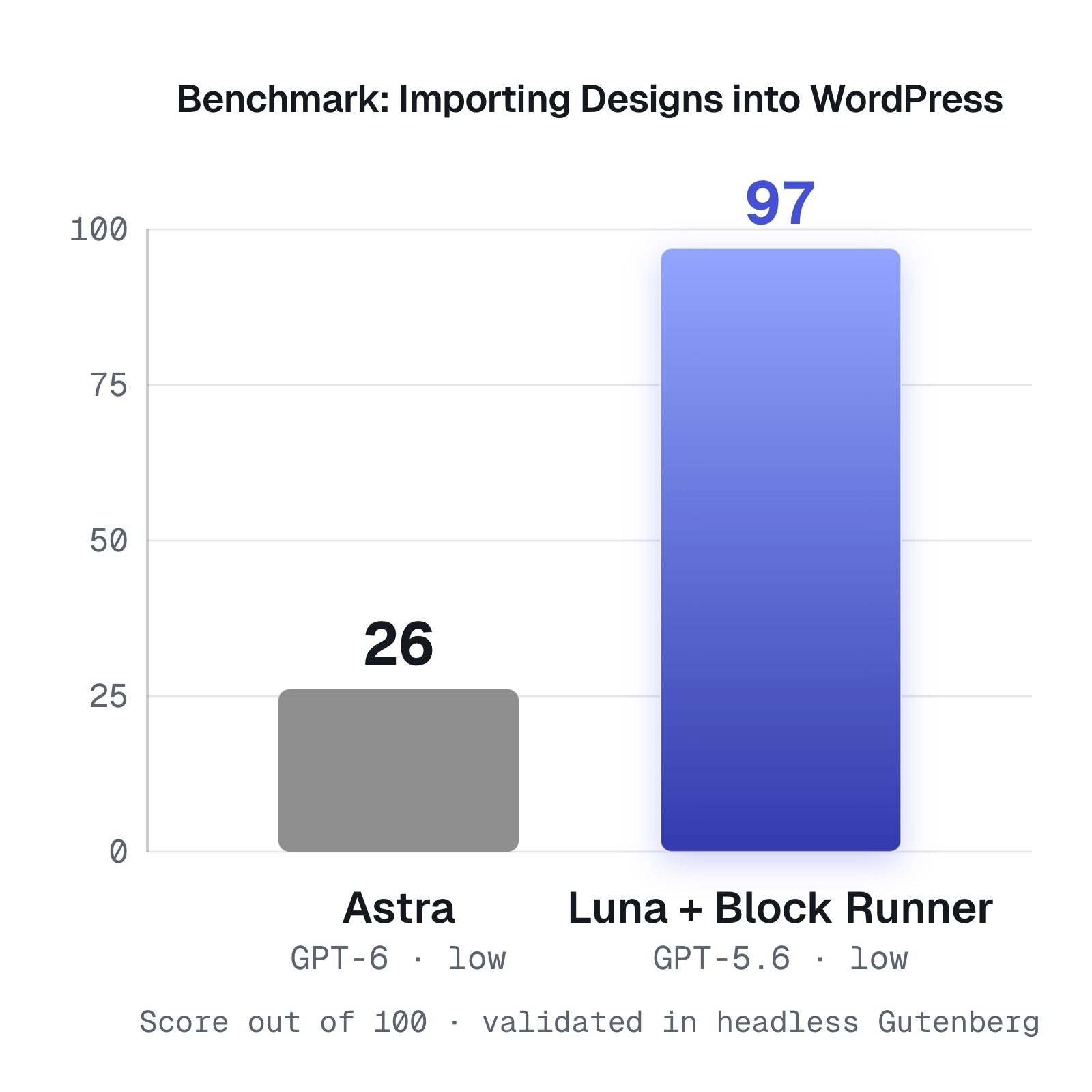
We tested this by prompting an agent to import designs into valid blocks. With OpenAI’s latest frontier model, Astra, it scored just 26 unassisted. With Luna, a much cheaper model, but with Block Runner attached, it scored 97.
What you can do this week:
Take an AI workflow you run repeatedly, on WordPress or elsewhere.
Put a single check in front of the output. A test, schema, parser, or a human in the loop. Something that can reject the result with a reason.
Run the same workflow on a much cheaper model. If it still holds up, you’re building a harness. Congratulations.
Don’t make the mistake of feeding the model more domain knowledge and hoping predictability follows. Knowledge in a prompt is advice, and the model is free to ignore it. The same knowledge written as a check that can fail the job is a binding contract, which is why a newer model release doesn’t undo the work you’ve put in.
Build the harness for WordPress and beyond, and you’ll get a higher rate of productivity downstream. It’s not something your competitors can just buy off the shelf.
Every enterprise WordPress project starts the same way: a strong pitch, a polished proposal, a shortlist of client logos everyone recognises. It’s what happens after the contract is signed that separates the agencies who deliver from the ones who just present well.
This month, we’re digging into procurement — the questions that actually reveal an agency’s competence, the hidden costs of getting the choice wrong, and a brand new guide to help you evaluate with confidence.
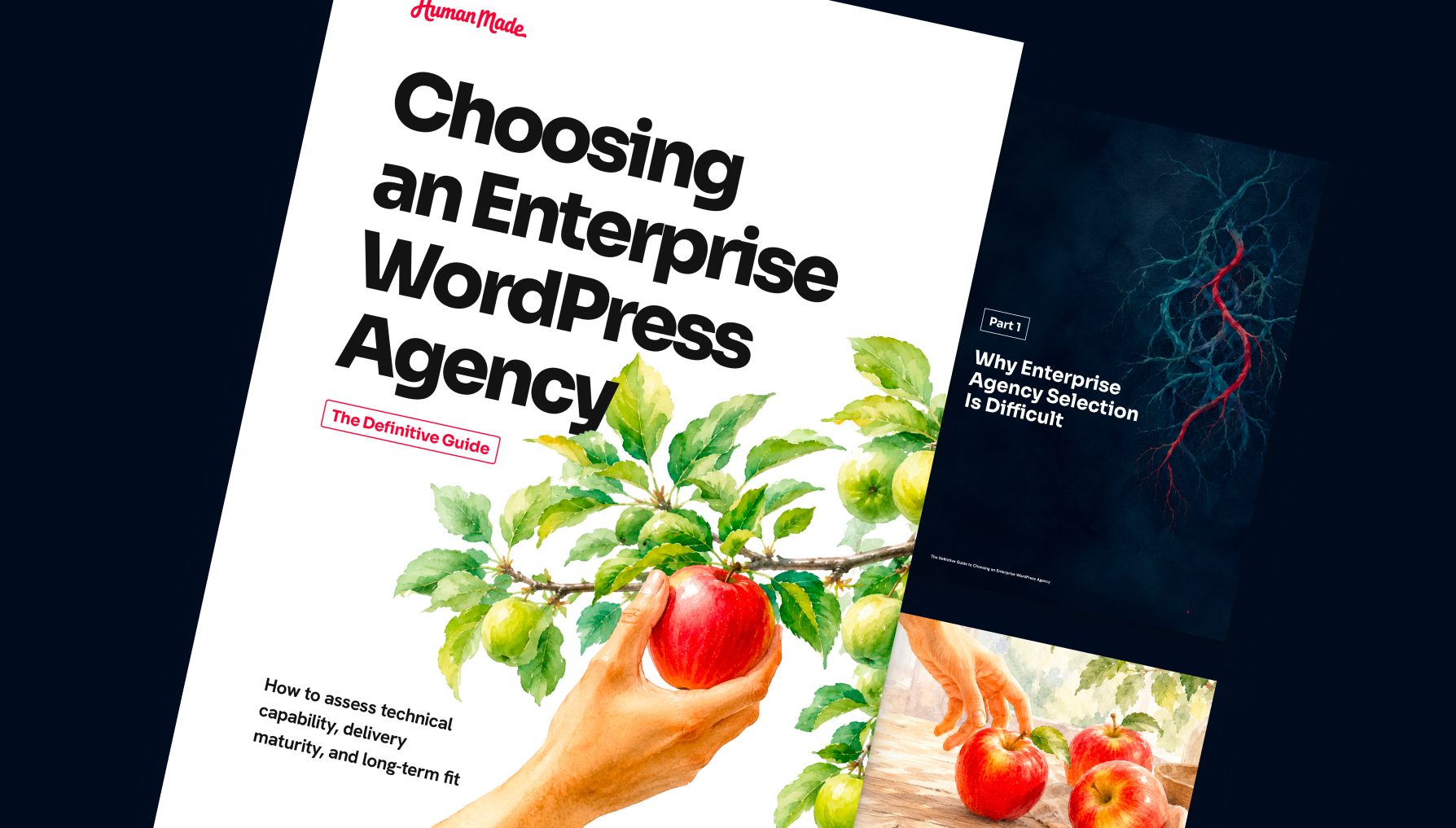
The Definitive Guide to Choosing an Enterprise WordPress Agency 📖
Most enterprise WordPress agencies look nearly identical on paper. Polished case studies. A tidy service list. A logo wall full of names you recognise.
What’s much harder to fake is a confident, specific answer to an unexpected question — and that’s exactly where this guide comes in.
We’ve pulled together everything we’ve learned from years of enterprise WordPress delivery into one practical framework, covering:
Why the real risk in agency selection is invisible at pitch stage, and where to actually look
The difference between technical capability, delivery maturity, and genuine long-term fit
How to evaluate whether an agency is actually AI-ready, not just AI-aware
A ready-to-use evaluation scorecard, so you can score agencies on evidence instead of confidence
Whether you’re running a formal RFP or just trying to sanity-check a shortlist, this guide gives you a structured way to see past the pitch and evaluate what actually matters: whether an agency has lived through the problem you’re hiring them to solve.
Questions to Ask When Choosing a WordPress Agency 🔍
A great pitch and a great delivery aren’t the same thing. And the gap between them usually doesn’t show up until you’re months into a project — by which point switching costs time, money, and momentum.
We’ve broken down the exact questions that separate agencies who’ve genuinely solved these problems before from those who are guessing: on technical capability, governance, and long-term support.
Weak answers stay vague. Strong ones come with trade-offs and real examples.
The True Cost of Choosing the Wrong Enterprise WordPress Agency 💸
The wrong agency rarely looks like a mistake at the time.
It looks like a great pitch — right up until the problems surface, months into delivery.
This piece breaks down what that cost actually looks like: not just the invoice, but the slowed roadmaps, the technical debt, and the operational drag that builds quietly until it can’t be ignored.
AI has a habit of making existing problems impossible to ignore.
Platforms that once felt flexible suddenly look rigid. Procurement processes that worked five years ago start asking the wrong questions. Cost models change. Governance changes. Even the definition of what a CMS should do is shifting beneath our feet.
This month, we’re exploring what that means for enterprise WordPress. There’s a brand new playbook, a deep dive into why WordPress is uniquely positioned for the AI era, and a look at the procurement and platform decisions that will matter long after today’s AI headlines have faded.
Let’s go!
What’s inside this issue 📚
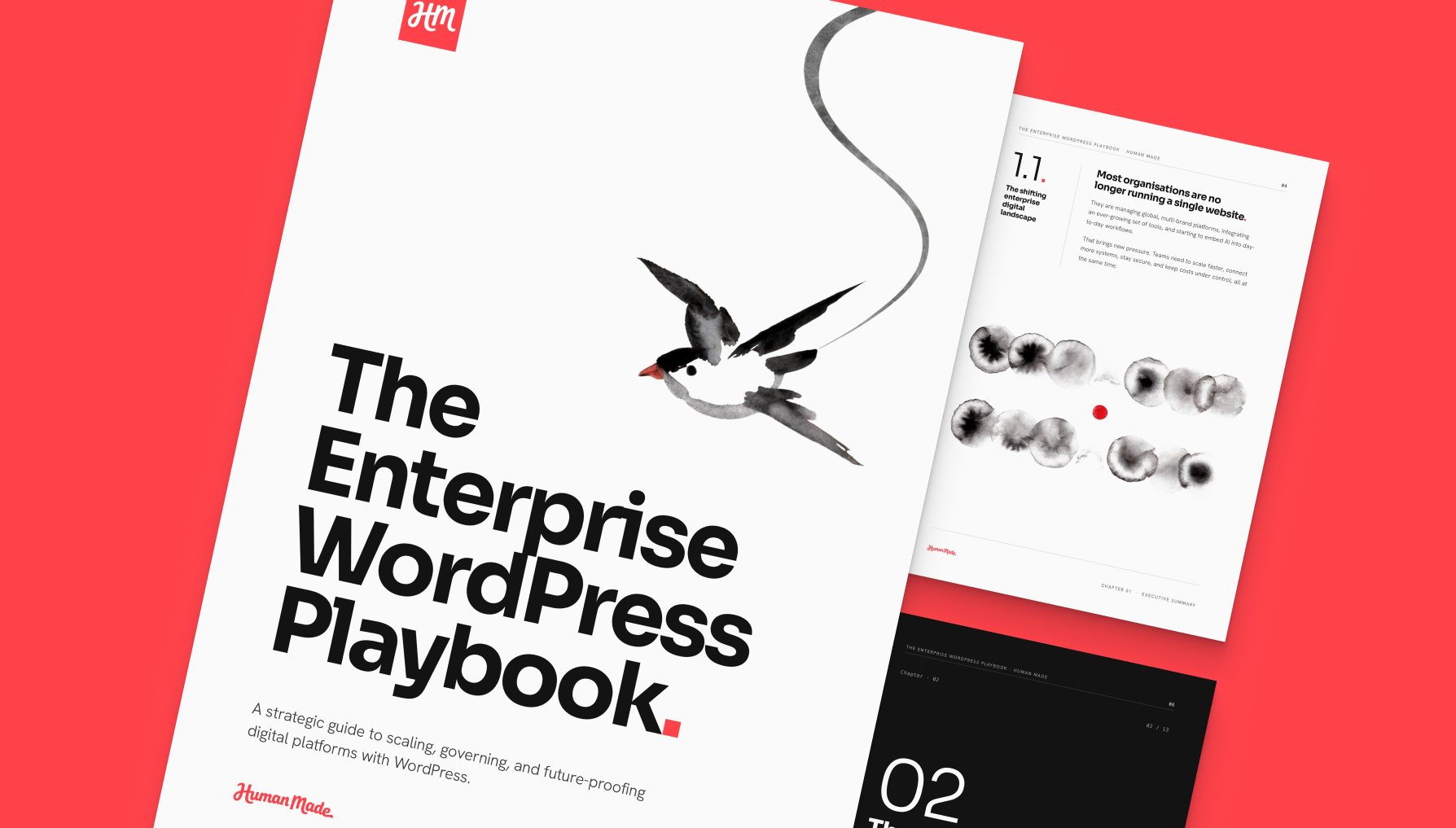
The Enterprise WordPress Playbook: The definitive guide to scaling WordPress for the AI era has officially landed. Go on, take a peek. 📖
Consider this your cheat code for the next CMS strategy meeting.
We’ve distilled years of enterprise WordPress experience into one practical guide, covering the questions organisations are asking right now:
– How do you prepare for AI?
– What actually drives platform costs?
– How do you scale without creating chaos?
– And why are so many enterprises rediscovering WordPress?
Whether you’re choosing a new CMS, untangling a sprawling digital estate, or wondering if your current platform is fit for what’s coming next, this playbook has your back. It’s opinionated, practical, and refreshingly free of vendor fluff.
WordPress Security and AI: The Attack Surface Is Expanding 🔐
AI is opening up exciting new possibilities. It’s also creating new ways for things to go wrong.
Every AI integration introduces another connection to manage, another permission to govern, and another potential point of failure. As organisations experiment with AI across publishing, marketing, and operations, the attack surface grows with them.
The good news? This isn’t a WordPress problem. It’s an enterprise reality. The organisations that stay secure won’t be the ones avoiding AI. They’ll be the ones putting the right governance, processes, and architecture in place from day one.
Why Enterprise WordPress Is Built for the AI Era 🤖
AI has entered the chat.
The question is whether your CMS is ready for it.
The platforms that thrive over the next few years won’t just bolt AI onto existing workflows. They’ll make it easy to integrate new models, automate repetitive tasks, connect with emerging tools, and evolve as the technology inevitably changes.
That’s exactly where WordPress shines. Open, extensible, and backed by a huge ecosystem, it’s uniquely placed to help enterprise teams experiment, adapt, and move at AI speed, without waiting for a vendor’s next roadmap update.
Enterprise CMS Costs: What Total Cost of Ownership Really Means 💰
Spoiler alert: your licence fee is only the opening act.
The biggest costs of an enterprise CMS rarely show up on the procurement spreadsheet. They’re hidden in expensive integrations, inflexible architectures, mounting technical debt, and the engineering hours needed just to keep everything ticking over.
Dive in to explore why more organisations are looking beyond the sticker price and evaluating platforms based on their long-term value. Your finance team might even thank you.
Why Enterprise WordPress RFPs Often Miss What Matters 📝
Here’s a controversial take: the longer your RFP, the less likely it is to answer the questions that actually matter.
Feature checklists and lengthy requirements documents can make procurement feel thorough, but they rarely reveal how a platform will perform once it’s supporting multiple teams, markets, integrations, and years of change. That’s where the real challenges begin.
If you’re evaluating enterprise platforms, this is a fresh perspective on the questions worth asking before you sign on the dotted line.
Pride at Human Made: What We Did and Why It Matters 🌈
Pride Month may be over, but building an inclusive workplace isn’t something you squeeze into a few weeks each year.
From fundraising and learning sessions to community initiatives led by our brilliant Inclusivity Team, June was a chance to celebrate, reflect, and keep pushing for meaningful progress. It’s a reminder that the best teams are built by creating an environment where everyone can thrive, every day of the year.
A huge thank you to our Senior People Ops Manager Hannah Terrill, our Inclusivity Team, and everyone who helped make this year’s initiatives happen. ❤️
In 1985, Microsoft shipped Goal Seek in Excel. A few years later came Solver and Monte Carlo simulations. Instead of guessing outcomes, you could define success and let the software search for the variables that produced it.
I remember using these tools during my years in banking, often grinding the CPU to a halt. Solver, VBA, lookups and pivot tables gave ordinary users enormous leverage. At one point I automated almost my entire predecessor’s role into a handful of workflows that took 25 minutes a day to run.
The more I use Claude Autoresearch, Codex’s /goal functionality and similar optimisation frameworks, the more they remind me of Solver. The interface has changed, but the principle hasn’t: define success, explore possibilities, and let the machine discover what works.
We didn’t call it AI then. Yet here we are again.
Rather than talk about it abstractly, let’s use a real example.
Example: Perfecting Content at HM.com
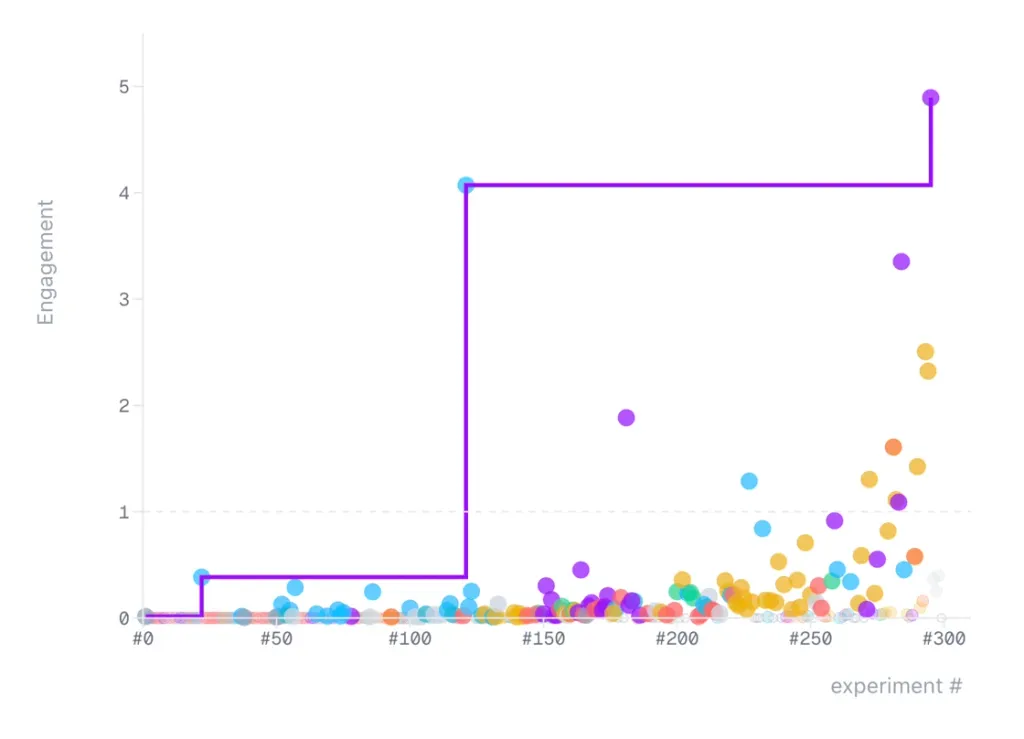
I recently ran an Autoresearch optimisation exercise across Human Made’s content archive. After more than 300 experiments, it consistently converged on the same combination of variables:
Headlines that take a clear position.
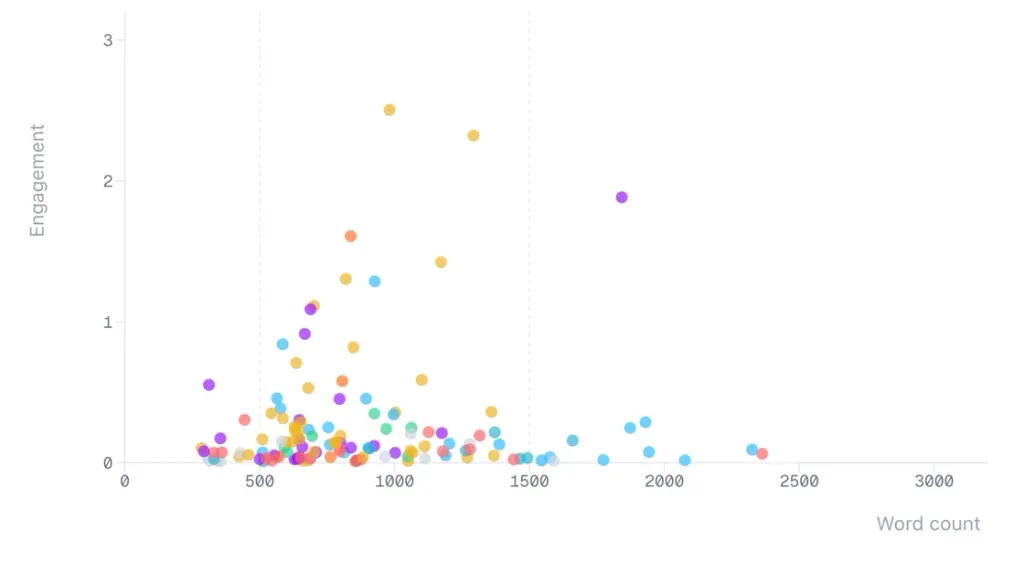
Articles between roughly 800-1,000 words.
Content published in the AI & Future category.
This combination produced the highest simulated engagement score across years of historical content.
While the result itself is interesting, it’s also worth noting how quickly it was possible to discover. It took me 37 minutes from start to finish to get a full visual report.
To run the experiment, I combined three sources of data:
Content (WordPress export/REST API)
Analytics (GA, Posthog, etc.)
Claude/Codex (using /goal, autoresearch or other looping optimisation tools).
Everything was merged into a single dataset containing content, metadata and performance metrics. From there, Autoresearch ran hundreds of experiments, continuously adjusting variables such as topic cluster, headline format, category and word count in pursuit of one objective: maximising engagement.
Other insights that shook out of this analysis:
The top posts share one thing:they answer a question someone was already asking. The #1 post took a clear position on something that has multiple takes. The #2 all-time post solved a specific, painful admin UI problem. No post in the top 10 is vague, all of them snipe into a defined subject with tactical instructions or advice.
2023 was the highest-output year -> 44 posts, but also had the worst average engagement of any year with real volume (0.13). 2026 has 11 posts and a 1.83 average (over 10x vs 2023). The data doesn’t suggest publishing more. It suggests picking winning ideas when you have them.
AI & Future posts average 2.3× the engagement of everything else combined. Beyond the “hype”, it’s really what the audience is clicking on, reading, and spending time with.
As you can see, you can uncover and drive evidence-backed optimisations. Given the speed and ease-of-use, that’s incredibly powerful. This goal-directed research loop is, in many ways, yesterday’s Solver (but for content teams today, albeit 30 years later).
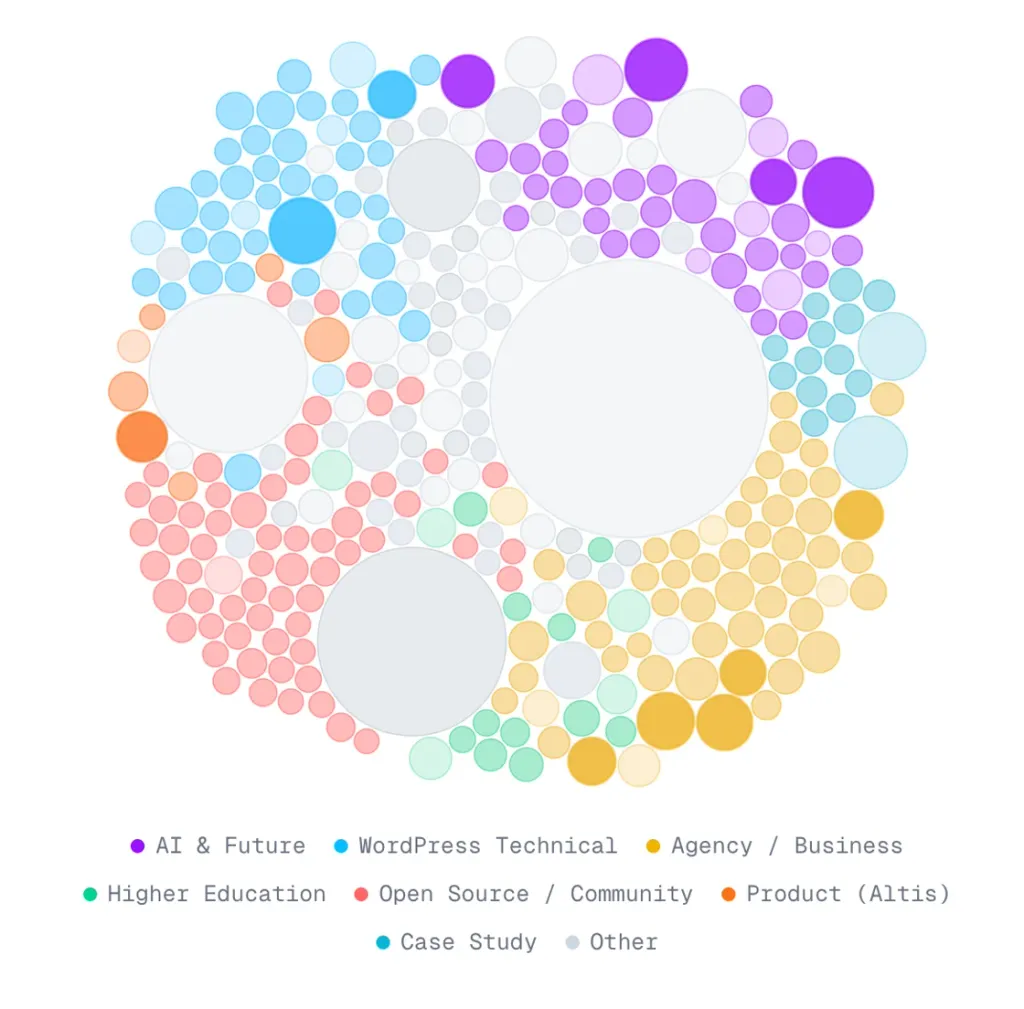
Another insightful chart: The data landscape feeding into Autoresearch can also be seen as weights, taxonomies, strengths, etc. Here we see how some pages such as “Home” or “Career” need to be excluded from training data, as things such as target audience and purpose will vastly skew the data. Thus, we really only ran the backtesting on eligible content:
Word count was one of the Autoresearch variables, and had a decent impact. It doesn’t move the objective function as much as topic cluster, headline format and others, but still worth tracking. The below shows engagement vs word count.
From here on out, you can use multiple other sources from search/SEO data sources, product analytics, and other variables. The opportunities are endless, especially once you mix in financial attribution/touchpoints.
Turns out we’re once again at an inflection point, that same feeling Excel gave us when it magically automated a huge parcel of work from one day to the next. We don’t need expensive BI tools or long integration projects to drive high-leverage plays on a day-to-day basis. We can do everything from our own computers with existing tools, and within minutes once automated.
I’ll be at WordCamp Europe this week in Kraków, and hosting an AI-focused webinar online next week. Grab me for a chat or get in touch if you’re experimenting with anything similar.
Most websites have a launch moment. Very few have a second act.
A new site goes live, everyone celebrates, and then it slowly becomes a digital museum. The homepage stays the same. The hero message gets stale. The CTA keeps asking the same question, even when the business has moved on.
Not because teams don’t care, but because the work after launch is harder to organise. It is hard to know what to change, what to measure, who owns it, and whether it made anything better. So we do what we can. We make updates when something feels wrong. We change copy when someone complains. We redesign when the numbers dip.
That’s not a strategy. It’s survival.
The alternative is a website that behaves more like a product. A living system. One that improves in small increments, with evidence, and with a cadence your team can actually sustain.
That is the thinking behind Accelerate. It’s not about doing more tests for the sake of it. Rather, it makes iteration a normal part of WordPress publishing, so you can move from opinion to insight without adding a new platform, workflows, or performance headaches.
My conversation with the ever-brilliant Roger Williams from Kinsta is a wide ranging look at what comes next for websites that want to grow, not just exist. If you’ve ever shipped something you were proud of and then wondered what it really did, this is for you.
Ultimately, the takeaway is that good website is a feedback loop, not a finished artifact.
When you have that loop, the work changes. You stop debating what people might want and start learning what they actually do. You stop treating your website like a brochure and start treating it like a performance engine.
It also changes the relationship between teams. Marketing doesn’t have to wait for quarterly redesigns to make an improvement. Product doesn’t have to guess which message lands. Agencies stop selling “keep the lights on” retainers and start partnering on growth. Everyone gets to point at the same evidence and say, “That worked. Let’s do more of it.”
Accelerate is built for that reality. WordPress native. Block level. Designed to be fast, simple, and practical to run in the real world.
If you’re ready to turn your WordPress site into something you can continuously improve, you can start today.
Try Accelerate. Start small. Pick one high impact block, run a real experiment, and let the data tell you what to do next.
If you want help building an experimentation programme around Accelerate, we can help with that too. Get in touch.

 Login