❌

Reading view

There are new articles available, click to refresh the page.

The data is very preliminary, but Vulcan failure may not be due to BE-4 engines

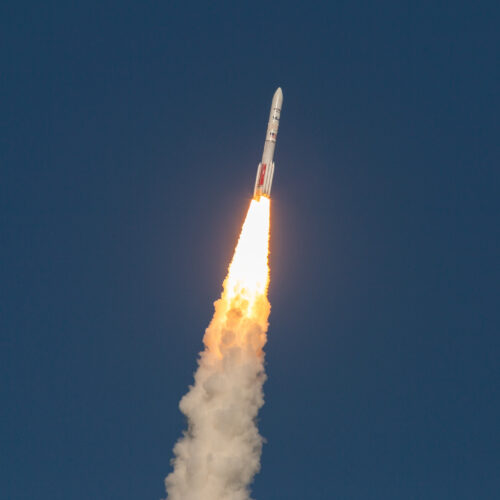
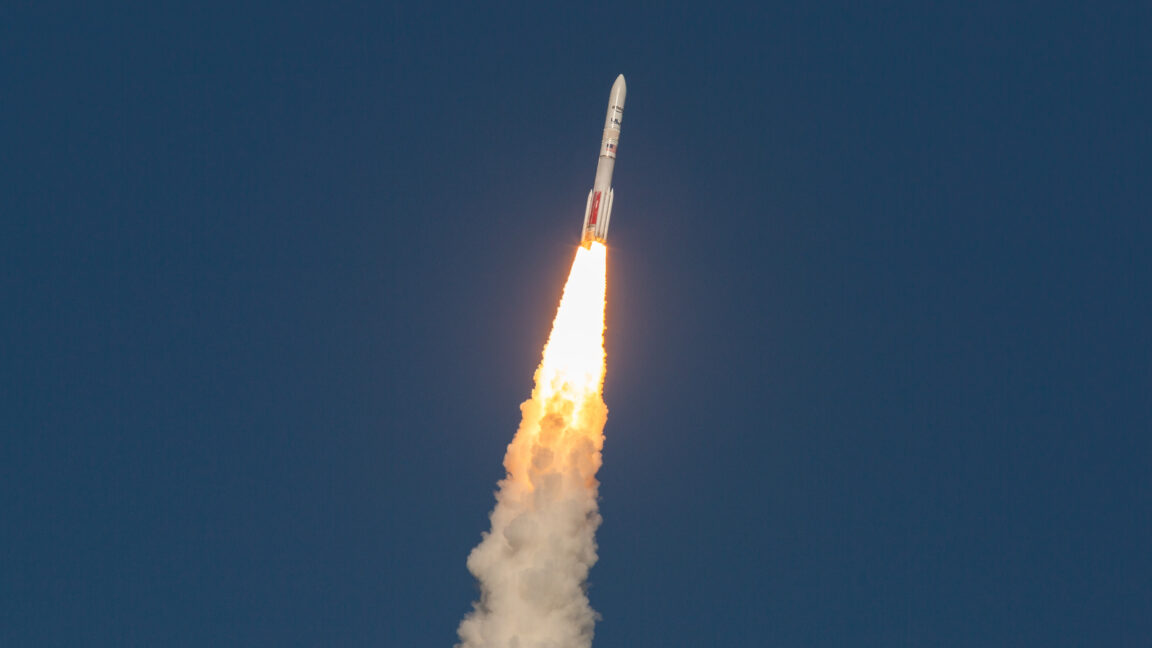
United Launch Alliance (ULA) confirmed Tuesday morning that its return-to-flight launch of the Vulcan rocket began failing during the initial stages of the mission.

"While we appear to have lost telemetry and the mission at approximately 10 minutes into flight, early indications are that just after liftoff, the launch vehicle experienced low booster performance, resulting in stage separation occurring when the vehicle was low in altitude and below minimal velocity to reach orbit," the company said.

The launch company also confirmed reporting by Ars that the Centaur V upper stage and the solid rocket boosters performed nominally during the flight.
Read full article

Comments

Β© Manuel Mazzanti/NurPhoto via Getty Images
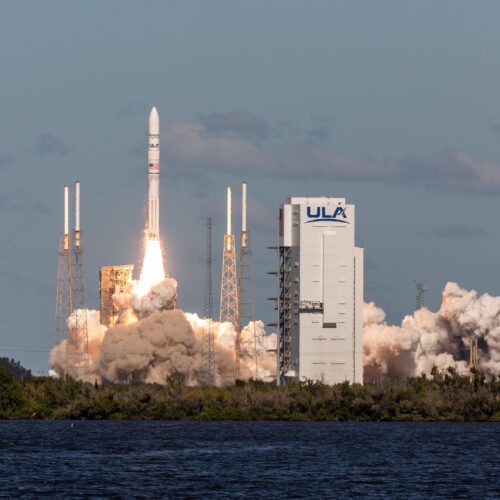
Vulcan rocket fails during launch, dealing major blow to SpaceX competitors

United Launch Alliance's Vulcan rocket and 40 Amazon Leo broadband satellites fell back to Earth minutes after liftoff Sunday, a crushing setback that will ripple across all sectors of the US space industry.

The Vulcan rocket is on contract to launch roughly half of the US military's national security space missions in the next few years, and Sunday's mission was the first of 38 Vulcan launches booked by Amazon to build out its network of broadband Internet satellites aimed at competing with SpaceX's Starlink. Sunday's failure is expected to ground the rocket for an indefinite period of time.

Vulcan is no stranger to close calls, having overcome failures with its strap-on solid rocket boosters on two of its four previous flights. In each case, the rocket corrected for those problems and continued into orbit to deploy its payloads. The incidents triggered monthslong reviews and investigations before ULA could resume Vulcan flights.

Read full article

Comments

Β© Manuel Mazzanti/NurPhoto via Getty Images
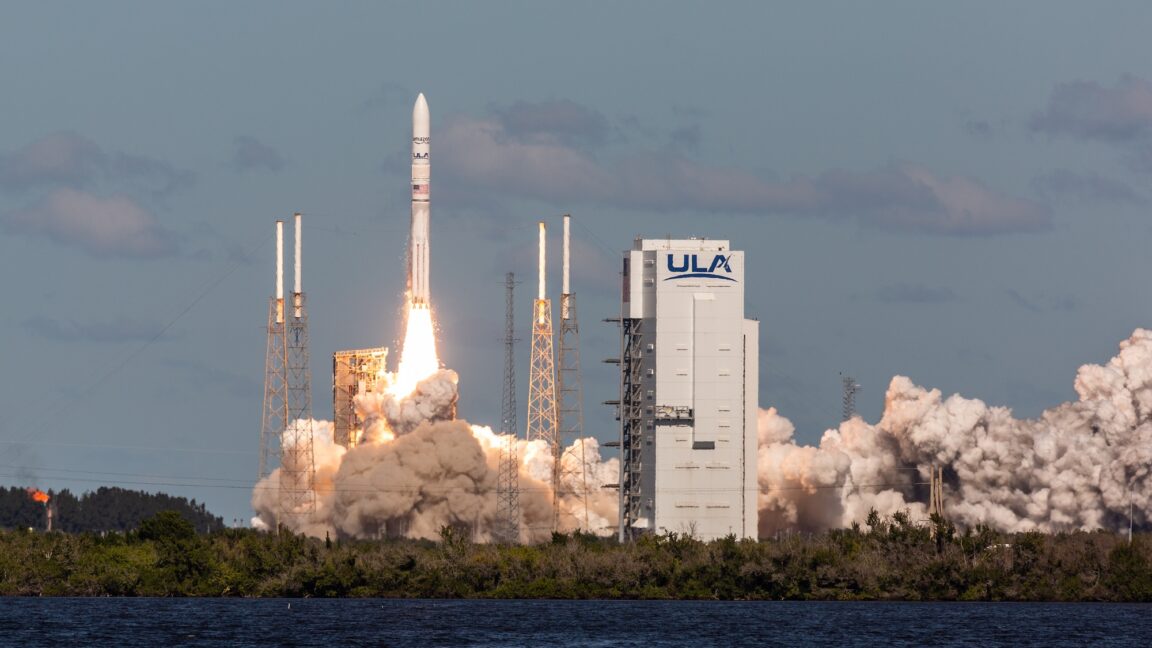
ULA's Vulcan rocket is set to return to flight on Friday the 13th

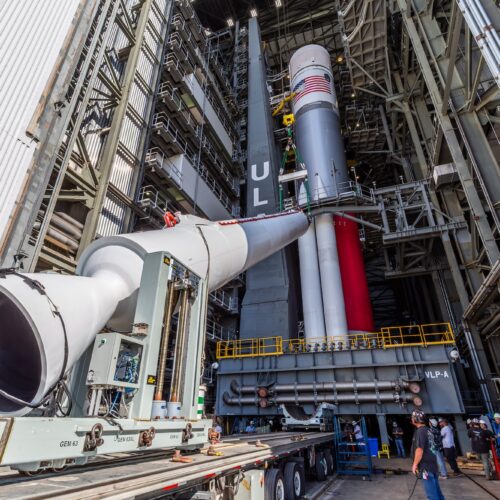
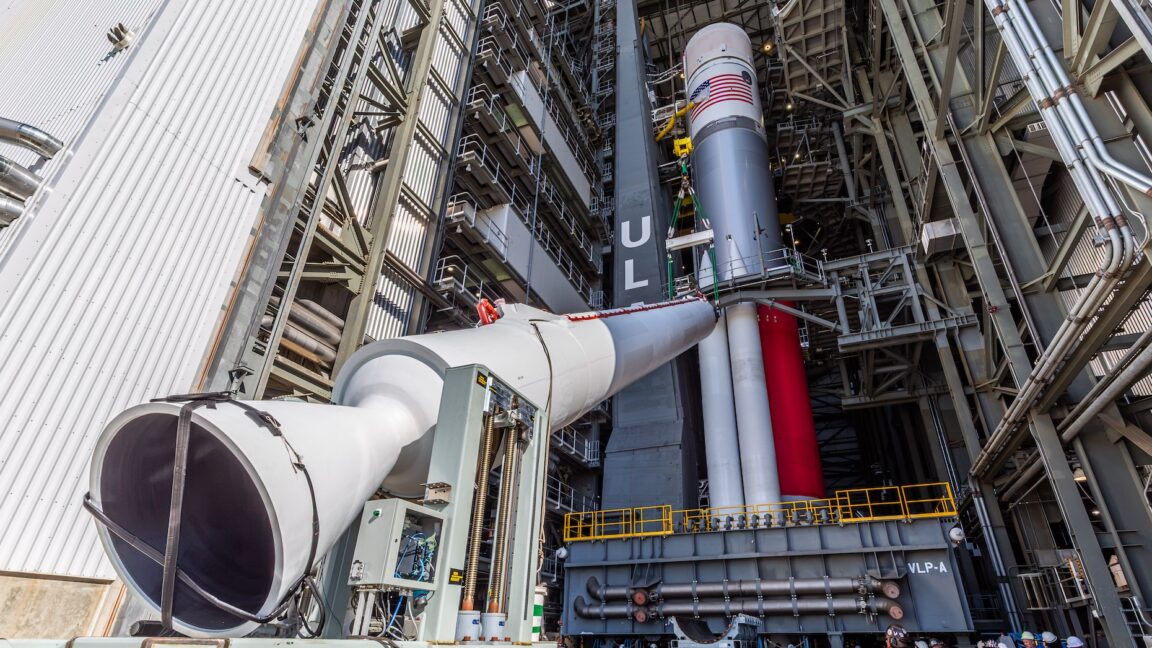
United Launch Alliance announced Wednesday it plans to return its Vulcan rocket to service on November 13, nine months after a solid rocket booster anomaly threw the company's 2026 launch schedule into oblivion.

The return-to-flight mission will launch 40 satellites for the Amazon Leo broadband constellation, the first of 38 Vulcan flights Amazon has booked to deploy the bulk of its network. The mission will lift off from Cape Canaveral Space Force Station, Florida, and ULA said the launch date is pending range approval.

The launch is critical for ULA after its new flagship rocket suffered nozzle failures on its solid rocket boosters on two of its first four missions, most recently during a flight in February. In both cases, the rocket overcame the nozzle failure and completed its mission, but officials at the US Space Force, ULA's primary customer, lost confidence in Vulcan.

Read full article

Comments

Β© United Launch Alliance

❌