❌

Reading view

There are new articles available, click to refresh the page.

Ships loiter near subsea cables amid Iran's warnings to Trump

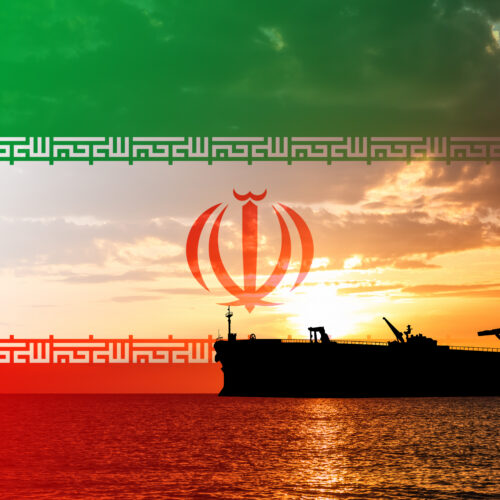
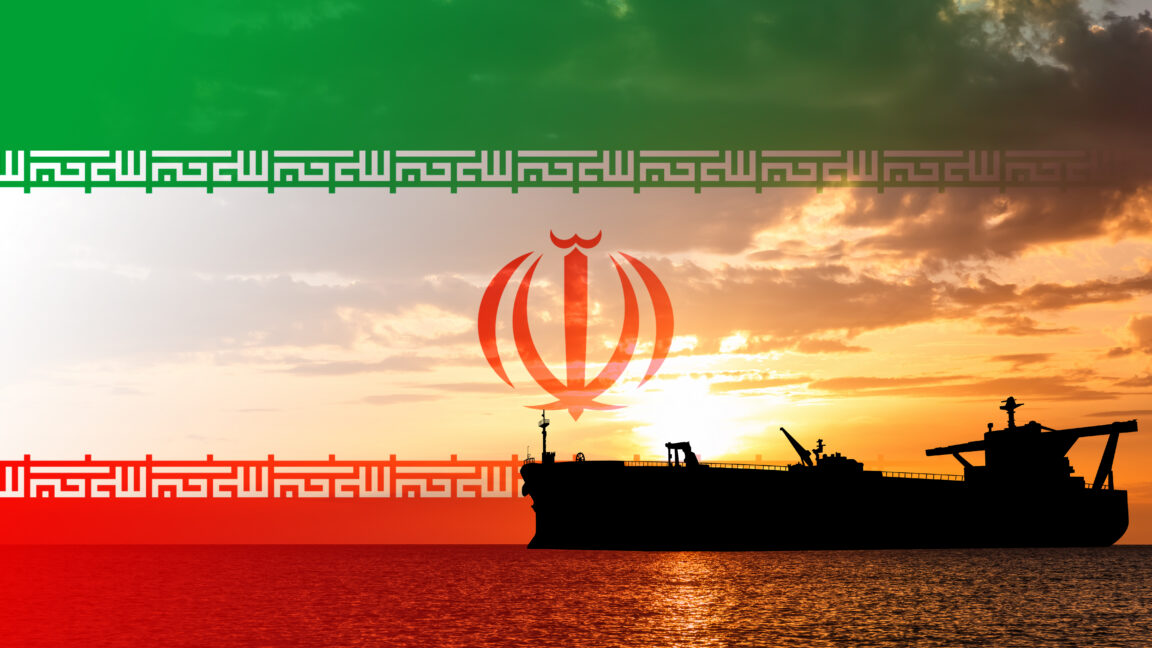
Several tanker ships linked to Iran have been loitering over subsea Internet cables in the Gulf of Oman near the Strait of Hormuzβ€”a possible indication that the Iranian government is preparing to attack such undersea infrastructure in response to any renewed US and Israeli strikes.

The movements of three sanctioned tankers and an Iranian fishing boat have been tracked near major undersea cables by the maritime intelligence firm Windward in October, according to the Financial Times. Six active cables currently cross through the contested Strait of Hormuz, linking the Middle East to Europe, Africa, and Asia, with two more cables having segments under construction in the region.

Four countries, including Iraq, Kuwait, Bahrain, and Qatar, depend entirely upon such subsea telecommunications connections running through the Strait of Hormuz chokepoint to link with the outside world. But other countries also depend heavily on the region's undersea cable networkβ€”one-third of India’s westbound Internet traffic goes through the Persian Gulf and Strait of Hormuz.
Read full article

Comments

Β© Anton Petrus

As US ties fray, Europe plans first undersea cable link to Greenland

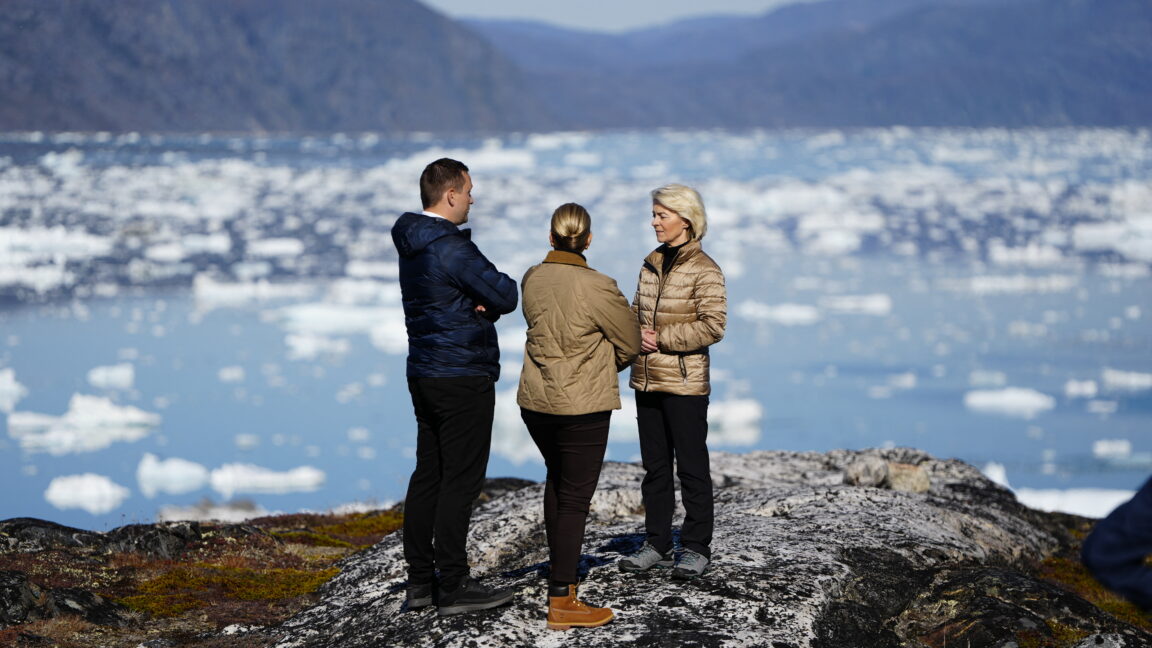
The European Union plans to create the first subsea Internet cable directly connecting Europe to Greenland. The Pan-Arctic Cable project could also extend to Canada and eventually link with Japan and South Korea, notably bypassing the United States.

The Pan-Arctic Cable is described as a European Union flagship project in a European Commission joint communication published on October 20, 2026. The policy document describes a new European strategy for the Arctic that supports β€œa sovereign, secure and resilient submarine cable connection linking Greenland directly to the EU,” while also suggesting that β€œlike-minded partners like Canada” could provide a stepping stone for future cable expansion toward Asia.

β€œIt is interesting that this project is even being considered, because five years ago it would have seemed like not a particularly commercially attractive proposition,” Elisabeth Braw, a senior fellow at the Atlantic Council who leads the Threats to the Global Maritime Order Initiative, told Ars. β€œBut the fact that it's being considered is very much on trend and a sign of our times.”

Read full article

Comments

Β© Mads Claus Rasmussen / Ritzau Scanpix / AFP via Getty Images) / Denmark OUT

The Internet’s undersea backbone is slipping into the danger zone

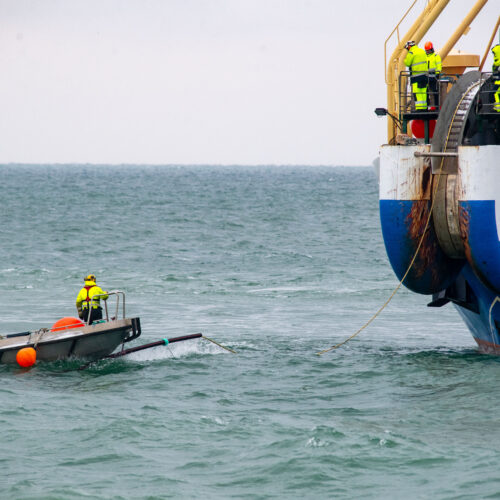
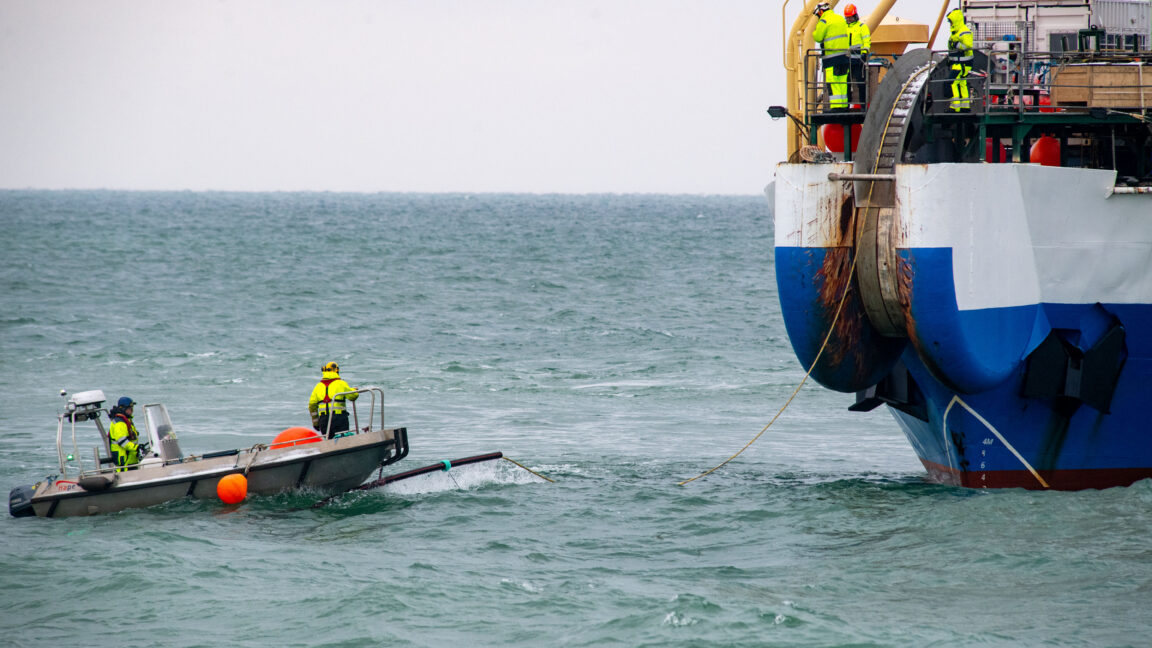
Despite the expansion of Starlink and other communications satellite services, most of the world’s Internet traffic still travels through subsea cables crisscrossing the ocean floors. Those fiber-optic cables coexist with a network of oil and gas pipelines and submarine power cablesβ€”and all these crucial links connecting countries and continents now face growing sabotage risks as gray-zone warfare and open conflicts have become widespread.

The rising risks to the world’s invisible infrastructure beneath the waves are the main subject of a new book by Elisabeth Braw, a senior fellow at the Atlantic Council who leads the Threats to the Global Maritime Order Initiative. Her book, titled Undersea War, explores the modern rise in suspicious incidents in which ships dragging their anchors for unusually long periods have cut or damaged undersea cables and pipelines, from the Baltic Sea to the Pacific Ocean.

Braw acknowledges that about 60 percent of undersea cable damage is primarily due to human error during fishing and shipping activities, when weighted nets or anchors drag across the seabed. Natural hazards like storms and undersea landslides also account for a smaller proportion of such incidents. In total, between 150 and 200 cables are damaged each year and usually repaired quickly.

Read full article

Comments

Β© Stefan Sauer/picture alliance via Getty Images

❌