❌

Reading view

There are new articles available, click to refresh the page.

Rocket Report: A weekend of ups and downs; Stoke celebrates engine milestone

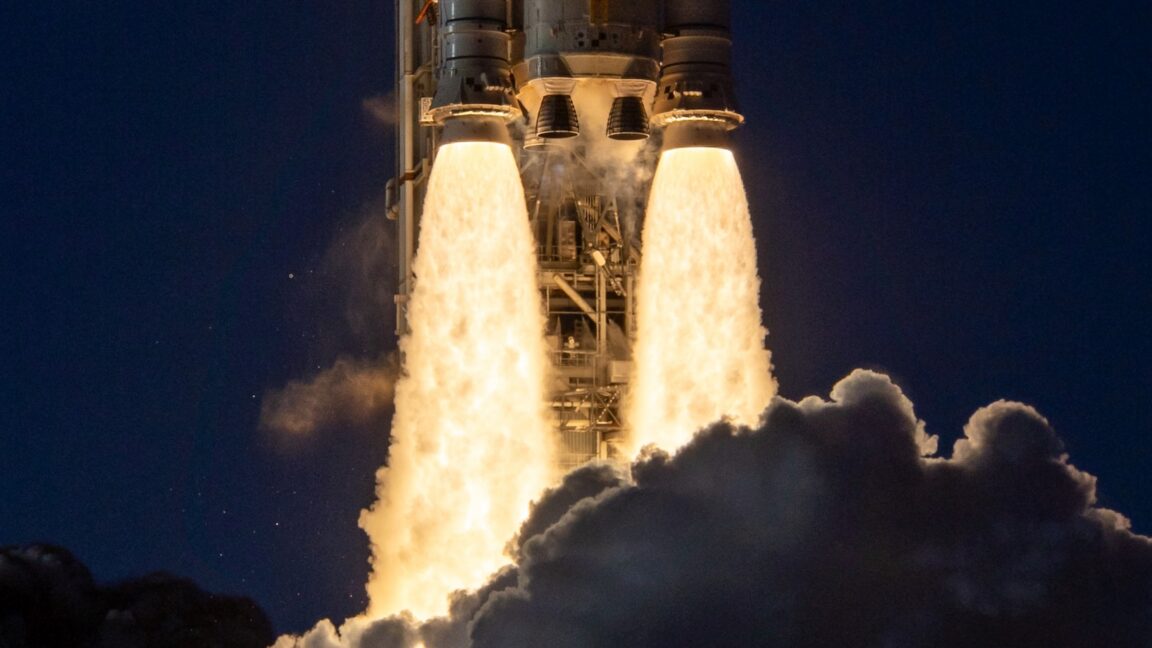
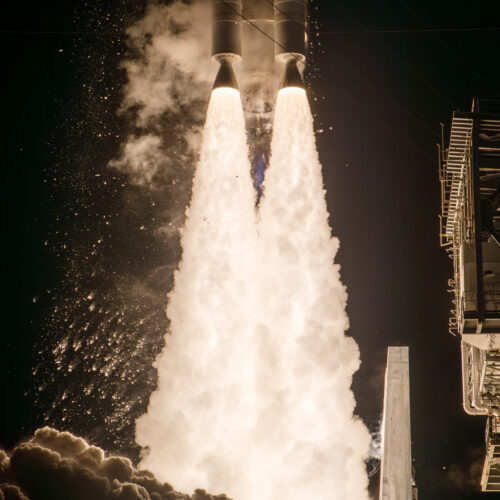
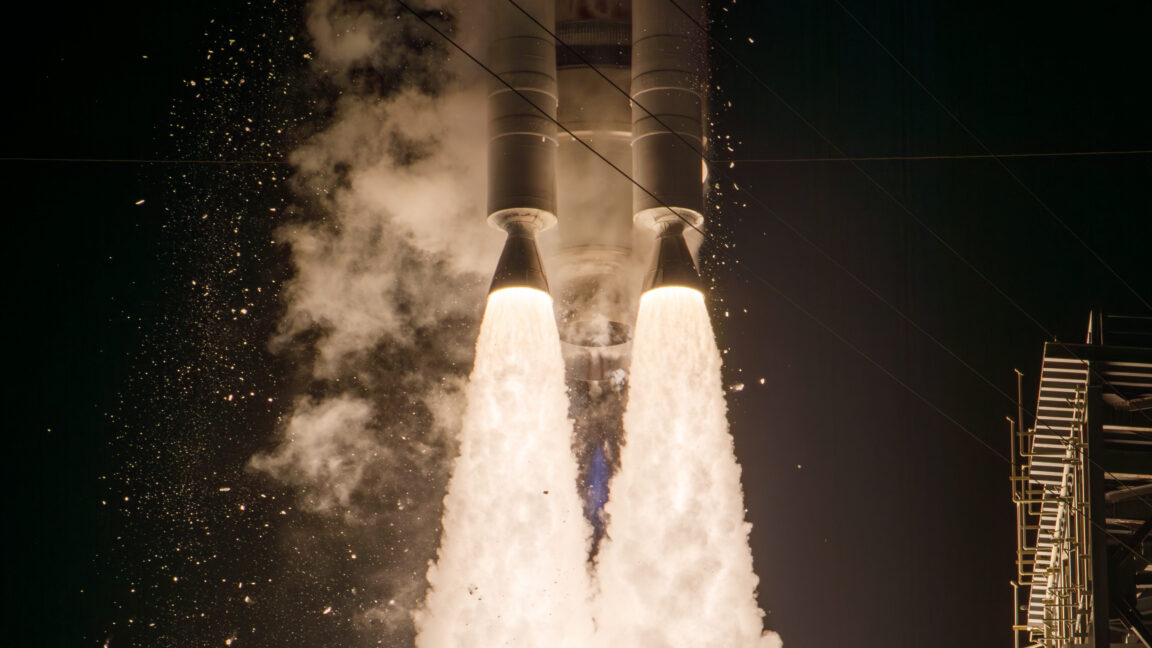
Welcome to Edition 9.20 of the Rocket Report! Last weekend was a picture of the US launch business in miniature, and emblematic of the opposing trajectories of two of the nation's most experienced rocket makers. First, on Saturday, SpaceX completed a perfect midair catch of its Starship upper stage at its launch pad in Texas after spending nearly a day in orbit. The Super Heavy booster was lost at sea, but SpaceX proved it can recover that piece of the rocket on previous flights. While SpaceX showed it is well on the way to fielding a fully reusable rocket, United Launch Alliance suffered its first-ever total launch failure with the Vulcan rocket. That is terrible news for not only ULA, but also the US Space Force and Amazon, which have booked some 70 launches on Vulcan over the next few years. Your faithful correspondents will take a break from the Rocket Report next week for the Thanksgiving holiday, so we'll see you again the first week of December.

As always, we welcome reader submissions, and if you don't want to miss an issue, please subscribe using the box below (the form will not appear on AMP-enabled versions of the site). Each report will include information on small-, medium-, and heavy-lift rockets as well as a quick look ahead at the next three launches on the calendar.

Europe's leading satellite startup eyes Italian rocket maker. Finnish satellite developer ICEYE announced Tuesday that it is seeking to buy Italian rocket-maker Avio for more than $2.2 billion in a transaction aimed at creating Europe’s first true vertically integrated end-to-end space company, Ars reports.Β Avio builds the Vega C rocket, a solid-fueled launcher designed to carry up to 3.3 metric tons (7,300 pounds) of payload to low-Earth orbit. ICEYE is, by far, the most successful space startup in Europe, with a valuation of more than $12 billion after the company's most recent fundraising round in June.
Read full article

Comments

Β© Stoke Space

Rocket Report: Starship set for historic test flight; a century of Electron

Welcome to Edition 9.19 of the Rocket Report! Will something historic happen this weekend? No orbital rocket has ever been fully recovered with the intent of reusing all of its components. But that's just what SpaceX is going to try to do with a Starship launch on Friday, and an upper stage landing attempt 22.5 hours later on Saturday afternoon, local time. Ars will be on hand in Starbase, Texas, to provide coverage of it all.

As always, we welcome reader submissions, and if you don't want to miss an issue, please subscribe using the box below (the form will not appear on AMP-enabled versions of the site). Each report will include information on small-, medium-, and heavy-lift rockets as well as a quick look ahead at the next three launches on the calendar.

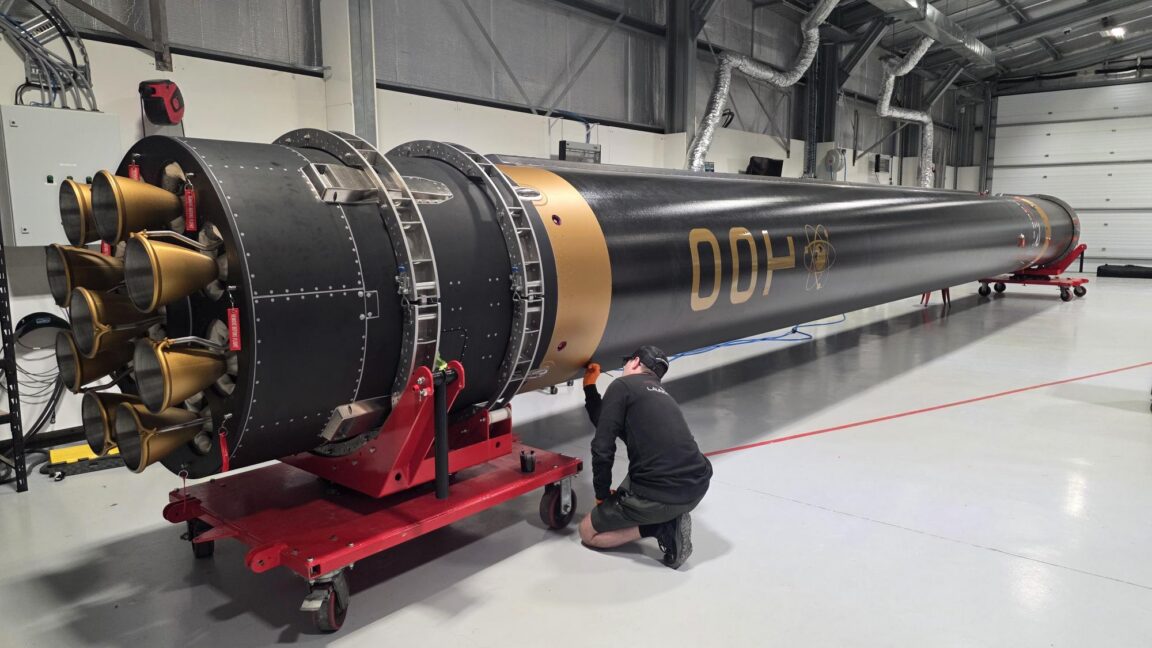
Electron set for milestone launch. The next launch of Rocket Lab’s Electron vehicle is due to lift off from the Mahia Peninsula in New Zealand on November 14 at 5:30 UTC. This mission will serve as Electron’s 100th overall missionβ€”a notable milestone for the small rocket that first flew in 2017, NASASpaceflight.com reports.

Read full article

Comments

Β© Rocket Lab

Rocket Report: Artemis II literally tore through the atmosphere; New Glenn delay

Welcome to Edition 9.18 of the Rocket Report! Blue Origin packed a lot of news into one afternoon Thursday with the reveal of a new kick stage for the New Glenn rocket, a new rocket engine design, and the minor and widely expected delay for New Glenn's return-to-flight mission from December until January. The reconstruction of Blue Origin's wrecked launch pad at Cape Canaveral, Florida, continues apace after a catastrophic explosion nearly six months ago. There's a lot of pent-up demand from NASA, Amazon, and the Space Force for Blue Origin to get New Glenn back in action.

As always, we welcome reader submissions, and if you don't want to miss an issue, please subscribe using the box below (the form will not appear on AMP-enabled versions of the site). Each report will include information on small-, medium-, and heavy-lift rockets as well as a quick look ahead at the next three launches on the calendar.

SpaceX vets work on water-fed propulsion. Three brothers who worked at SpaceX in the Falcon 9 era are now building satellites that run on water, a potentially harvestable resource on the Moon and found all over the Solar System, Ars reports. In late 2022, the three Carlisle brothers founded Argo Space to build infrastructure in space. Their vision was not just in-space transportation but also removing the need to use propellants from Earth to move around the heavens. Argo Space's satellites will use water not only as a propellant, but also as a coolant and radiation shield.

Read full article

Comments

Β© NASA/Keegan Barber

Rocket Report: Winter is coming for Themis; Cowboy Space adds iron to the fire

Welcome to Edition 9.17 of the Rocket Report! It's been a while since an American company announced plans for a medium-lift new launch vehicle, but that's what happened this week when a startup named Cowboy Space revealed specs for its Big Iron rocket, named for the classic country-western song by Marty Robbins. I'm a huge fan of the name. Maybe Cowboy Space is striking while the iron is hot as the space industry frets over demand for launch outpacing supply. However, Cowboy Space lags far behind so many other launch providers nearing the launch pad with their medium-class rockets, and the company didn't have much hardware to show at this week's big reveal. In other words, don't mistake style for substance. But we're rocket fans at Ars, and we wish them luck.

As always, we welcome reader submissions, and if you don't want to miss an issue, please subscribe using the box below (the form will not appear on AMP-enabled versions of the site). Each report will include information on small-, medium-, and heavy-lift rockets as well as a quick look ahead at the next three launches on the calendar.

Virgin's new rocket plane reaches home port. The first of Virgin Galactic's new Delta-class rocket planes left its Arizona factory Wednesday for a trip to Spaceport America in neighboring New Mexico, where it will undergo preparations for a test campaign culminating in suborbital flights to the edge of space, Ars reports. Virgin Galactic expects the craft's first commercial spaceflight to take place "early" in the second quarter of 2027, but like every other projected date in aerospace, this should be taken with a grain of salt. Virgin Galactic halted commercial flights of its previous vehicle, VSSΒ Unity, in 2024.

Read full article

Comments

Β© Thos Robinson/Getty Images for Cowboy Space Corporation

Rocket Report: SpaceX says no thanks to military launches; Spanish rocket nearly ready

Welcome to Edition 9.16 of the Rocket Report! Lots of SpaceX-related news this week including a couple of Thursday shockers. In one story, the company told the US Space Force thanks, but no thanks after being offered three military launch contracts. Then, on the civil space side of things, SpaceX's Starship may required up to 22 refuelings to support a lunar landing, a NASA safety panel said.

As always, we welcome reader submissions, and if you don't want to miss an issue, please subscribe using the box below (the form will not appear on AMP-enabled versions of the site). Each report will include information on small-, medium-, and heavy-lift rockets as well as a quick look ahead at the next three launches on the calendar.

Miura 5 getting closer to launch. PLD Space says its Miura 5 rocket, due to undertake its inaugural launch next year, is nearing final integration, Aviation Week reports. The rocket is one of three Miura 5s the company has already manufactured, with the other two designed to qualify key system elements, CEO RaΓΊl Torres said in an October 19 program update. PLD Space now targets a first flight of the small-lift vehicle before mid-2027.

Read full article

Comments

Β© Reaction Dynamics

Rocket Report: FAA eyes more Starbase traffic; India's Skyroot snares US customer

Welcome to Edition 9.15 of the Rocket Report! The launch I'm most looking forward to in the next few weeks is that of Japan's Martian Moons Exploration (MMX) mission. MMX is one of the marquee space science missions launching this year, and it's set to leave Earth as soon as Monday (US time) aboard a Japanese H3 rocket. The spacecraft will visit Phobos and Deimos, the two asteroid-like moons of Mars, deploying a rover and collecting specimens for return to Earth in 2031. Exploration at its finest.

As always, we welcome reader submissions, and if you don't want to miss an issue, please subscribe using the box below (the form will not appear on AMP-enabled versions of the site). Each report will include information on small-, medium-, and heavy-lift rockets as well as a quick look ahead at the next three launches on the calendar.

Reflect Orbital looks to India for launch capacity. California-based Reflect Orbital, the startup attempting to offer sunlight on-demand with in-space mirrors, announced the purchase of two launches Wednesday from Indian launcher Skyroot Aerospace, Payload Space reports. One of the launches will use Skyroot's Vikram-1 rocket, which became the first privately developed Indian rocket to reach orbit in July. The other will fly on an upgraded rocket called the Vikram-1U.

Read full article

Comments

Β© Stoke Space

Rocket Report: A rare Falcon 9 scrub; is it just about Vulcan's time to shine?

Welcome to Edition 9.14 of the Rocket Report! The big news this week, from our perspective, is that United Launch Alliance's Vulcan rocket appears to be close to launching. We've seen a no-earlier-than launch date for the return to flight mission of October 29 (an Amazon Leo flight), and the next rocket up after that, also an Amazon Leo mission, is also planned for this year. Assuming the solid rocket boosters work, Vulcan could be poised for a major breakthrough next year in cadence.

As always, we welcome reader submissions, and if you don't want to miss an issue, please subscribe using the box below (the form will not appear on AMP-enabled versions of the site). Each report will include information on small-, medium-, and heavy-lift rockets as well as a quick look ahead at the next three launches on the calendar.

Nuri rocket notches another success. South Korea successfully deployed five satellites for its first domestically launched microsatellite constellation during the fifth flight of its homegrown Nuri rocket Wednesday, Yonhap News Agency reports. In addition to the primary payload of five New-space Earth Observation Satellite Constellation for National Safety microsatellites, nine of the rocket's 10 CubeSat secondary payloads were released as planned, according to the Korea AeroSpace Administration. PERSAT-02, developed by South Korean startup Quaternion, failed to separate from the rocket.

Read full article

Comments

Β© United Launch Alliance

❌