❌

Reading view

There are new articles available, click to refresh the page.

Yet another satellite company is jockeying for a rocketβ€”but this one makes sense

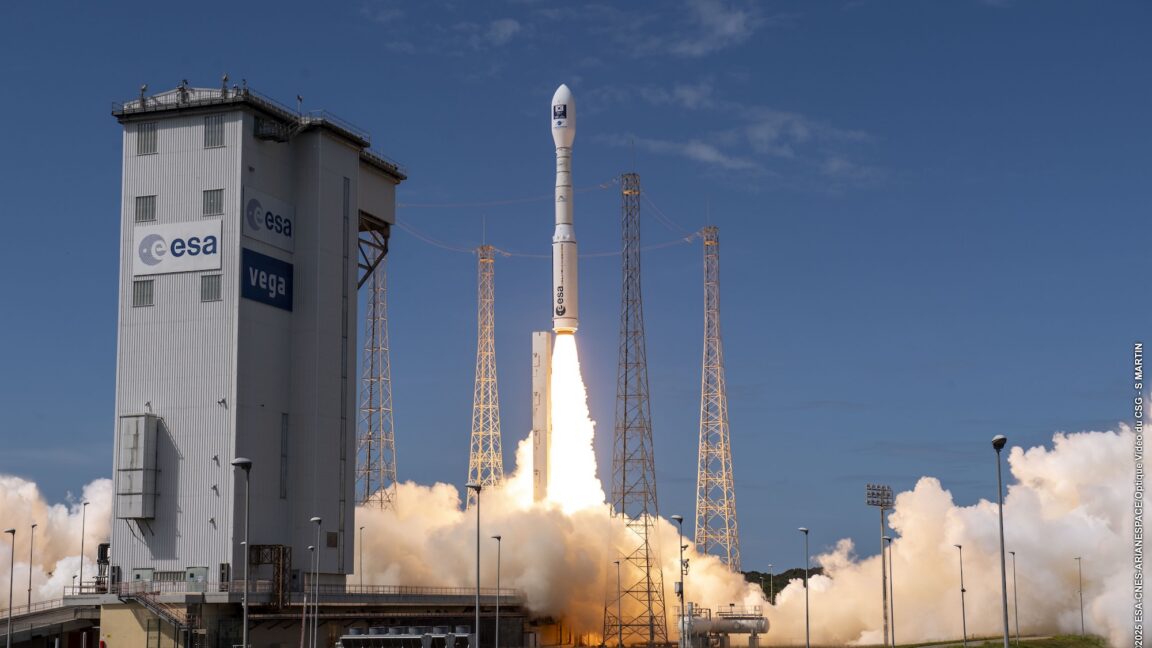
Finnish satellite developer ICEYE announced Tuesday that it is seeking to buy Italian rocket-maker Avio for more than $2.2 billion in a transaction aimed at creating Europe's first true vertically integrated end-to-end space company.

The announcement came as an all-cash voluntary tender offer from an Italian subsidiary of ICEYE to Avio's shareholders, led by the Italian defense conglomerate Leonardo. Avio said its board of directors "has taken note of the notice" from ICEYE and is considering the purchase offer.

Avio builds the Vega C rocket, a solid-fueled launcher designed to carry up to 3.3 metric tons (7,300 pounds) of payload to low-Earth orbit. The Vega C has flown successfully seven times in eight attempts since 2022. It is a follow-on to an earlier version of the Vega rocket that amassed a 20-for-22 record since debuting in 2012.
Read full article

Comments

Β© ESA-CNES-Arianespace/Optique VidΓ©o du CSG-S. Martin

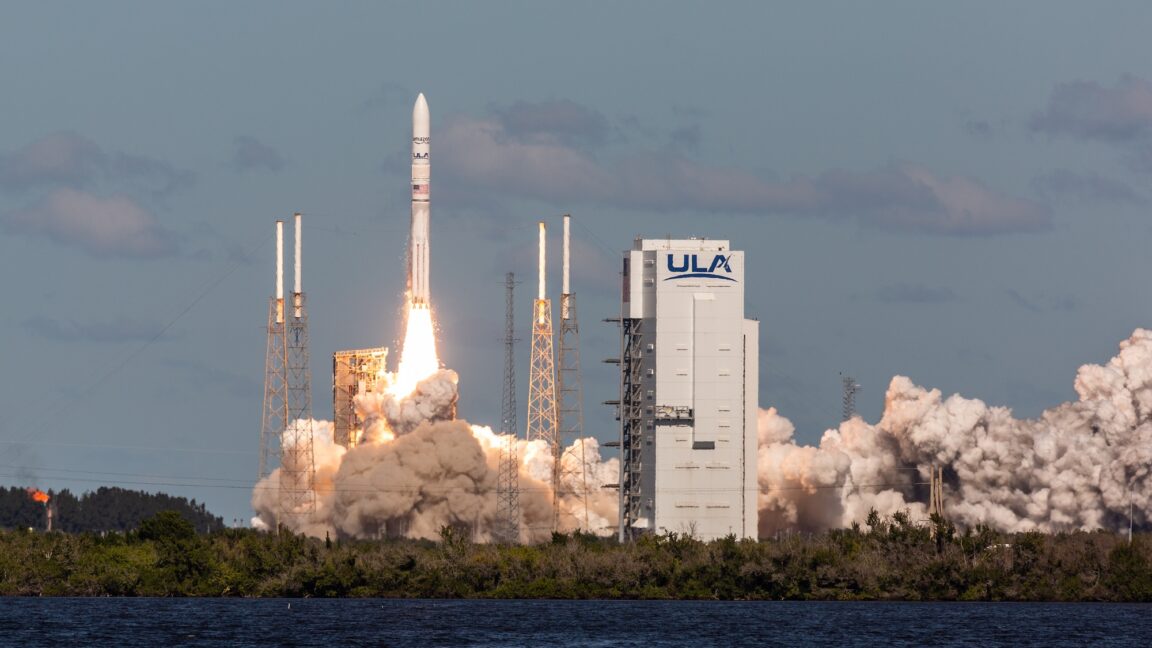
Vulcan rocket fails during launch, dealing major blow to SpaceX competitors

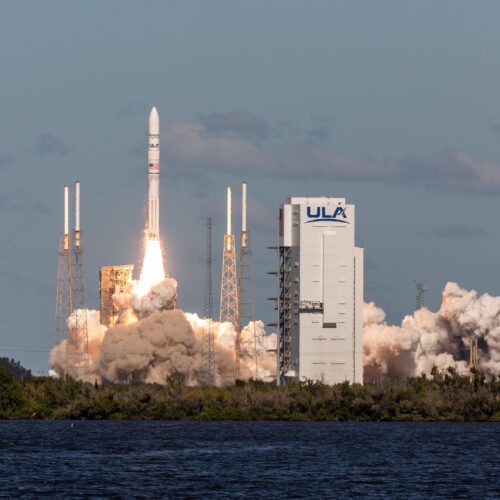
United Launch Alliance's Vulcan rocket and 40 Amazon Leo broadband satellites fell back to Earth minutes after liftoff Sunday, a crushing setback that will ripple across all sectors of the US space industry.

The Vulcan rocket is on contract to launch roughly half of the US military's national security space missions in the next few years, and Sunday's mission was the first of 38 Vulcan launches booked by Amazon to build out its network of broadband Internet satellites aimed at competing with SpaceX's Starlink. Sunday's failure is expected to ground the rocket for an indefinite period of time.

Vulcan is no stranger to close calls, having overcome failures with its strap-on solid rocket boosters on two of its four previous flights. In each case, the rocket corrected for those problems and continued into orbit to deploy its payloads. The incidents triggered monthslong reviews and investigations before ULA could resume Vulcan flights.

Read full article

Comments

Β© Manuel Mazzanti/NurPhoto via Getty Images

Rocket Report: Winter is coming for Themis; Cowboy Space adds iron to the fire

Welcome to Edition 9.17 of the Rocket Report! It's been a while since an American company announced plans for a medium-lift new launch vehicle, but that's what happened this week when a startup named Cowboy Space revealed specs for its Big Iron rocket, named for the classic country-western song by Marty Robbins. I'm a huge fan of the name. Maybe Cowboy Space is striking while the iron is hot as the space industry frets over demand for launch outpacing supply. However, Cowboy Space lags far behind so many other launch providers nearing the launch pad with their medium-class rockets, and the company didn't have much hardware to show at this week's big reveal. In other words, don't mistake style for substance. But we're rocket fans at Ars, and we wish them luck.

As always, we welcome reader submissions, and if you don't want to miss an issue, please subscribe using the box below (the form will not appear on AMP-enabled versions of the site). Each report will include information on small-, medium-, and heavy-lift rockets as well as a quick look ahead at the next three launches on the calendar.

Virgin's new rocket plane reaches home port. The first of Virgin Galactic's new Delta-class rocket planes left its Arizona factory Wednesday for a trip to Spaceport America in neighboring New Mexico, where it will undergo preparations for a test campaign culminating in suborbital flights to the edge of space, Ars reports. Virgin Galactic expects the craft's first commercial spaceflight to take place "early" in the second quarter of 2027, but like every other projected date in aerospace, this should be taken with a grain of salt. Virgin Galactic halted commercial flights of its previous vehicle, VSSΒ Unity, in 2024.

Read full article

Comments

Β© Thos Robinson/Getty Images for Cowboy Space Corporation

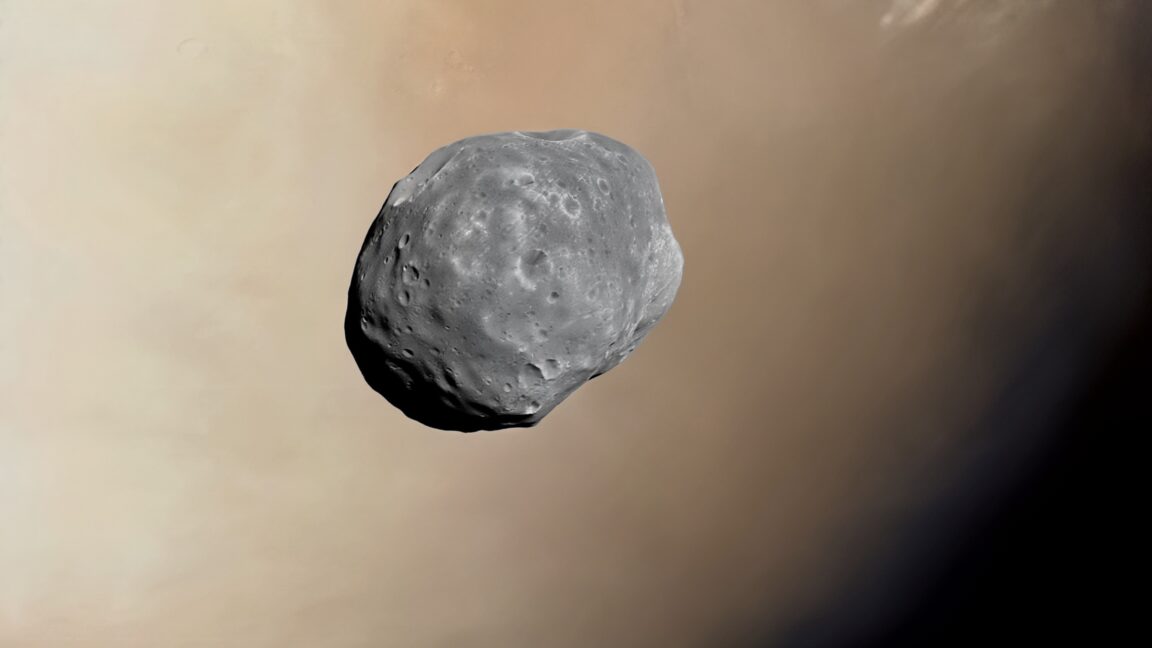
Japan launches mission to bring home a piece of the Martian moon Phobos

Japan launched a $578 million mission Monday on a five-year expedition to land on the largest moon of Mars and retrieve samples for return to Earth, a daring international project that could yield new insights into the formation of the Solar System.

The robotic Martian Moons eXploration mission, known as MMX, lifted off at 3:41 pm EDT Monday (4:41 am Japan Standard Time Tuesday) from Tanegashima Space Center in southern Japan.

The MMX spacecraft rode into orbit atop a 207-foot-tall (63-meter) H3 rocket, Japan's flagship launch vehicle. The rocket assigned to MMX debuted a new souped-up configuration with four strap-on solid rocket boosters, full-throttle main engines, and an extended payload shroud to accommodate the demands of Japan's heaviest and most ambitious interplanetary mission to date.

Read full article

Comments

Β© ESA/DLR/FU Berlin/Andrea Luck

A Chinese rocket deorbited over Minnesota and left this in a farmer's cornfield

About a month ago, a Chinese rocket took off from a remote spaceport in the Gobi Desert, released 10 satellites into orbit, then reignited its engine and put itself on a trajectory to rain down debris over the American Midwest.

The rocket's flight on September 15 lasted between 75 and 80 minutes, and it came down without completing a full orbit of the Earth. Social media posts at the time showed streaks of fiery debris falling from the sky, heading north over Kansas toward Minnesota. The overnight spectacle was also visible on the western horizon from Wisconsin.

The exact time, location, and direction of the debris allowed experts to connect it to the launch of a Zhuque-2E rocket, a medium-lift vehicle built by a Chinese company called LandSpace. The rocket had launched from Dongfeng, a commercial launch zone co-located with the military-run Jiuquan Satellite Launch Center in northwestern China, less than two hours before.

Read full article

Comments

Β© Stevens County Sheriff's Office

Neutron's first launch slips again amid trouble with carbon composites

Rocket Lab announced Wednesday that its Neutron launch vehicle won't fly until 2027, citing an issue discovered during manufacturing of the rocket's carbon composite structures.

The announcement was public confirmation of what nearly everyone inside Rocket Lab and the wider space industry already knew. The most recent official update from Rocket Lab in August suggested the company still held hope of delivering the first Neutron rocket to its launch pad at Wallops Island, Virginia, before the end of this year, a schedule that would have almost certainly pushed the first flight into 2027.

But Rocket Lab's statement Wednesday about Neutron's schedule suggests the company is still struggling with manufacturing the rocket's large booster stage. Neutron's reusable first stage is made of carbon composite structures, which offer low weight, high strength, and corrosion resistance. But carbon composites in aerospace are generally harder to manufacture than metallic structures.

Read full article

Comments

Β© Rocket Lab

Dave the Diver is wrapping up its DLC plans with an aquatically appropriate Subnautica 2 collab

I am not a huge fan of collaboration DLCs, mostly because my curmudgeonly self can only see them as attempts at multiple companies trying to profit off of one another's things. But I do have to admit that yes, the just announced collab between Dave the Diver and Subnautica 2 does make total sense. Certainly more sense than the Godzilla one from a couple of years back.

Read more

❌