❌

Reading view

There are new articles available, click to refresh the page.

Kalshi ditches Trump Jr. as advisor; CEO admitted "optics" weren't good

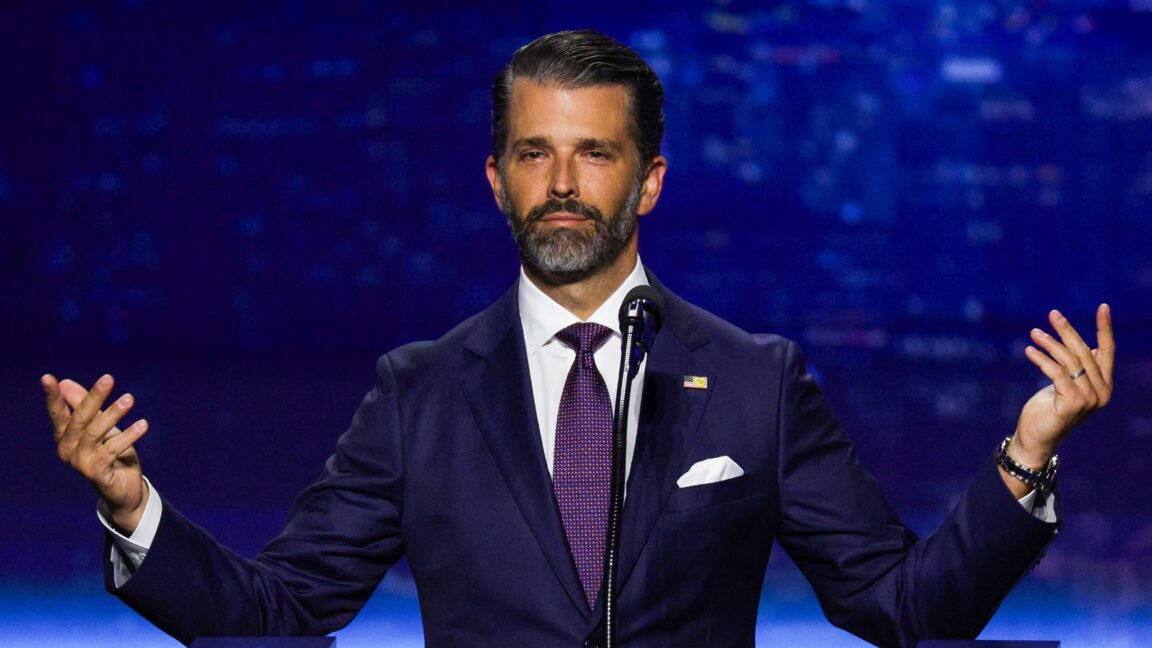
Donald Trump Jr. agreed to end his advisory role with the prediction market Kalshi shortly after Trump Jr.'s venture capital firm made a large investment in its competitor, Polymarket.

β€œWe have mutually agreed to end Don's advisory role after his firm's significant investment in a competitor this past summer. We are grateful for his contributions in helping us market Kalshi to more customers," Kalshi said in a statement provided to Ars and other news outlets this week.

Trump Jr. may still have a financial interest in Kalshi, which has benefited from the Trump administration's legal and regulatory support for prediction markets. Trump Jr. "was handed about $300,000 worth of equity in Kalshi after joining the prediction market platform as a strategic adviser in early 2025," the Financial Times reported in June.
Read full article

Comments

Β© Getty Images

Polymarket saw $600 million in election trades after the elections were over

Prediction market boosters often tout the platforms as barometers of public opinion, or even β€œtruth machines” offering a clearer picture of where things are headed than polling or other data. In 2024, for example, Kalshi beat many pollsters in forecasting the outcome of the US presidential race. But their trading activity can also tell more perplexing stories.

Two global election markets on Polymarket’s offshore platform, for instance, generated over $600 million in trading volume, far more than most political markets typically attract. Most of the activity took place buying and selling contracts tied to long-shot candidates who ultimately did not win.

This summer, Ethiopian Prime Minister Abiy Ahmed’s Prosperity Party cruised to victory in federal elections, winning 438 parliamentary seats and paving the way for him to serve another five-year term. The closest competitor won 13 seats. On prediction markets, trading volumeβ€”the total value of contracts bought and soldβ€”typically tracks roughly with the odds of a given outcome; frontrunners attract far more volume than long shots. But in this case, the trading patterns deviated sharply from the norm. Just $173,000 was wagered on Ahmed winning, compared to more than $41 million traded on his chief of staff, Shimelis Abdisa, becoming the country’s next leader. Altogether, the volume traded added up to over $285 million, nearly all on losing candidates.

Read full article

Comments

Β© https://www.gettyimages.com/detail/news-photo/in-this-photo-illustration-the-polymarket-logo-is-seen-news-photo/2230669636

A senator tried to ban gambling on prediction marketsβ€”now she's a Kalshi lobbyist

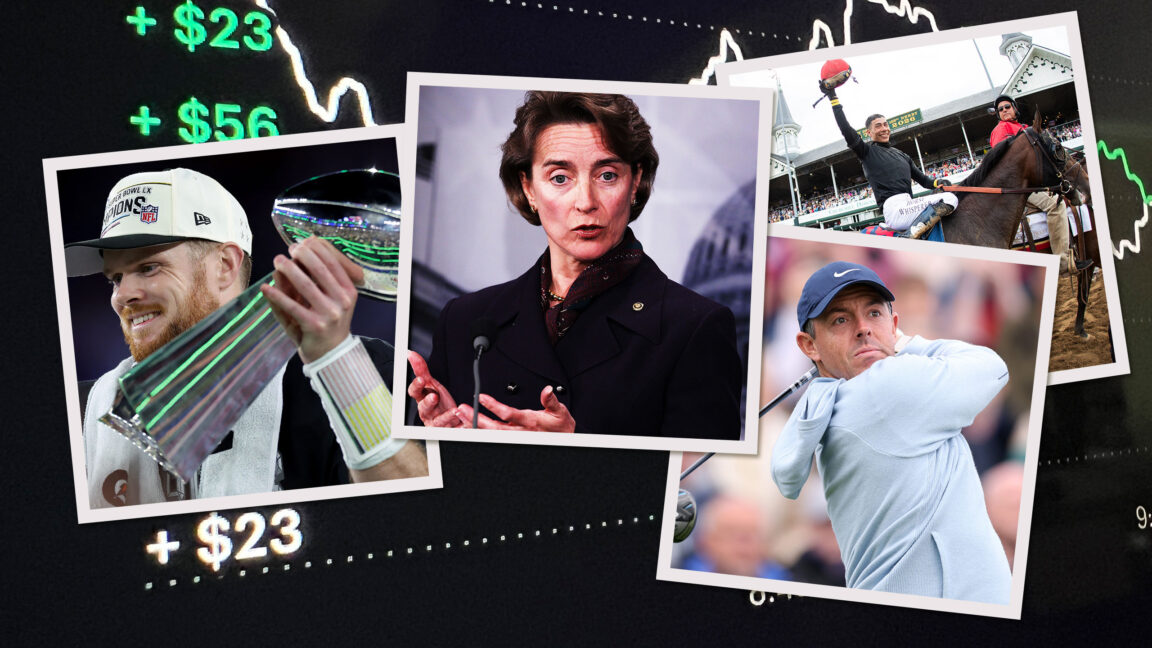
In July 2010, US Senator Blanche Lincoln (D-Ark.) predicted the rise of prediction markets and the problems they could cause. If not properly regulated, Lincoln warned during Senate proceedings on the Dodd–Frank Wall Street Reform and Consumer Protection Act, prediction markets could evade gambling laws by offering "event contracts" that let people place wagers on sports games.

"It would be quite easy to construct an event contract around sporting events such as the Super Bowl, the Kentucky Derby, and Masters golf tournament," Lincoln, who played a key role in making the law that now regulates prediction markets, told fellow senators. "These types of contracts would not serve any real commercial purpose. Rather, they would be used solely for gambling."

Today, Lincoln is a lobbyist for prediction market Kalshi and has urged the Commodity Futures Trading Commission (CFTC) to allow sports gambling on the markets. The firm she founded has received $480,000 from Kalshi since 2024 in exchange for lobbying Congress and the CFTC for looser regulation of event contracts.

Read full article

Comments

Β© Aurich Lawson | Getty Images

❌