❌

Reading view

There are new articles available, click to refresh the page.

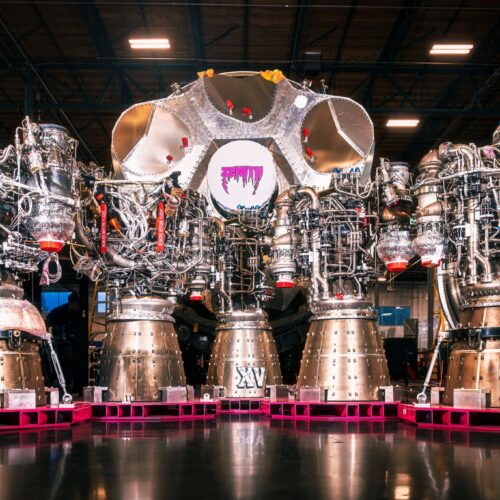
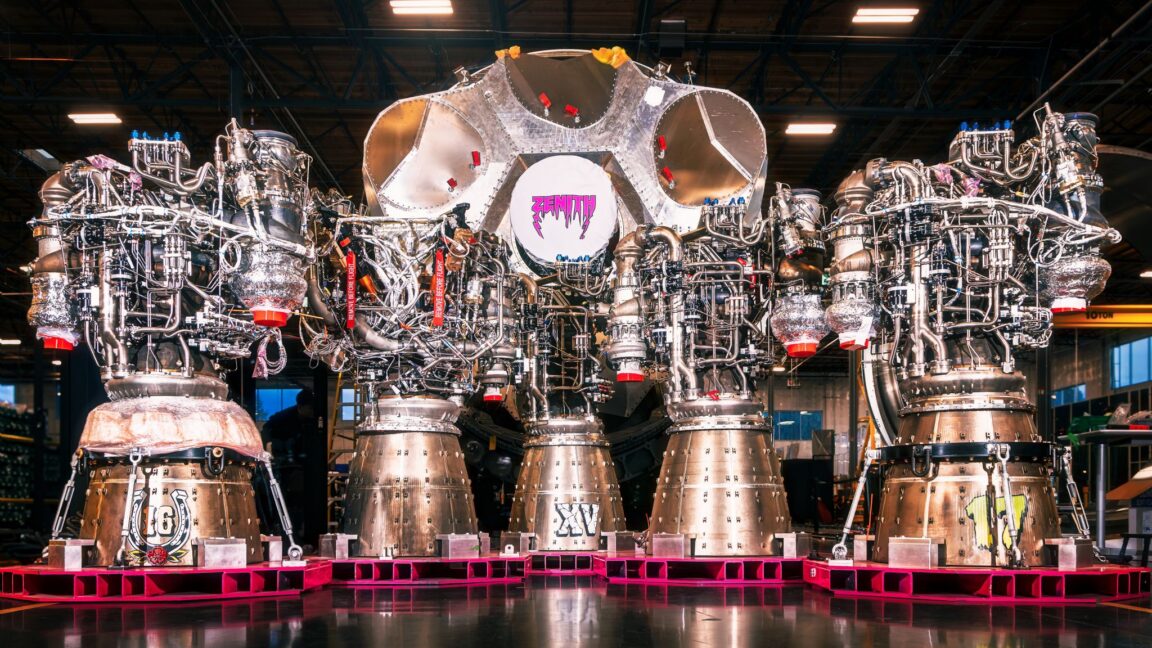
Rocket Report: A weekend of ups and downs; Stoke celebrates engine milestone

Welcome to Edition 9.20 of the Rocket Report! Last weekend was a picture of the US launch business in miniature, and emblematic of the opposing trajectories of two of the nation's most experienced rocket makers. First, on Saturday, SpaceX completed a perfect midair catch of its Starship upper stage at its launch pad in Texas after spending nearly a day in orbit. The Super Heavy booster was lost at sea, but SpaceX proved it can recover that piece of the rocket on previous flights. While SpaceX showed it is well on the way to fielding a fully reusable rocket, United Launch Alliance suffered its first-ever total launch failure with the Vulcan rocket. That is terrible news for not only ULA, but also the US Space Force and Amazon, which have booked some 70 launches on Vulcan over the next few years. Your faithful correspondents will take a break from the Rocket Report next week for the Thanksgiving holiday, so we'll see you again the first week of December.

As always, we welcome reader submissions, and if you don't want to miss an issue, please subscribe using the box below (the form will not appear on AMP-enabled versions of the site). Each report will include information on small-, medium-, and heavy-lift rockets as well as a quick look ahead at the next three launches on the calendar.

Europe's leading satellite startup eyes Italian rocket maker. Finnish satellite developer ICEYE announced Tuesday that it is seeking to buy Italian rocket-maker Avio for more than $2.2 billion in a transaction aimed at creating Europe’s first true vertically integrated end-to-end space company, Ars reports.Β Avio builds the Vega C rocket, a solid-fueled launcher designed to carry up to 3.3 metric tons (7,300 pounds) of payload to low-Earth orbit. ICEYE is, by far, the most successful space startup in Europe, with a valuation of more than $12 billion after the company's most recent fundraising round in June.
Read full article

Comments

Β© Stoke Space

Google turns to Blue Origin for a rocket, but its long-term problem remains

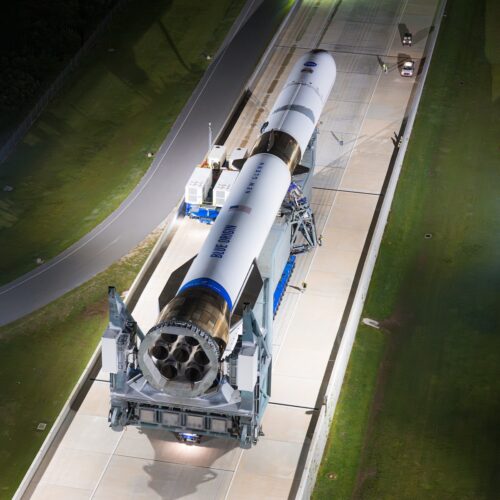
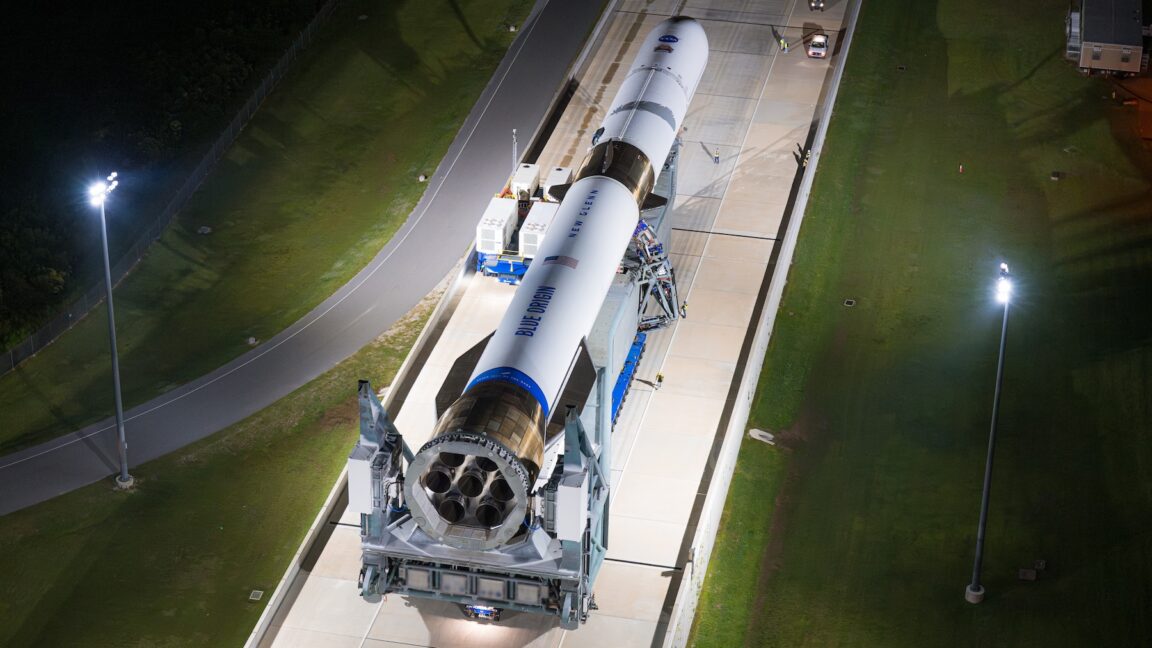
Blue Origin announced Thursday that its New Glenn rocket will launch data center satellites for Google in 2029 as part of that company's Project Suncatcher program.

Google disclosed it was working on scalable orbiting data centers about a year agoΒ and characterized the project as one of its research "moonshots." The mission on New Glenn is designed to deploy satellites, each with computing capacity at roughly the scale of a data center rack, into Sun-synchronous orbit where they can receive nearly continuous solar energy.

"Project Suncatcher is a long-term moonshot to scale AI infrastructure in space by tapping into the abundant solar power in orbit," said Travis Beals, senior director of Project Suncatcher at Google, in the news release. "This dedicated launch with Blue Origin represents a crucial milestone on our roadmap as we expand the boundaries of what's possible for the future of compute."

Read full article

Comments

Β© Blue Origin

Rocket Report: Artemis II literally tore through the atmosphere; New Glenn delay

Welcome to Edition 9.18 of the Rocket Report! Blue Origin packed a lot of news into one afternoon Thursday with the reveal of a new kick stage for the New Glenn rocket, a new rocket engine design, and the minor and widely expected delay for New Glenn's return-to-flight mission from December until January. The reconstruction of Blue Origin's wrecked launch pad at Cape Canaveral, Florida, continues apace after a catastrophic explosion nearly six months ago. There's a lot of pent-up demand from NASA, Amazon, and the Space Force for Blue Origin to get New Glenn back in action.

As always, we welcome reader submissions, and if you don't want to miss an issue, please subscribe using the box below (the form will not appear on AMP-enabled versions of the site). Each report will include information on small-, medium-, and heavy-lift rockets as well as a quick look ahead at the next three launches on the calendar.

SpaceX vets work on water-fed propulsion. Three brothers who worked at SpaceX in the Falcon 9 era are now building satellites that run on water, a potentially harvestable resource on the Moon and found all over the Solar System, Ars reports. In late 2022, the three Carlisle brothers founded Argo Space to build infrastructure in space. Their vision was not just in-space transportation but also removing the need to use propellants from Earth to move around the heavens. Argo Space's satellites will use water not only as a propellant, but also as a coolant and radiation shield.

Read full article

Comments

Β© NASA/Keegan Barber

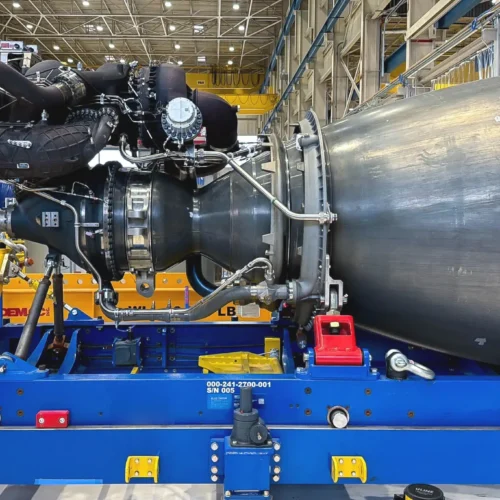
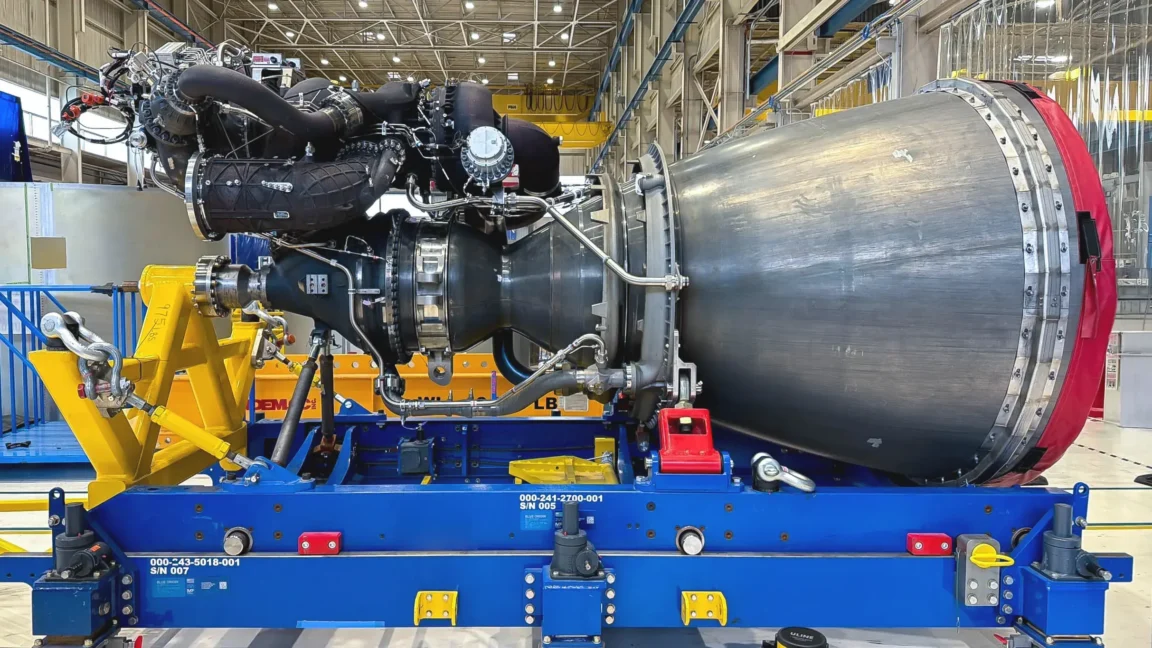
Blue Origin says it is building a higher-performing rocket engine at 1/4 the cost

KENNEDY SPACE CENTER, Floridaβ€”Blue Origin announced two significant upgrades to its New Glenn rocket on Thursday, reducing the cost of manufacturing the vehicle and expanding its capacity for payload delivery to geostationary orbit and the Moon.

With these upgrades, the company aims to eventually position New Glenn to launch more than 1,000 times a year.

"There has never been higher demand for launch, ever," Dave Limp, chief executive officer of Blue Origin, said during the UP.Summit conference at the Shuttle Landing Facility in Florida.

Read full article

Comments

Β© Blue Origin

Blue Origin is going all in on the New Glenn rocket

Blue Origin announced a major expansion of its already considerable Florida launch facilities on Friday morning with the intent of eventually flying more than 100 rockets a year from there.

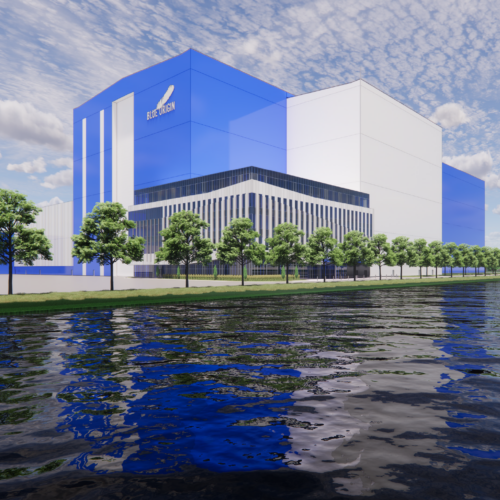
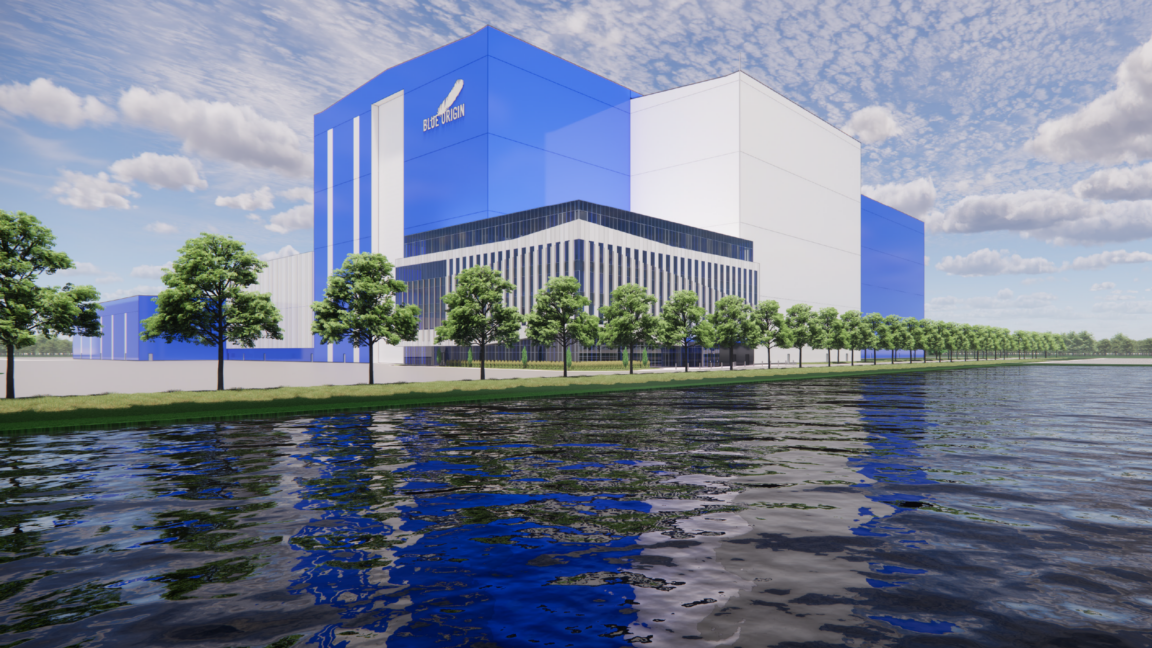
The company said it would add two launch pads for the New Glenn rocket, in addition to two already under construction at Cape Canaveral. The company is also investing heavily in a new manufacturing facility that will produce up to 150 upper stages for a larger variant of the New Glenn rocket.

The company also plans to procure two additional landing ships to catch and return the first stage of the New Glenn rocket (it currently has one, named Jacklyn). Finally, Blue Origin said it would add a new customer integration facility, built in conjunction with the US Space Force, that will feature four payload bays to process multiple missions at the same time.

Read full article

Comments

Β© Blue Origin

❌