❌

Reading view

There are new articles available, click to refresh the page.

Screenless GPS: Slate Auto says, "Remember the road atlas"

Whether it's nostalgia or a sense that technology has gotten a bit too pervasive, there’s no denying that Slate Auto appears to be tuned into the particular moment. The startup has a simple pitch: an affordable electric truck with just the basics, leaving owners to DIY and BYOD for everything else, all for a sub-$25,000 starting price.

Among the things Slate does without is an embedded infotainment system. The small digital display on the dashboard that shows your speed and range is also where the backup camera appears if you engage reverse, and there are two USB-C ports that provide power but not connectivity, and that’s that. But there is a solution to getting lost, and it's called “Screenless GPS.” Even though we don’t have a Slate truck to test it with, the OEM sent us a unit to review.

That’s right, it’s a good old spiral-bound road atlas! “We believe you should use the devices you know and love,” Slate says, and it reckons that maps worked just fine for past generations, so they should still work now.


Read full article

Comments

© Jonathan Gitlin

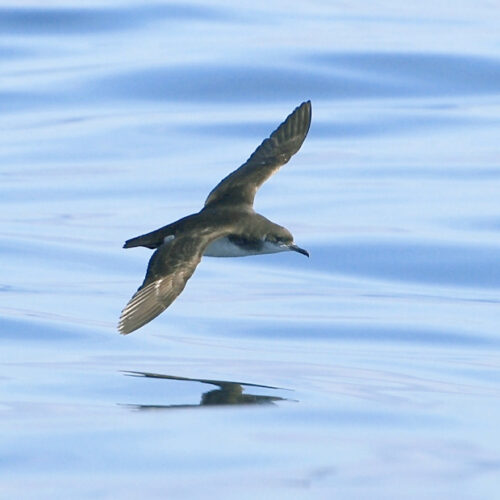
Seabirds racing home over the ocean can get jet-lagged

Flying across several time zones often causes jet lag, a feeling where the body insists it's the middle of the night while the clock says it's lunchtime. Now it turns out this nuisance is not exclusive to humans.

A new Science study on Manx shearwaters, seabirds that can fly hundreds of kilometers a day over the North Atlantic, shows they jet-lag themselves during their excursions. And because these birds navigate by the Sun, that jet lag leaves a measurable mark—it skews their compass.

Clockwork compass

Patrick Lewin is a behavioral and sensory ecologist at the University of Oxford and lead author of the study. “Manx shearwaters are medium-sized birds, about the same size as a pigeon,” Lewin said. “They are white underneath and black on top, but they have very long wings, and they are closely related to albatross.” Manx shearwaters nest in burrows on coastal islands around the North Atlantic. Most breed around the UK and Ireland, with about half of their population living in Wales.

Read full article

Comments

© Matt Witt/Wikimedia

❌