
 Login
Googlebook review: Android on a laptop is still Android
Android was designed for phones, but that hasn't stopped Google from trying to adapt the OS and its apps to larger machines over the years. Googlebooks are just the latest attempt after tablets, Chromebooks, and foldables induced little change in how people interact with Android software. These new Android-powered laptops are designed to pick up where the web-focused ChromeOS left off, offering premium hardware and native support for Android apps.
Google sees Googlebooks as an alternative to Windows and macOS, but these platforms are entrenched with decades of software and UI conventions that keep users locked in. Googlebooks have to offer something very special to steal users away from either of the dominant operating systems.
For devoted Android phone users, there are some cool things in Googlebook OS, but the Android roots of these machines are impossible to miss. Sometimes it feels like using a Chromebook, and sometimes it feels like using a giant phone. It almost never feels like using a premium laptop, and that's the problem.
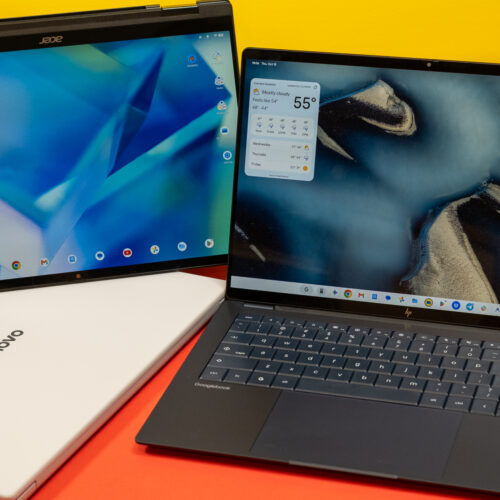
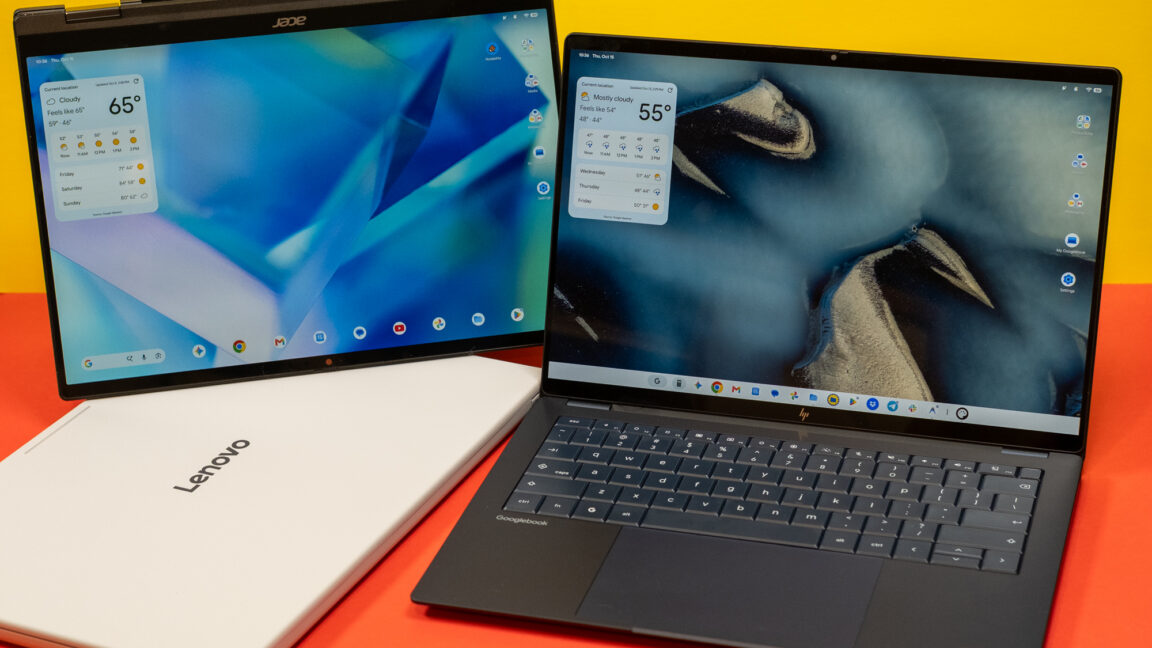
© Ryan Whitwam
 Two new apps are coming to Linux Mint later this year: a new calendar and eBook reader. Plus, the Ubuntu-based Linux distribution has redesigned its (overlooked) document hub, Library, to make it easier to find and manage documents scattered across you device from one place. Both new apps join the XApp Project, Linux Mint’s collection of home-grown, cross-desktop GTK apps (which now has a new website wearing the popular Claude design aesthetic). Clockenstien is Mint’s new Calendar app Clockenstein is Linux Mint’s new calendar app but, lest anyone scream in horror at the terrible name, the user-facing label is just […]
