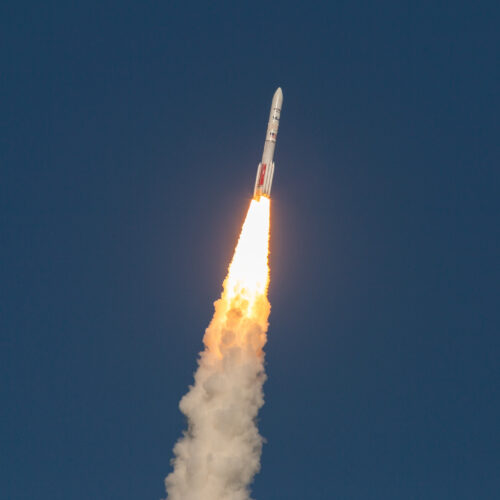
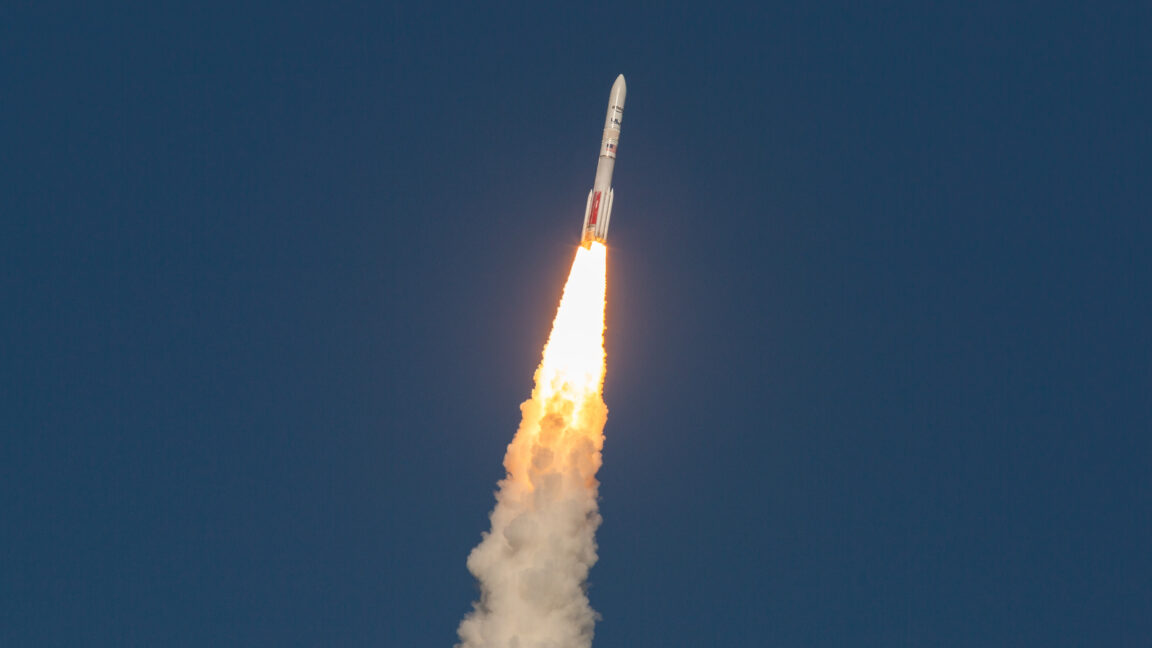
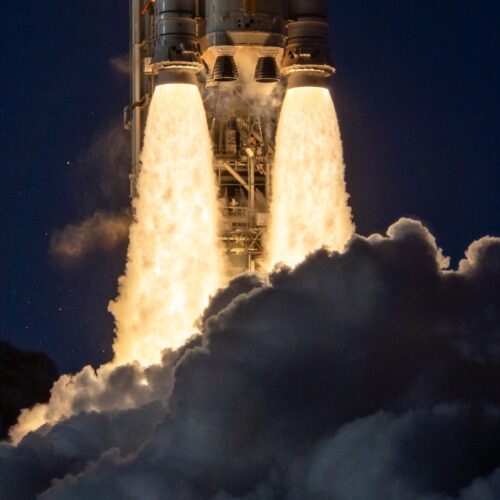
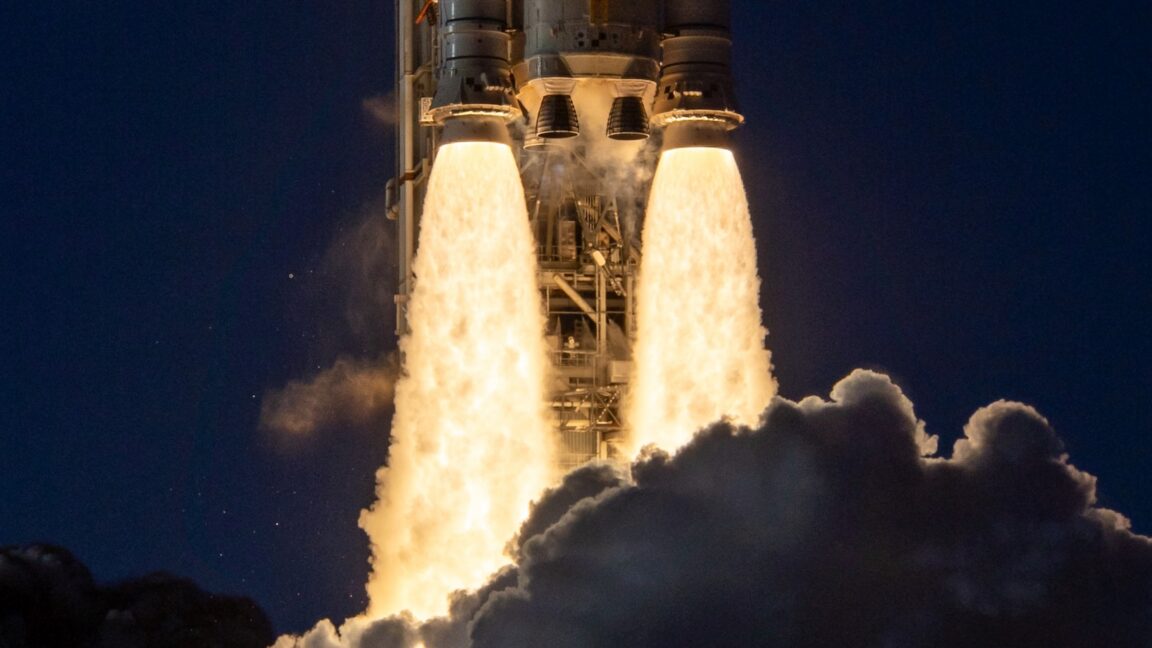
United Launch Alliance (ULA) confirmed Tuesday morning that its return-to-flight launch of the Vulcan rocket began failing during the initial stages of the mission.
"While we appear to have lost telemetry and the mission at approximately 10 minutes into flight, early indications are that just after liftoff, the launch vehicle experienced low booster performance, resulting in stage separation occurring when the vehicle was low in altitude and below minimal velocity to reach orbit," the company said.
The launch company also confirmed reporting by Ars that the Centaur V upper stage and the solid rocket boosters performed nominally during the flight.
There are optimistic plans for spaceflight, and then there are optimistic plans.
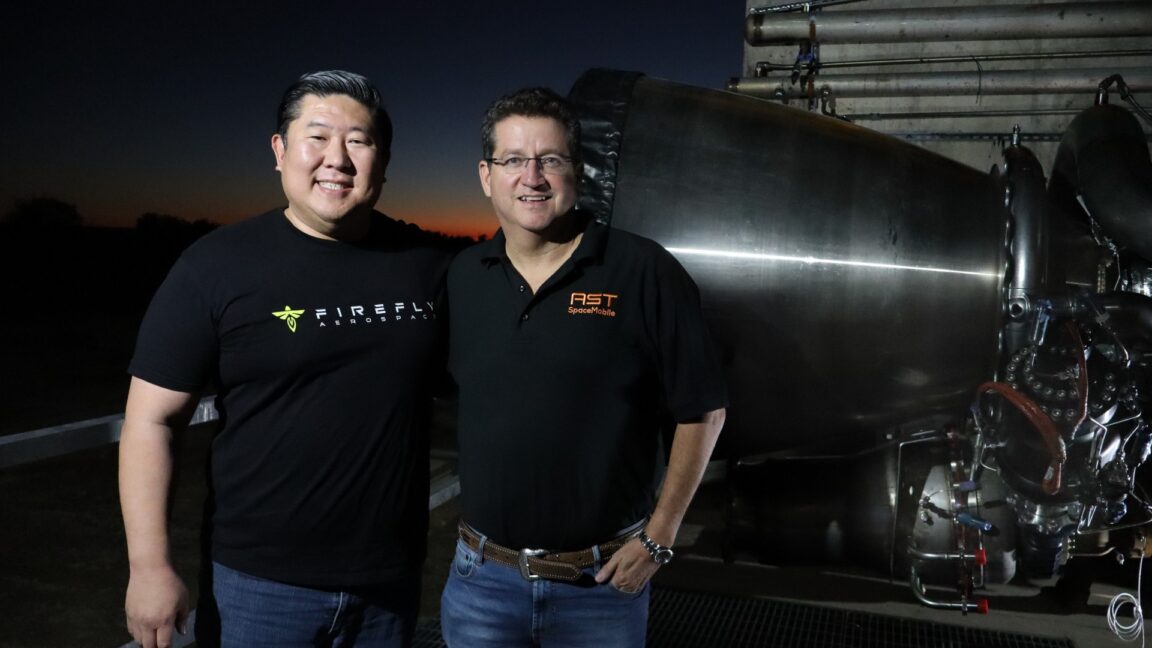
AST SpaceMobile is a Texas-based, publicly traded company building very large satellites to provide direct-to-cell communications on Earth. But it has been having trouble finding rides to space. So on Friday, AST announced that it is developing a medium-lift rocket, named Blacklift, which will have the capacity to lift 20 metric tons to low-Earth orbit. Oh, and the company said it would start launching commercially in late 2028.
"The Blacklift rocket is the springboard to significantly expand our total addressable market, providing AST SpaceMobile with regular unconstrained access to orbit and providing for most favorable owner's economics in the industry," said Abel Avellan, founder, chairman, and CEO of AST SpaceMobile, in a news release.
Welcome to Edition 9.18 of the Rocket Report! Blue Origin packed a lot of news into one afternoon Thursday with the reveal of a new kick stage for the New Glenn rocket, a new rocket engine design, and the minor and widely expected delay for New Glenn's return-to-flight mission from December until January. The reconstruction of Blue Origin's wrecked launch pad at Cape Canaveral, Florida, continues apace after a catastrophic explosion nearly six months ago. There's a lot of pent-up demand from NASA, Amazon, and the Space Force for Blue Origin to get New Glenn back in action.
As always, we welcome reader submissions, and if you don't want to miss an issue, please subscribe using the box below (the form will not appear on AMP-enabled versions of the site). Each report will include information on small-, medium-, and heavy-lift rockets as well as a quick look ahead at the next three launches on the calendar.
SpaceX vets work on water-fed propulsion. Three brothers who worked at SpaceX in the Falcon 9 era are now building satellites that run on water, a potentially harvestable resource on the Moon and found all over the Solar System, Ars reports. In late 2022, the three Carlisle brothers founded Argo Space to build infrastructure in space. Their vision was not just in-space transportation but also removing the need to use propellants from Earth to move around the heavens. Argo Space's satellites will use water not only as a propellant, but also as a coolant and radiation shield.
KENNEDY SPACE CENTER, Florida—Blue Origin announced two significant upgrades to its New Glenn rocket on Thursday, reducing the cost of manufacturing the vehicle and expanding its capacity for payload delivery to geostationary orbit and the Moon.
With these upgrades, the company aims to eventually position New Glenn to launch more than 1,000 times a year.
"There has never been higher demand for launch, ever," Dave Limp, chief executive officer of Blue Origin, said during the UP.Summit conference at the Shuttle Landing Facility in Florida.
Welcome to Edition 9.17 of the Rocket Report! It's been a while since an American company announced plans for a medium-lift new launch vehicle, but that's what happened this week when a startup named Cowboy Space revealed specs for its Big Iron rocket, named for the classic country-western song by Marty Robbins. I'm a huge fan of the name. Maybe Cowboy Space is striking while the iron is hot as the space industry frets over demand for launch outpacing supply. However, Cowboy Space lags far behind so many other launch providers nearing the launch pad with their medium-class rockets, and the company didn't have much hardware to show at this week's big reveal. In other words, don't mistake style for substance. But we're rocket fans at Ars, and we wish them luck.
As always, we welcome reader submissions, and if you don't want to miss an issue, please subscribe using the box below (the form will not appear on AMP-enabled versions of the site). Each report will include information on small-, medium-, and heavy-lift rockets as well as a quick look ahead at the next three launches on the calendar.
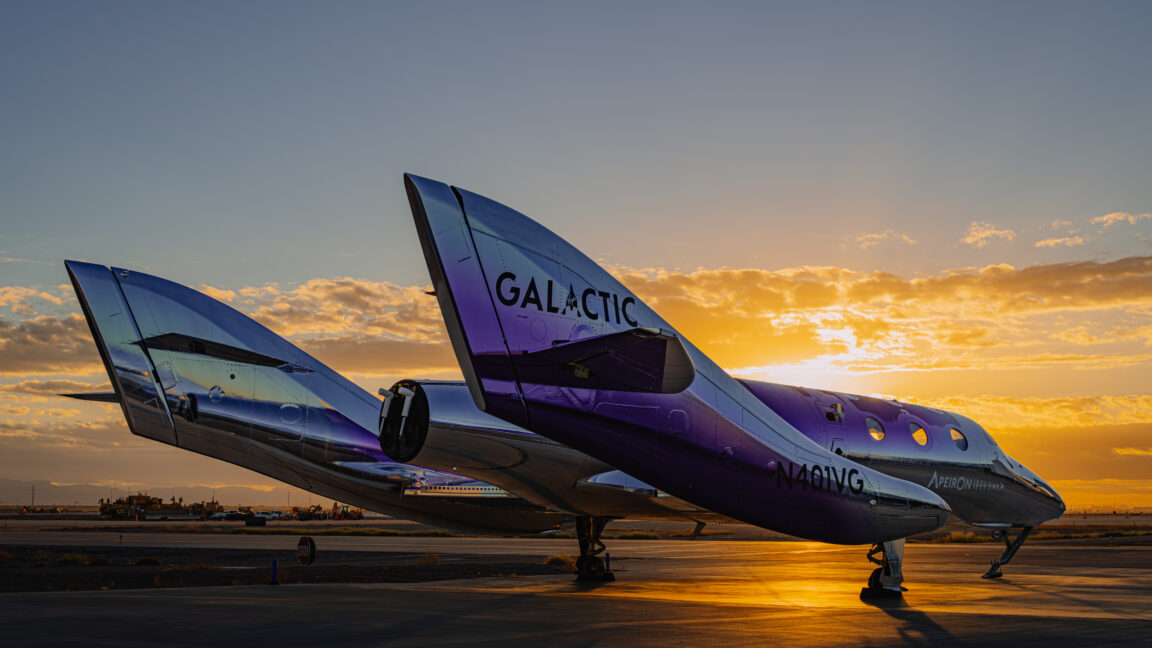
Virgin's new rocket plane reaches home port. The first of Virgin Galactic's new Delta-class rocket planes left its Arizona factory Wednesday for a trip to Spaceport America in neighboring New Mexico, where it will undergo preparations for a test campaign culminating in suborbital flights to the edge of space, Ars reports. Virgin Galactic expects the craft's first commercial spaceflight to take place "early" in the second quarter of 2027, but like every other projected date in aerospace, this should be taken with a grain of salt. Virgin Galactic halted commercial flights of its previous vehicle, VSS Unity, in 2024.
For nearly a quarter of a century, Elon Musk and his essential partner at SpaceX, Gwynne Shotwell, viewed the United States government as El Dorado, the mythical city of gold.
Like machete-wielding treasure hunters, Musk and Shotwell hacked through a tangled jungle filled with lurking carnivores such as Boeing and Lockheed Martin, as well as bean counters and regulators. Over time, against long odds, the pair cleared a path for SpaceX to contracts at NASA and the US military. They sued when things did not go their way. They hollered about unfair playing fields. Most importantly, they delivered quality space products to the US government for less.
And so, after a while, SpaceX found El Dorado and a city of contracts.
The private space tourism era looked so very promising five years ago. Blue Origin and Virgin Galactic had begun flying customers—real people with zero space experience—on suborbital missions. And at about the same time, private citizens were going to orbit for days at a time aboard SpaceX's Crew Dragon.
But that was then. Consider the state of play today:
It has been 10 months since Blue Origin's New Shepard spacecraft flew its last mission in January. The program was subsequently "paused," but let's be real. Blue Origin has moved on. New Shepard's engineering teams are now supporting the New Glenn rocket and Blue Moon lander programs.
SpaceX flew its final free-flyer mission on Dragon, Fram2, in April 2025. A handful of non-NASA missions bound for space stations remain on the spacecraft's manifest, but all are likely to carry at least one government astronaut. Then Dragon will be retired. There is no credible timeline for SpaceX's Starship to fly humans into space from Earth.
As for Virgin Galactic, the company flew its final suborbital mission on the VSS Unity spacecraft more than two years ago, in June 2024.
So we are now 10 months, and counting, without a space tourism mission in the United States.
Blue Origin announced a major expansion of its already considerable Florida launch facilities on Friday morning with the intent of eventually flying more than 100 rockets a year from there.
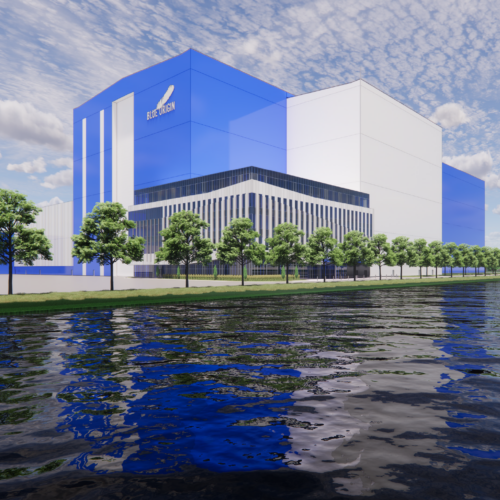
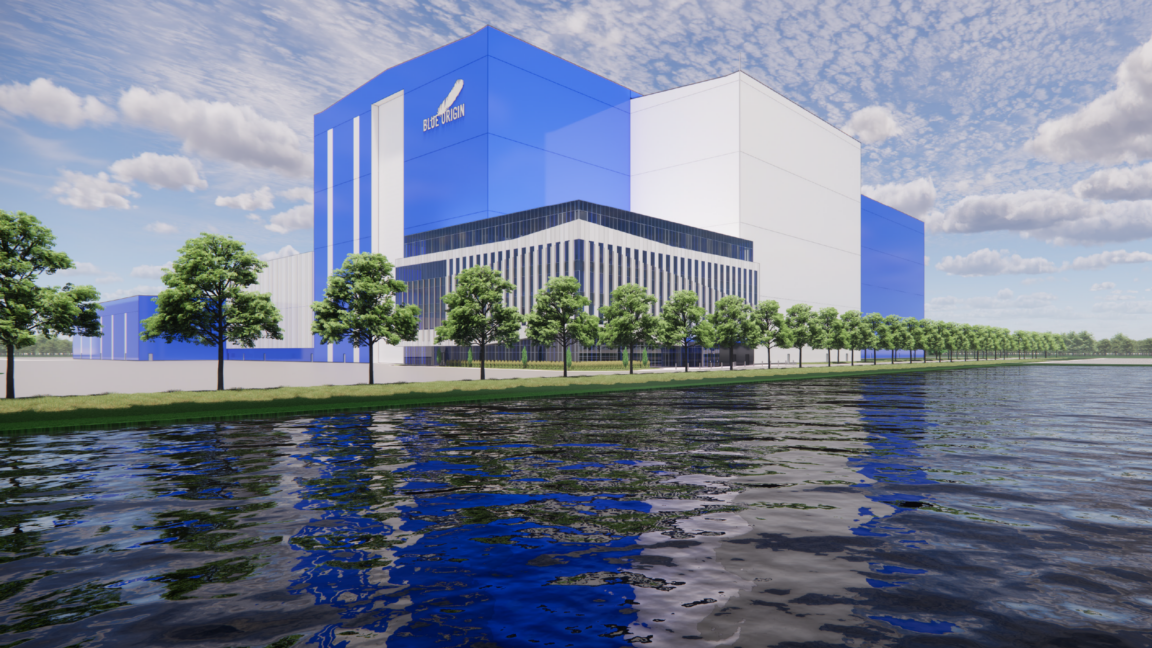
The company said it would add two launch pads for the New Glenn rocket, in addition to two already under construction at Cape Canaveral. The company is also investing heavily in a new manufacturing facility that will produce up to 150 upper stages for a larger variant of the New Glenn rocket.
The company also plans to procure two additional landing ships to catch and return the first stage of the New Glenn rocket (it currently has one, named Jacklyn). Finally, Blue Origin said it would add a new customer integration facility, built in conjunction with the US Space Force, that will feature four payload bays to process multiple missions at the same time.

 Login