❌

Reading view

There are new articles available, click to refresh the page.

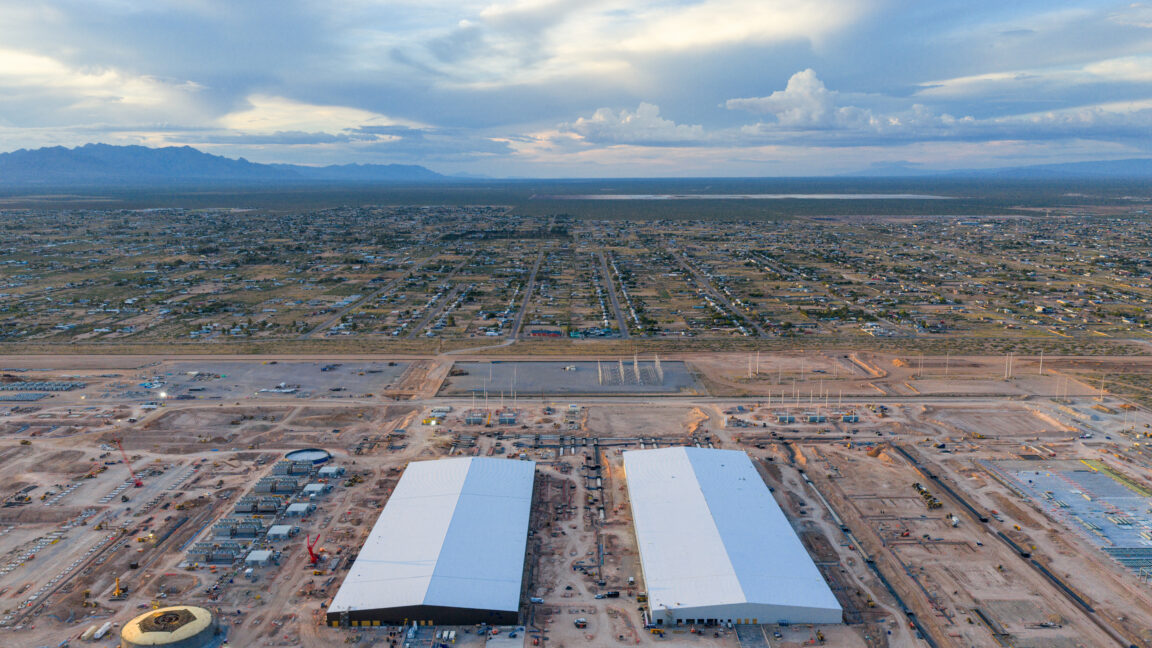
Meta reconsiders 2030 net-zero goal amid record emissions from AI data centers

Meta’s executives are rethinking the company’s original goal of achieving net-zero emissions by 2030. That revelation in Meta’s latest sustainability report comes as the company reported a record percentage increase in greenhouse gas emissions that exceeds any other Big Tech competitor racing to build new AI data centers.

The company’s 2026 sustainability report claims that “our long-term ambitions haven’t changed, but our operating environment has,” according to an introduction from Rachel Peterson, vice president of data centers at Meta, and Blair Swedeen, global head of net zero and sustainability at Meta. In the November 19, 2026, report, they attributed the changing conditions and the need for a rethink to how “demand for AI infrastructure has grown faster than almost anyone projected.”

“We are re-evaluating our timelines, sequencing, and interim milestones—including the 2030 timeframe for our net zero emissions goal and our near-term intensity targets—so our approach reflects current operating realities while keeping progress transparent year over year,” Peterson and Swedeen wrote in the report.
Read full article

Comments

© Brandon Bell/Getty Images
Ars Live: What do drone strikes on data centers mean for the future? Talk at 1 pm EST today

Drone and missile strikes have inflicted unprecedented damage on data centers in Eastern Europe and the Middle East this year, disrupting cloud services for millions of people and permanently deleting some Amazon Web Services customer data. This trend represents a new concern for Big Tech companies—but also for governments and everyone else who depends on common digital services in modern life.

To explore what this all means for modern society’s reliance on cloud resilience, I will be hosting a live conversation titled "Drone attacks and data centers: New Risks for Big Tech" on Tuesday, November 17 at 1 pm ET with Joseph Jarnecki, a senior research fellow at the Royal United Services Institute (RUSI), a UK defense and security think tank. He leads RUSI’s work on how cloud services factor into national security and defense, along with tech sovereignty efforts.

Jarnecki has done extensive research on how Ukraine strengthened its cloud resilience with Western partners despite facing both cyberattacks and kinetic attacks at the start of the full-scale Russian invasion, and explored what that means for NATO and European governments’ cloud adoption plans.

Read full article

Comments

© Kostiantyn Liberov/Libkos/Getty Images

Ukraine’s drone strikes spur hasty Russian plans for underground data centers

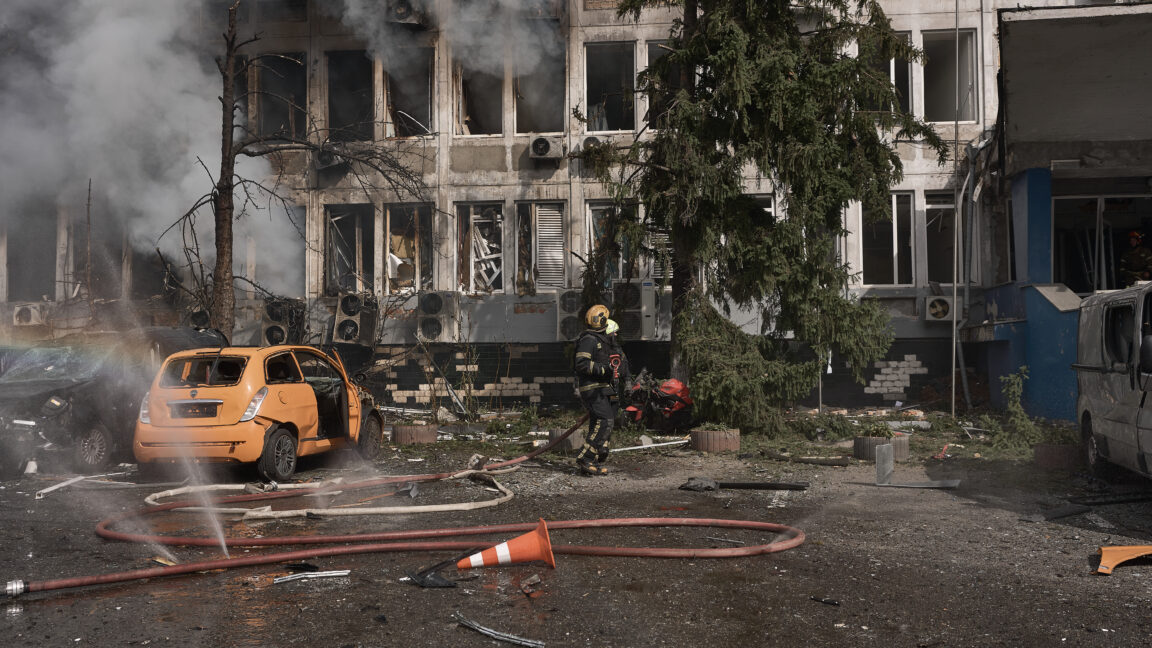
Russian tech companies are scrambling to harden and hide their data centers underground after Ukrainian drone strikes damaged facilities housing AI supercomputers and disrupted cloud services for millions of Russian users. Meanwhile, the Kremlin is requiring data center owners to reserve computing capacity for emergency state needs and has even authorized possible use of foreign data centers.

These consequences of Russia's war against Ukraine come as the Russian military has bombarded Ukrainian cities with drones and missiles nearly night and day in recent months, along with specifically targeting Ukrainian data centers since late September. But Ukraine has retaliated with its own drone strikes on military and infrastructure targets across Russia, degrading or knocking out data centers operated by Russian tech giant Yandex, the state-owned bank Sberbank, social media site VKontakte, and the Russian Ministry of Finance.

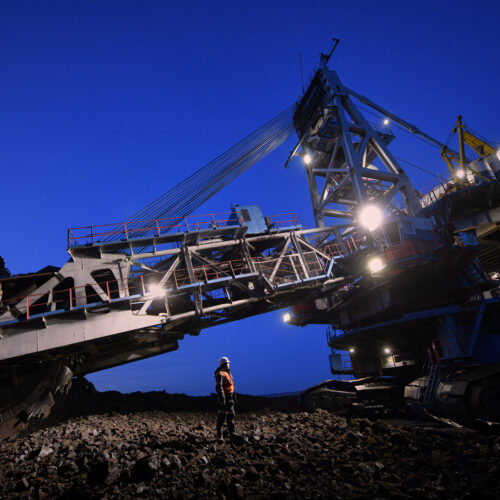
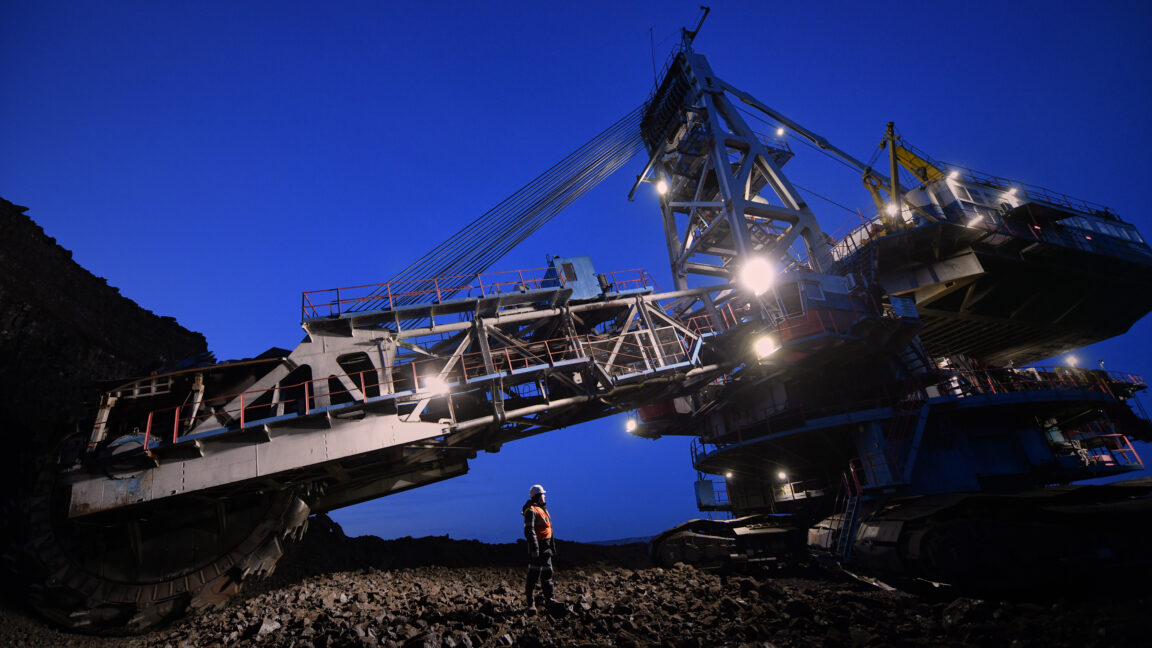
Now, state-owned telecommunications company Rostelcom has raised the possibility of moving some Russian data centers underground in talks with the nickel and palladium mining company Norilsk, according to Russian newspaper Vedomosti. The industry publication Data Center Dynamics also pointed to a recent proposal by a Russian regional governor to build data centers within open-pit coal mines while planting green public parks above as camouflage.

Read full article

Comments

© Alexander Manzyuk/Anadolu Agency via Getty Images

Supersonic airliner in doubt as company shifts to powering AI data centers

Boom Supersonic CEO Blake Scholl recently declared “it’s time for a renaissance in energy and in supersonic flight” as the supersonic airliner company unveiled a Colorado factory dedicated to making gas turbines for AI data centers. But Boom may be facing turbulence after early backers for both ventures have questioned the company’s delivery timeline or backed out entirely.

One of the company’s first customers, United Airlines CEO Scott Kirby, has expressed doubts about Boom’s original plan to deliver the first Overture supersonic airliner in 2029. Kirby’s latest frank assessment came during an interview with the Office Hours: Business Edition podcast that appeared on October 28, 2026.

“‘29 is their official timeline,” Kirby told podcast host Monica Langley. “It’s not going to happen in ‘29—it’s going to take longer.”

Read full article

Comments

© Boom Supersonic

Russia was not ready for the data center war it started with Ukraine

When Russia began attacking Ukrainian data centers and telecommunication infrastructure, it apparently failed to prepare for possible retaliation. Now Russia’s digital services are facing widespread outages after Ukrainian drone strikes knocked out three of the largest data centers owned by Russian tech giant Yandex within several days.

Pro-Kremlin bloggers are warning that Russia’s centralized digital economy could collapse because the country is not prepared for the “data center war” it started, according to posts translated by the pseudonymous independent researcher ChrisO_wiki. The Russian commentators also suggested that Ukraine’s decentralized digital services could prove more resilient than Russia’s system if the countries continue trading such blows.

Russia initially launched a drone strike campaign targeting Ukrainian data centers and mobile phone networks in late September. The attacks temporarily disrupted Internet and cell phone service for up to 100,000 households in the Ukrainian capital of Kyiv and came as part of a broader long-range strike campaign that has involved Russian missiles and jet-powered drones hitting Ukraine’s power grid infrastructure, transportation hubs, and even residential apartment building blocks.

Read full article

Comments

© Igor IVANKO / AFP via Getty Images

Ukraine’s drones knock out AI data center belonging to "Russia’s Google"

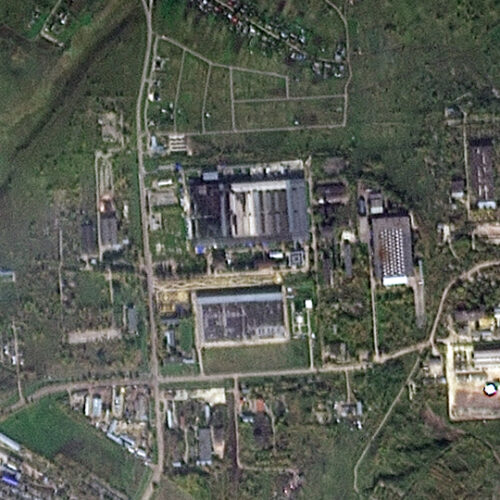
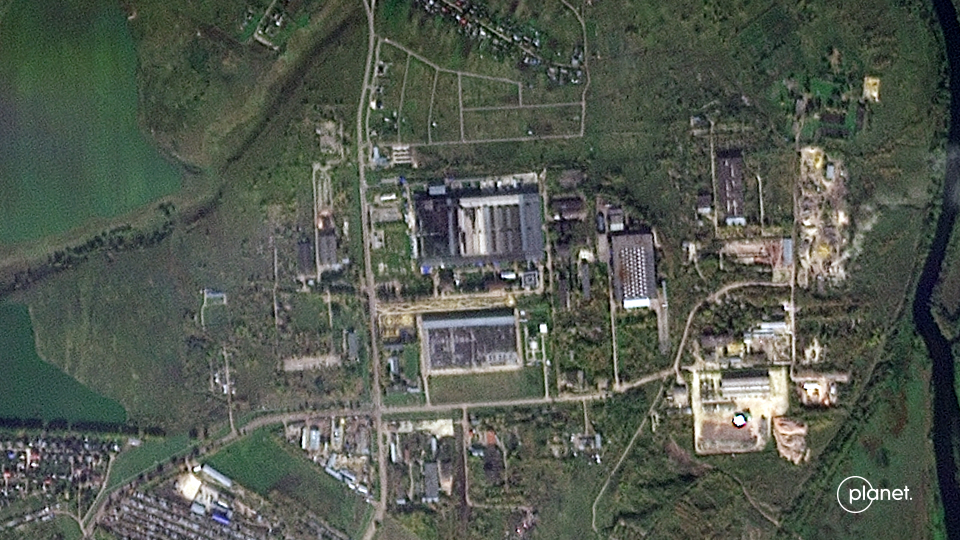
Ukrainian drone strikes have knocked out two of five data centers belonging to the Russian tech giant Yandex. The damage has left Yandex, known as “Russia’s Google” because it operates the country’s most popular search engine, struggling to maintain its AI chatbot and other online services.

The Ukrainian drones struck Yandex data centers in the Sasovo and Kaluga regions of Russia on October 8 and October 9, according to Reuters. Those actions came as a direct response to a Russian drone strike campaign targeting Ukraine’s data centers, which has disrupted mobile phone and Internet services for thousands of Ukrainians since late September.

“We continue to respond to Russia’s attacks on Ukraine, and we’re doing so with high precision,” said Ukrainian President Volodymyr Zelenskyy in a post on X. “Another data center was hit as well—our symmetrical response.”

Read full article

Comments

© Planet Labs PBC

❌