❌

Reading view

There are new articles available, click to refresh the page.

Hyperscale data centers use 2% of US electricity

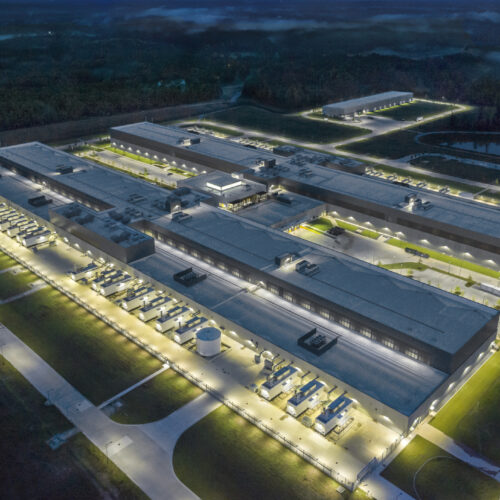
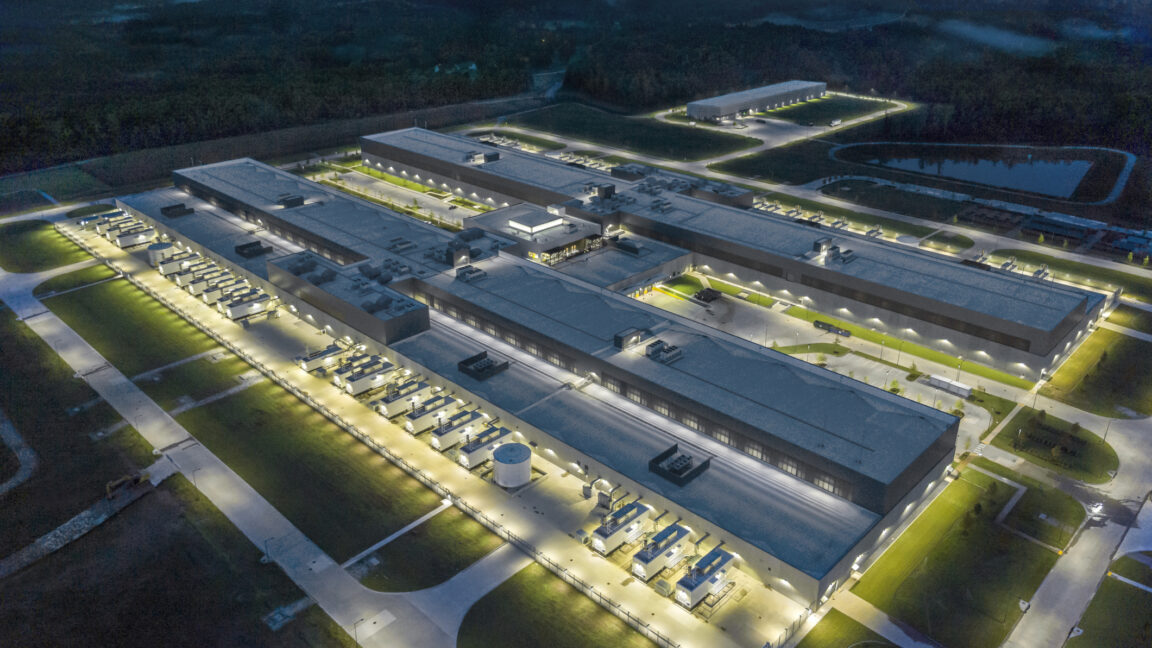
One flashpoint for the tech industry’s all-in push on large language models has been the sudden rush to turn investment money into hyperscale data centers. The rush hasn’t allowed anyone to plan how to supply the required electricity cleanly or with minimal impact on ratepayers. Instead, it has been difficult to even collect information on what’s being built.

A new study has tallied energy use and estimated emissions for hyperscalers operating in the United States between May 2024 and April 2025. They weren’t able to differentiate between AI compute and more traditional data services, but it provides a clear point of reference to track moving forward.

Finding the centers

The team started with a list of 675 facilities from a commercial database based on news reports, company statements, and satellite imagery. They dropped any that didn’t have a reported electrical capacity or that they couldn’t verify was a suitably large building with the expected cooling and electrical connection equipment. That reduced the list to 403 data centers with an average electrical capacity of about 40 megawatts.
Read full article

Comments

© Cavan Images / Peter Essick

Big Tech claims voters’ AI backlash is “anti-Trump” not “anti-tech”

Donald Trump’s big, rapid American AI buildout now faces a major slowdown as voters in yesterday’s elections overwhelmingly supported candidates and measures that favored increasing restrictions on AI and data centers nationwide.

One resource from a polling firm, called Redbud Consulting, tracked data center initiatives on the ballot and reported that out of 44 measures across 10 states seeking to restrict data centers, 38 passed so far. Those measures included dozens of moratoriums and bans. Analysts suggested those won’t impact data centers already under construction or approved through 2027, instead largely impacting future projects planned for 2028. Only one measure passed allowing a data center to proceed. But even that small win represented pushback on the AI industry—requiring data center developers in a North Dakota city to pay for independent reviews and hold public hearings when expanding or proposing projects.

In addition to increasing regulations on data centers, voters also backed anti-AI candidates, electing officials vowing crackdowns in key states building out the most data center capacity in the US.

Read full article

Comments

© Joel Angel Juarez / Stringer | Getty Images News

Highway thieves are spoofing GPS to steal millions in data center-bound cargo

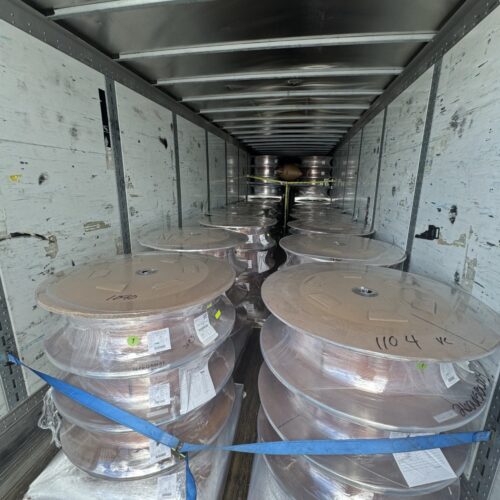
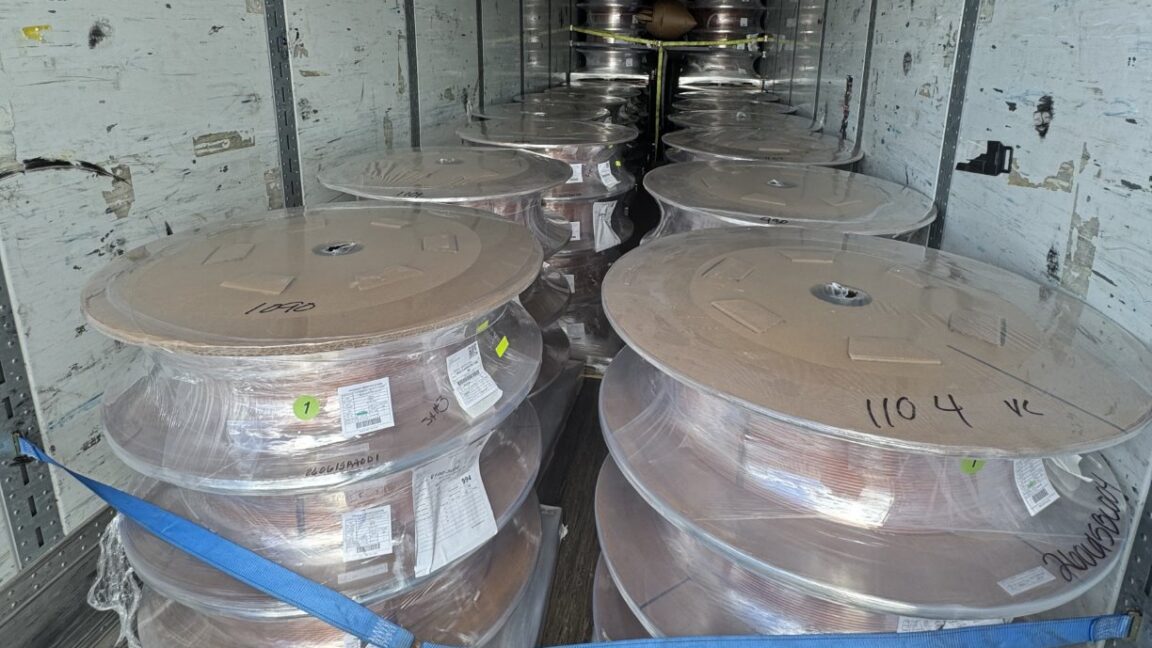
Highway thieves are using sophisticated digital tactics that investigators worry make it easy to rob trucks carrying millions in expensive data center equipment.

NBC News spoke to “several industry leaders, consultants, and investigators advising law enforcement” offices probing the biggest thefts yet and reported that since June, thieves have “made away with more than $100 million in data center freight.”

Here’s how they said thieves get away with it: First, thieves hack freight brokers’ accounts on shipment-listing websites and post fake shipments to lure real bids, then send a malicious link to any trucking companies that respond. Once victims click, thieves install software to take control of their accounts and start bidding on real shipments. Sometimes, a real delivery driver is hired to collect the cargo, unaware of the scam, and other times fake driver’s licenses are used to get accomplices hired. Either way, the goods are eventually transferred to a driver working with the thieves to resell the gear, and, in one of the largest thefts, tracking coordinates were spoofed to prevent digital monitoring.

Read full article

Comments

© via Cook County Sheriff's Office X

❌