❌

Reading view

There are new articles available, click to refresh the page.

Polestar has a new look with its Formula 2030 concept

Perhaps only a small percentage of Ars readers will care about the Polestar 2030 concept, debuted today by the electric automaker. Spun out of Volvoβ€”once upon a time, Polestar was a racing teamβ€”the brand has leveraged the resources of parent-automaker Geely to create electric vehicles that marry a modern minimalist style with rewarding driving dynamics. But you now can’t buy any Polestars in the US, since Geely is Chinese, and banning Chinese-owned car brands enjoys remarkable bipartisan support in Congress.

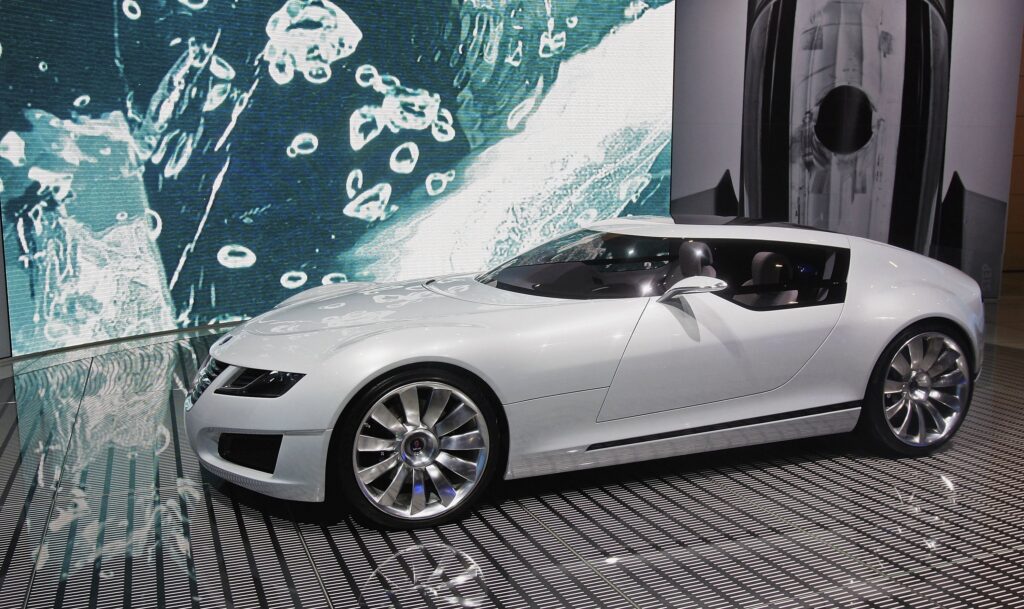
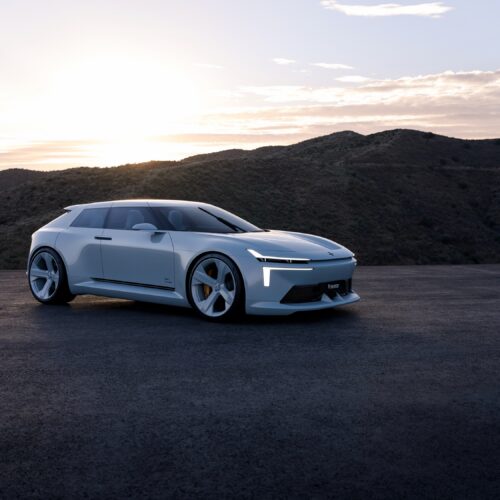
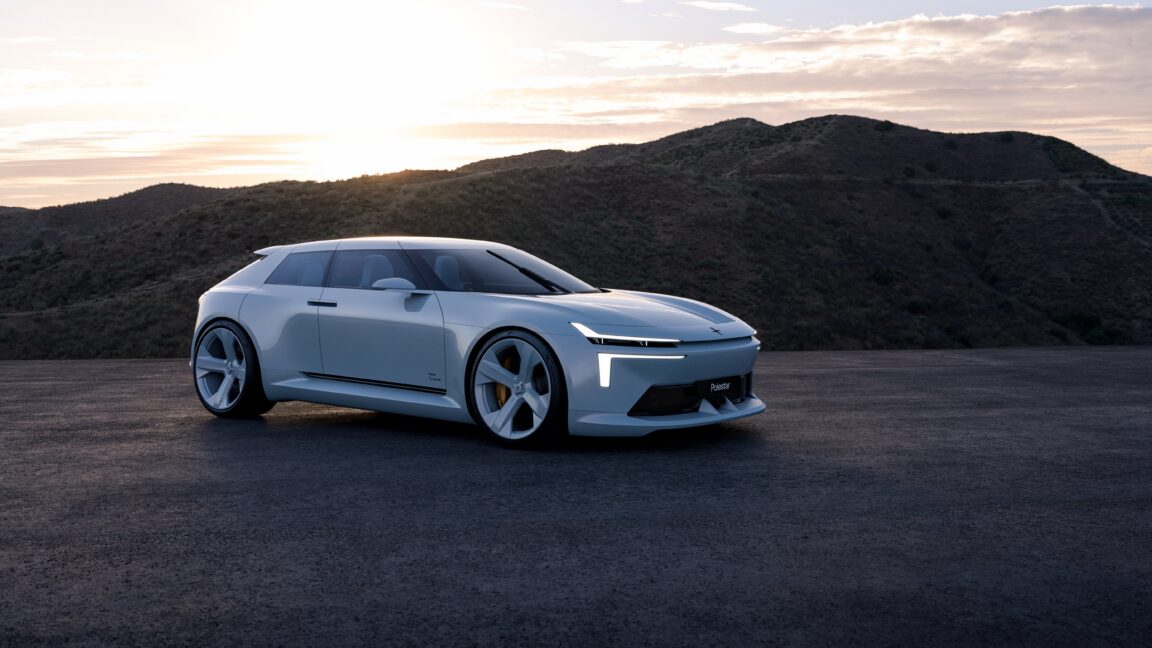
The Formula 2030 is about the same length as a Polestar 2 but with a very low roofline. If anything, the two-box shape reminds me of the Saab Aero-X, one of the final concepts from the then-terminal Swedish automaker. (In many ways, Polestar has adopted Saab’s mantle.)
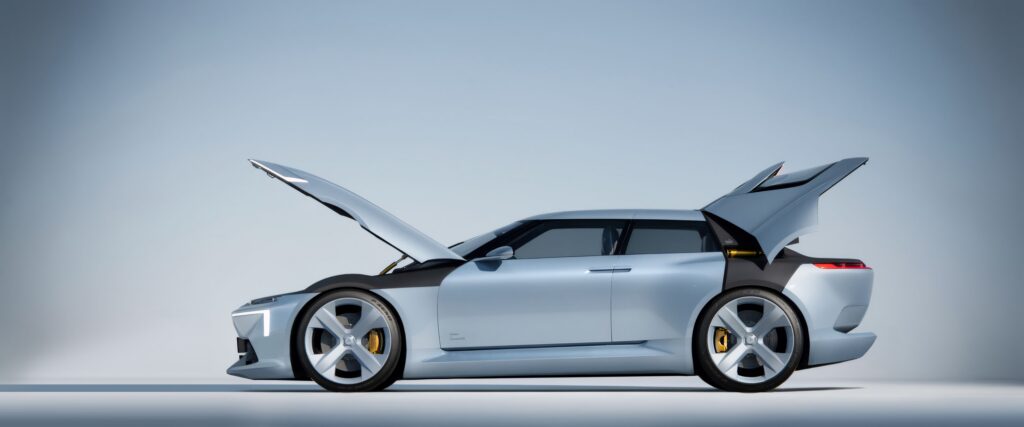
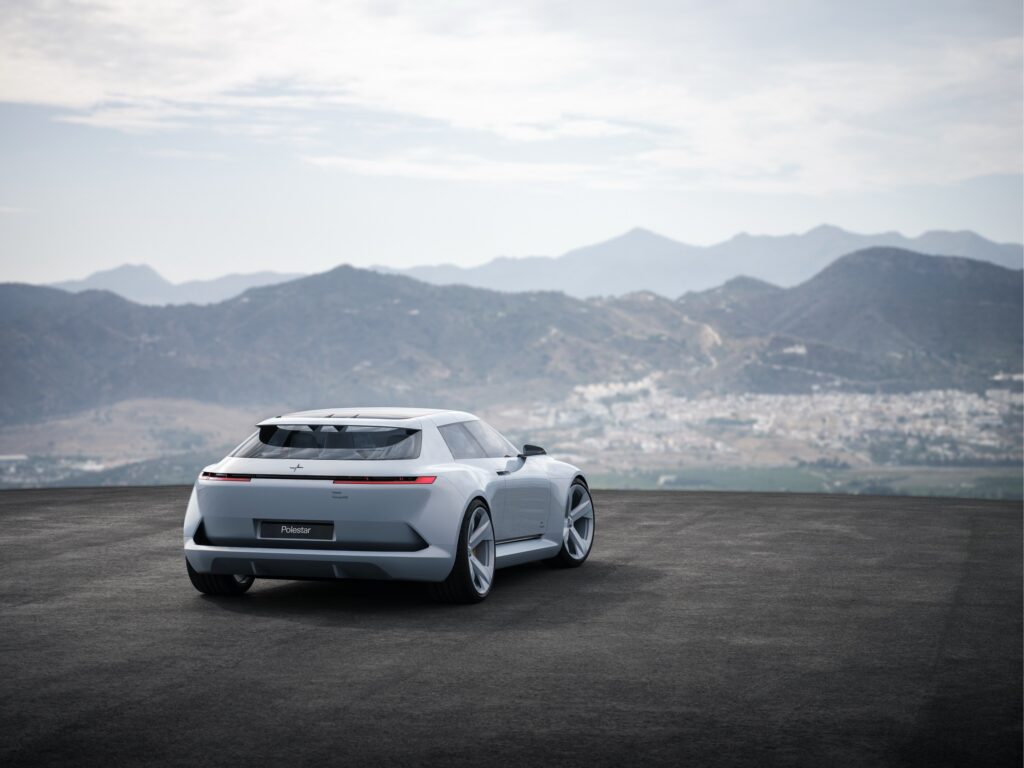
Credit: Polestar
Polestar Formula 2030 concept from behind
These rear lights will show up in production Polestars.
GENEVA - FEBRUARY 28: The new Saab Aero-X, a 400 bhp ethanol-fuelled engine is unveiled as it makes its world premiere during the 76th Geneva International Motor Show on February 28, 2006 in Geneva, Switzerland. The show features World and European premieres of cars, and will be open to the public from March 2nd to the 12th. (Photo by Scott Barbour/Getty Images)
In 2008, Saab showed off the Aero-X concept. Credit: Scott Barbour/Getty Images

Polestar says the concept fits into its own segment somewhere between the next Polestar 2 and the Polestar 7β€”it numbers its cars chronologically (mostly), not based on sizeβ€”although it’s not saying if the hatchback design will go into series production. Successfully packaging rear-seat passengers and a lithium-ion battery pack is something a concept needn’t worry about, after all. Rather, it’s a styling exercise, or more than one.
Read full article

Comments

Β© Polestar

Polestar tries to quantify what it’s like to drive a performance car

The human desire to go fast is old, dating back at least as far as the first time some adventurous Yamnaya saw a horse on the Pontic-Caspian steppe and thought, β€œI bet if I jumped on that thing’s back, it would be faster than walking.”

A thousand years later, someone else invented the wheelβ€”and the chariotβ€”and humanity was ready to roll. Now, about five millennia since that first horseback ride, equestrianism is mostly a leisure activity, and we drive cars, propelled by motors with more power than an entire herd of beasts could muster.

Acceleration, top speed, and lap times are the usual ways we quantify that performance, and performance electric vehicles are currently in an arms race to see which one can hit 60 mph in the least amount of time. But measuring a car’s performance is easyβ€”all you need is a stopwatch and a track. How about measuring the effect of car performance on the driver? That’s a question Polestar is trying to answer with researchers at the University of Oxford.

Read full article

Comments

Β© Polestar

❌