❌

Reading view

There are new articles available, click to refresh the page.

“What Your Child’s Lack of Effort Is Really About”

Getting things done isn’t a single skill. Productivity entails interest (motivation), initiation, sustained effort, and follow through, the last three of which rely heavily on executive functions. Those are four different areas. A child can be fully interested in a project or task and still stall at any of the other three default explanation – and this is seldom an accurate assessment of the issue. More likely is that one of these four areas broke down.

A parent recently wrote to me about her daughter, who “shows no motivation to work hard at anything.” Another parent was exasperated during our last session over his child who “doesn’t stick with anything and has no grit.” Both parents expressed extreme frustration and asked how to help their children try harder.

I totally understand their frustration. And I helped them see that it’s aimed at the wrong issue.

What a Lack of Effort Is Really About

When I speak with kids directly about their parents’ observations, they usually aren’t defensive. In fact, they often don’t dispute any of the observable facts — procrastinating on homework or studying, quitting an activity, fighting about effort. What they tell me is simply that, when something gets hard or boring, staying with it is genuinely difficult. It’s not that they are unwilling or disinterested; it’s that they are struggling.

This distinction matters. Take a poor grade on a test. “My child doesn’t care about school” invites conflict, pressure, and consequences that won’t fix the issue. So what’s a better approach?

[Read: Why Is It So Hard to Motivate Kids with ADHD?]

“My child finds this genuinely harder than most. There is a skill here that needs to be built.”

It’s a reframe that invites curiosity and collaboration and lowers the temperature of the situation. It provides a way forward.

What Actually Helps

Understand That Motivation Is Rarely Enough

Motivation rarely finishes anything on its own. It also works differently in ADHD. The brain discounts distant rewards more steeply, with reduced activation in its reward circuitry when a payoff isn’t immediate. This means that a test looming weeks from now rarely translates into a pull to start studying now. This is not because of a values gap, but because of a documented difference in how distant reward registers.

Initiation Is a Common Breakdown Point

Initiation is starting without being prompted. This is often where the invisible breakdown happens. A child can deeply want to succeed and still have trouble getting started, because starting is a separate hurdle from wanting. Try these strategies to help your child kick things into gear:

[Read: No Motivation? 5 Steps to Build Drive and Confidence]

  • Shrink the entry point. “Read for five minutes” or “get the instrument out of the case” costs less than “study for half an hour” or “practice.” Momentum usually carries the rest once they start.
  • Name the feeling behind the avoidance. For example, “I’m overwhelmed” or “I’m dreading this.”
  • Habit stack. Pair the unpreferred activity with a fixed anchor. Organizing their backpacks for school the next day, for example, can happen right after dinner, or right after brushing teeth.

Scaffold and Reward

Sustained effort means staying engaged once a task turns boring, repetitive, frustrating, or difficult without someone standing over you. Follow-through is carrying a task to completion; managing time, resisting distractions, and being able to return to it after interruptions. Follow these tips if your child struggles at these points:

  • Define clear endpoints for the task. When a task is already frustrating or boring, uncertainty over how much longer the discomfort will last can thwart progress. A timer can help, but only if it doesn’t add pressure.
  • Add immediate reinforcement. A short, instant reward after a stretch of effort bridges the gap a distant payoff can’t.
  • Alternate intensity. Commit to 10 minutes or a shorter unit of hard focus, then take breaks.
  • Use external scaffolding. A visible checklist, a body double, a gentle check-in. For many kids with ADHD, it’s the bridge that makes self-directed effort possible.
  • Teach recovery rather than perfect concentration. It’s normal for our attention to wander. The skill is noticing and re-engaging with the primary task in one tiny way without turning the lapse into an episode of self-judgment that induces shame and resistance.

“My Child Puts No Effort Into Anything!” Next Steps


ADDITUDE IS HUMAN
Artificial intelligence does not create or edit any written content published by ADDitude. Our editorial team is 100% human, and our mission is simple: listen to and serve our readers with hand-crafted, expert-informed resources. To support ADDitude, please consider subscribing. Your readership and support help make our commitment possible. Thank you.
5 Life-Changing Levels of Not Giving a Fuck

Every day, hundreds of millions of people suffer from giving too many fucks. They spend their lives imprisoned by meaningless anxiety and unnecessary concerns. But it doesn’t have to be that way.

In this article, I’m going to walk you through the five levels of non-fuck-giving, each level demonstrating more non-fuckery than the last. You will learn step by step how to face your fears, how to stop worrying what other people think, and how to achieve the eternal bliss of a fuckless life.

Strap in, it’s time to stop giving fucks and start living.

Level 1: Embarrassment

In psychology, there’s something known as the Spotlight Effect. The Spotlight Effect says that we all tend to assume that people are paying far more attention to us than they actually are.

Think back to the last time you got a terrible haircut. Chances are you walked around all day assuming that everybody was staring at that tragedy of a mop on your head. But the reality was most people didn’t notice. And if they noticed, they sure didn’t care.

One of my favorite quotes ever comes from the author David Foster Wallace. He said:

You will stop worrying so much what other people think about you when you realize how seldom they do.

As someone who grew up with a lot of social anxiety, this idea was absolutely profound to me. But the problem is the idea by itself is not sufficient. You have to get out into the world and experience it. You have to get out and challenge your own Spotlight Effect.

Does that mean you have to put on a chicken suit and go for a walk at your local mall? No, not necessarily (though I won’t stop you). But it does mean you have to do something.

You have to challenge yourself. You have to put yourself into uncomfortable situations in front of other people, and prove to yourself conclusively that nobody’s paying attention, that nobody gives a shit.

Tolerating embarrassment is the bedrock of not giving a fuck. The moment you realize nobody fucking cares, that’s when you’ve conquered Level One of non-fuck-giving.

Onwards.

Level 2: Rejection

If the willingness to look like an idiot is the first step towards not giving a fuck, the next step is being willing to face rejection.

It’s one thing to not care what strangers think, but what about people you actually care about? Are you willing to say things that your friends and family might not approve of? Are you comfortable having difficult conversations? Are you afraid to embarrass yourself on a date?

People who give way too many fucks don’t do well with rejection. Their self-esteem is so wrapped up with social approval that they find rejection intolerable and do their damnedest to avoid it, usually by performing. They view every social situation in terms of “What do I say or do to get people to like me?” And then they try to say or do that.

This is a terrible way to live, for a bunch of reasons. The first is just that it’s incredibly stressful. Every social interaction basically becomes like an exam at school where you have to say and do the exact right things to get the result.

But the real reason is that it prevents you from having healthy relationships in the first place. Even if you do perform in the right way and get people to like you, you will never fully trust that they like you for you.

The big breakthrough for most people comes when they finally drop the performance and embrace authenticity in their relationships. When they realize no matter how well they perform, they’re eventually gonna be rejected by someone, they might as well get rejected for who they already are.

When you start approaching relationships with authenticity, by being unapologetic about who you are and living with the results, you realize you don’t have to wait around for people to choose you, you can also choose them.

And this changes everything.

Level 3: Criticism

Fact: you can’t keep everyone happy all of the time.

Whatever you do, there will be people who’ll criticize your actions, say negative things about you. And you must learn to live with this, to understand that criticism is part of the job description of success, that the respect and admiration you want will always come with a healthy serving of critics eager to tear you down.

The next time you’re criticized, here’s what you do:

  1. If you respect the person, listen to the criticism and improve.
  2. If you don’t respect the person, then fuck them. Who cares?

Criticism is simply information. If it isn’t useful information about you, then it’s useful information about them. Either way, it’s constructive. So why avoid it?

Level 4: Failure

Something incredible happens when you stop giving a fuck what other people think about you—which is what Levels 1-3 were all about—it gives you the freedom to fail.

All those things you’ve been curious about, all those adventures you’ve dreamed of but been too scared to pursue, it all suddenly opens up to you because you’ve stopped giving a fuck what people will say about you if you fail.

You no longer care what your family’s going to say if you quit your shitty job and can’t find a better one, so you go ahead and quit. You no longer care if you join a breakdance class and are so terrible at it you become the butt of everybody’s joke, so you go ahead and sign up.

Here’s the thing: it doesn’t matter if you fail. It matters what you do. Life happens in the process, not the results.

Most of us are too results-oriented and not enough process-oriented, and I think a lot of this comes from the way we’re raised. You grow up and you’re rewarded for getting an A on the test or getting a gold star at the activity. Everything is about “Can you achieve this result? And then we will reward you.”

But the fact of the matter is, life doesn’t actually work that way. In fact, in many ways, life rewards the willingness to fail, life rewards the person who is willing to embarrass themselves a little bit, who’s willing to take some risks, who’s willing to be bad at something for as long as it takes to get good at it.

So let me ask you, what are you unapologetically bad at? What are you more than happy to be terrible at because it brings so much joy to your life?

Find that something, and go do it. Even if you fail spectacularly, you’ll have done something worthwhile, something you’ll be proud to tell your grandchildren about.

Level 5: Zero Fucks Given

Congratulations. We’ve made it, my friends, to the pinnacle. Undeterred by embarrassment, rejection, ridicule or failure, we have achieved the perfect freedom of non-fuckery.

A life of zero fucks given is a life of zero pressure, zero regret. It’s a life of freedom, of doing whatever the hell you want to do, of being whoever the hell you want to be.

Look, you and everyone you know are gonna die one day. So what the fuck are you waiting for? That goal you have, that dream you keep to yourself, that person you wanna meet. What are you letting stop you? Go do it.

Because seriously, who gives a fuck?

3 Hard Truths You Need to Hear

Welcome to the realm of uncomfortable truths, where I, Mark Manson, will make you question everything you’ve ever believed in.

Buckle up, buttercup. Let’s dive into the rabbit hole of reality.

Truth #1: You’re Wrong About (Almost) Everything

One day, everything you believe today will be proven to be completely and utterly wrong or incomplete.

Remember the past you? The one with embarrassing beliefs and naïve ideas? Well, guess what, future you will look back at present you with the same cringe-worthy disgust.

The Lesson: Next time you’re absolutely sure about something, take a step back and ask yourself if it’s something you’ll be embarrassed about in a decade.

If yes, maybe shut the fuck up.

Truth #2: Most People Aren’t Evil, Just Stupid (Including You)

Social media has made moralizing a sport, with people constantly judging each other as good or evil based on their ideas.

Enter Hanlon’s Razor:

Never attribute to malice what can be adequately explained by stupidity.

And now, Manson’s Addendum: pretty much everything you see or read is some degree of stupidity.

The Lesson: Combine these two principles, and you’ll see that we should reserve our moral judgments for only the clearest of situations.

Slow down on the judging, folks.

Truth #3: Care About People (And Show It)

George Vaillant’s study of Harvard graduates spanning 70 years revealed that the only consistent factor contributing to happiness and well-being is the quality of our relationships.

The secret? Learn to care about others and show them that you care.

The Lesson: The highest leverage skill you can build in your life is to care about people and demonstrate it. Cultivate strong relationships based on trust, intimacy, vulnerability, and mutual respect.

Remember, it’s all embracing the fact that we’re all a little bit stupid.

Manson, out.

How to Be Successful in Life

The internet is inundated with countless videos and advice columns promising to teach you how to become more successful than 99% of the world’s population.

Most of these claims revolve around setting goals, developing discipline, and eliminating distractions.

But let’s face it: if you take a close look at the habits of highly successful people, you’ll quickly realize that they don’t strictly adhere to a regimented lifestyle or adopt monk-like behavior.

So, what is it that truly sets the wildly successful apart from the rest?

The Real Pillars of Extreme Success

To genuinely rise above 99% of the population, you must:

  1. Develop a contrarian idea
  2. Be correct about that idea
  3. Execute on it on a massive scale

The most significant challenge lies in disagreeing with the majority, being right in your contrarian stance, and having the courage to put everything on the line for your beliefs.

People often fixate on the execution aspect because it’s the most visible and easiest to emulate.

However, execution alone does not determine the extent of a person’s success.

Correct Contrarianism: The Key Ingredient to Groundbreaking Achievements

Some of history’s most significant breakthroughs, such as the theory of relativity by Albert Einstein or the Wright brothers’ invention of the airplane, were once correct contrarian ideas that were initially deemed ridiculous and dismissed by many.

The willingness to challenge widely-held assumptions, adopt unpopular beliefs, and remain steadfast despite the ridicule and criticism that may come your way is what paves the way for groundbreaking success.

The Overlooked Downside of Extreme Success

But before setting your sights on becoming more successful than 99% of people, take a moment to consider the following potential drawbacks:

  1. You will be unpopular – Achieving extreme success can often alienate you from friends and family who may not understand or support your unconventional path.
  2. You will fail—a lot – To become a correct contrarian, you must first accept the fact that you’ll be an incorrect contrarian many times, which can lead to numerous setbacks and failures along the way.
  3. The happiness myth – Success doesn’t automatically equate to happiness. In reality, success often amplifies who you already are and how you feel, so it’s not a cure-all for life’s problems.

Redefining Success: Identifying Your True Motivations

Rather than obsessing over the notion of outperforming 99% of people, take some time to reflect on your underlying motivations for seeking such a high level of success.

Make sure you’re setting the right definition of success for yourself, and pursue your passions and goals for the right reasons.

By doing so, you’ll be more likely to achieve genuine fulfillment and satisfaction in life.

5 Ways to Get Rid of Anxiety

We’re living in an era where anxiety seems to be omnipresent, and everyone is struggling with it to some degree.

It’s important to remember that the reasons behind our anxiety may not be as crucial as our reactions to it. In this guide, let’s explore five comprehensive ways to help you deal with anxiety, along with one slower, long-term approach.

Emotions & Physiology: The Undeniable Connection

Our emotions are deeply intertwined with our physiological state.

When we repeatedly experience certain emotions, especially during our formative years, our bodies can adapt to this state as a natural response to various situations.

To challenge and change this, we have to consciously work on reacting differently when those emotions arise.

Here are five techniques to start with.

Technique 1: Breathe With Purpose

Controlled breathing techniques can effectively regulate our physiological state when anxiety strikes. One of the most popular methods is the 4-7-8 technique:

  1. Inhale deeply through your nose for 4 seconds.
  2. Hold your breath for 7 seconds.
  3. Exhale slowly through your mouth for 8 seconds.

Repeat this cycle at least four times.

Ensure that you’re engaging your diaphragm while breathing, as this promotes better blood flow and helps your body relax.

Technique 2: Embrace the Calming Power of Meditation

Meditation is a potent tool in managing anxiety. It encourages deep, controlled breathing and teaches you to observe your thoughts and feelings without reacting to them.

This ability to let things be without judgment can improve various aspects of your life, making you more relaxed, patient, and resilient.

To start meditating:

  1. Find a quiet space and sit comfortably.
  2. Close your eyes and take a few deep breaths.
  3. Focus on your breath and let your thoughts come and go without engaging with them.
  4. Gradually increase your meditation time as you become more comfortable with the practice.

Technique 3: Share Your Thoughts and Feelings

Sometimes, the most straightforward solution to anxiety is to talk about it with someone.

By sharing your heightened emotions with a trusted friend, family member, or mental health professional, you may realize that your concerns aren’t as significant as they first appeared.

Connecting with others can provide support, encouragement, and the stability you need to navigate your anxiety.

Technique 4: Confronting the Worst-Case Scenario With Stoicism

Negative visualization is a concept from stoicism that involves imagining the worst-case scenario and learning to accept it.

This exercise enables you to think several steps ahead, recognize that you can handle whatever comes your way, and ultimately reduce anxiety.

To practice negative visualization:

  1. Identify the situation that’s causing you anxiety.
  2. Imagine the worst possible outcome.
  3. Consider how you would cope with this outcome and the steps you would take to move forward.

Technique 5: Tequila Orgy

Just kidding!

While it’s tempting to conflate pleasure with happiness, pleasure is ultimately a false god and will eventually fail you.

But if you laughed a little at that, well that might help your anxiety too.

The Uncomfortable Reality: There’s No Quick Fix

Now, for the slower, long-term approach: The uncomfortable truth is that anxiety never completely disappears—we just become more adept at handling it.

High performers under pressure aren’t necessarily less anxious than others. They’ve simply developed strategies to manage their anxiety more effectively.

It’s essential to acknowledge that there’s no magic pill or instant solution to eradicate anxiety.

Rather than seeking a quick fix, we should focus on embracing a long-term mindset, gradually building resilience and equipping ourselves with tools to navigate anxiety when it arises, starting with the five four I’ve shared in this article.

You’re welcome.

Why We Do Things We Hate

Many of us harbor a deep-seated desire to adopt a particular identity, often picturing ourselves as something that we are not.

For example, I’ve longed to be a surfer for years. The idea fascinated me so much that I even booked several weeks of surf lessons in Costa Rica.

Surfing can be incredibly meditative. It compels you to surrender control and simply respond to the unpredictability of the ocean.

The nature of surfing is such that you can’t control the waves. All you can do is react to them. It encourages a zen-like mindset where you learn to accept whatever comes your way and respond to it with your best effort.

Yet, despite the appeal, I soon realized a painful truth: I was more in love with the idea of being a surfer than actually surfing. The thought of catching the perfect wave was thrilling, but the reality involved a lot of crashing, paddling, and exhaustion.

Identity Versus Reality

This dissonance between the allure of an identity and the reality of it is something we all grapple with.

Why do we yearn to adopt these identities? For me, being a surfer was a way to fill a perceived void, an aspiration to be this cool, athletic beach bum.

It’s crucial to understand that wanting an identity is not the same as enjoying the work it entails. This lesson came to me through writing. It’s easy to call oneself a writer, but to put in the work and actually be a writer is another matter. It involves a lot more blood, sweat, and tears.

People often approach me, expressing a desire to become writers. The truth, however, is that many of them are drawn to the idea of being a writer, not the process of writing. They want the identity, not the work.

The Courage to Let Go

Admitting the disconnect between wanting an identity and enjoying the activity can be a tough pill to swallow.

I, too, had to face the fact that I didn’t find surfing fun after spending a considerable amount of money and time on it.

Many of us fall into the trap of adopting an identity, persevering through tasks we despise because of the persona they allow us to project. Just like the lawyer who loathes his job but clings to the successful lawyer persona, it’s easy to fear letting go of these illusions.

The real courage lies in being okay with not knowing who you are or what you want to do.

The Freedom of Letting Go

So, the question arises:

What are you doing in your life that you don’t actually love, but you’re doing it because of the image it projects or the persona it creates?

Identifying such areas can lead to the root cause of your anxiety, misery, or dysfunction. Such forced identities create unnecessary friction in our lives and often lead us to defensive behaviors to maintain these illusions.

Learning to let go of identities that don’t serve your happiness and fulfillment is liberating. As Seneca wisely put it, a rich man isn’t someone who has everything, but someone who wants nothing.

The more you desire things that aren’t authentically aligned with you, the less content you’ll feel. The process of letting go increases your sense of joy and fulfillment.

Upon realizing I wasn’t destined to be a “badass surf dude,” I felt an enormous sense of relief. I found comfort in embracing my true identity as a “nerd behind a computer.”

This realization helped me drop the burdensome façade and accept myself as I truly am. The key to a rich life is finding pleasure in the things themselves, not just in the identities they confer upon us.

14 of the Best Nonfiction Books You Should Read

All ye readers, buckle up.

Today, I’m giving you 14 non-fiction books I believe everyone should read.

For each book, I’ve provided a brief summary. Now it’s up to you to decide if it’s worth your time.

Let’s dig in.

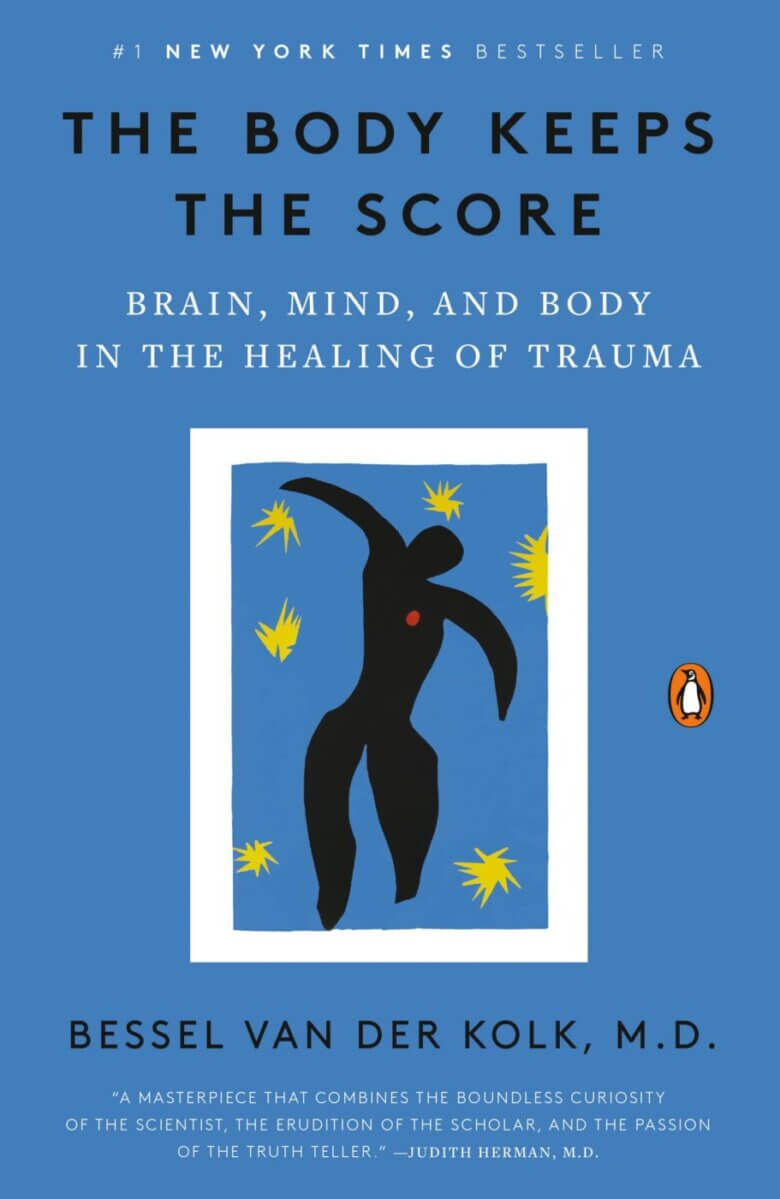
1. The Body Keeps the Score
by Bessel van der Kolk

The Body Keeps the Score by Bessel van der KolkThis book dives deep into the world of trauma, discussing its effects on the mind, body, and daily life.

If you want to know everything about trauma and how to deal with it, this is your go-to guide.

2. The Paradox of Choice
by Barry Schwartz

The Paradox of Choice by Barry SchwartzWith more choices, we often feel less satisfied.

This book argues for simplifying our lives and limiting ourselves in various ways to combat the constant bombardment of options we face daily.

3. The Blank Slate
by Steven Pinker

The Blank Slate by Steven PinkerDebunking the myth that our minds are born as clean slates, Pinker delves into the importance of genetics in shaping our identities.

This book is a must-read for anyone interested in the ongoing debates around gender, sex, and race.

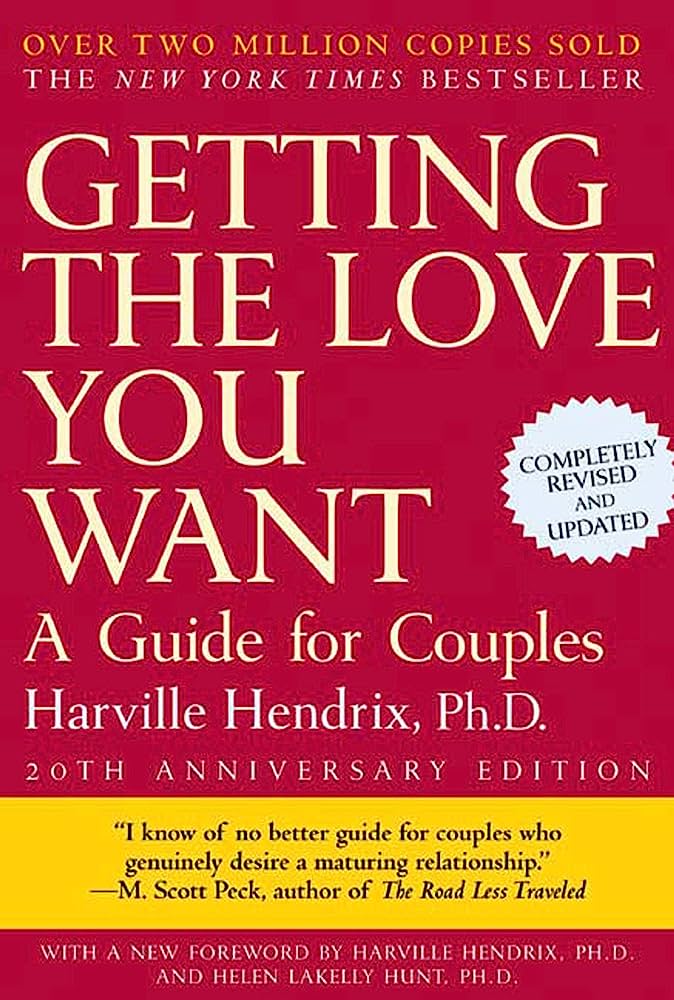
4. Getting the Love You Want
by Dr. Harville Hendrix

Getting the Love You Want by Dr. Harville HendrixThis book explores the psychology of relationships, explaining the patterns we follow based on the mental maps we develop as children.

If you want to understand why you keep dating the same type of person, give this a read.

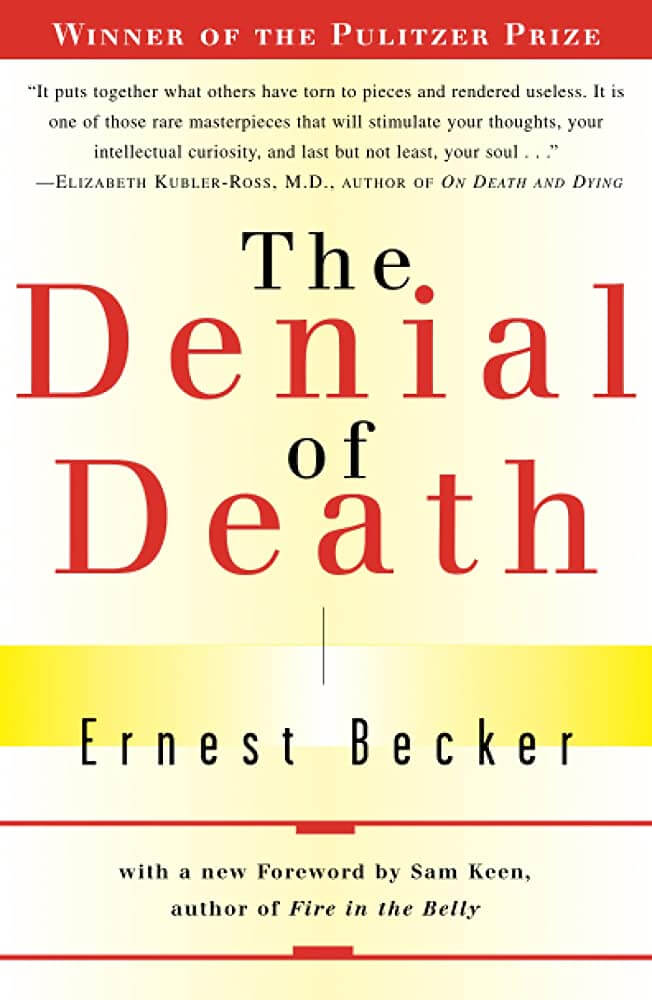
5. The Denial of Death
by Ernest Becker

The Denial of Death by Ernest BeckerA profound take on our motivations in life, this book suggests that we’re driven by a fear of death.

We undertake massive projects in the hope of leaving a legacy, allowing us to forget our mortality.

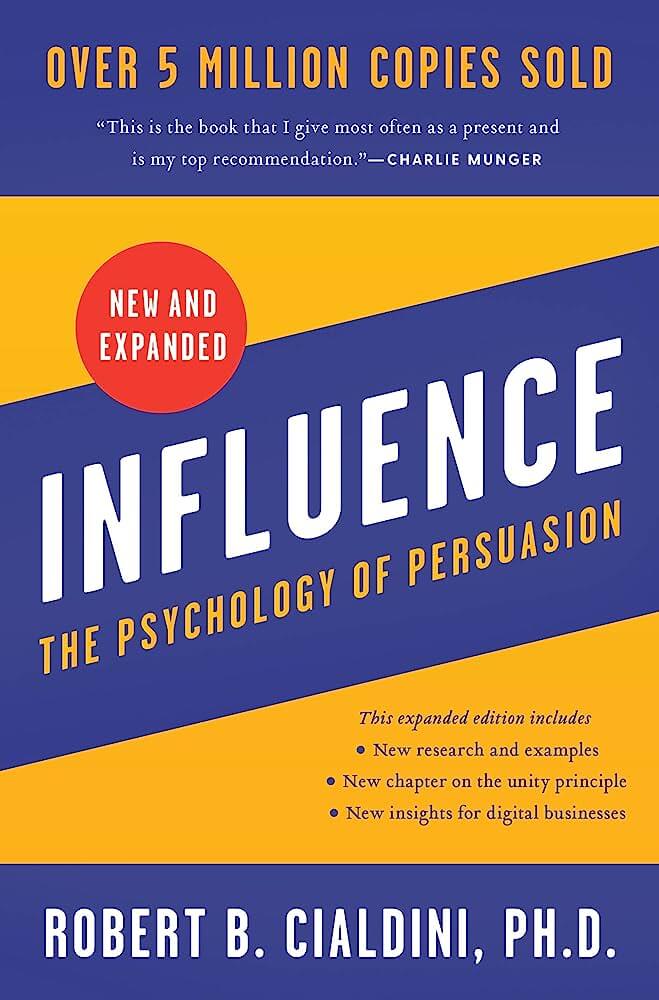
6. Influence
by Robert Cialdini

Influence by Robert CialdiniA must-read for those in marketing, sales, or publicity, this book examines the psychological triggers that influence decision-making.

It’s also useful for consumers who want to understand how they’re being manipulated.

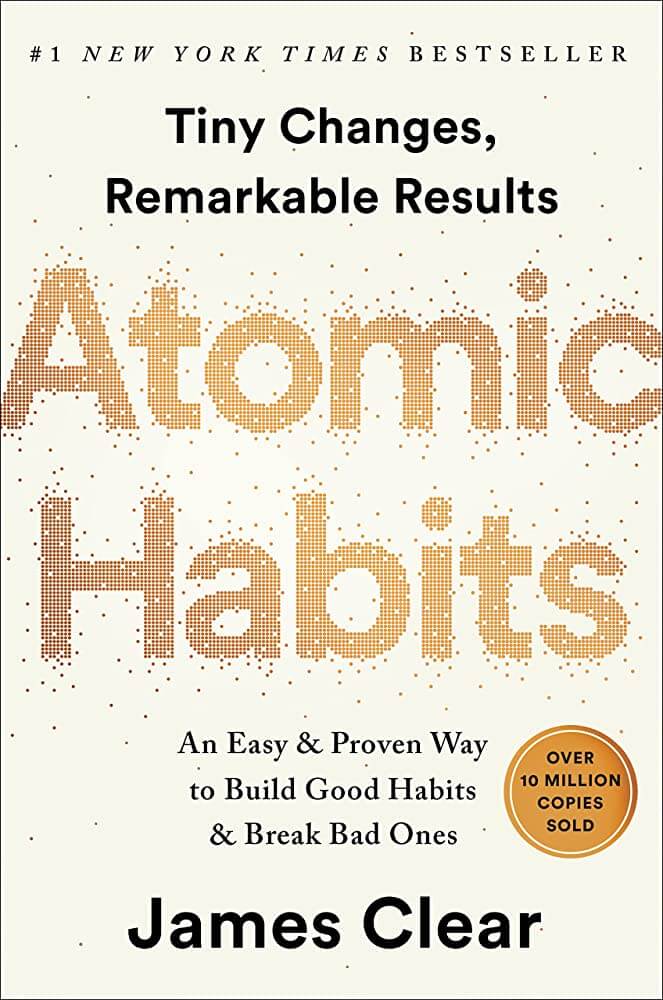
7. Atomic Habits
by James Clear

Atomic Habits by James ClearJames Clear tackles the emotional drivers behind habit change, explaining that changing emotions comes first, followed by physical behavior.

Learn how small actions can accumulate and compound over time.

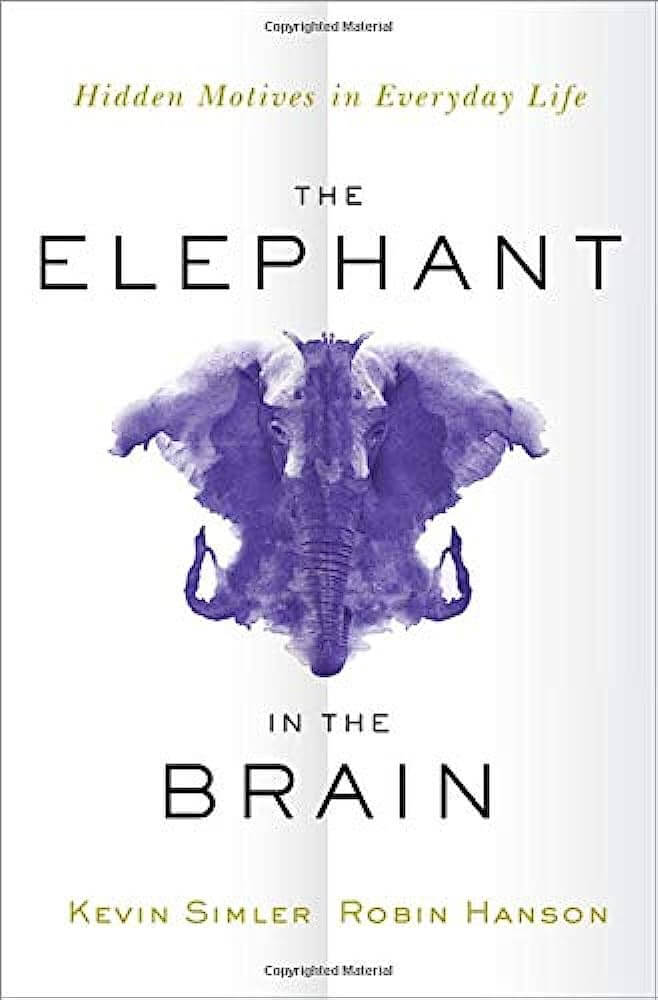
8. The Elephant in the Brain
by Kevin Simler and Robin Hanson

The Elephant in the Brain by Kevin Simler and Robin HansonSimler and Hanson delve into our darker impulses and the conscious mind’s attempts to rationalize them.

This book exposes the hidden motives behind our beliefs and attitudes.

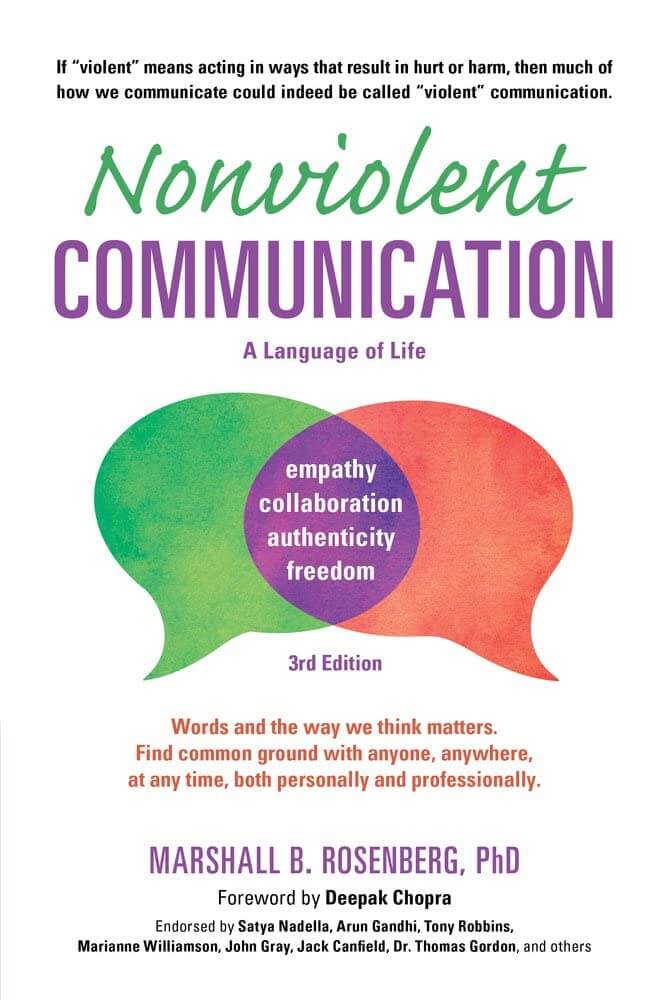
9. Nonviolent Communication
by Marshall Rosenberg

Nonviolent Communication by Marshall RosenbergThough slightly woo-woo, this book offers insight into the subtext and meaning embedded in our language when talking about feelings.

Understand how your use of language affects your emotions and relationships.

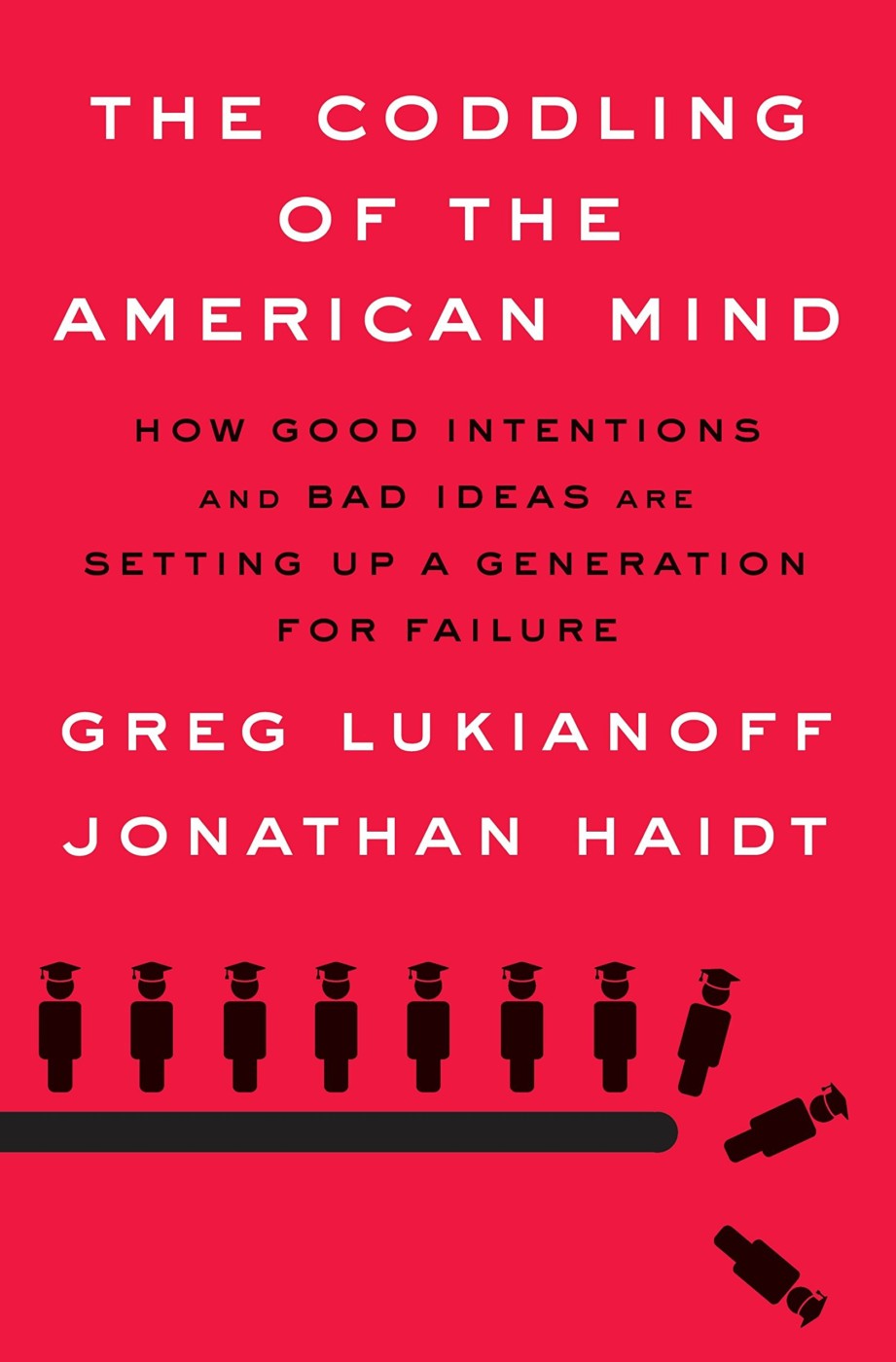
10. The Coddling of the American Mind
by Greg Lukianoff and Jonathan Haidt

The Coddling of the American Mind by Greg Lukianoff and Jonathan HaidtJonathan Haidt and Greg Lukianoff’s The Coddling of the American Mind takes a hard look at how changes in education, parenting styles, and technology have led to a more emotionally fragile population. They argue that it’s not the kids’ fault, but rather the responsibility of parents and teachers.

This book offers some important points about culture in recent generations.

11. So Good They Can’t Ignore You
by Cal Newport

So Good They Can't Ignore You by Cal NewportCal Newport’s So Good They Can’t Ignore You challenges the idea that purpose is something you just find. Instead, Newport contends that passion comes from first becoming great at something.

This book offers a fresh perspective on how to find purpose and passion in life.

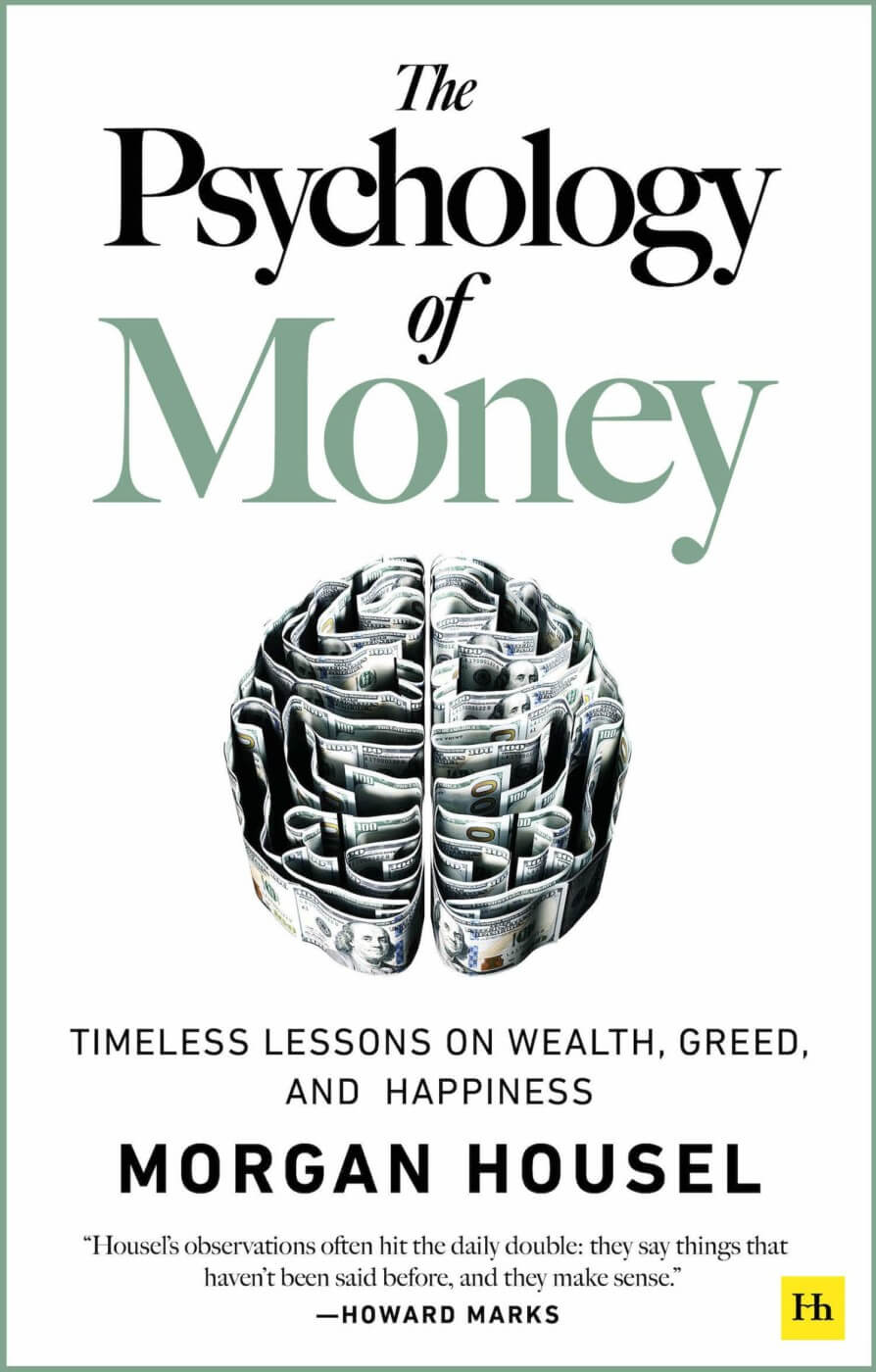
12. The Psychology of Money
by Morgan Housel

The Psychology of Money by Morgan HouselMorgan Housel’s The Psychology of Money delves into popular assumptions about money and wealth. Housel, coming from the finance world, reveals that much of finance is more art than science.

This book shows that people’s understanding of money is often flawed and that those who want to be wealthy often just want to spend money—ironically, the very thing that prevents them from becoming wealthy.

13. The Second Mountain
by David Brooks

The Second Mountain by David BrooksDavid Brooks’ The Second Mountain is a beautifully written book that charts a life course through two mountains—one of worldly success and the other of purpose.

This book is particularly profound for people in their 30s and 40s who are experiencing success for the first time and grappling with the question, “What’s the point?”

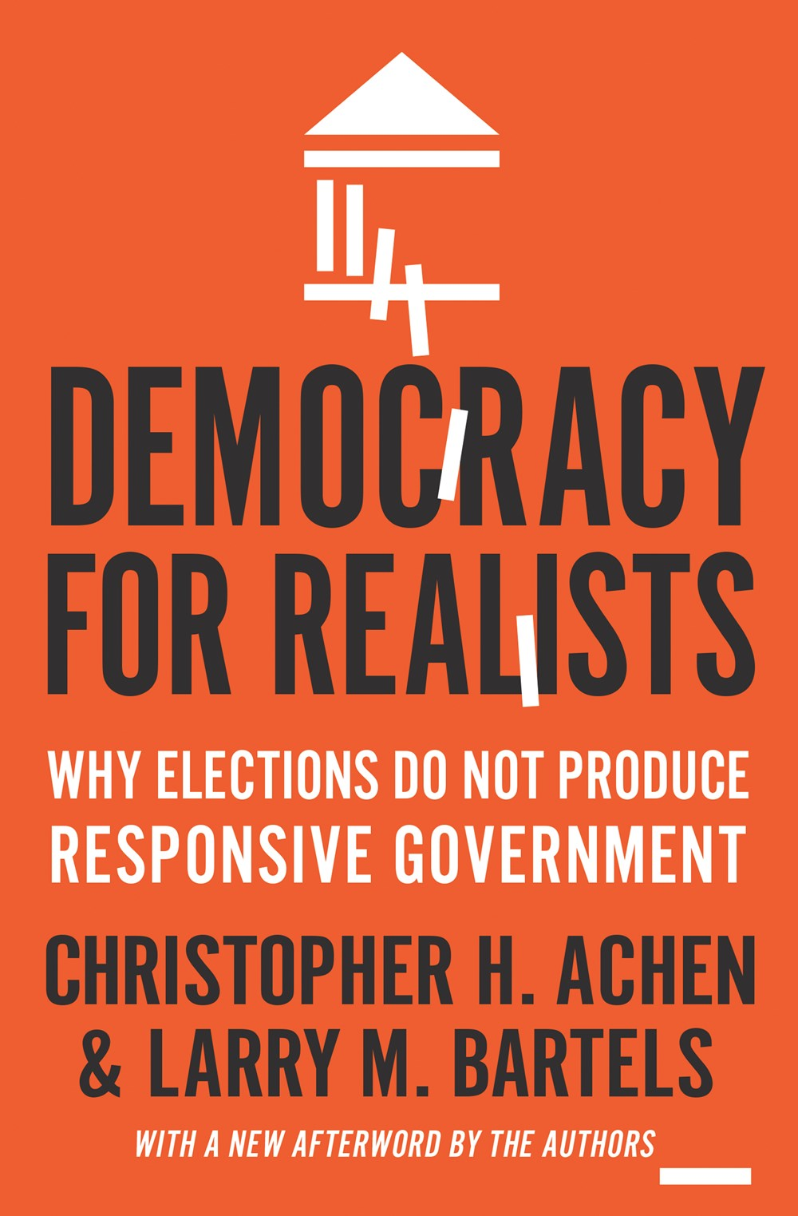
14. Democracy for Realists
by Christopher H. Achen and Larry M. Bartels

Democracy for Realists by Christopher H. Achen and Larry M. BartelsLastly, Democracy for Realists is a dense, academic read that delves into the paradox of democracy—the more democratic a society, the worse choices they often make.

This book is sobering and eye-opening, providing examples of why people with expertise and experience should be the ones making important decisions.

Looking for More Books to Read?

I’ve put together a list of over 200 “best books” organized by genre, as well as my all-time recommended reading list that includes the book(s) I’m reading each month. Check them out.

3 Steps to Stop Negative Thinking

Ever find yourself drowning in a sea of negativity, wondering how you can escape the relentless tidal wave of self-doubt and judgment?

Well, you’re not alone. We all suffer from negative thoughts, and it’s about time we learned how to deal with them effectively.

In this comprehensive guide, we’ll explore three steps that can help you manage negative thinking, accept failure, and ultimately achieve more of your goals.

Step 1: Accept Failure as a Natural Part of Life

One of the most important things we can do when dealing with negative thoughts is to accept that failure is a natural and necessary part of life. We often forget that failure is a concept that we invent in our own minds, setting arbitrary benchmarks that, when not met, make us feel like losers.

For example, consider your financial goals. If you decide that you need $50,000 to be happy and you only achieve $40,000, you’ll feel like a failure. But if you set your goal at $40,000 from the start, suddenly you’re a success.

It’s crucial to understand that the goalposts we set for ourselves are often arbitrary and malleable.

The first step in managing negative thoughts is to hold those mental images and standards a little more loosely. Nothing ever turns out quite as good or as bad as we expect. Our minds have a tendency to exaggerate and amplify certain feelings or expectations.

Remembering that, like everyone else, you’re full of shit sometimes, can help you keep things in perspective.

Step 2: Practice Self-Forgiveness

Learning to forgive yourself for your mistakes and failures is a necessary component of managing negative thoughts. Often, the difference between people who suffer from negative thoughts and those who can move on is the ability to let go of self-judgments.

To begin practicing self-forgiveness, separate the action from the intention. Most of the time, when people make mistakes, they genuinely intended to do something good. Focus on that intention and try to understand the motivation behind it. Once you can empathize with your own motivations, you’ll find it easier to forgive yourself.

Next, draw a lesson from your failure. Ask yourself what you can learn from it, how you can do better next time, and what will prevent you from making the same mistake again.

By deriving value from your failures, you’ll start to see them as opportunities for growth rather than reasons to beat yourself up.

Step 3: Don’t Judge Your Negative Thoughts With More Negative Thoughts

One of the most dangerous traps people fall into is judging their negative thoughts with even more negativity. This creates a vicious cycle that can be difficult to break. For example, feeling insecure about being insecure, or getting anxious about feeling anxious.

The key to breaking this cycle is to simply not judge negative thoughts negatively. Understand that it’s normal to experience anxiety, insecurity, and other negative emotions. Accepting these thoughts and feelings as part of the human experience can help you break free from the spiral of negativity.

Our culture’s obsession with positive thinking has created unrealistic expectations of success and happiness. It’s essential to get more comfortable with the negative aspects of life and understand that they are a necessary part of personal growth. Embracing the negative allows us to derive the positive lessons and experiences that come with it.

So it’s time to accept that negative thoughts are not only inevitable but also useful in helping us grow as individuals. By embracing failure, practicing self-forgiveness, and not judging our negative thoughts with more negativity, we can learn to navigate through life with more ease and less misery.

3 Steps to Becoming Great at Anything

Today, we’re going to talk about a question I get asked all the time:

How do I become great at this one thing?

And you know what? I’ve broken it down into three easy repeatable steps that will help you become an expert in any field.

Let’s dive right in.

Step 1: Master the Fundamentals

First things first, you need to figure out the 20% that drives 80% of the results. This is based on the 80/20 rule, also known as the Pareto Principle. It applies to nearly everything, from economic output to customer purchases, taxes, and even corruption.

To become great at something, you must identify the 20% of actions that will yield 80% of the results.

Take writing, for example. Editing is the 20% that drives the 80% of results. Ernest Hemingway famously said, “The first draft of everything is shit.” It’s through revisions and rewrites that you get a sparkling, clean, beautiful piece of writing.

Similarly, you’ll see the 80/20 rule crop up in many fields, like music, chess, and more. So, focus on figuring out where the 80/20 is in the pursuit you’re trying to become an expert in.

Step 2: Set Up a Feedback System

You can’t become an expert in anything unless you receive feedback that will help you get better.

Feedback can come in many forms, such as criticism from a teacher or coach, or even opinions from friends and family. The key is to have a consistent system of feedback and evaluation on your performance. This will help you iterate and improve.

Many people make two mistakes with feedback: they either don’t receive it (due to fear of criticism) or they receive it but refuse to listen to it (due to ego). A good coach can help with this by pointing out when you’re protecting your ego or ignoring proper feedback.

Remember, be realistic and honest about the criticism you receive.

Step 3: Iterate for 5,000 to 10,000 Hours

Now for the harsh truth: there are no shortcuts. You have to put the time in and iterate for 5,000 to 10,000 hours. Embrace failure and learn from it. The sooner you get those failures out of the way, the sooner you’ll start experiencing success.

Don’t fall for the myth of overnight success stories. The Beatles, for instance, grinded by playing for hours in dank German bars before they became famous. The same goes for Facebook’s co-founder Dustin Moskovitz. He didn’t become an overnight billionaire—he worked all night, every night, for seven years.

There is no shortcut. If you want to become great at something—anything—you gotta put in the work. And there’s your harsh truth of the day.

Why Your Favorite Self-Help Book Sucks

Yes, yes—I know you think that one book you read that one time changed your life.

Hell, maybe that was even my book.

And don’t get me wrong, self-help books can help, but I think people mistake what they’re actually doing.

Let me break this down for you.

The Not-So-Secret Secret of Self-Help

Let’s be brutally honest here: there’s really nothing new in self-help books. They’re just recycling ancient wisdom from religions, philosophies, and legendary thinkers.

The real game-changer?

Packaging.

People are freaking weird when it comes to advice, so how it’s delivered makes all the difference. Repackaging age-old knowledge lets these ideas reach more people than ever, and that’s not a bad thing.

Easy to Understand, Hard to Apply

Self-help ideas are the epitome of “simple but difficult.”

They’re a piece of cake to understand, but a massive pain in the ass to actually do.

Unlike intellectual or physical tasks, self-help problems are all about emotions. On the surface, they look simple as hell, but inside, it feels like you’re conquering Mount Everest.

That’s where the magic of packaging comes into play. The way self-help concepts are presented can give you a temporary motivational high, but it won’t last forever.

Learning: The Sneaky Saboteur

Sure, self-help books can kick-start some positive change in your life. But eventually, you’ll need to tackle something else that’s simple but difficult.

Here’s the kicker: learning can feel like progress, even when it’s not.

People end up using self-help books as a crutch to avoid facing their struggles head-on, thinking the next book will make everything a breeze. Spoiler alert: it won’t.

Also, fun fact: on average, a person who buys one self-help book will end up buying seven more.

Breaking Free From the Self-Help Trap

While self-help books can offer a helping hand, they can quickly morph into another obstacle. That’s why it’s crucial to focus on practical, real-world exercises and activities. The goal? To challenge ourselves and others to get off our asses and actually do something.

By moving beyond just talking and sharing ideas, we can spark genuine breakthroughs and create lasting change.

Pain Is Part of the Process

You’ve probably never heard of Kazimierz Dąbrowski.

He was a psychologist from the 1940s with a fascinating background. He studied with Freud’s contemporaries in Vienna, worked with mentally ill patients, participated in the Polish resistance during World War II, was captured and tortured in a prisoner of war camp, and lost many friends and family members in the process.1

These traumatic experiences shaped his study of pain and trauma, leading to groundbreaking insights that are still relevant today.

One of those insights was Dąbrowski’s theory of Positive Disintegration,2 which goes against a lot of the conventional wisdom around suffering.

He argued that a certain amount of psychological pain is necessary for growth and self-improvement. According to Dąbrowski, some degree of pressure and stress could bring out the best in people, forcing them to confront their limitations and evolve.

While Western psychologists at the time focused on self-esteem and happiness, Dąbrowski emphasized the importance of being realistic about pain and its potential benefits.

His ideas were revolutionary but remained largely unknown due to the Iron Curtain separating Eastern and Western academics.

Eventually, Dąbrowski’s work would go on to inspire a field of research, post-traumatic growth, that would help countless people grow from their pain.

Here, I briefly go over some ideas on psychological pain from before and after Dąbrowski’s time that echo his stance—pain as a valuable part of the process of life—and highlight a few takeaways that you can apply to your own.

Post-Traumatic Growth: Unlocking the Hidden Potential of Pain

Post-traumatic growth theory explores how our pain can lead to greater character and well-being.

Instead of viewing pain and trauma as purely negative, post-traumatic growth emphasizes the transformative power of adversity.

By learning from our struggles and embracing the lessons they teach us, we can become better, more resilient people.

It’s far from a straightforward process, but many factors have been identified that contribute to it. I’ve written about them here if you’re interested in digging deeper.

Buddha’s Wisdom on Perpetual Dissatisfaction

Buddha, a prince who seemingly had everything, realized that our minds are constantly attaching themselves to things, leading to perpetual dissatisfaction.3

He called this never-ending, suffering-laden cycle of life, death, and rebirth “samsara” and developed teachings to help people overcome it.

Buddha’s central message was about letting go of the mental pain and meaning we attach to our struggles. By recognizing that we have the power to decide how we interpret pain, we can use it as an opportunity for growth and self-improvement.

Do we see our struggles as pointless and blame everyone else for our suffering, or do we imbue them with meaning and take on the responsibility of dealing with the inevitable pain in our lives?

The choice is ours. And therein lies our power.

The “If I just do this, Then I’ll be happy” Game: A Human Quirk

The mental game we all play goes like this: If only we achieve a certain goal or reach a specific milestone, we’ll be happy.

Unfortunately, we often overlook the problems and sacrifices that come with these goals. This constant yearning for something more or better is both a blessing and a curse.

On the one hand, it keeps us motivated to survive and improve, but on the other, it can prevent us from finding lasting happiness and contentment.

The trick is to realize that happiness is a byproduct of a full life, not a goal in itself. It’s one of those things in life where the more we run toward them, the further they move away.

Let go of the illusion that if only you had X, you’d be happy. Accept your pain as part and parcel of life. Then let happiness find you.

Footnotes
  1. Kazimierz Dąbrowski. (2023). In Wikipedia.↵
  2. Dabrowski, K. (1964). Positive disintegration (p. 132). Little, Brown.↵
  3. The Buddha. (2023). In Wikipedia.↵

Motivation: What It Is, How It Works, and Where to Find It

We all want to be motivated. We want to feel energized and excited about the things we do. We want to wake up in the morning with a sense of purpose and drive, ready to tackle the day ahead.

But the truth is, motivation is not always easy to come by.

We tell ourselves lies about what motivates us:

  • We believe that we need to feel passionate about something in order to be motivated.
  • We think that motivation is something that comes from within us, that it is a natural part of our personality or character.
  • We believe that motivation is a feeling, and that it is something we can control.

These are all excuses we use to avoid taking action.

The truth is, we don’t need to feel passionate about something in order to be motivated. We don’t need to have a natural talent or gift in order to be motivated. We don’t need to be in the perfect situation or environment in order to be motivated.

Motivation is not just a feeling. It is a habit, a practice that we need to cultivate in our daily lives. It is not just something that we have or we don’t have, it is something that we create for ourselves.

Let’s break this down.

Action Is Both the Cause and Effect of Motivation

Most people think that motivation is this elusive, magical creature that we’re all desperately chasing, hoping it will somehow magically infuse us with the energy and drive to do what we need to do.

But motivation isn’t some fairy that sprinkles you with pixie dust to get your ass off the couch; it’s actually the byproduct of taking action.

That’s right, motivation is something that emerges when you start doing stuff, not the other way around. This is what I call “The Do Something Principle” and I use it all the time when I’m not feeling very motivated.

The hardest part of any task is usually just starting it—but that’s also where the magic happens. Instead of waiting for motivation to strike, just do something—anything, really.  Even if you’re stumbling and fumbling through it, you’re creating momentum.

This momentum is like a snowball rolling down a hill; it keeps growing and growing until it becomes an unstoppable force. As you take action, you begin to see progress, and progress is like jet fuel for motivation.

Your brain starts to realize that, “Hey, I can do this,” and suddenly, you’re riding the motivation wave, feeling empowered and unstoppable.

So, if you want to unleash the motivational beast within, don’t sit around waiting for it to knock on your door. Instead, take a step—any step—toward your goal and watch as motivation comes running to join you in the journey.

Motivation Is an Emotional Problem With Emotional Solutions

Another key to motivating yourself is learning how to play with your own emotions. I know, I know, it sounds weird, but stay with me here.

Our brains are wired to seek pleasure and avoid pain. By gamifying a task or rewarding ourselves, we’re essentially hacking our brains and tricking them into chasing those feel-good emotions.

Now, some people think they shouldn’t have to play games with themselves like this, that they should just be able to get shit done. But trying to build motivation without leveraging emotions is an unnecessary uphill battle.

Embrace the fact that you’re a pleasure-seeking creature, and use it to your advantage.

Think about it this way: if you can turn a mundane task into something enjoyable or rewarding, you’re going to be far more likely to do it.

For example, say you want to start exercising more. Instead of dreading the very thought of putting on your sneakers, find a way to make it more enjoyable—create an epic playlist, join a fun class, or challenge a friend to a little friendly competition.

The more you can associate positive emotions with the desired behavior, the more you’ll want to do it.

You can also game your emotions by rewarding yourself. Promise yourself a small treat after completing a task, like a bubble bath or your favorite snack, and suddenly you’ll find yourself racing to the finish line.

Now, this strategy works best for short-term motivation and especially when you’re trying to establish a new healthy habit of some kind. Over time, though, you need something more durable than simple carrots and sticks.

You need the motivation of pain.

Long-Term Motivation Is Found in Embracing the Struggles of Life

Here’s a brutal truth I’ve learned over the years: it’s not about what you want in life, but about what you’re willing to struggle for.

Lasting motivation doesn’t come from chasing shiny objects and grand visions; it comes from embracing the blood, sweat, and tears that inevitably come with pursuing something meaningful.

So, instead of daydreaming about the end result, ask yourself this crucial question: what am I willing to endure for the values I hold dear? Because the reality is, if you’re not ready to struggle for it, you probably don’t want it in the first place.

You see, life is a series of trade-offs, and true motivation is born when you decide that the struggle is worth it. It’s easy to say you want to be fit, wealthy, or successful, but are you willing to put in the hard work, face rejection, and experience failure along the way?

If the answer is yes, then congratulations! You’ve discovered the secret of long-term, durable motivation.

By focusing on the values and the process, rather than the end goal, you’ll find that motivation becomes a natural side effect of the journey. You’ll start to see setbacks as learning opportunities, and your desire to grow and improve will only intensify.

So, forget about what you want, and ask yourself what you’re willing to struggle for. Because that, my friend, is where the true magic of motivation lies.

Procrastination and Our Identities

Procrastination: that pesky, annoying habit that we all know too well. But what if I told you that procrastination isn’t just about laziness or poor time management?

At its core, procrastination is actually about avoiding something that threatens our very identity.

You see, we all have this self-image that we’re deeply attached to, and when a task or goal challenges that image, our brain goes into panic mode, doing anything it can to keep us safe from the perceived threat. So, we avoid, we distract, and we put things off—all in the name of self-preservation.

Addressing this requires redefining yourself in broader, more flexible ways. Instead of clinging to a rigid, narrow identity, try embracing the complexity of who you are.

For example, let’s say you identify as a perfectionist, and you’re terrified of making mistakes. Rather than letting that fear hold you back, redefine yourself as someone who values learning and growth. This shift allows you to see failure not as a threat to your identity, but as an essential part of becoming the person you want to be.

By making room for the full spectrum of human experience—successes, failures, and everything in between—you’ll find that procrastination loses its grip on you. So, go on, break free from the chains of your self-imposed identity, and watch as procrastination fades away, replaced by a newfound sense of purpose and drive.

All Articles on Motivation

Read More on Motivation

Why Growth Requires Struggle

I get a lot of reader questions about pain, trauma, challenge, and struggle. Most of these questions were some variation of, “Is there such a thing as being exposed to too much pain?” or “Are there situations where pain and struggle aren’t helpful but only hurtful?” or “What about trauma? Clearly trauma is a thing.”

These are all great questions. And in this article, I’m going to knock them all out with a deep dive into the psychology of pain, trauma, healing, and building resilience. In the words of the great Tom Brady: let’s fucking go.

“This Amount of Pain Is Just Right”

Everyone remembers the children’s story of Goldilocks and the Three Bears. You know, this porridge is too hot, this one is too cold, this one is just right.

Well, pain kinda works in the same way. Too much pain will lead to trauma and helplessness. Too little pain will lead to entitlement and selfishness.

But just the right amount of pain and struggle: that’s what allows us to feel a sense of accomplishment and meaning in our lives, which then builds up our sense of autonomy and self-worth—the bedrock of a mentally healthy and happy person.

So, how do you define the Goldilocks Zone of Pain? How do you know how much pain is “just right?”

Generally, research finds that when we’re challenged or struggle in ways that we believe we’re capable of overcoming, those struggles eventually invigorate us and lead to a sense of meaning and accomplishment.

But when confronted with struggles and challenges that we feel powerless to overcome, that’s when we get demoralized, and in extreme cases, experience trauma.

Pumping Psychological Iron

When it comes to understanding the value of mental and emotional struggle, perhaps the best analogy to understand it is physical exercise:

  • If you never move your body or strain your muscles, you will become soft and weak and fragile. You’re more prone to injury. You have less physical power to keep yourself safe and healthy. In the same way, if you never mentally or emotionally challenge yourself, you will also become weak and fragile. You’ll be more easily upset and emotionally triggered by the world around you. You’ll have less psychological strength to keep yourself safe and healthy.
  • If you try to do way too much exercise—or move way too much weight—you will injure yourself. This injury will lead to chronic pain that is outside of your control and will prevent you from having any agency with that part of your body. Similarly, if you experience psychological struggles that overwhelm you, you’ll be traumatized—and you will experience chronic psychological pain and feel debilitated in that area (or in many areas) of your life.
  • The way to grow physically stronger is to progressively challenge your body to do slightly more difficult movements, lifts, and exercises than before. As you do this, your body adapts, becoming more resilient, more flexible, and more durable. This gives you more agency in the world and more ability to protect yourself and others. Similarly, the way to grow psychologically stronger is to progressively challenge yourself to confront experiences that are both challenging but also within your perceived ability to manage. As you do this, you will gain psychological strength and resilience, allowing you to have more agency in the world and remain healthy and resilient to whatever life throws at you.

Throughout history, people erred on the side of subjecting each other to more pain. This is because most of human history fucking blew. War, famine, plagues, slavery, tyranny were the norms of the human condition, not the exception. So people were hard on their kids, hard on each other, and had little sympathy.

This changed about a hundred years ago with the rise of Freud and widespread acceptance of psychology. These days, you could argue that in some ways, we are probably too soft. And the reason I think this happens is a confusion between sympathy and compassion.

Sympathy vs Compassion

I believe the problem today can be summed up simply: people mistake sympathy for compassion.

Sympathy is feeling bad for someone and wishing they didn’t feel so bad.

Sympathy is noble on the surface (“people should suffer less!”) but can often end up being subtly self-serving (“people should suffer less because I don’t want to feel bad for them anymore.”)

Compassion is similar to sympathy but different in an important way.

Like sympathy, compassion begins with feeling bad for someone. But instead of simply wanting the person’s suffering to go away, compassion involves someone who is willing to suffer alongside that person so that they may overcome their challenges.

Sympathy is sending flowers and a card to a friend when a parent dies. Compassion is driving to their house and holding them as they cry.

Sympathy is letting a screaming child have that toy they want so they’ll stop screaming. Compassion is letting them cry because you know they will be better off once they understand that they can’t always get what they want.

Sympathy is changing your profile picture on social media for whatever the new cause du jour is. Compassion is actually giving time or money to victims, listening to their stories, helping them rebuild their lives.

Sympathy is a good thing. We need it in the world. But it’s also easy. It’s short-term and short-sighted. It’s an, “Aw, I feel bad for him.” Sympathy is focused on the feeling rather than the person. “I hope they feel better.”

Compassion is about the person. “I don’t just hope they feel better, I hope they become better.” Therefore, compassion is more involved. It takes more effort—both mental and emotional.

Sympathy is trying to remove as much strain and struggle as possible. Compassion is trying to help a person move through a manageable amount of struggle so they can grow into a better person.

I believe that as a culture we’re over-optimized for sympathy and under-optimized for compassion. This is probably largely social media’s fault, but not entirely.

Sympathy is easy to communicate online. It’s also easy to see sympathy communicated between others. Compassion is like sarcasm, it is not communicated well online. It’s also harder to recognize between others.

We’re probably also over-optimized for sympathy because it’s easier to measure and study. It’s relatively easy to measure how good/bad a person feels. It’s incredibly difficult to measure whether someone has grown or not.

Physiotherapy for the Mind

To keep our exercise metaphor going, when we injure our body, how do we heal and become better?

With a combination of medicine and physiotherapy, body parts are eventually able to heal, regain function, and eventually become stronger. But it’s a long, painful process.

When confronting trauma, much like physiotherapy, you have to introduce tiny amounts of challenge extremely gradually. If you broke your back, you wouldn’t get up and run a marathon.

The goal is to first get up and take a step. Then two steps. Then walk down the hall. The marathon is likely not an option without years of consistent effort.

The problem is that psychological trauma is much more difficult to diagnose than a physical injury.

It’s difficult to tell the depth and scope of one’s emotional pain. It doesn’t help that the definition of trauma has pretty much expanded to include anyone who is emotionally triggered by anything, no matter how mundane or irrelevant. Therefore, it’s often difficult to know exactly what is just enough challenge for that person to heal and what is too much. This is why self-awareness is so important.

And this doesn’t even get into managing the emotional side of growth—i.e., how to better handle our emotions after we’ve been triggered and become incredibly hurt and upset.

If you’re interested in more on these subjects, you can check out Chapter 7 of my book Everything Is F*cked: A Book About Hope for an even deeper understanding of pain and struggle and how it operates in the mind.


Trigger Warning: Reality Hurts

Years ago, many readers wrote to me complaining that I didn’t include trigger warnings in my articles. This was 2014-15 or so. The trigger warning thing had become popular on university campuses and left-leaning news sites. Given that at the time many of my readers were young students, an expectation arose that I would follow suit.

Yet, I refused (and still do). Back then, this caused a lot of headaches for me and made sifting through my inbox feel like playing hopscotch in a minefield. “How could you not?” readers would write, exasperated. “I thought you cared about mental health issues.” Well, yes I do… which is why I don’t use them.

I remember when I was struggling and broke in my 20s, a family friend bought his daughter—who was a couple of years younger than me—her own house. One day, joking around with my dad, I said to him, “You know dad, if you really loved me, you’d buy me a house too.” He quickly replied, “No Mark, it’s because I love you, that I would never buy you a house.”

To me, it felt as though readers were coming at me saying, “If you loved us, you’d protect us from anything that might be upsetting or uncomfortable.” And I was responding with, “No, it’s because I love you that I will never protect you from what is potentially upsetting or uncomfortable.”

This shouldn’t have surprised anyone, as this is and was pretty much my entire message around personal development and self-help: pain is a healthy part of the process. Discomfort and upsetting ideas are what make you better. Confronting things that upset you helps you overcome them and yourself.

On top of that, I would argue, I doubt trigger warnings work, anyway. Anyone who has studied psychology (or advertising) for half a minute knows that people are drawn to what upsets them, not the opposite.

I took a lot of shit for this stance, back in the day. I even had a couple journalists talk some shit about me for not using them, implying that I was hypocritical. But whatever, I had better things to do. I guess you could say (here it comes) that I didn’t give a fuck.

The Verdict Is In

This is the part where I get to say, “I told you so.” 

Researchers have been studying trigger warnings for the past seven years and a couple weeks ago, the first meta-analysis was done to gauge how effective they have been. Meta-analyses are a big deal because they gather all the major studies that have been done on a topic and pull all the data together as though they were done in one giant piece of research. This gets them to a dependable result. And in regard to trigger warnings, the results were stark: They don’t help. At all. And in some limited cases, they may even make things worse.

Let’s talk about why.

Studies consistently showed that trigger warnings do nothing to alleviate fears, pain, or anxiety about upsetting material. In fact, in some rare cases, they actually made it worse.

Imagine you lose your job. That’s pretty fucking upsetting.

Now, imagine the way you lost it is that you’re at work, doing your thing one day, and a co-worker walks by and says, “Hey, just want to give you a trigger warning: you’re going to lose your job tomorrow, maybe don’t come in to work.”

Would that make you any less upset? Would it make you feel better at all? Would you be like, “Oh cool, I can just stay home tomorrow”?

No, not only are you still upset about losing your job, but now you have all this extra time to agonize and think about what the fuck is happening. This is, on a small scale, what trigger warnings do to people: it gets them upset about the fact that they’re going to be upset at some point in the future. 

The counterargument here is that, “Well, that analogy doesn’t work because trigger warnings help people decide what to read and what not to read.” But again, the data doesn’t support this. In study after study, researchers found that trigger warnings had no effect on people’s choice to read content. And, in fact, a few found that people with PTSD symptoms are actually more drawn to content with trigger warnings. 

This will not come as a surprise: as I mentioned earlier, people don’t turn away from what upsets them; they are drawn to it. Ever heard of, “If it bleeds, it leads?” Yeah, there’s a reason that is a thing in the news media: people can’t help but look at stuff that bleeds.

The Dying Fad of “Safety-Ism”

In their 2018 book, The Coddling of the American Mind, Jonathan Haidt and Greg Lukianoff write about a culture of “safety-ism” that arose in the early 2010s. They called it “safetyism” because it was a collection of morals and values that obsessed over and optimized everything for young people to feel safe and comfortable. This meant parents not letting their children play outside alone. It meant removing upsetting or controversial content from television, the internet, or news media. And yes, it also included trigger warnings.

The aims of safety-ism were noble. They saw that young people were experiencing greater amounts of anxiety, stress, and depression than previous generations and sought to remedy their angst by protecting them from anything that could potentially harm or upset them.

But this is not how the human mind works. The human mind is not fragile—it does not need to be protected and cushioned from the hard surfaces of reality like a vase or piece of fine china. The human mind is antifragile—that is, it gains from discomfort and strain. That means to grow stronger, the human mind needs to regularly be confronted with difficult and upsetting experiences to develop stability and serenity for itself.

Unlike most people, I’m actually optimistic that safety-ism has peaked. It’s been years since I’ve gotten an email complaining about trigger warnings. I get far fewer emails complaining about upsetting content or accusing me of some form of bigotry or fascism. Either I’ve successfully alienated all of those readers out of my audience or many of them are finally realizing and accepting that this bizarre “woke” version of the world is unrealistic and untenable.

Either way, surveys show that these sorts of ideas are not exactly popular. Most people don’t believe trigger warnings work. Only a small but loud minority does—17% of people, according to one survey.

But think about it this way. If you’re running a news media company in a highly competitive environment with razor-thin margins and you know that including trigger warnings can make 17% of people like your publication that much more, why not include them? Why not promote them? That 17% of readers can be the difference between a profitable year and an unprofitable year. They can be the difference between hiring more staff and firing them.

So you use them. They’re easy. They take no effort. And the 83% of people who don’t believe they work likely won’t notice or care anyway.

Then when you use them, your competitors start using them because they also want to win over that 17%. Pretty soon, everyone’s got trigger warnings. And suddenly, there’s this awkward sense that, “Wow, trigger warnings are everywhere—so I guess everyone must believe in them.”

And yet, most people don’t.

Like most things online, it’s a mirage. It’s simply another example of the great internet funhouse mirror: the views of loud minorities get exaggerated and the views of the silent majority are squashed and minimized.

Don’t lose sight of reality. Yes, the hard, persistently unpleasant, always surprising reality. Not the one invented in the minds of the mob on Twitter.

And never, ever email me about this dumb shit ever again.

3 Principles for a Better Life

I used to have a newsletter1 with the pitch, “3 Ideas That Can Change Your Life.” For years, I sent out emails in that format: three ideas—one, two, three—thank you, drive through.

So consider this a throwback article. Except instead of three ideas that could change your life, these are three principles for a better life.

I like principles because unlike rules or specific ideas, principles are designed to be applied loosely and broadly. Principles are things that are usually true, but sometimes don’t apply—usually helpful, but sometimes dumb as fuck.

And unlike a rule or a piece of actionable advice, principles sit in the background, quietly informing your decisions and perspectives. In that way, when good, principles can be far more effective than any sort of “do this, do that” imperative. These are three of the most helpful principles I’ve come across to steer my life. I hope you find them helpful as well.

So without further ado…

Principle #1: You Are Perfect Just as You Are… But You Can Always Be Better

I first heard this statement muttered by a zen master at a meditation retreat in my early twenties and it’s stubbornly stuck with me ever since. In fact, the older I get, the more wisdom I see in it. You are already good enough as you are… but you can also always be better.

There is an inherent tension between self-acceptance and self-improvement. This tension is within each of us. On the one hand, we want to feel at peace with ourselves, to understand that we are good, valuable, worthy human beings and we deserve love and respect and occasional backrubs.

On the other hand, unless you’re comatose, it’s abundantly clear that we have no fucking clue what we’re doing most of the time. We mess up all the damn time. There are so many ways we could be better—that we could learn more, achieve more, grow more, etc.

I love this principle because it bluntly acknowledges that this internal tension will never go away. It doesn’t matter how productive, competent, and awesome you become, there will always be something that you kinda suck at. That gnawing sense of inadequacy will never be conquered. There is no perfection, only progress.

But, at the same time, you are still a worthy and valuable human being, regardless of how screwed up you are, regardless of how many mistakes you’ve made, regardless of how much room for growth you may have.

The beauty of this principle is that it shows that self-acceptance and self-improvement need each other—that having one without the other inevitably leads to dysfunction. If you’re all self-acceptance without self-improvement, then you become a lazy, indulgent, selfish twat. If you are all self-improvement with no self-acceptance, then you become a neurotic, hyper-critical, over-anxious mess.

Self-acceptance doesn’t work without self-improvement. Self-improvement doesn’t work without self-acceptance. You are perfect just as you are… but you can always be better.

Principle #2: Most People Aren’t Evil, They’re Just Stupid. This Includes Ourselves

A lot has been made about social media and how it affects our mental health and politics. But I believe that the most under-discussed effect of a social media-driven world is that it subtly promotes moralizing. This mass moralization has grown to such an extent that I now believe something I never would have imagined possible ten years ago: that we probably need a little less moralizing in the world, not more.

This moralizing is a problem because of how absolutely clueless and ignorant pretty much all of us are about almost every topic. When there’s a post online that is optimized to piss you off as much as possible, combined with the ease with which we demonize and judge anonymous people on the other side of the screen, combined with how easy it is to post harsh judgments and harassments, the result is a population of self-righteous, overly-moralizing fucknuts with Twitter accounts.

If the pandemic taught us anything, it’s that everything and everyone will, at some point, be wrong about something very significant. It doesn’t matter where your politics are, what your country is, what your personal beliefs or risk tolerances are—at some point in the last three years, you and I were wrong about something. And, in many cases, horribly wrong. Therefore, it’s safe to assume that you and I will be horribly wrong about something again.

You would think this would humble people a little bit and encourage them to withhold judgment about things. But it appears to have done the opposite instead.

Principle number two is similar to a philosophical concept known as Hanlon’s Razor: “Never attribute to malice what can be adequately explained by stupidity.”

But I’d like to add to Hanlon’s Razor something I’ll call Manson’s Addendum: “…and pretty much everything you see or read is some degree of stupidity.”

In the past ten years, I’ve written a lot about the need to manage our attention. To me, this was perhaps the most important skill that people needed to adopt in response to an always-online world.

But as the world becomes highly polarized and angrier and disinformation spreads in every direction, I think the ability to reserve moral judgment and be slow to draw conclusions may become the next critical new skill necessary to survive in the Twitter-driven world.

Principle #3: A Little Bit of Truth Exists in Everything; But the Whole Truth in Nothing

I discovered this principle from reading Ken Wilber when I was younger and it’s served me well intellectually throughout my life. Wilber used to quip: “No one is smart enough to be wrong about everything.” Therefore, even if we disagree with someone horribly, there is always an opportunity to at least understand what may be true or useful about their views.

For example, I believe astrology is almost certainly wrong. But it’s based upon some assumptions that are probably true. People’s innate personalities do differ. These innate differences are largely predictable and measurable. And there’s even research that has shown that personalities can differ a tiny amount based on which season of the year someone is born in.

Now, that’s quite different than believing the hour, day, and month you are born can affect your whole life. But it’s something.

This ability to seek the pieces of truth in a larger, erroneous whole is an important skill to develop. For one, it makes you learn much faster. But it also makes you more sympathetic to people who believe differently than you. Most importantly, it will help you develop the ability to change your mind, when warranted—a skill that is horribly underrated these days.

Because the flipside of this principle is that while nothing is completely wrong, nothing is completely correct either. No religion, ideology, or belief system has a monopoly on the truth. And understanding that is necessary to, again, keep us learning, sympathizing, and being willing to change our minds and grow.

Because we humans derive a lot of psychological comfort in feeling as though we have found the Capital-T truth, our own little personal Final Answer. But the reminder that there is no such thing as the Final Answer of life—that life is merely an endless process of slightly less wrong answers to each of our questions—is not only necessary for a strong mind, it is, itself, an incomplete truth.

Footnotes
  1. News flash: I’ve got a new weekly newsletter now called The Breakthrough where I send out ideas and give you homework for the week that can spark breakthroughs in your life.↵
❌