❌

Reading view

There are new articles available, click to refresh the page.

Flash Facts: how we marked Black History Month at Human Made

Black History Month celebrated its 100th anniversary this year. It began as a way to make sure the achievements, culture and history of Black communities didn’t get left out of the wider story, and to recognise that racism is still very much a reality today.

The theme for 2026 was “A Century of Black History Commemorations”, reflecting on a hundred years of achievements, struggles and cultural impact. We wanted to acknowledge it by making it something the whole company shaped together. So we tried something new: Flash Facts.

How Flash Facts worked

We randomly assigned every human at Human Made a country with a rich Afro-diasporic culture. The task was to spend some time finding ONE interesting piece of information about that country. It could be a musician, a piece of history, a book, a recipe or the story behind the flag. Whatever caught your eye first.

Everyone shared their fact on our internal blog in whatever format they liked: a sentence, a photo, a song or a video link.

The point wasn’t to become an expert overnight. It was to spend five minutes being curious about a culture outside your own, and by the end of the month build a better picture of Black history together, one small fact at a time.

A few minutes of curiosity led to new discoveries, personal stories and thoughtful conversations about Black history and culture. I was taken aback by how many people got involved, and I thoroughly enjoyed reading through all of them. Here’s a selection of what we learned.

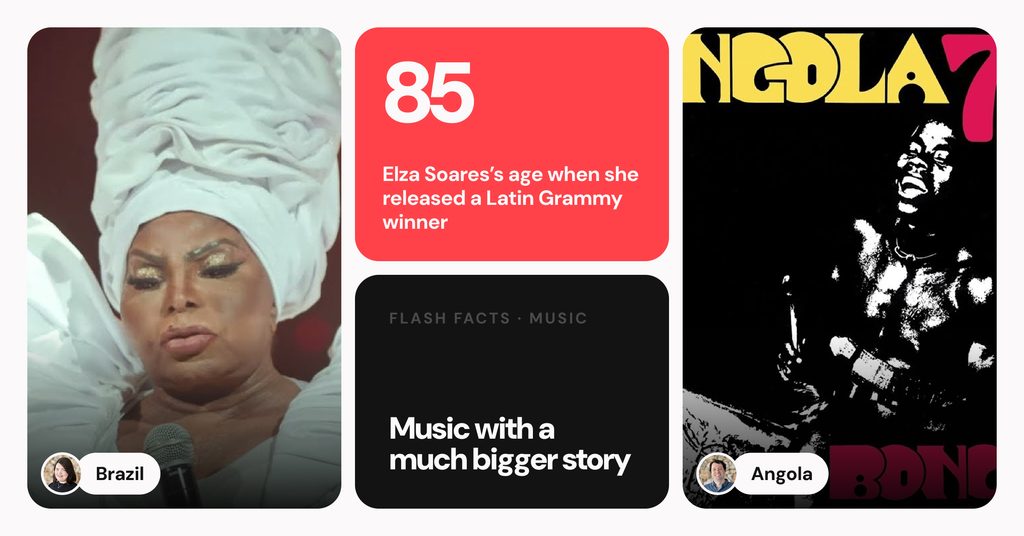
Music with a much bigger story
Shipra explored Panama’s contribution to reggaeton, tracing its roots through Afro-Panamanian artists who adapted Jamaican dancehall into Spanish in the 1980s. Many were descendants of Caribbean workers who came to build the Panama Canal, and one of the pioneers, El General, is often called one of the fathers of the genre. Following that musical connection also led to learning about the discrimination those workers faced. In the US-run Canal Zone, mostly White workers were paid on the “gold roll” while mostly Black West Indian workers earned about half as much on the “silver roll”, a divide that reached into housing, schools and healthcare.

Samantha introduced us to Brazilian singer Elza Soares, whose music spoke out against racism, sexism and domestic violence. Her career spanned six decades and more than 30 albums, and she was 85 when she released A Mulher do Fim do Mundo (The Woman at the End of the World), which went on to win a Latin Grammy.

Will shared Lisbon’s batida scene, built by young people with family roots in Angola, Cape Verde, Guinea-Bissau and São Tomé. It starts with Angolan kuduro and mixes in house, techno and rhythms like funaná. Producers taught themselves on cheap laptops and passed tracks around on burned CDs and online forums, before the Lisbon label Príncipe Discos started releasing the music in 2011 and artists such as DJ Marfox and Nídia reached international audiences.

Matt explored the story of Angolan musician and athlete Bonga, who used travel through his sporting career to carry messages for the independence movement. He later recorded his debut album, Angola 72, while in exile in Rotterdam, three years before Angola gained independence. One track, “Mona Ki Ngi Xica”, is sung in Kimbundu and is usually translated as “The Child I’m Leaving Behind”. It became an anthem of the independence movement.

Firdaus introduced us to Cameroon’s makossa music, a dance style from the city of Douala, and Manu Dibango’s 1972 track “Soul Makossa”. Often described as the most sampled African song in history, its influence on songs by Michael Jackson and Rihanna means some of us may have recognised the sound before knowing where it came from.

Vladi answered France with a song instead of words, from Beninese-born singer Angélique Kidjo. And Gareth, who admits he’s not much of a dancer, found out that merengue comes from the Dominican Republic. It’s a partner dance with African and European roots, simple enough to give a go, and it has its own national day on 26 November.

Stories and traditions that connect communities

Ivan shared Grenada’s ’Nancy stories, featuring Anansi, the spider character from West African Akan folklore. Generations of storytellers have adapted these tales to local life and to French Creole, where Anansi is also called Compè Zayen: a little spider connecting cultures across an ocean.

Marian explored the Garifuna community in Belize, whose heritage brings together African and Indigenous Caribbean roots. Every year on 19 November, Garifuna Settlement Day celebrates that history through music, dancing and reenactments of ancestors arriving by boat. Garifuna language, music and dance are also recognised by UNESCO as Intangible Cultural Heritage of Humanity.

John introduced us to Uganda’s barkcloth-making tradition, one of the oldest cloth-making traditions in the world. Baganda craftspeople make cloth using bark from Mutuba fig trees, wrapping the trunks in banana leaves so the bark regrows within about a year. The material remains part of ceremonies including coronations and funerals, and UNESCO added it to its intangible cultural heritage list in 2008.

Jon shared the history behind Antigua’s Carnival, explaining its origins as a celebration of emancipation. When slavery was formally abolished across the British Caribbean on 1 August 1834, most enslaved people were pushed into a four-year “apprenticeship” that kept them working unpaid for the same planters. Antigua was one of only two colonies to grant full freedom on the day itself. Carnival was created in 1957 to celebrate that date, so behind the costumes, steel pan and calypso is a commemoration of freedom.

Zoe’s contribution on Veracruz, Mexico, gave us another musical connection: the roots of “La Bamba”. Zoe also highlighted traditions in which dancers contribute to the percussion, creating rhythm with their feet as well as their instruments.

Ryan C and Rob both found that Vodun, the religion often called Voodoo, is central to life along the old “Slave Coast”. Ryan learned that Vodun originated in Benin, where it’s an officially recognised religion and thousands gather in Ouidah every January for National Vodun Day. Next door in Togo, Rob discovered that the capital, Lomé, is home to the Akodessawa Fetish Market, the largest Vodun market in the world, and one of the ways Togo keeps its Indigenous identity alive.

Pioneers worth knowing about

Ant introduced us to Senegalese AI researchers Rose Dieng and Moustapha Cissé. Rose became the first African woman admitted to France’s École Polytechnique in the 1970s, and went on to be one of the early researchers on the semantic web, working on how knowledge could be captured and shared between people and software. Moustapha went on to lead Google’s first AI research centre in Africa, in Accra, and later founded a health technology company. Ant’s contribution explored Rose’s work on making knowledge easier to share and Moustapha’s efforts to build AI research and technology that serve communities in Africa. As Ant put it, he found no evidence the two ever met, “so this is a lineage rather than a handover”.

Tom reflected on Diane Abbott’s career, including becoming the UK’s first Black woman MP in 1987 and, today, Mother of the House. His contribution also raised an important point: greater representation matters, but it doesn’t mean racism or unequal treatment have disappeared.

Vojislav shared the story of Boy Ecury, an Aruban student who joined the Dutch resistance during the German occupation. His resistance work included sabotage operations and helping Allied pilots and people in hiding.

Leyla introduced us to Dame Eugenia Charles, Dominica’s first female lawyer and later its Prime Minister. In 1980 she became the first woman to lead a government in the Caribbean, and she served for 15 years. Leyla explored her fight for press freedom and the barriers she broke as a Black woman in law and politics.

Sarah told the story of Pedro Camejo, a Black general in Venezuela’s War of Independence who was said to always be the first to ride into battle. Mortally wounded at the Battle of Carabobo, he rode back to General Páez to say goodbye, telling him he had come to say farewell because he was already dead. A statue of him stands in Caracas today.

Petya discovered that in 2008 Rwanda became the first country in the world with an elected national parliament where women held a majority of seats. Women now hold around two-thirds of the seats in its Chamber of Deputies.

Jenny highlighted two Nobel laureates from Saint Lucia: economist Sir Arthur Lewis and poet Derek Walcott. Two more names to explore, with contributions spanning economics and literature.

Celebrating culture means listening to people, too
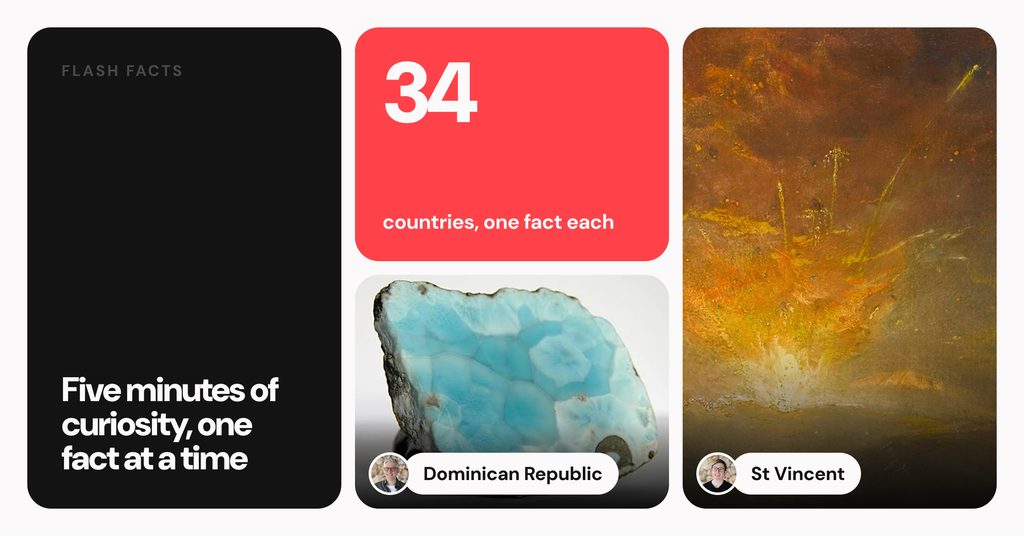
Person, Accessories, Gemstone

Dominic’s contribution on Honduras asked us to consider how Garifuna culture can be celebrated by the tourism industry while communities face threats to their ancestral land. He drew on Christopher A. Loperena’s book The Ends of Paradise, and traced a parallel from the banana industry to modern tourism: Black communities’ labour, land and culture can be central to an economy while the people themselves are treated as outsiders. Appreciating a community’s culture should go alongside listening to its concerns and respecting its rights.

Than explored Suriname’s Maroon communities, formed by people who escaped enslavement and won autonomy from the Dutch through peace treaties in the 18th century. His contribution connected that history of resistance with legal battles to protect ancestral land against logging and mining, cases the Maroons have taken to the Inter-American Court of Human Rights and won.

Simon shared the work of Costa Rican artist Adrián Gómez, whose paintings celebrate Black women and children and the Afro-Caribbean culture of Limón. One of his public artworks shows an Afro-descendant girl on a swing in San José. Simon’s reflection encouraged us to notice whose everyday lives appear in art and shared public spaces.

Ryan C’s research into Benin led to the port of Ouidah, on what was known as the Slave Coast. An estimated one million enslaved Africans were shipped from Ouidah alone to the Americas, a history remembered today at the Gate of No Return memorial.

Ryan M not only shared facts about his country, Liberia, founded as a US colony for formerly enslaved and freeborn Black Americans, but also some further context around Black History Month itself. The month was created in the US and centres on the descendants of the transatlantic slave trade. Ryan reminded us that it doesn’t cover every experience of being treated as “Black”: Aboriginal and Torres Strait Islander peoples, for example, have lived in Australia for at least 50,000 years, and their history and culture are celebrated during NAIDOC Week.

Megan shared some eye-opening political history about Guyana, previously colonised by the British, which only gained independence from colonial rule in 1966. She traced how outside interference in the country’s elections in the 1950s and 1960s deepened divisions between its Afro-Guyanese and Indo-Guyanese communities.

Fatima says she first got to know Zimbabwe as a kid, watching cricket with her brother but has since learned about Great Zimbabwe, the medieval stone city that gives the country its name (“houses of stone” in Shona), and Victoria Falls, known locally as Mosi-oa-Tunya, “the smoke that thunders”.

And a few things that made us smile…

I shared the Ethiopian legend of Kaldi, the goat herder said to have discovered coffee after noticing his goats becoming unusually energetic after eating coffee berries. Apparently, goats got the first coffee break. I also learned that Ethiopia follows its own calendar, with 13 months, running roughly seven to eight years behind the Gregorian one.

Owain kicked us off with our first flash fact, about a very rich emperor from Mali. In the 14th century, Mansa Musa is said to have handed out so much gold on his journey through Egypt that he crashed the Egyptian economy. Owain also shared that the Malians were his favourite civilisation to play in Age of Empires IV.

Kirsty Burgoine discovered that Kevin Lyttle, whose “Turn Me On” reached number 2 in the UK charts, was born in Saint Vincent. She also found that the 1812 eruption of Saint Vincent’s La Soufrière volcano inspired a painting by J. M. W. Turner, which now hangs in Liverpool and which she’s seen in person.

Simon’s exploration of Costa Rican history and art kept bringing him back to Limón, where the arrival of Jamaican railway workers in 1872 shaped so much of the region’s Afro-Caribbean culture: “all roads lead back there, all rail roads anyway”. We’ll allow it.

Petya shared a lovely mention for Ncuti Gatwa, who was born in Rwanda and who she absolutely adores, but whose name she can never learn to pronounce. Mike then pointed out that Ncuti himself got told off by his mum for not pronouncing the “N”, so Petya is in good company.

Kirsty S learned that since the mid-1980s, the government of Côte d’Ivoire has asked other countries not to translate its name, so it’s “Côte d’Ivoire” rather than “Ivory Coast”. It also grows around 40% of the world’s cocoa, so there’s a good chance your chocolate started there.

Ryan C shared lots of great facts about Benin, including that it has the highest rate of twin births in the world, and that its UNESCO-listed W-Arly-Pendjari Complex “harbors the only viable population of lions in the region”.

Jenny found that Saint Lucia is said to be the first country named after a woman (Saint Lucy of Syracuse), and that it’s home to Sulphur Springs, billed as the world’s only “drive-in” volcano.

A couple of us had a map moment. Ivan thought Grenada was a mistake, picturing the Spanish city of Granada, before discovering the Caribbean island nation (not to be confused with nearby Saint Vincent and the Grenadines). Leyla confessed she’d assumed Dominica and the Dominican Republic were the same country. They’re not: Dominica is a small, mountainous island between Guadeloupe and Martinique, known as the “Nature Isle of the Caribbean” and home to the Boiling Lake, the second-largest hot lake in the world.

Jon’s fun aside on Antigua: if you’ve ever played Sid Meier’s Pirates!, you’ve probably docked at English Harbour without realising it’s a real UNESCO World Heritage Site.

Sander learned that Colombia holds roughly 10% of all species on the planet on less than 1% of its land, and Sarah found that Venezuela’s Angel Falls is the world’s highest uninterrupted waterfall, dropping 979 metres.

And Pawel, in true Pawel fashion, turned his flash fact on Burkina Faso into a very smart fact sheet. Zoe was inspired to do the same for Veracruz.

Beyond the month

Several people started by saying how little they knew about their assigned country. That willingness to be curious was the point. Thank you to everyone who shared what caught their attention and gave the rest of us somewhere new to start learning.

Flash Facts was one part of how we marked the month. We also used it to review our hiring practices, looking at more diverse ways to advertise our roles and source candidates from a variety of backgrounds. The first step has been to look at diverse job sites and to make sure our EMEA roles are actively advertised in Africa too.

There’s still work to do to create genuinely inclusive workplaces and communities for everyone, regardless of your background, what language you speak or what colour your skin is. So let’s keep that curiosity going beyond Black History Month: support Black-owned businesses and creators, explore the Black history connected to your own city or region, and make learning about Black history and tackling racism something that happens throughout the year.

The post Flash Facts: how we marked Black History Month at Human Made appeared first on Human Made.
Pride at Human Made: what we did, and why it matters

June is Pride Month. For some, it’s a celebration. For others, it’s still a protest. At Human Made, we wanted it to be both, and we wanted to engage with it in a way that went deeper than a logo change.

We’re a fully remote company with humans in more than a dozen countries. That geography shapes how we see Pride: not as a single-culture event, but as something with different meanings, histories, and stakes depending on where you live. Curiosity about each other’s contexts, and a genuine commitment to inclusion, sits at the core of how we work. Pride Month is one of the moments in the year when we make that commitment visible.

Here’s the picture we sat with, going into June 2026:

  • Same-sex marriage is now legal in 38 countries. Thailand became the first in Southeast Asia in 2025.
  • Same-sex relations are still criminalised in around 65 countries, roughly a third of the world.
  • 12 of those still have the death penalty on the books.
  • Earlier this year, Senegal doubled its maximum sentence for same-sex relations from five years to ten, and criminalised the “promotion” of LGBTQ+ identities.

At the same time, corporate sponsors have been quietly retreating from Pride events in the US and UK, leaving smaller community organisers exposed. In many parts of the world, Pride remains what it started as: a demand for visibility and equality. That was the backdrop for what we did this June.

Pride and Seek

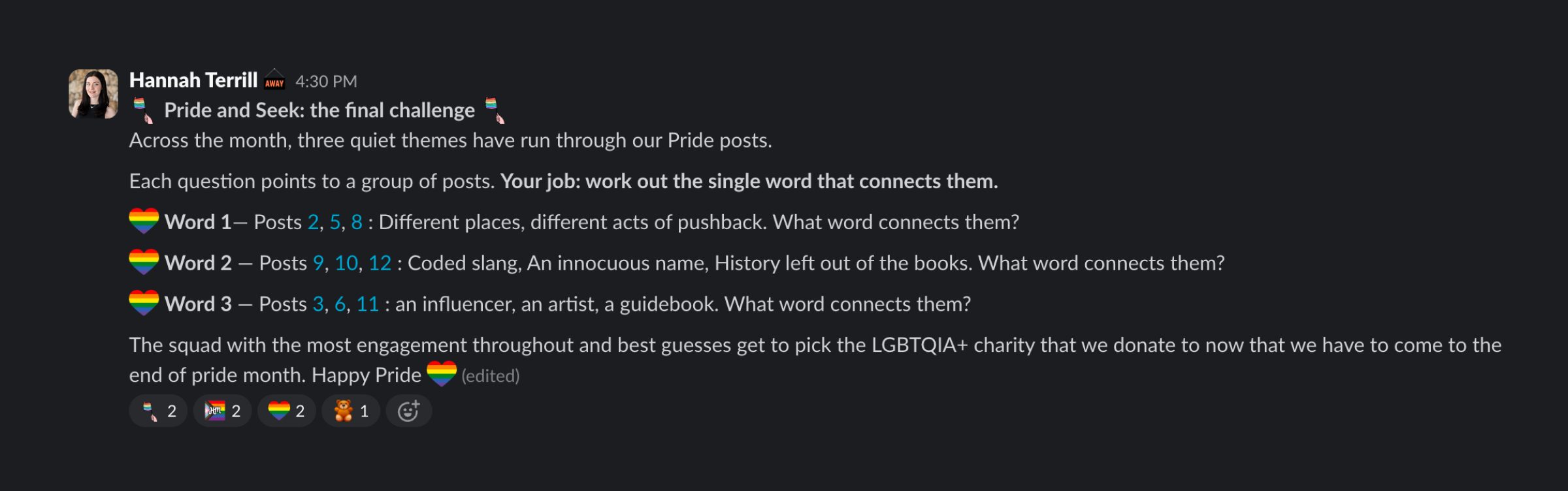
Across the month, we ran Pride and Seek, which involved regular Pride posts in our company Slack, covering everything from the Muxe communities of Oaxaca to the takatāpui of Aotearoa. The posts aimed to educate on what Pride means across the globe, to celebrate what it means to our humans, and to share recommendations of LGBTQIA+ artists, creators, and businesses.

There was a riddle running through it: three connecting words hidden across the month, with a donation to a LGBTQIA+ charity of their choice, going to the squad that engaged the most. We wanted something that rewarded genuine attention rather than passive scrolling, and that gave our globally distributed team a wider view of what Pride means in 2026.

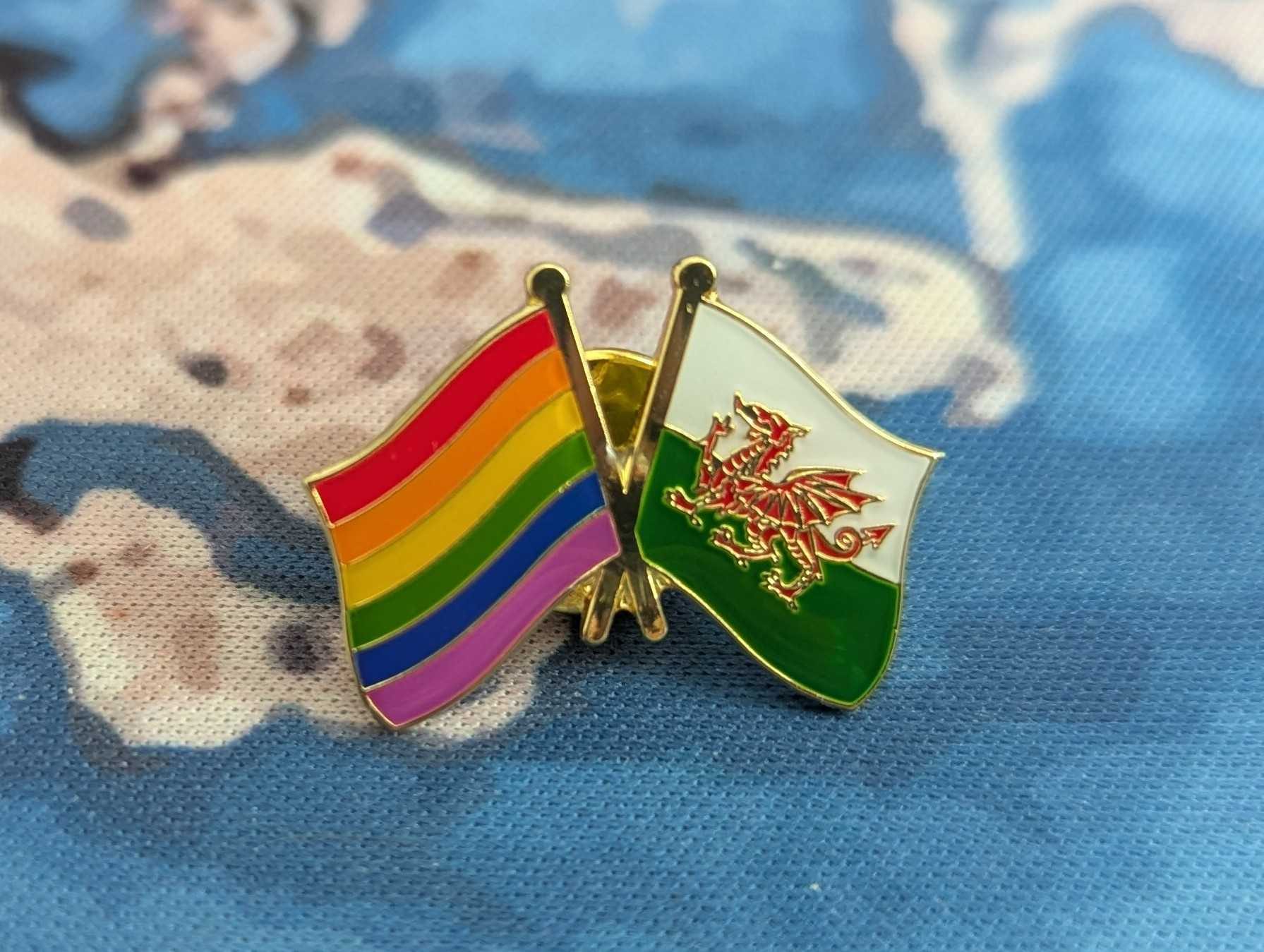
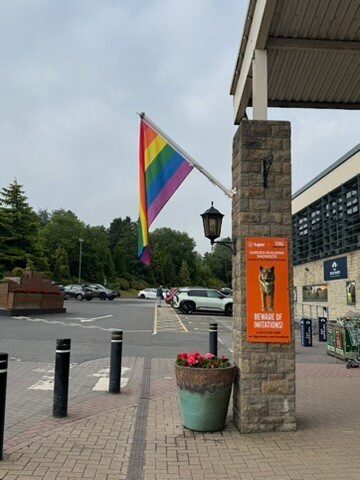
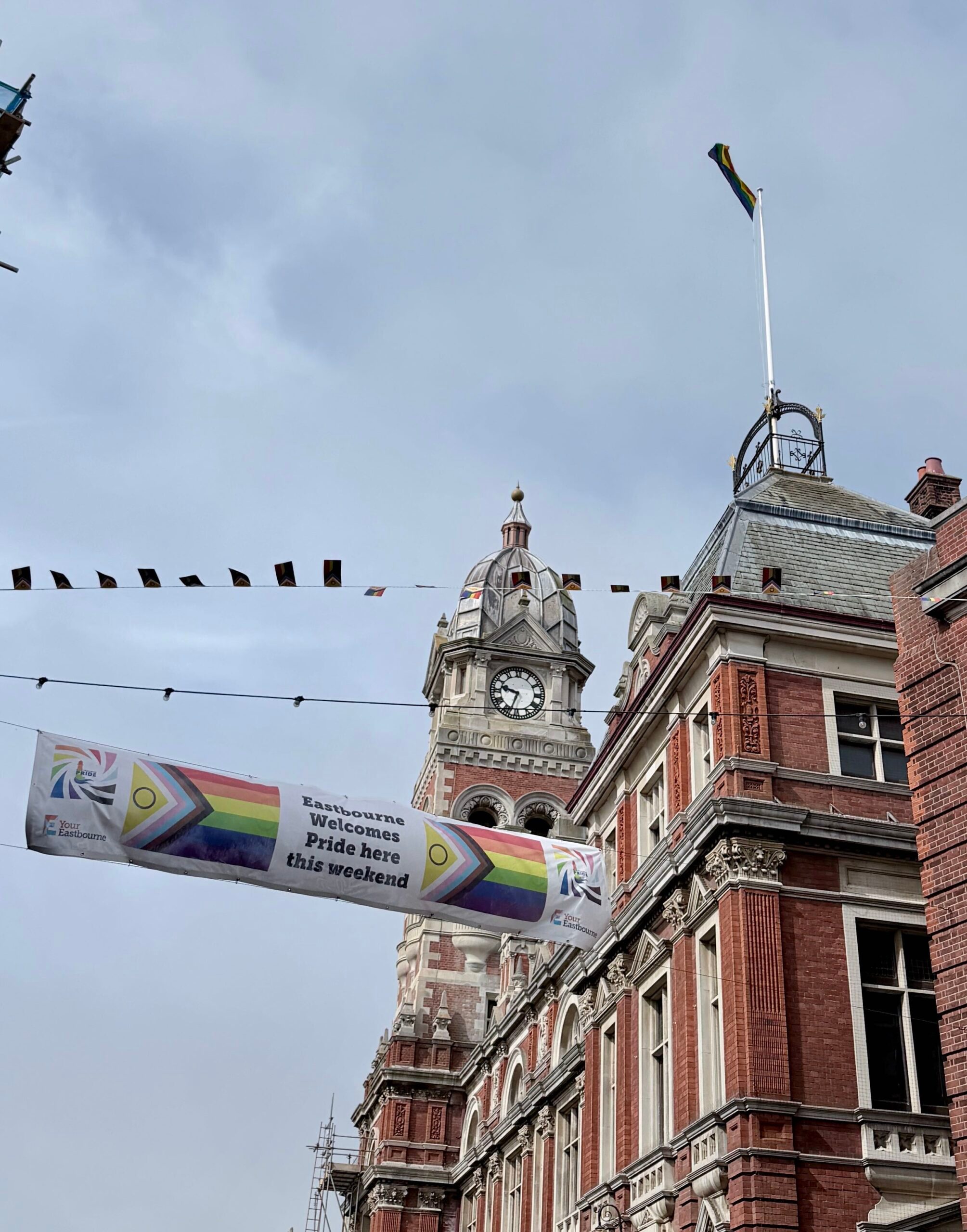
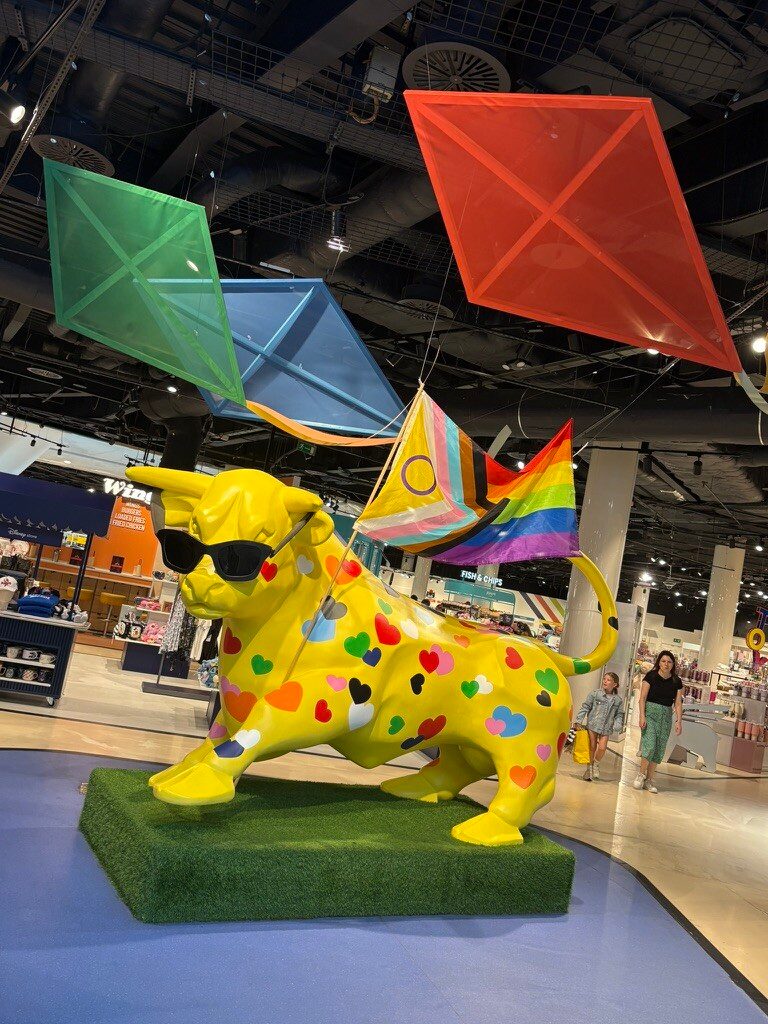
We also asked our humans to share pride flags from where in the world they are based, here’s some that they sent in:

Pride book club

Our company book club chose a queer-themed read for June. It’s a small thing, but reading widely is one of the most direct ways to encounter perspectives different from your own, and it gave us something to discuss together that would touch on relevant themes related to gender, sexuality and pride. We opted for She Who Remains, a tale of gender identity, queer love under theocratic law and the cost of survival within an impossible system.

Cultural spotlights

Throughout the year, we run cultural spotlights in our internal channels: short pieces from team members about traditions, identities, and communities that matter to them. June’s spotlights focused on Brighton, the LGBTQIA+ capital of the UK. 

Because we’re distributed across so many time zones and cultures, cultural spotlights are one of the ways we keep active what could easily become abstract. It’s the difference between saying we value diverse perspectives and actually building the habit of listening to them.

Why we keep doing this

Being a good employer for LGBTQIA+ colleagues isn’t a June exercise. It runs through our hiring, our policies, our handbook, our benefits, and most importantly, how people are treated when they show up to work. It runs through the way we build our teams, the way we design our processes, and the small daily decisions about who feels welcome to speak, contribute, and be themselves. June is when we make that work visible. 

Happy Pride from everyone at Human Made. 

Why not keep the celebrations going with our Music League Pride playlist? Curated by humans, these are the tracks that get us singing out loud and proud.  

More of a podcast lover? Check out the Pride edition of our Being Human podcast – colleagues from around Human Made share their views on why Pride is still so important today and the small actions that we can take to be better allies.  

The post Pride at Human Made: what we did, and why it matters appeared first on Human Made.
Awards Spotlight: Technical Wizardry

We recently announced the winners of our inaugural Human Made Awards. Of all the categories we celebrated, there’s one we wanted to come back to and give a little more space: Technical Wizardry, won this year by Samantha Miller.

Technical excellence sits right at the heart of what we do at Human Made. It’s why our clients trust us with business-critical projects, and it references the standard our team holds itself to every day.

So when we asked everyone at the company to nominate the Human whose technical skill, problem-solving, and craft had set a new bar this year, it was a meaningful question. And Sam’s name came through loud and clear.

We caught up with Sam to talk about the award, the work, and what she’d say to other women weighing up engineering as a career.


How did it feel to win the Technical Wizardry award?

“I was completely shocked. I work with some of the most talented people in the industry, so to be recognised by my peers at a leading agency has genuinely blown me away. I’m incredibly proud, and if I’m honest, I’m still getting my head around it!”

What do you love most about what you do?

“I work on projects for a range of clients, and they all bring their own unique challenges that require creative technical thinking. I’m constantly learning, and that keeps things exciting.

“I love working with clients, understanding what they really need and finding the right solutions for them. I take a lot of pride in my work. I’m meticulous about the small details, because I think that’s what turns good work into great work. That craft and care really matters to me. I also love working at Human Made, and that makes a huge difference.”

What are some of your favourite projects you’ve worked on recently?

“Skyscanner Travel Trends 2026 was a highlight. I was the technical lead and worked closely with Skyscanner’s design team to realise their creative vision. I loved the technical challenge of building a scalable frontend that had to be dynamic, visually engaging and carefully crafted, while also being flexible and intuitive for editors. It’s the kind of project where the details really matter, and that’s where I do my best work.”

“AI is an area I’ve been working in a lot recently and find really intriguing. Last year I spoke at our WP:25 event about a project I led with AGBI, where we embedded AI into their editorial workflow to generate and refine content summaries for editors to review and publish. More recently I’ve led projects building tools that reframe existing content, using AI to show users only what’s most relevant to them. For me, AI is a tool to enhance what people can do, not a solution in itself. Keeping people at the heart of what we do is what matters.”

What advice would you give women looking to build a career in web development?

“Be curious and do what you enjoy. Seek out people to learn from at your local meetups, conferences and online. Share what you learn – there will always be something you know that others don’t. Take up opportunities and put yourself forward, even if you don’t feel ready. You have more to offer than you realise.”


Engineering at Human Made

We want Human Made to be a company where engineers from every background can thrive, feel genuinely recognised, and be proud of where they work.

Women are still massively under-represented in web development. And we would like to do our bit to change this. If you’re a developer thinking about your next move — and especially if you’ve ever been made to think engineering wasn’t a space for you — we’d love to hear from you.

Congratulations again to Sam, and thank you for everything you bring to the team.

The post Awards Spotlight: Technical Wizardry appeared first on Human Made.
The Human Made Awards 2026

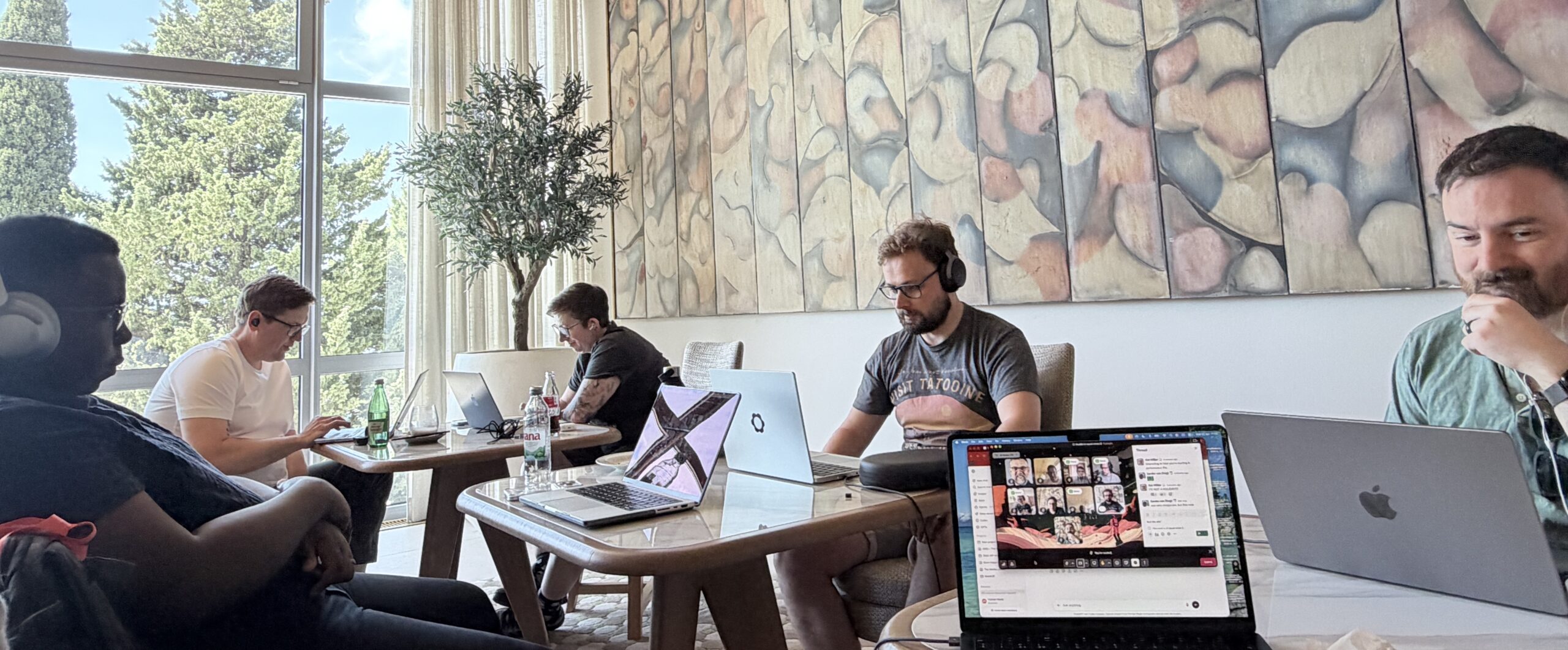
As a globally distributed company, our work typically happens across time zones, async, on video calls, and in pull requests. We love working this way; it means we can build the best teams possible. But it does come at the expense of face-to-face time with other Humans.

That’s why our annual company-wide retreat is always such a highlight. Just before the sun sets on this year’s retreat, we’d like to take a minute to celebrate the winners of our inaugural Human Made Awards.

We asked everyone at Human Made to nominate the people they felt deserved recognition across eight categories. The response was incredible. The nominations told stories of generosity, technical ability, passion, craft, quiet brilliance, and the kind of everyday excellence that doesn’t always show up in a project retrospective.

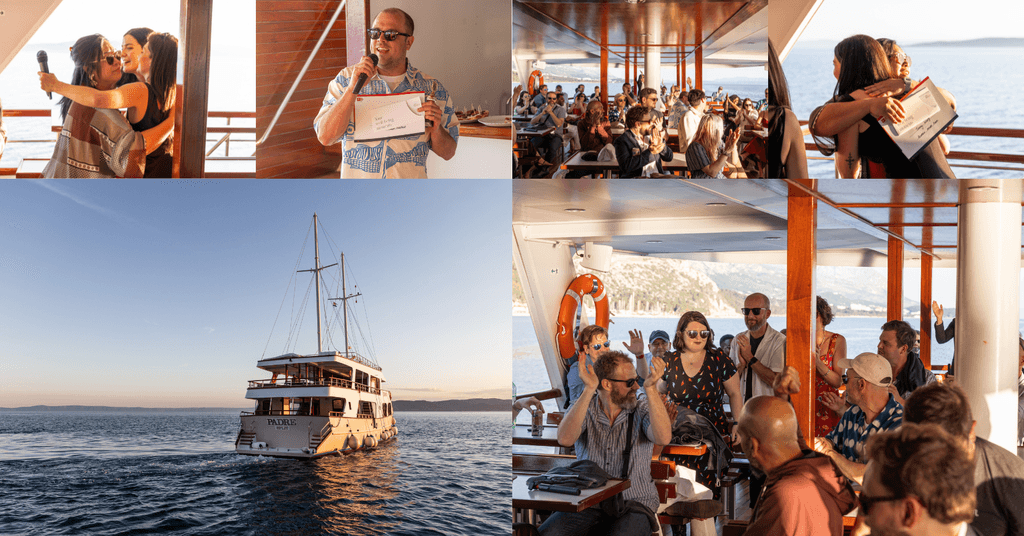
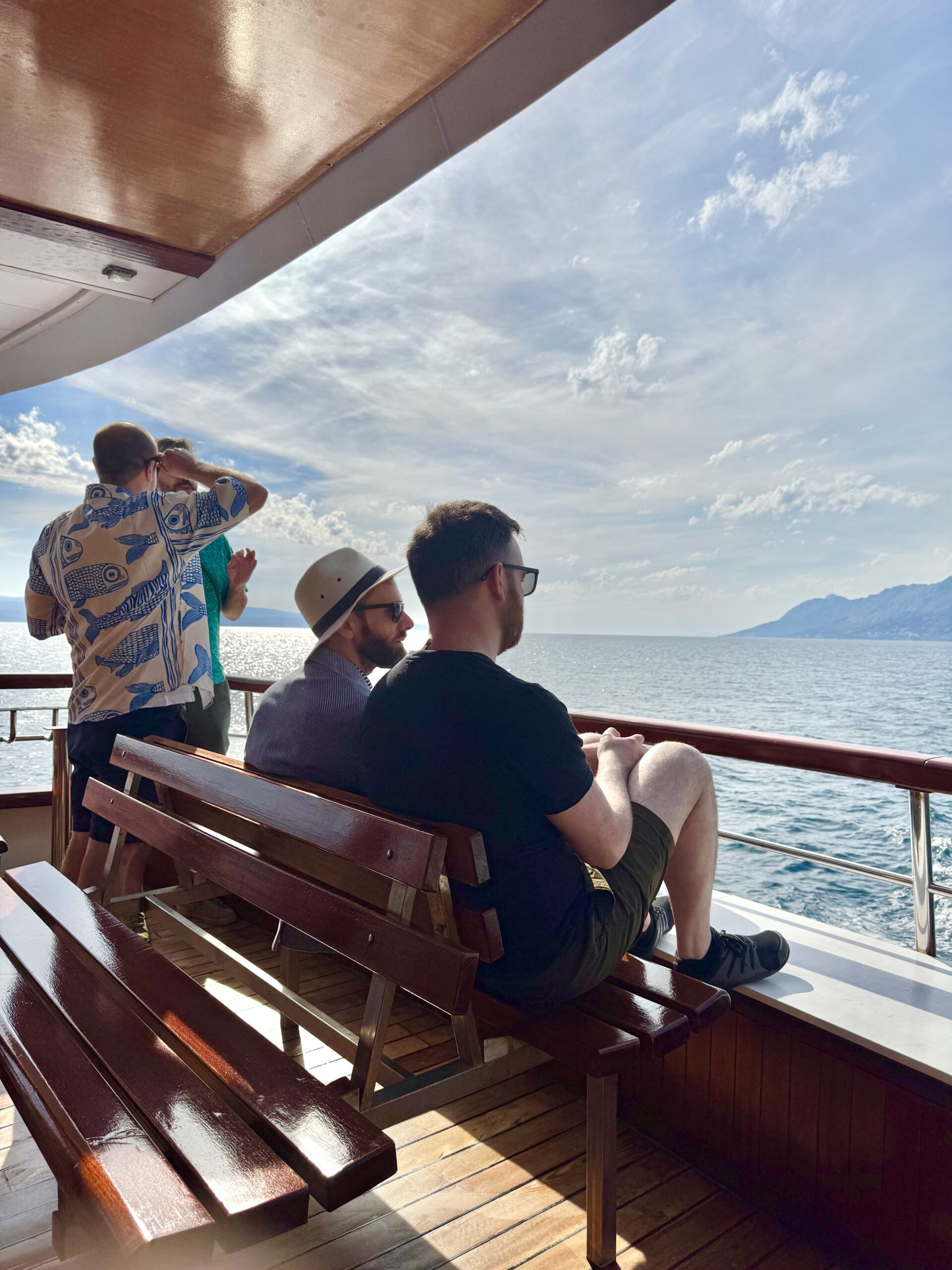
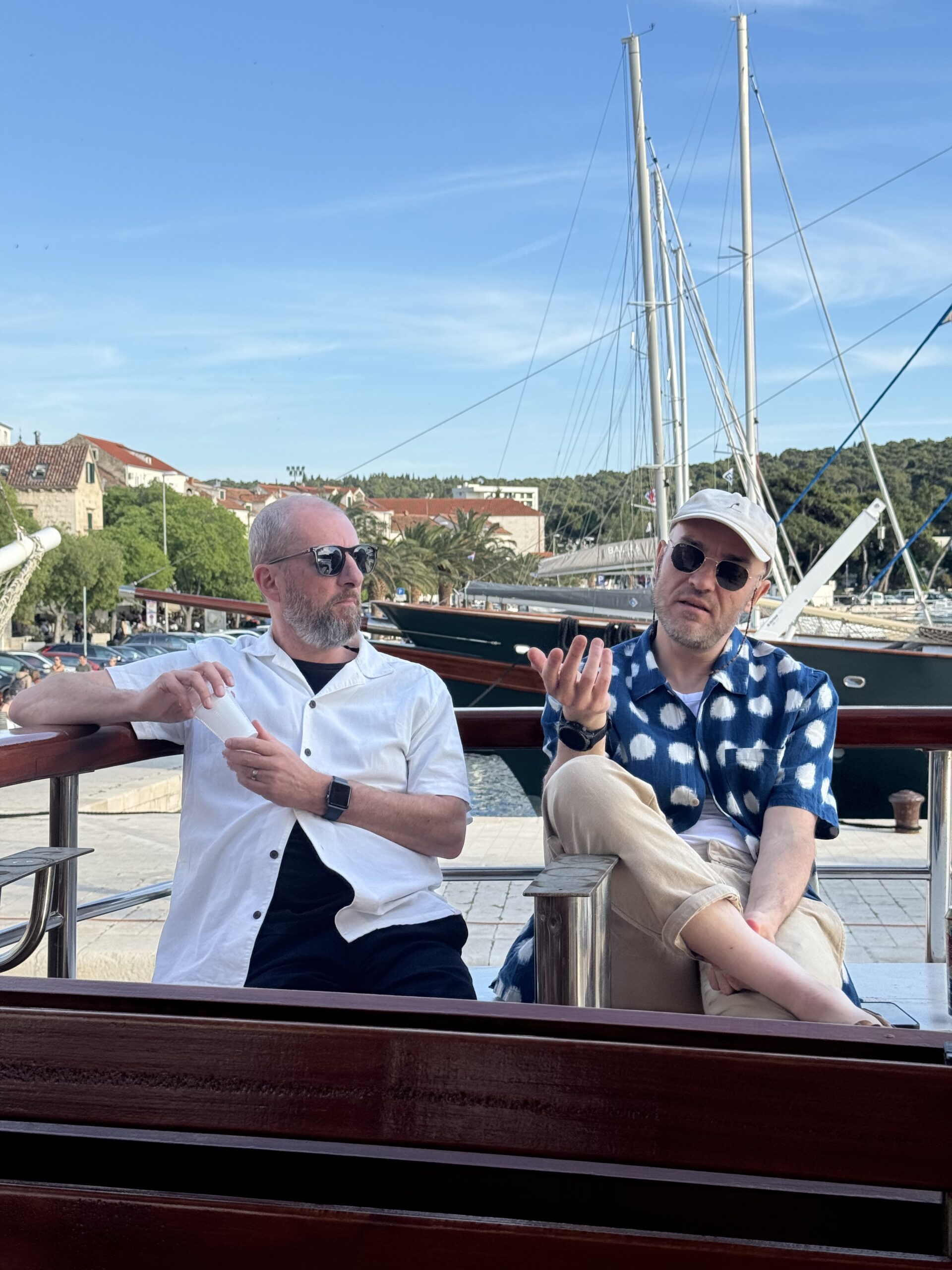
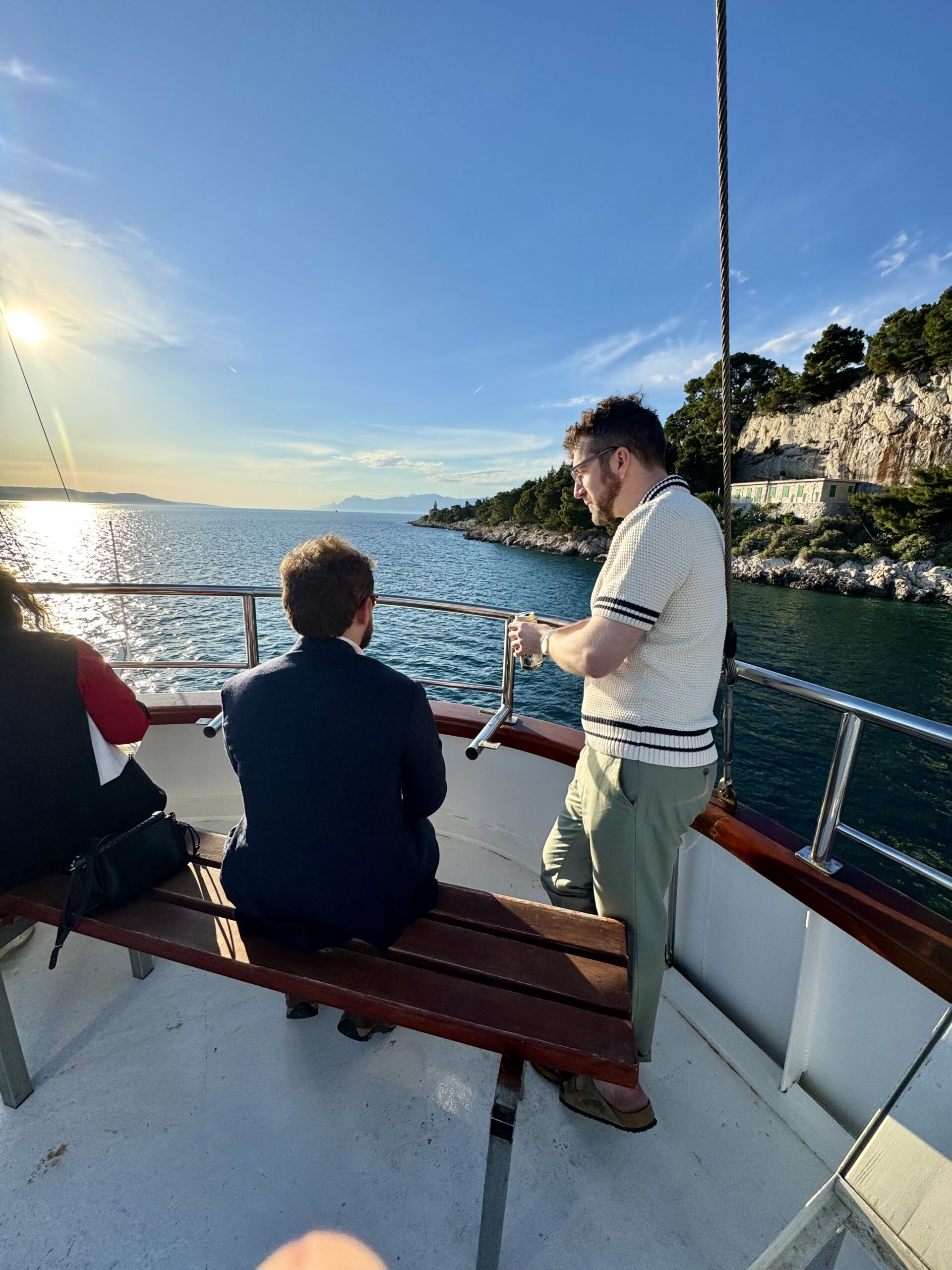
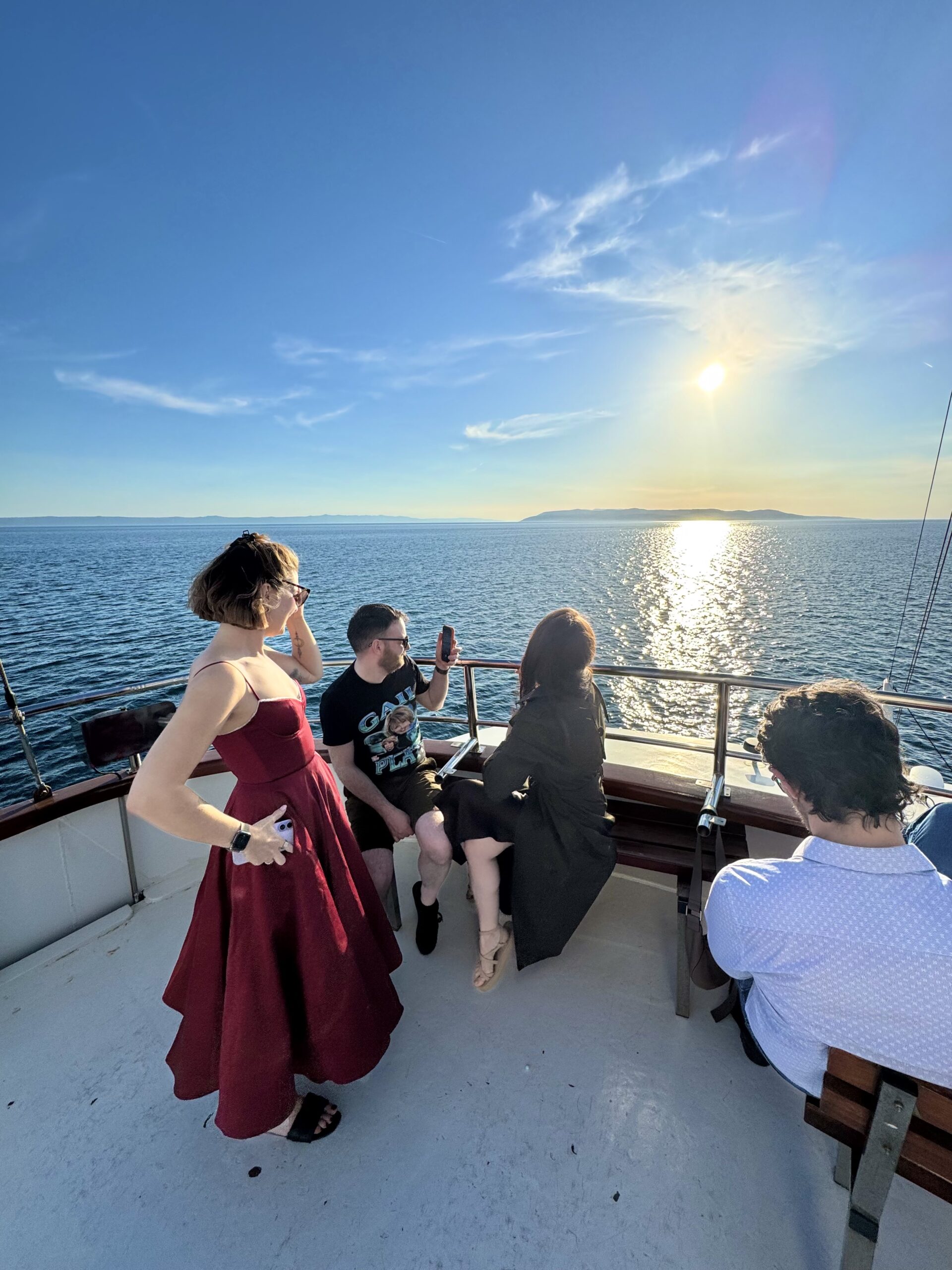
The gongs were dished out at a glittering ceremony out at sea off the coast in Brela, Croatia, a couple of weeks ago.

Tom Willmot, Human Made CEO, said:

“The awards were such a great addition to our retreat. The ceremony itself was filled with emotion, gratitude, love, and tears! It’s powerful to be recognised by peers you respect, and rewarding to endorse someone publicly.

“Congratulations to each of the deserving winners (listed below) and thank you to everyone who took part. I think these will be a regular feature from now on”.

Culture Champion
Recognising someone who lives our values, brings people together, and helps make Human Made the kind of place people want to work.

Winner: Zoe Hoyle


Technical Wizardry
For the person whose technical skill, problem-solving, or engineering craft has set a new bar this year.

Winner: Sam Miller


Biggest Cheerleader
For the colleague who consistently lifts others up, celebrates wins big and small, and brings warmth and encouragement to the team.

Winner: Vojislav Vlasic


Client Whisperer
For the person who builds exceptional relationships with the clients we partner with — turning trust into long-term success.

Winner: Sarah Jones


Behind the Scenes
For the unsung hero whose work keeps everything running — often without anyone realising just how much they do.

Winner: Fatima Rampurawala


Leadership Impact
For the person whose leadership — whether formal or informal — has had a real, positive impact on the people around them this year.

Winner: Adam Brown


Creative Spark
For the person bringing fresh ideas, original thinking, and a bit of magic to their work.

Winner: Pawel Mikolajek


Human Made Hero
Our headline award. For the person who, more than anyone this year, has embodied what it means to be part of Human Made.

Joint winners: Hannah Terrill and Jenny Wong


Awards like these aren’t really about trophies and acceptance speeches. They’re about creating space for us all to appreciate the amazing work our colleagues do throughout the year.

Human Made is built on the belief that people bring the heart to the technology we build, and these awards provide a small way of allowing us all to celebrate exactly this.

They serve as a reminder of the brilliant people we work with, the amazing work we do for our clients and the fun we have along the way.

Congratulations to all our winners and nominees and thank you to everyone at Human Made for being part of what makes this company so unique.

The post The Human Made Awards 2026 appeared first on Human Made.
Human Made retreat roundup – Croatia 2026 🇭🇷

It had been nearly two years since we were last on retreat together in Greece, which, in a company like ours, feels like a very long time.

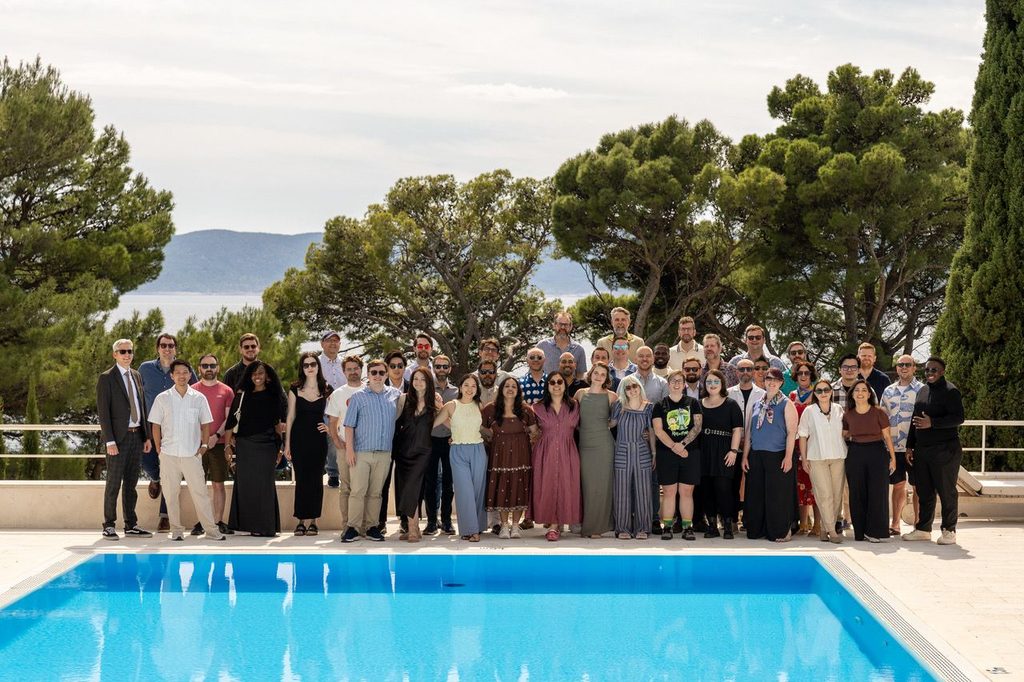
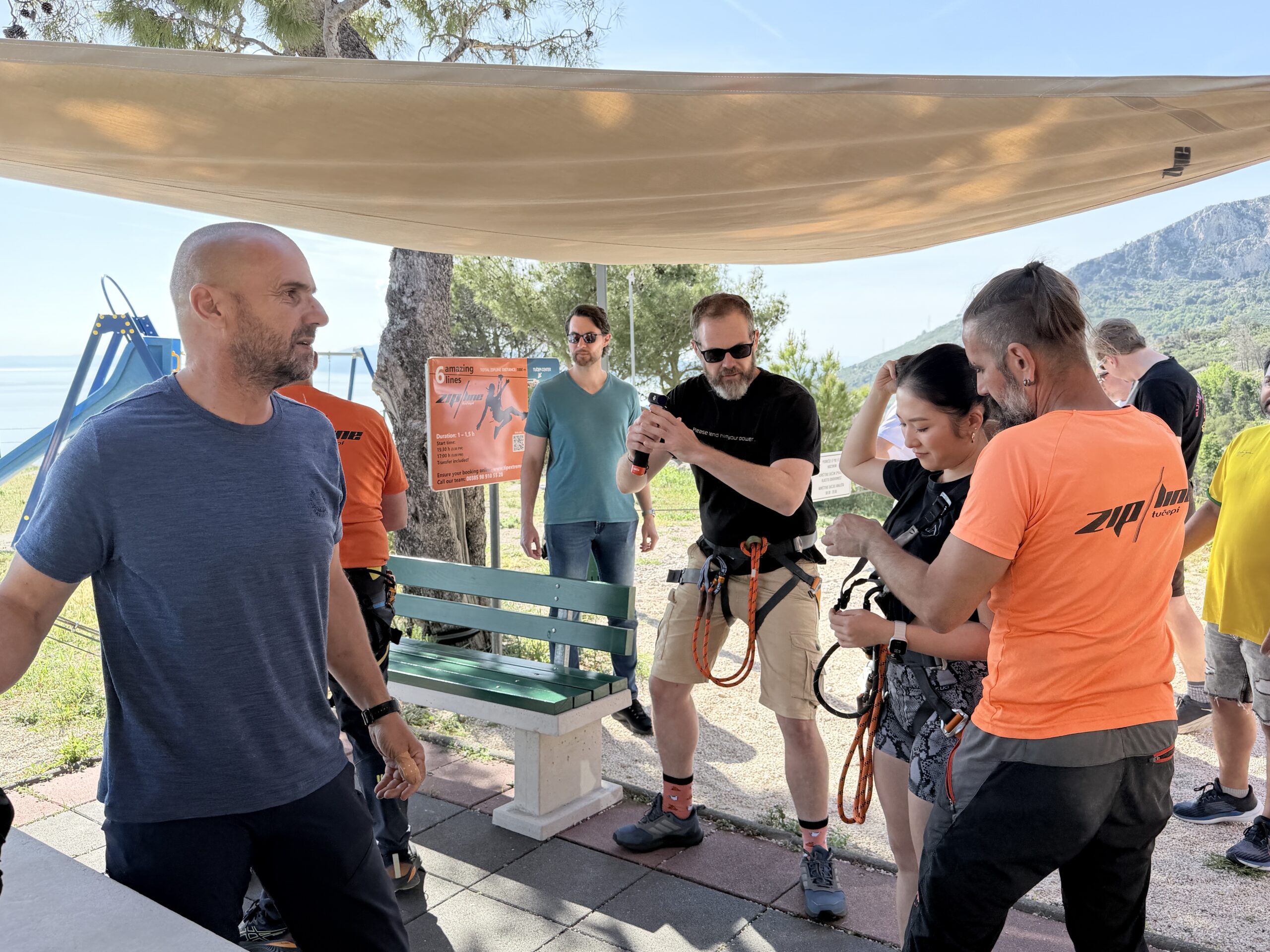
Last week, we brought Human Made back together again, this time on the Croatian coast, surrounded by mountains, sea air, and the kind of setting that invites both reflection and energy in equal measure. As a remote company, these moments are not incidental to how we work, they are fundamental to it, giving us the opportunity to reconnect in ways that simply are not possible through a screen and to strengthen the relationships that sustain us throughout the rest of the year.

There is always a moment, usually quite early on, where you can feel the shift happen, where conversations begin to flow more easily, where familiarity replaces distance, and where the company, which normally exists across time zones and Slack threads, becomes something tangible again.

Ready, steady, Croatia!

Bringing a global team together in one place is no small undertaking, and it takes a remarkable amount of coordination, care, and attention to detail to make it happen in a way that feels effortless once we arrive.

I want to start by recognising everyone who contributed to making this retreat possible – in particular our retreat organisers Zoe, Leyla, Hannah, and Fatima – because events like this do not come together by accident, and the experience we all had last week is the result of a huge amount of unseen work.

Transportation, Vehicle, Yacht
People, Person, Computer

What continues to stand out to me each time we do this is just how quickly people settle into being together, how conversations that might take weeks to unfold remotely instead happen within minutes, and how connections form naturally across teams, disciplines, and experiences.

There is a sense of ease that emerges, and with it, a level of understanding and collaboration that carries forward long after the retreat itself has ended.

Finding our retreat flow

Every retreat develops its own character, shaped as much by the people as by the moment we find ourselves in as a company, and in Croatia there was a clear sense of exploration running throughout the week.

This year, that exploration centred around AI, not just as a topic, but as something actively being tested, questioned, and understood across the entire organisation. What was particularly striking was the breadth of experience, from those in the agency who are already deeply embedded in using these tools to reshape their work, to those who are only just beginning to understand what might be possible.

What was encouraging, and genuinely exciting, was how quickly that gap began to close once we were all in the same space.

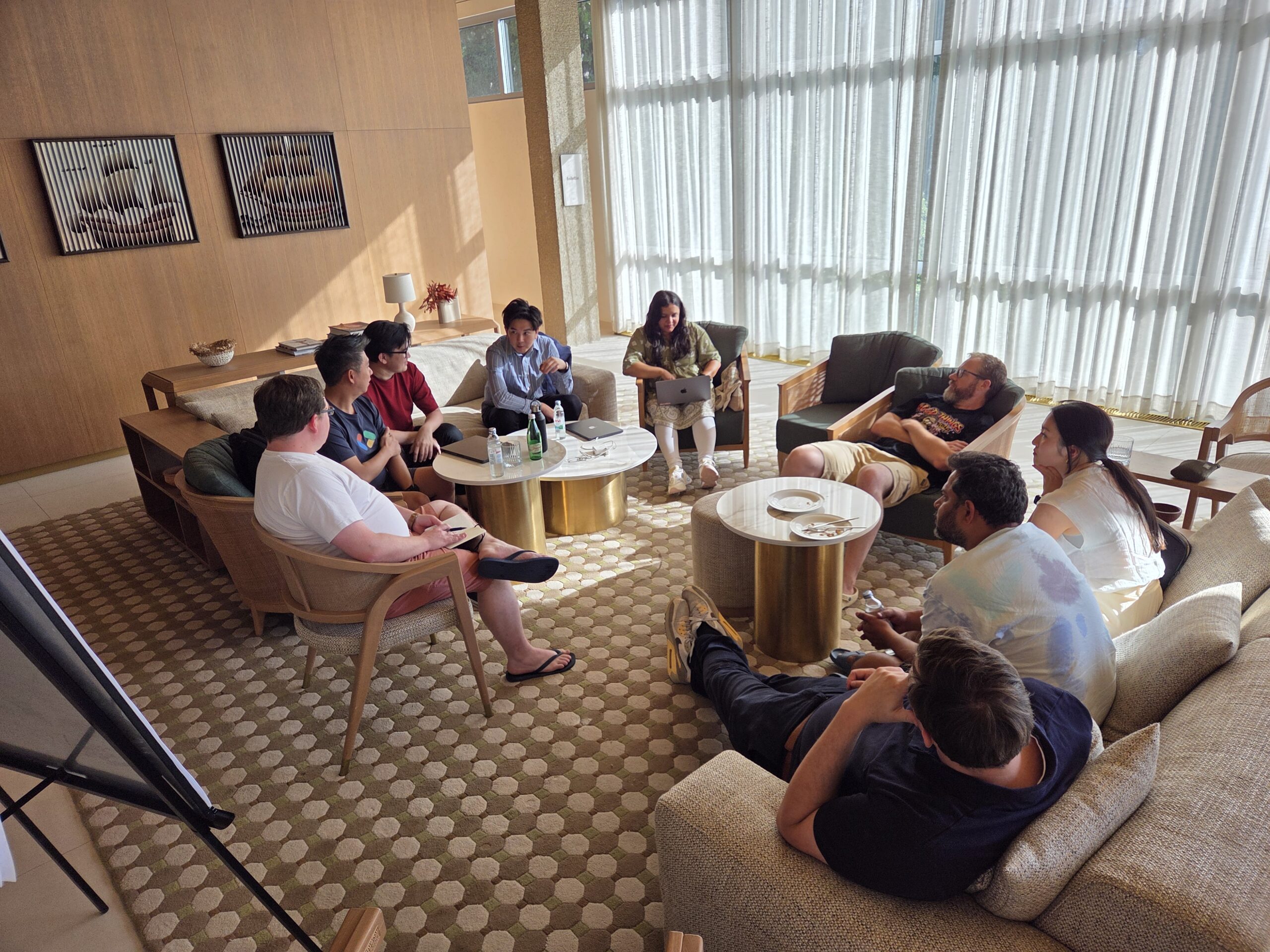
People shared openly, demonstrated how they approach problems, and helped each other unlock new ways of thinking about their day-to-day work, often in ways that felt immediately practical rather than theoretical. You could see confidence building in real time, not just within engineering, but across every discipline, as people realised that these tools are not confined to one role or one way of working.

The AI hackathon we ran across part of the week brought all of this together in a way that felt both energising and revealing, as teams formed around ideas, experimented freely, and pushed into new territory without the expectation that everything needed to be fully formed or successful.

What mattered was the willingness to engage, to try, and to learn from each other, because that is ultimately where meaningful progress begins.

The value of being together

We often talk about the benefits of being a remote-first company, and there are many, but being together in person serves as a powerful reminder of what underpins all of it.

Water, Waterfront, Face

There is a natural flow to in-person conversation that is difficult to replicate elsewhere, where ideas evolve more quickly, context is shared more easily, and collaboration becomes something dynamic rather than structured. More than that, it allows people to understand each other beyond their roles, to build trust, and to develop the kind of relationships that make working together not just more effective, but more enjoyable.

That sense of connection is not something that stays behind when the retreat ends, it becomes part of how we work moving forward, shaping the way we communicate, collaborate, and support each other throughout the year.

The moments that matter

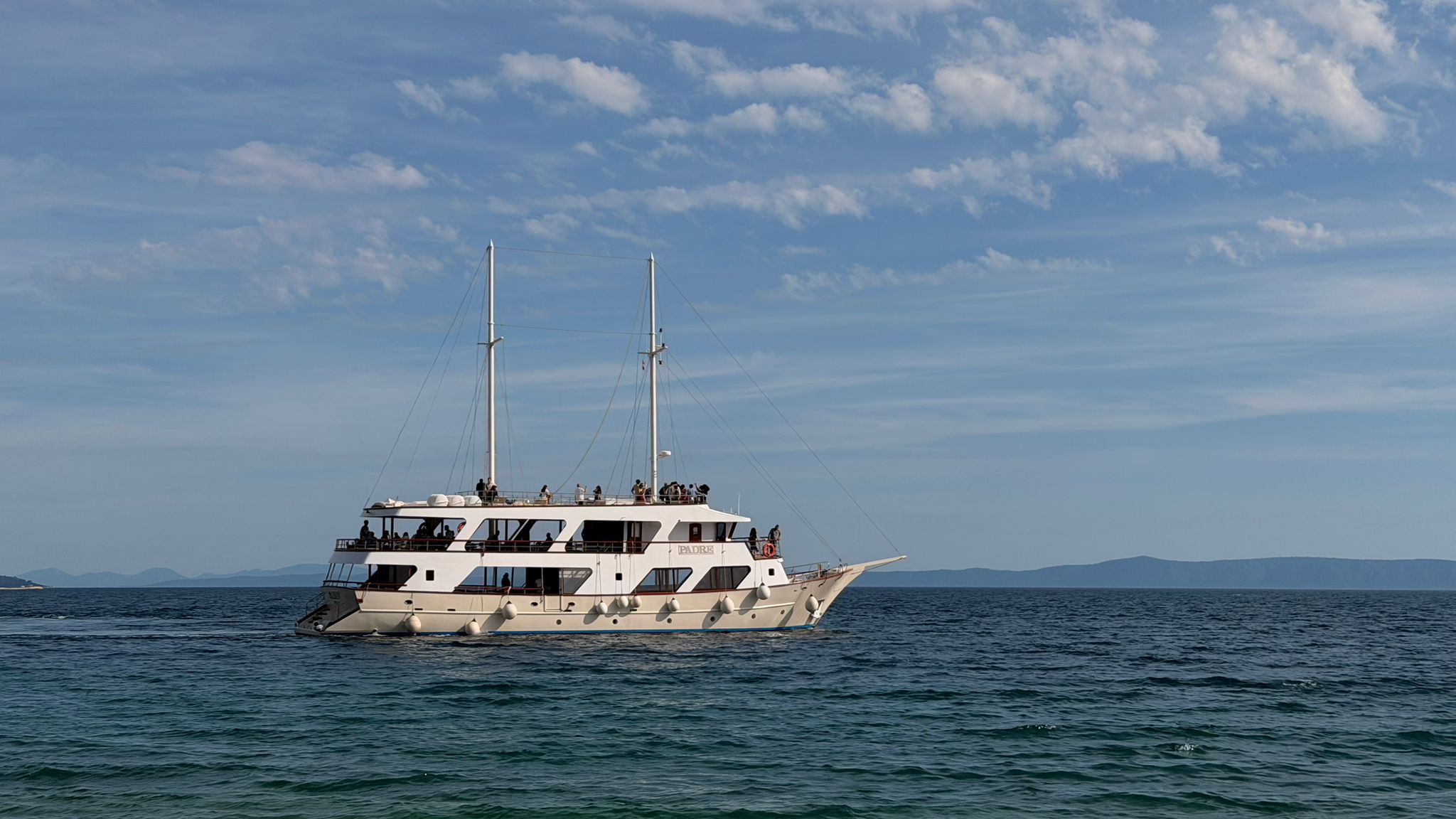
Alongside the work, there were countless moments that captured the spirit of what these retreats are about, from shared meals and late-night conversations to the energy of a pub quiz, the celebration of HM’s birthday out on the water, and the quieter interactions that often leave the most lasting impression.

There were people stepping outside their comfort zones, others discovering new confidence in sharing their ideas, and many simply enjoying the opportunity to spend time together in a way that is rarely possible in our day-to-day work.

These moments may seem small in isolation, but collectively they form the foundation of our culture, not as something defined in words, but as something experienced and carried forward by everyone who is part of it.

Looking ahead

Each time we come together, I’m reminded of what makes Human Made what it is, which is not just the work we do, but the way in which we approach it, with openness, curiosity, and a genuine willingness to learn from one another.

Croatia gave us the space to reconnect, to explore new ideas, and to strengthen the relationships that make our work possible, and it is that combination that continues to define us as a company.

Thank you to everyone who made it what it was.

Now we take that shared experience, that energy, and that momentum, and carry it forward into everything that comes next.

The post Human Made retreat roundup – Croatia 2026 🇭🇷 appeared first on Human Made.
❌