❌

Reading view

There are new articles available, click to refresh the page.

The Climate Wars: How Superpowers Are Carving Up the Earth | With Arthur Snell

The Climate Wars: How Superpowers Are Carving Up the Earth | With Arthur Snell The Climate Wars: How Superpowers Are Carving Up the Earth | With Arthur Snell
The Climate Wars: How Superpowers Are Carving Up the Earth | With Arthur Snell

The climate crisis is changing the way nations think about food, energy, resources, war and peace. Melting ice caps are opening up new trade routes fought over by the world's great powers, conflicts are waged over food and mineral resources, shifting climates are fuelling migration – and Donald Trump says it's all just a scam.

Join Arthur Snell as he discusses his new book Elemental: the new geography of climate change and how we survive it. Spanning conflict in the Sahel, Russia's war in Ukraine, the US coveting Greenland, NEOM in Saudi Arabia, and China's energy push, Snell explores how the climate crisis is now in every part of our politics. But while there is much to concern us here, there's hope too. The world faces various futures, and it can adapt and respond to the realities of a changing climate.

Buy Elemental: The New Geography of Climate Change and How We Survive it
Sex, power and backlash in Africa

Sex, power and backlash in Africa

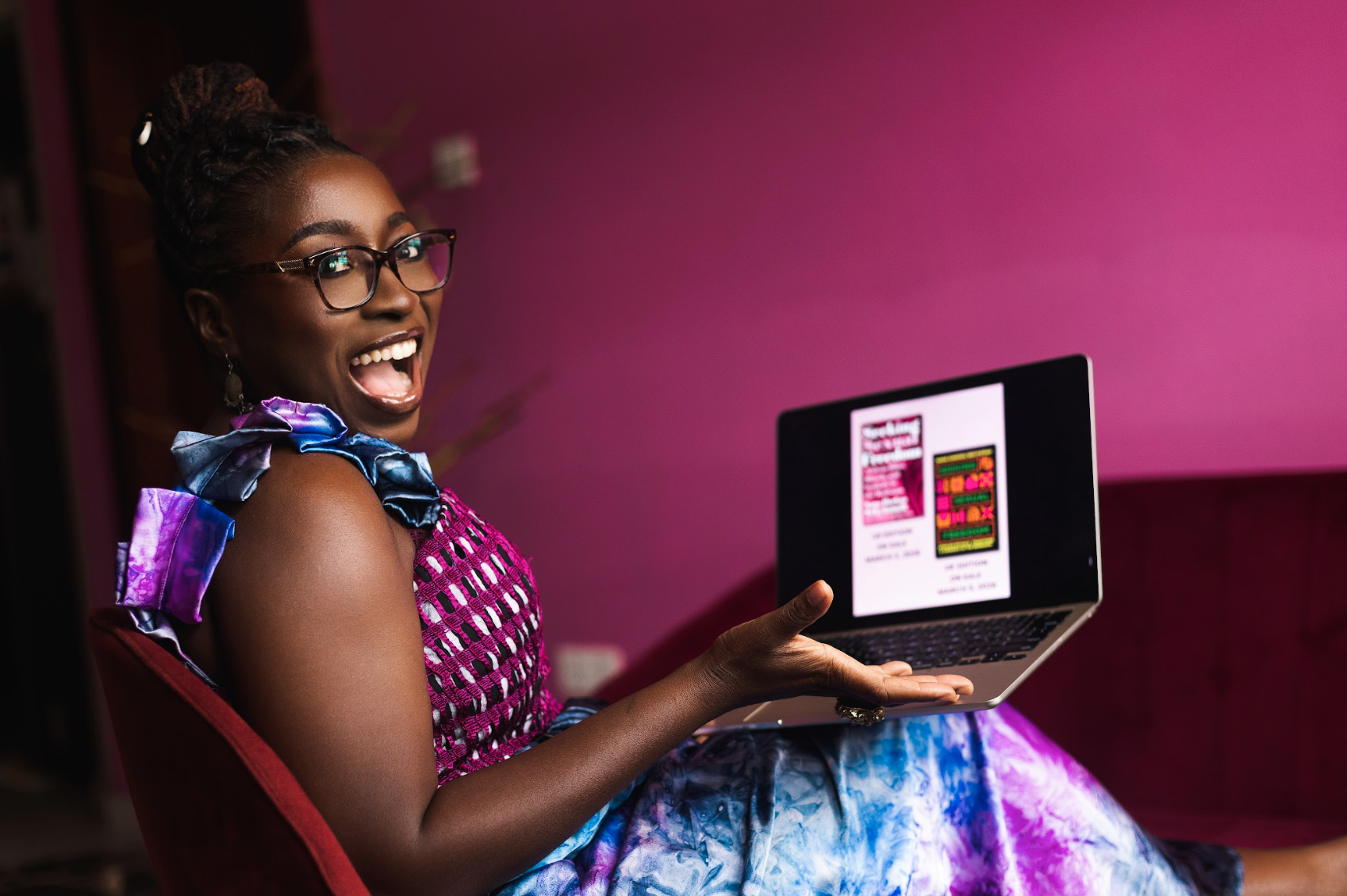
In researching my book Seeking Sexual Freedom, I was struck by the contrast between the expansive ways our ancestors understood gender, sexuality and intimacy, and the growing restrictions being shaped today by religious fundamentalism, patriarchy and political power.

I think of these restrictions – often described as a β€œbacklash” – as an interruption.

Across the continent, we have centuries of knowledge that speak to fluidity in our gods and goddesses, and to a multiplicity of family structures and ways of being. The current moment – marked by rising homophobia and the rollback of progressive rights across Africa and beyond – sits uneasily against that longer history.

What movements can learn from their own histories

What movements can learn from their own histories

At a moment of intensifying backlash against rights and bodily autonomy globally, movements are being forced to adapt fast – often with little space to reflect on what is actually working.

Much of the media that covers activism still flattens that work into individual stories or neat 'wins', even as organisers themselves push back on those framings.

This Q&A is part of openDemocracy’s effort to do something different: to treat movements not just as subjects of coverage, but as sources of knowledge – and to surface the practical thinking behind how organisers are navigating risk, building power and learning across contexts in real time.

❌