❌

Reading view

There are new articles available, click to refresh the page.

Ars Live: What do drone strikes on data centers mean for the future? Talk at 1 pm EST today

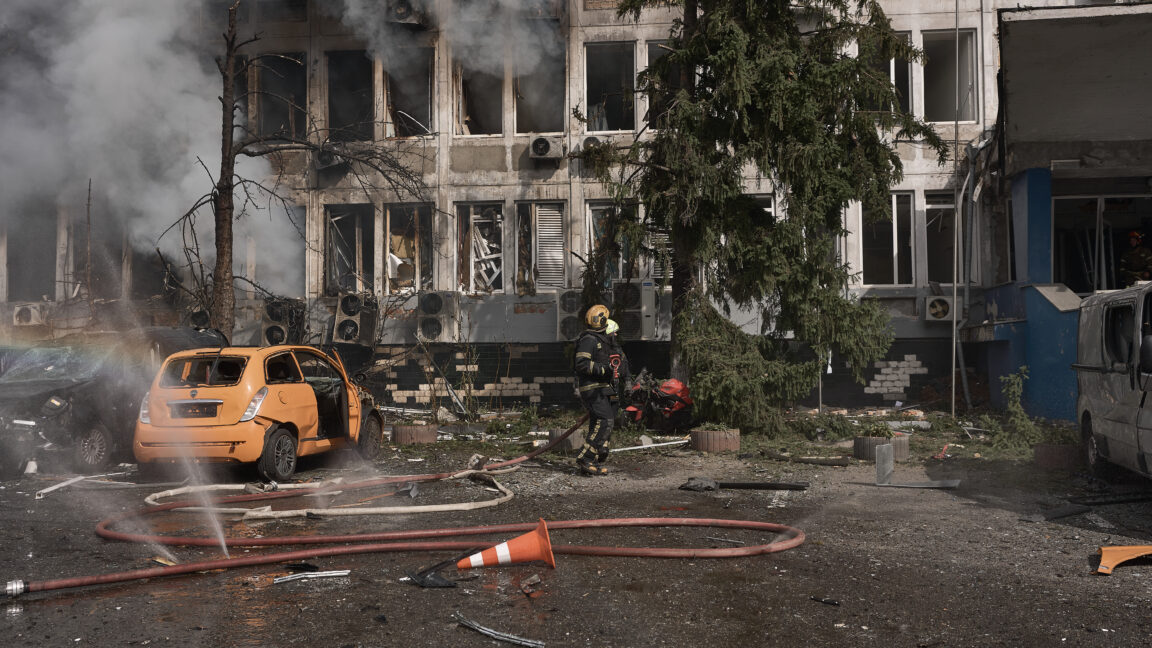
Drone and missile strikes have inflicted unprecedented damage on data centers in Eastern Europe and the Middle East this year, disrupting cloud services for millions of people and permanently deleting some Amazon Web Services customer data. This trend represents a new concern for Big Tech companiesβ€”but also for governments and everyone else who depends on common digital services in modern life.

To explore what this all means for modern society’s reliance on cloud resilience, I will be hosting a live conversation titled "Drone attacks and data centers: New Risks for Big Tech" on Tuesday, November 17 at 1 pm ET with Joseph Jarnecki, a senior research fellow at the Royal United Services Institute (RUSI), a UK defense and security think tank. He leads RUSI’s work on how cloud services factor into national security and defense, along with tech sovereignty efforts.

Jarnecki has done extensive research on how Ukraine strengthened its cloud resilience with Western partners despite facing both cyberattacks and kinetic attacks at the start of the full-scale Russian invasion, and explored what that means for NATO and European governments’ cloud adoption plans.

Read full article

Comments

Β© Kostiantyn Liberov/Libkos/Getty Images
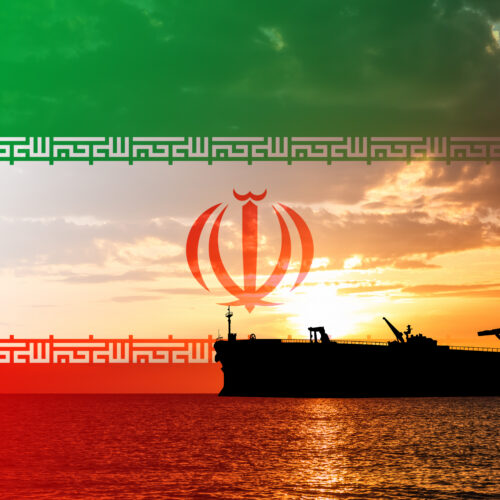
Ships loiter near subsea cables amid Iran's warnings to Trump

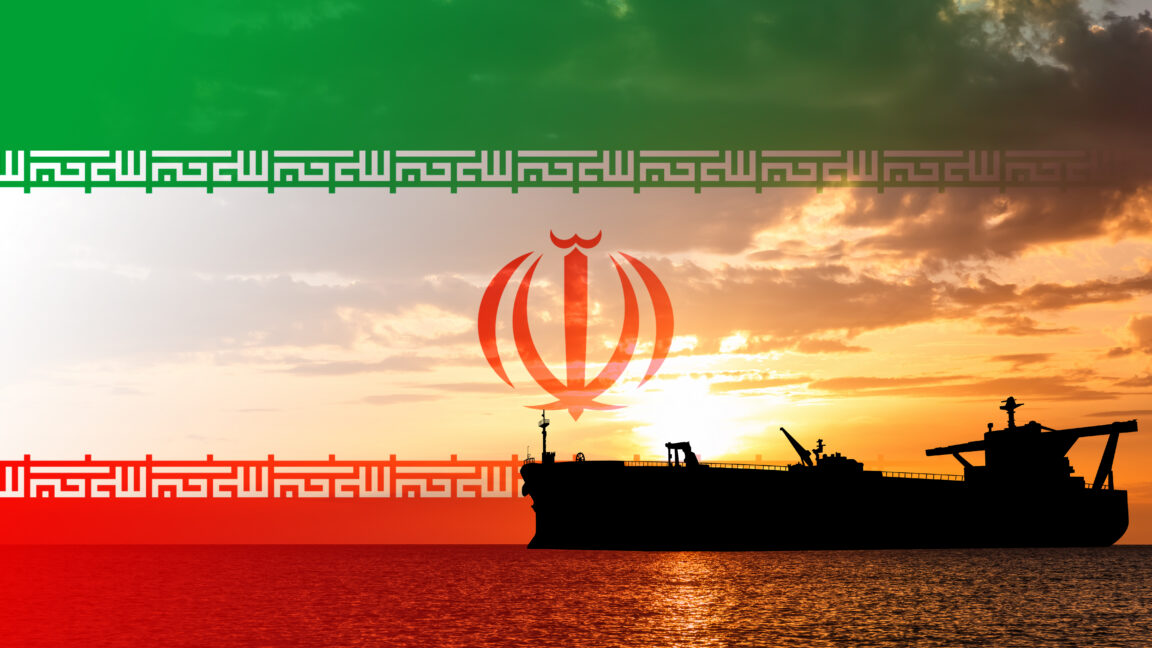
Several tanker ships linked to Iran have been loitering over subsea Internet cables in the Gulf of Oman near the Strait of Hormuzβ€”a possible indication that the Iranian government is preparing to attack such undersea infrastructure in response to any renewed US and Israeli strikes.

The movements of three sanctioned tankers and an Iranian fishing boat have been tracked near major undersea cables by the maritime intelligence firm Windward in October, according to the Financial Times. Six active cables currently cross through the contested Strait of Hormuz, linking the Middle East to Europe, Africa, and Asia, with two more cables having segments under construction in the region.

Four countries, including Iraq, Kuwait, Bahrain, and Qatar, depend entirely upon such subsea telecommunications connections running through the Strait of Hormuz chokepoint to link with the outside world. But other countries also depend heavily on the region's undersea cable networkβ€”one-third of India’s westbound Internet traffic goes through the Persian Gulf and Strait of Hormuz.

Read full article

Comments

Β© Anton Petrus

The Internet’s undersea backbone is slipping into the danger zone

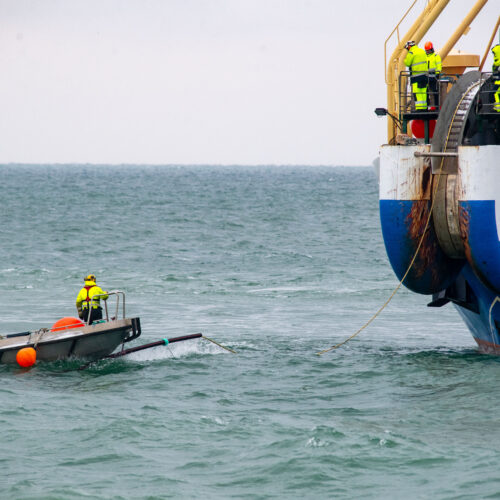
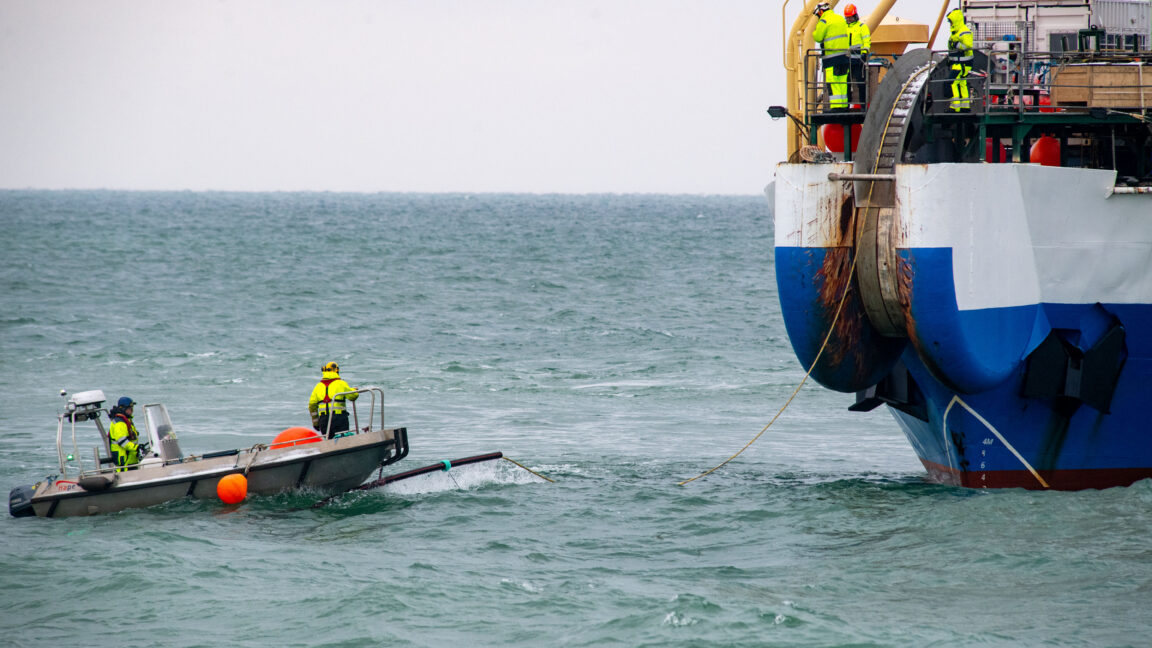
Despite the expansion of Starlink and other communications satellite services, most of the world’s Internet traffic still travels through subsea cables crisscrossing the ocean floors. Those fiber-optic cables coexist with a network of oil and gas pipelines and submarine power cablesβ€”and all these crucial links connecting countries and continents now face growing sabotage risks as gray-zone warfare and open conflicts have become widespread.

The rising risks to the world’s invisible infrastructure beneath the waves are the main subject of a new book by Elisabeth Braw, a senior fellow at the Atlantic Council who leads the Threats to the Global Maritime Order Initiative. Her book, titled Undersea War, explores the modern rise in suspicious incidents in which ships dragging their anchors for unusually long periods have cut or damaged undersea cables and pipelines, from the Baltic Sea to the Pacific Ocean.

Braw acknowledges that about 60 percent of undersea cable damage is primarily due to human error during fishing and shipping activities, when weighted nets or anchors drag across the seabed. Natural hazards like storms and undersea landslides also account for a smaller proportion of such incidents. In total, between 150 and 200 cables are damaged each year and usually repaired quickly.

Read full article

Comments

Β© Stefan Sauer/picture alliance via Getty Images

❌