❌

Reading view

There are new articles available, click to refresh the page.

While soulslikes went bigger than big, Death's Door swung open the appeal of a tighter adventure
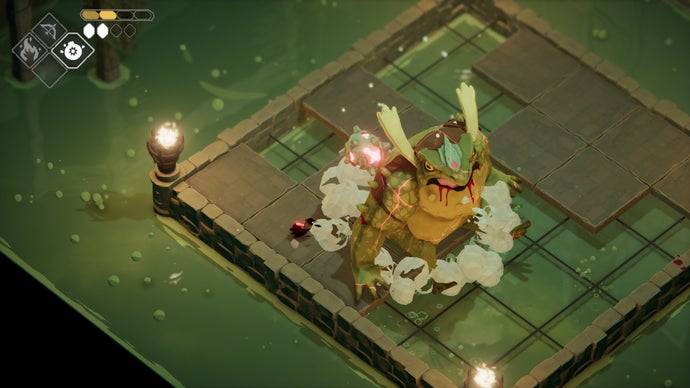
Declaring a Best Way of Doing Things is a fool’s game, though in recent years my favourite entries in the Tricky Hitting genre – inclusive of soulslikes and their hybridised disciples – have been the big, bulging ones. Elden Rings and Silksongs, with vast kingdoms and deep, rattling toolkits for surviving them. The reason it’s a fool’s game is because you can also have something like Death’s Door, a taut, compact, lighthearted little actioner that fills eight hours instead of 80 and yet never feels underwhelming or compromised for it.
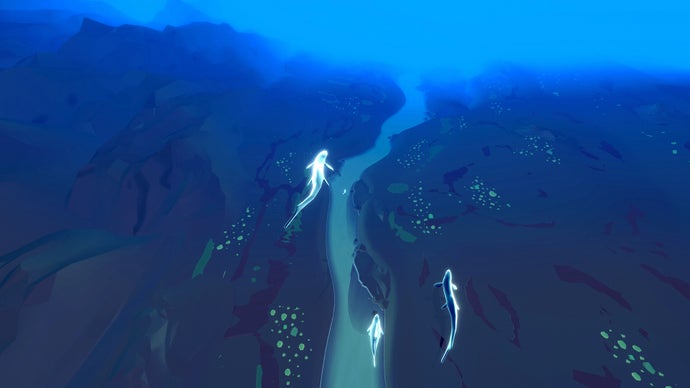
Read more

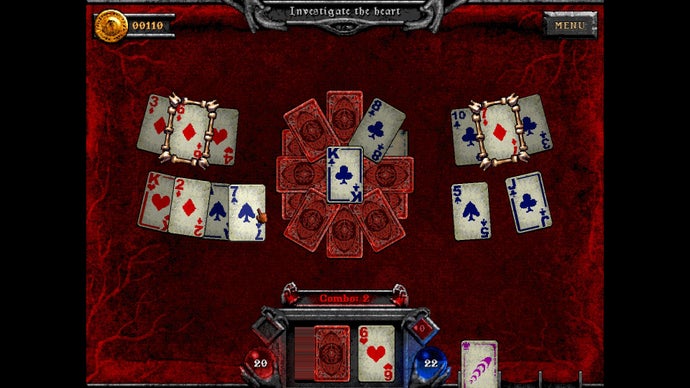
Horror-steeped card game Forbidden Solitaire shows how a strong theme can elevate even decade-old mechanics

Like a tag team of oiled snakes that have entered a wrestling contest, theme is a difficult quality to pin down. A game can be well designed, but if it lacks a coherence between those mechanics and its appearance, narrative, and its framing, there is a dissonance that can be hard to ignore. I realise I've just stepped into an old argument by using the word 'dissonance', but Hocking was right, games that don't cohere can be jarring. A developer may desire that sensation of discomfort, but often it is accidental and unwanted.

(Much like opening an article with a simile about wrestling snakes when there is nothing connecting that image to a game about solitaire. It might be a good line, but it doesn't smoothly connect with the rest of the article to elevate its argument.)

Anyway, what does this all have to do with Forbidden Solitaire, a game in which you're delving deeper into a dungeon filled with horrors, progressing by clearing screens of cards? Well, it's an excellent example of how well-handled theming can raise a game into something more than its parts.

Read more

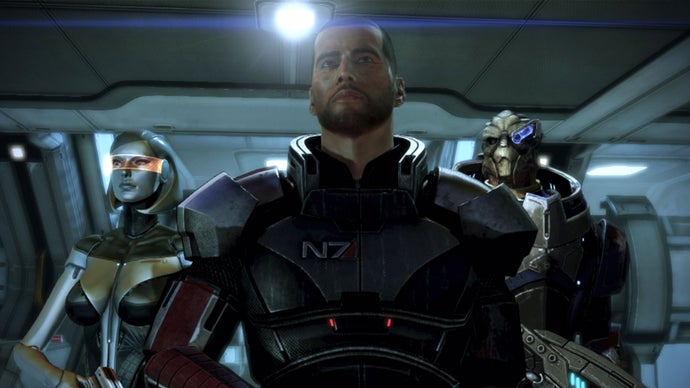
Mass Effect 3 ending discourse ignored the RPG's scale, ambition, and exuberance, including that of its oddly great co-op

Ah, come on, it was fine. Better than fine. We can argue for another fourteen years about whether BioWare should have redone the ending or not, but Mass Effect 3 was really a compendium of endings, a ludicrously ambitious wrapping-up of dozens of plot threads, character arcs, and running gags. Even if you can point to other RPGs that, on an individual basis, are more branching and reactive, Mass Effect 3's largely successful closing of a galaxy's worth of choose-your-own adventure books - filled in and followed across three evolving instalments - showed an audacity and grandiosity that no other three-part series had matched before. Or, at least on that scale, has pulled off since.

Read more

❌