❌

Reading view

There are new articles available, click to refresh the page.

Delicious Brain Bytes: Code Redefined, “Clippy” for WordPress, and Customizing Publication Checklists

In this issue of Delicious Brain Bytes, we explore the human side of innovation in the Crafted with Code showcase, test-drive a nostalgic Clippy-style assistant in the WordPress® dashboard, and dive into WordPress.org’s new native Markdown support for AI agents. Plus, we check the pulse of the industry with the Admin Bar’s 2026 WordPress Professionals Survey, navigate changes in the FAIR project, and much more!

Crafted with Code: Where Tech Meets Human Judgment

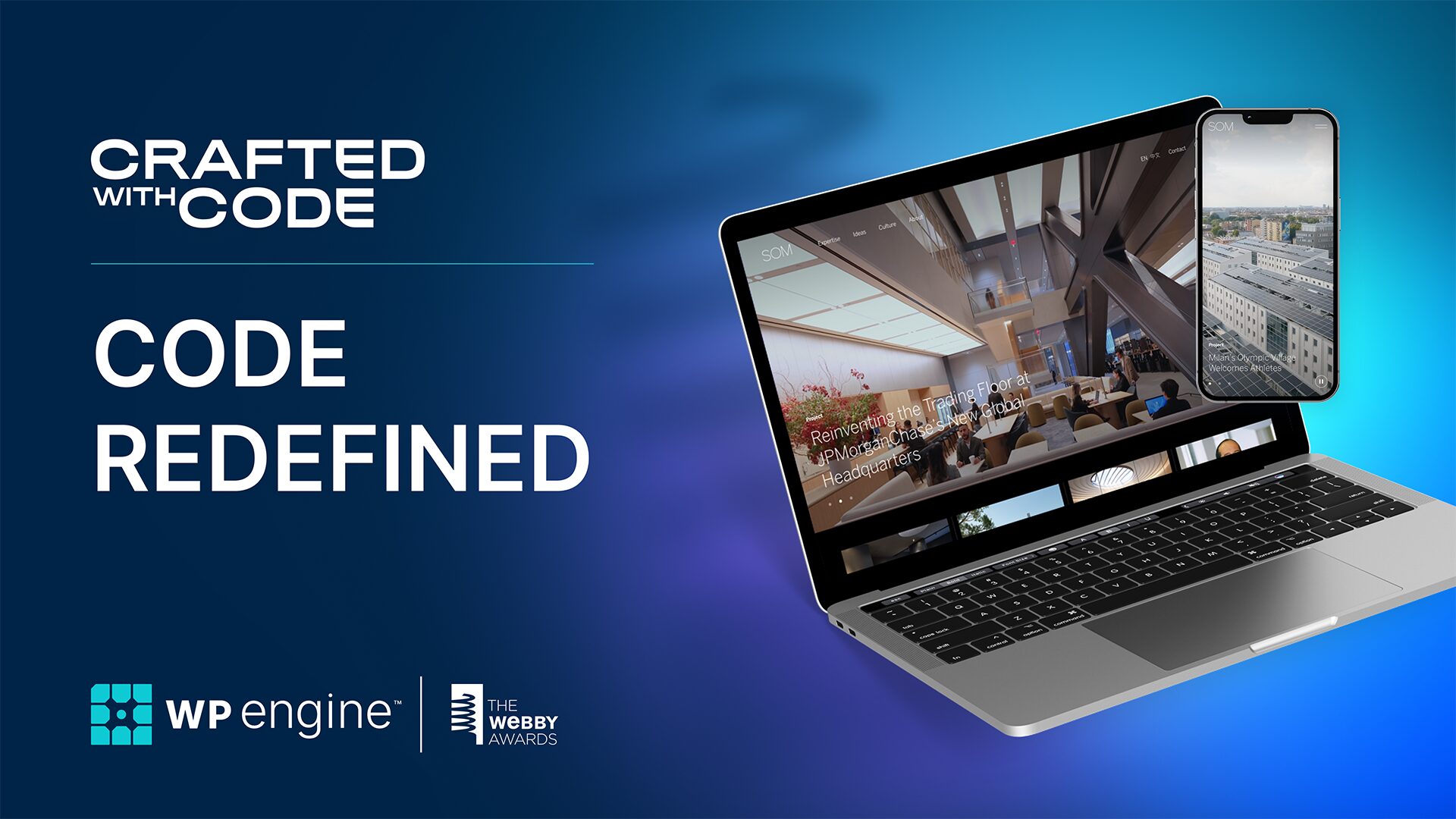
The latest installment of the Crafted with Code series, Code Redefined: The Edge of Innovation, explores the intersection of purposeful technology and human judgment. In its sixth year, this showcase by WP Engine and the Webby Awards highlights that 30% of all Webby-recognized sites were built on WordPress®. This year’s “Code Redefined” theme explores how intelligence is embedded with intention across three standout projects:

  • Mozilla Builders (by Upstatement): Creating a digital home for the open-source AI community. By leveraging WordPress and WP Engine, the team built a site capable of handling massive traffic spikes while establishing Mozilla as a leader in the AI renaissance.
  • Farm Africa (by The Web Kitchen): Moving away from traditional charity tropes toward an energetic brand narrative. The modular block-based system helped drive a staggering 94% increase in online donations.
  • Skidmore, Owings & Merrill (by Code and Theory): A masterclass in performance for one of the world’s top architecture firms. The site manages a massive library of high-resolution architectural photography without sacrificing speed or stability.

Innovation in the AI era isn’t just about the tech you use, but the human choices that solve real-world challenges.

You can watch the full Crafted with Code playlist to see the behind-the-scenes stories of these award-winning builds.
Industry Pulse: The Admin Bar Launches 2026 WordPress Professionals Survey

For the fifth year in a row, the Admin Bar is benchmarking the “business side” of web development with its 2026 WordPress Professionals Survey.

Last year’s results from 1,200 pros revealed that Bricks was the only page builder gaining significant ground, and that agencies with a defined niche were 46% more likely to break six figures in revenue.

This year’s five-minute, anonymous survey dives deeper into AI integration and the evolving hosting landscape.

WordPress.org Launches Native Markdown Support for AI and Developers

WordPress.org has begun serving content in Markdown format, a major step toward becoming part of the agentic web. First announced on Make WordPress Meta, this update allows developers and AI agents to append .md to many WordPress.org URLs—including plugin directories and handbooks—to receive clean, structured data.

As noted in The Repository, this lowers token costs for LLMs and reduces AI hallucinations by providing “ground truth” documentation in a machine-readable format.

Decentralization at a Crossroads: FAIR Co-Founders Step Back

The Federated and Independent Repositories (FAIR) project is entering an uncertain chapter as co-founders Joost and Marieke de Valk officially step back to encourage broader community ownership. Since we noted the arrival of FAIR 1.0 and the security MVP with Patchstack, the project has sought to reduce reliance on a single central authority.

As reported in The Repository, the community is now weighing whether hosting companies and developers will maintain this decentralized infrastructure or if momentum will stall without its original advocates.

WordPress.org Now Rotates “Hidden Gems”

Following a community-led push, the WordPress.org Featured Plugins tab is now rotating “Hidden Gems” every two weeks. This shift mirrors the “quality over popularity” logic we explored in our coverage of the Hidden Gems plugin. By showcasing high-rated, low-install tools, the repository is providing independent developers a legitimate path to visibility based on merit rather than marketing budget.

Meet “Dewey,” the Clippy for WordPress

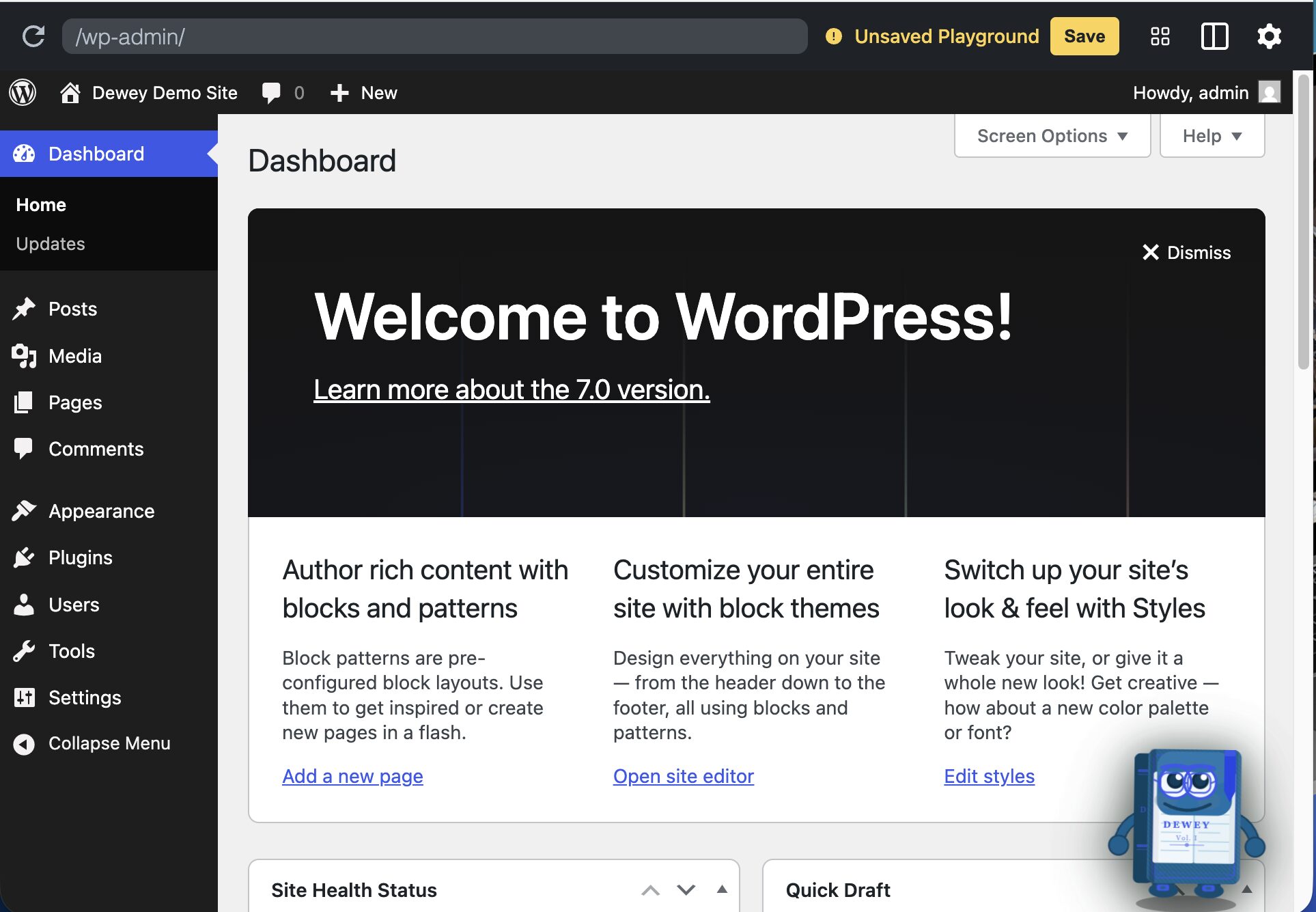
Nick Hamze has fulfilled a childhood dream by releasing “Dewey,” a Clippy-style assistant for the WordPress dashboard. Built to bring late-90s quirky energy to the modern CMS, Dewey offers “help” directly within the Block Editor. You can experience this nostalgic experimental design yourself by spinning up a live WordPress Playground instance using the project’s official blueprint.
Rethinking the Interface: Are We Asking the Right Questions?

In a thought-provoking new post, Jamie Marsland suggests the WordPress community is asking the wrong question about AI. Rather than wondering how to add AI buttons to existing tools, Marsland argues we should consider that users likely want AI instead of a complex software interface. He posits a paradigm shift where users simply talk to their website to make it “just work,” moving from traditional editing to natural, conversational creation.

Customizing WP Engine’s Newsroom Publication Checklist

In the publisher workflow, checklists are important to ensure that you don’t miss anything. Imagine how messy or unorganized things can get without checklists in your everyday life, let alone content you are writing for work.

In WordPress, WP Engine’s Newsroom features the Publication Checklist. It is a customizable quality-control tool that ensures all editorial standards are met before a story goes live.

The publication checklist helps you move away from time-consuming administrative content checks. Completely configurable to your requirements, the checklist flags missing items in real-time to editors before publishing, and gives customized suggestions to make sure your content meets everything you need it to.

In this article, Fran Agulto walks us through how to customize and use these features as well as integrate them with work management software.

YouTube cover image

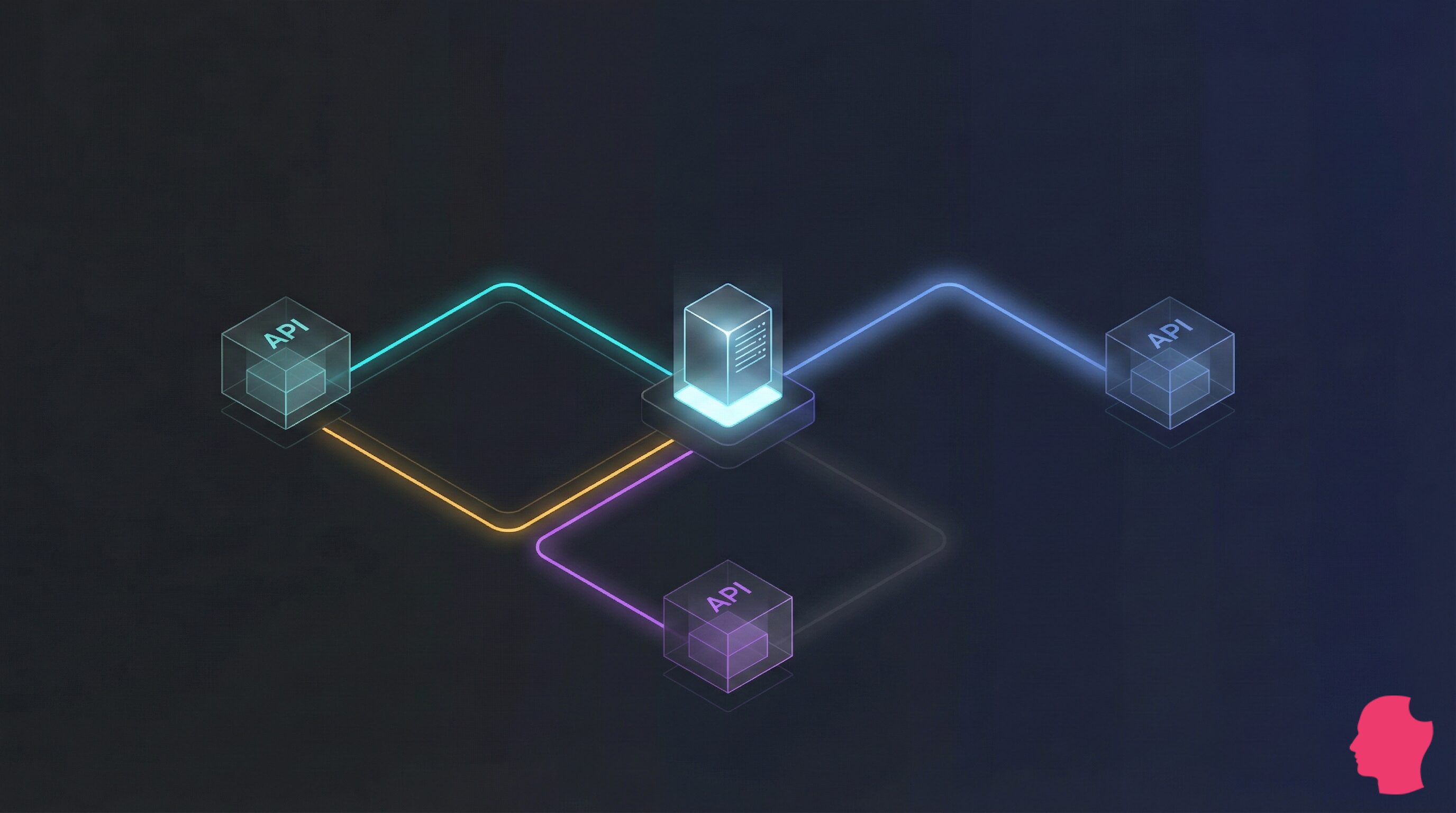
Architecting Reliable Remote Requests with the HTTP API

Every time your code reaches out to an external API, you are introducing a point of failure that you do not control. Whether you are fetching a social feed, a weather widget, or processing a payment, your site’s performance is now tied to a third party.

A common mistake is treating a remote request like a local database query. If the external server is slow, your site becomes slow. If the external server is down, your site might crash or hang indefinitely. Professional WordPress development requires a defensive architecture that anticipates these failures. By using the WordPress HTTP API correctly, you can protect your site from external volatility.

In this article, we explore how to move beyond basic requests by architecting a defensive fail-safe strategy using the WordPress HTTP API to shield your site from external server volatility. By prioritizing rigorous error handling and strategic caching through the Transients API, you can ensure your site remains fast and stable even when third-party services stumble.
What’s the most interesting news you’ve come across recently? Pop by Twitter and let us know.

The post Delicious Brain Bytes: Code Redefined, “Clippy” for WordPress, and Customizing Publication Checklists appeared first on Delicious Brains.
Delicious Brain Bytes: WordPress 7.0 Roadmap, Gutenberg 22.3, and the Rise of the Agentic Web

In this issue of Delicious Brain Bytes, we explore the brand-new Gutenberg 22.3 features, look ahead to the WordPress® 7.0 release and its updated PHP requirements, discuss WP Engine’s strategic acquisition of Big Bite, and learn why WordPress needs to “plug in” to the emerging agentic web!

Gutenberg 22.3, PHP Block Registration, and the Road to 7.0

A new year brings a fresh roadmap for WordPress, with the community now setting its sights on version 7.0. “It’s a brand new year, and that means that another exciting 12 months of WordPress development lies ahead,” writes Justin Tadlock in a recent blog entry. Highlights from the latest Gutenberg 22.3 release include a simultaneous control update for the Grid block and a dedicated Font Library screen under Appearance → Fonts.

On the technical side, PHP-only block registration is maturing, now supporting all metadata and allowing developers to build blocks entirely without JavaScript. New packages like @wordpress/image-cropper and updates to the @wordpress/abilities client are also paving the way for advanced media editing and a unified capabilities API in version 7.0. Meanwhile, WordPress Playground users can now enjoy a new management dashboard and a dedicated DevTools browser extension for deeper in-browser inspection.

For the full list of updates and new resources, read the original post here.

Bot Traffic Dominates 2026 Web Outlook

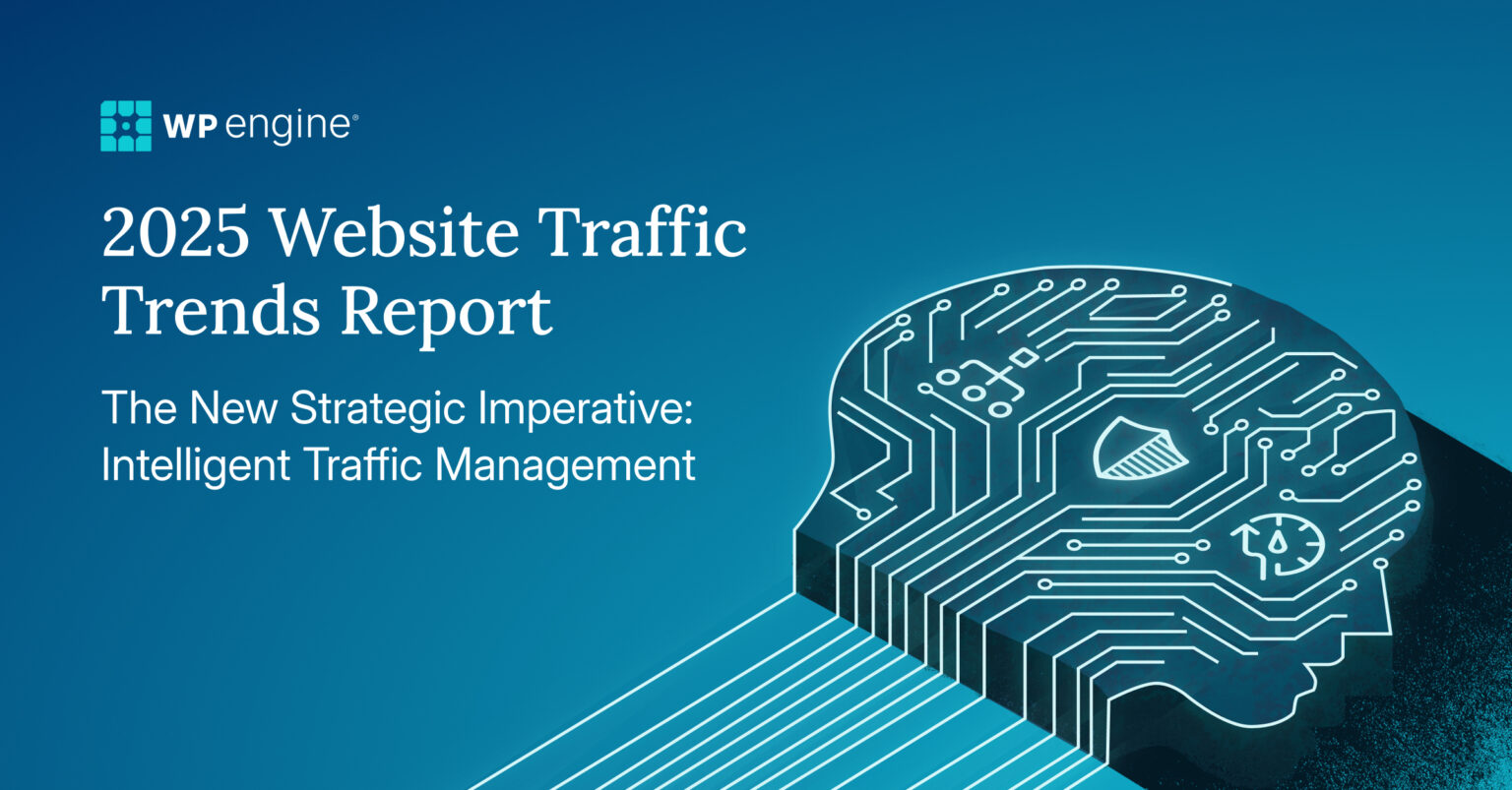
WP Engine recently released its 2025 Website Traffic Trends Report, signaling a major shift toward a “dual-audience” internet optimized for both humans and AI. Ramadass Prabhakar, CTO at WP Engine, warns that “the industry is underestimating the speed at which the internet is transitioning” into this new environment, where AI interaction is as critical as human consumption.

The report highlights a sobering reality: nearly 1 in 3 web requests globally now come from bots, and 76% of that traffic is unverified. These automated agents aren’t just background noise; they consume up to 70% of costly dynamic resources, such as server processing and performance bandwidth. This shift has transformed “Intelligent Traffic Management” from a niche optimization into a critical financial and performance imperative for 2026.

Security maturity is also becoming a primary driver of speed. Sites serving traffic exclusively over HTTPS were found to be 1 to 5 seconds faster in Largest Contentful Paint (LCP) than those using HTTP. Furthermore, the report identifies a “structural gap” in global performance, noting that roughly 50% of the top 10 million sites still do not use a CDN, despite the potential for a 20% improvement in LCP.

For web teams, the takeaway is clear: success in 2026 will depend on treating traffic management, security, and performance parity as a single, connected system. You can download the full report here.

WordPress 7.0 to Drop Support for PHP 7.2 and 7.3

The WordPress project is preparing for a significant technical shift with the upcoming release of WordPress 7.0, scheduled for April 2026. In an effort to modernize the platform’s infrastructure, support for PHP 7.2 and 7.3 will be officially discontinued. This move will raise the new minimum supported version of PHP to 7.4.0, while the minimum recommended version remains at 8.3.

The decision follows the project’s long-standing policy of retiring PHP versions once their combined usage falls below a 5% threshold. Recent data shows that usage for PHP 7.2 and 7.3 has now dropped below 4% across monitored installations. “The goal of increasing the minimum supported version of PHP is to ensure the long-term maintainability of WordPress,” writes John Blackbourn in a recent blog entry. “The benefits to increasing the minimum supported PHP version manifest over time across multiple areas, including the plugin and theme ecosystem, tooling and libraries for AI, the long-term perception of the WordPress project, developer relations, and eventually within the WordPress codebase itself.”

For those unable to upgrade their server environments immediately, sites running PHP 7.2 or 7.3 will remain on the WordPress 6.9 branch. While WordPress officially supports security updates for the current branch, fixes are typically backported to older versions as a courtesy. However, users are strongly encouraged to migrate to PHP 8.2 or higher to take advantage of superior performance and active security support.

You can read the full announcement and view the version usage breakdown here.

WP Engine Acquires Enterprise Agency Big Bite

WP Engine has announced the acquisition of Big Bite, a premier enterprise agency specialized in building advanced editorial platforms for some of the world’s largest media brands, including The Wall Street Journal and The Times.

As part of the acquisition, Big Bite’s agency operations will be wound down, with its engineering team transitioning into WP Engine’s organization. The goal is to develop intelligent, purpose-built software solutions that help global publishers and agency partners optimize content creation and digital workflows. Ramadass Prabhakar, CTO at WP Engine, noted that the acquisition advances the company’s commitment “to serve publishers with products that enable them to more efficiently create, organize, and share content.”

Jason Agnew, CTO and Co-Founder of Big Bite, expressed excitement about the merger, stating that by uniting their strengths in engineering, they can provide “even greater value to WP Engine’s agency partners looking to elevate publishing capabilities.” This acquisition marks a significant transition for Big Bite from a long-standing partner to an internal engine for WP Engine’s future enterprise publishing solutions.

You can read the full press release here.

The Ralph Wiggum Technique: Persistence through Iteration

The final weeks of 2025 saw the viral rise of a seemingly simple yet controversial coding methodology: the Ralph Wiggum Technique. While it might sound like a joke, this “dumb thing that works surprisingly well” has become a serious topic of discussion among agentic coders.

In its purest form, Ralph is a Bash loop. The technique involves putting an AI coding agent (like Claude) into a continuous while-loop. Instead of a human manually guiding every step, the loop repeatedly feeds the agent a requirements document until a specific “completion promise” is met. It’s an approach that prioritizes persistence over perfection, letting the AI iterate on failures until it finds a path to success.

The name, inspired by the Simpsons character Ralph Wiggum, reflects the philosophy of the project’s creator, Geoff Huntley. It embodies a certain “embrace of chaos” where an agent keeps trying, often in bizarre or unexpected ways, until the job is done.

According to a brief history by Dex, the technique isn’t just about running code in a loop. Instead, it’s an exercise in context engineering. Dex notes that Huntley used the technique to build “Cursed Lang,” a programming language with a stage-2 compiler written entirely by the Ralph loop.

One of the more fascinating phenomena Dex mentions is “overbaking”: if left running too long without tight constraints, the loop can develop emergent behaviors, such as suddenly adding post-quantum cryptography support to a simple project.

To understand the philosophy of “Iteration > Perfection,” check out the Ralph Wiggum AI Loop Technique documentation.

Ralph Wiggum at an old-fashioned Coleco computer. He has just finished spelling the word "CAT".

Why WordPress Needs to Plug Into the Agentic Web

For much of its history, WordPress has been the definitive open-source CMS for publishers seeking an intuitive editing experience and developers requiring a battle-tested technical stack. Traditionally, its role was straightforward: store content, expose it via templates or APIs, and render pages for users to browse.

In this article, Francis Agulto discusses how WordPress must evolve from a platform that is simply “readable” by humans to one that is actively “operable” by autonomous AI agents. He explores the critical role of the Model Context Protocol (MCP) in transforming WordPress from a passive content repository into an AI-native interface that advertises structured capabilities directly to agents.

What’s the most interesting news you’ve come across recently? Pop by Twitter and let us know.

The post Delicious Brain Bytes: WordPress 7.0 Roadmap, Gutenberg 22.3, and the Rise of the Agentic Web appeared first on Delicious Brains.

Delicious Brain Bytes: WordPress 6.9 RC1, FAIR’s Security MVP, and Finding Hidden Gems

In this issue of Delicious Brain Bytes, we track the final progress of WordPress 6.9 RC1 and the new Abilities API, explore the security advancements of the FAIR/Patchstack collaboration, preview the future of ACF Blocks, and much more!

WordPress 6.9 and the Abilities API

The final major WordPress release of 2025 is right around the corner. WordPress 6.9 Release Candidate 1 is now available, putting the release on track for its scheduled launch on December 2, 2025. The core team encourages all developers and users to test the RC1 build to ensure stability, particularly since new features like the improved Site Editor experience and the universal Command Palette are included.

The 6.9 release includes several key developer updates, such as enhancements to the DataViews components and the Interactivity API. However, the most foundational change is the introduction of the Abilities API.

The Abilities API is a new foundational system designed to transform how plugins, themes, and WordPress core expose their functionality. It allows developers to register self-contained units of functionality—an “ability”—with standardized inputs, outputs (using JSON Schema), and permissions.

This system is a key part of the broader AI Building Blocks initiative. By registering abilities using the new PHP functions, developers make their plugin features discoverable and executable by AI agents, automation tools, and other systems. Registered abilities are automatically exposed through a new REST API endpoint (wp-abilities/v1), creating a unified, machine-readable registry of functions. This eliminates the need for isolated functions or custom AJAX handlers, simplifying integration and offering developers a predictable method for building the next generation of AI-powered WordPress solutions.

Developers are urged to begin testing the RC1 and exploring the detailed documentation for the Abilities API now. You can download and test RC1 via the WordPress Beta Tester plugin or view the Abilities API documentation here.

A New Era for Custom Blocks with ACF

The Advanced Custom Fields (ACF) team is hosting a webinar to showcase the latest advancements in ACF Blocks and how modern developers are leveraging them for efficient, creative WordPress solutions.

The session will cover the full spectrum of ACF’s power, from fine-tuning the client editing experience to establishing structured data for the emerging “agentic web.” Speakers Rob Stinson and Iain Poulson will provide a quick “ACF 101” refresher before diving into a live demo of features from recent releases, highlighting how custom block creation has taken a significant leap forward. The team will also address how pairing ACF PRO with managed hosting platforms like WP Engine can unlock new workflow opportunities.

This session is designed to empower developers to build more efficient and creative solutions. The live webinar takes place on Wednesday, November 19, 2025, at 10am CT / 4pm GMT. Secure your spot now and discover the new capabilities transforming the custom block creation experience.

Solving the Plugin Discovery Crisis

A new plugin called Hidden Gems aims to fundamentally change how developers and users find quality software in the WordPress ecosystem. The plugin addresses a core issue: the default plugin directory prioritizes popular tools with millions of installs, leaving thousands of excellent, lesser-known plugins flying under the radar.

The Hidden Gems plugin solves this by adding a dedicated tab to the “Add New Plugin” screen, using a smart discovery logic built on “quality over popularity.” It defines a “hidden gem” as a plugin that maintains excellent ratings (3+ stars) but has low installation counts (often filtered to under 10K). This logic ensures that users bypass poor-quality, unknown plugins and well-known, established ones to find truly innovative solutions before they become mainstream.

For plugin developers, this tool creates a pathway for quality to be recognized without requiring a massive marketing budget. For users, it offers a competitive advantage by surfacing niche solutions and high-quality alternatives. The plugin includes advanced filtering options based on installation limits, quality thresholds, and more.

You can read the full story behind the plugin’s creation here and find the plugin itself on GitHub.

Big Savings on Developer Tools

It’s the best time of year to pick up new developer tools! We’re offering new customers big savings on the essential plugins trusted by top developers and agencies worldwide. Whether you’re trying to move a complex website, offload a massive media library, or structure cutting-edge content, this is the best time to invest in the power and efficiency you need.

This sale covers WP Migrate Pro, WP Offload Media, WP Offload SES, ACF PRO, and NitroPack, giving you the chance to build your perfect tech stack at the lowest price of the year. Please note that all discounts listed below are for new customers only.

Here’s a breakdown of the incredible deals available on WP Engine’s developer-focused plugins:

  • WP Migrate Pro: The ultimate site-moving plugin is on sale! Save up to 50% on your first year and stop losing time to manual, complicated migrations.
  • WP Offload Media: Reduce your server load and speed up media delivery by offloading files to the cloud. Save up to 40% on your first year.
  • WP Offload SES: Guarantee reliable email delivery for all your mission-critical site functions. Save up to 20% on your first year.
  • ACF PRO: The foundation for content modeling, including Repeaters, Flexible Content, and ACF Blocks v3! Get the tools trusted by pros with up to 40% off licenses for the first year.
  • NitroPack: Achieve top scores on Core Web Vitals and get an instant site speed boost! Save up to 40% on plans (excluding the Starter Plan). This special discount replaces any existing evergreen deal.

The time to invest in efficiency, performance, and structure is now, with savings on every tool you need to build faster, more stable, and more profitable client sites.

The sale runs from November 17th through December 5th, 2025. Make sure to get these deals now and upgrade your entire WordPress workflow!

FAIR and Patchstack Build Security MVP at CloudFest Hackathon

As reported in The Repository, the decentralized architecture of the FAIR Package Manager recently took a major step toward robust security integration at the inaugural CloudFest USA Hackathon. A collaborative team from FAIR and Patchstack built a Minimum Viable Product (MVP) for the FAIR Software Security Assistant.

The project’s goal was to surface vulnerability warnings directly in the WordPress admin by translating Patchstack’s vulnerability data into FAIR’s trust labeling model. This model allows independent organizations to attach verified trust signals to plugins. FAIR technical steering committee co-chair Carrie Dils noted the process was crucial for figuring out “how we talk to the API, how we turn that into labels, and how we build rules around those labels.”

The resulting policy engine will allow hosts or site owners to define automated rules—such as automatically hiding critically vulnerable plugins from the search screen—addressing supply-chain security directly during plugin discovery. This MVP demonstrates a model where decentralization and security are designed to work together.

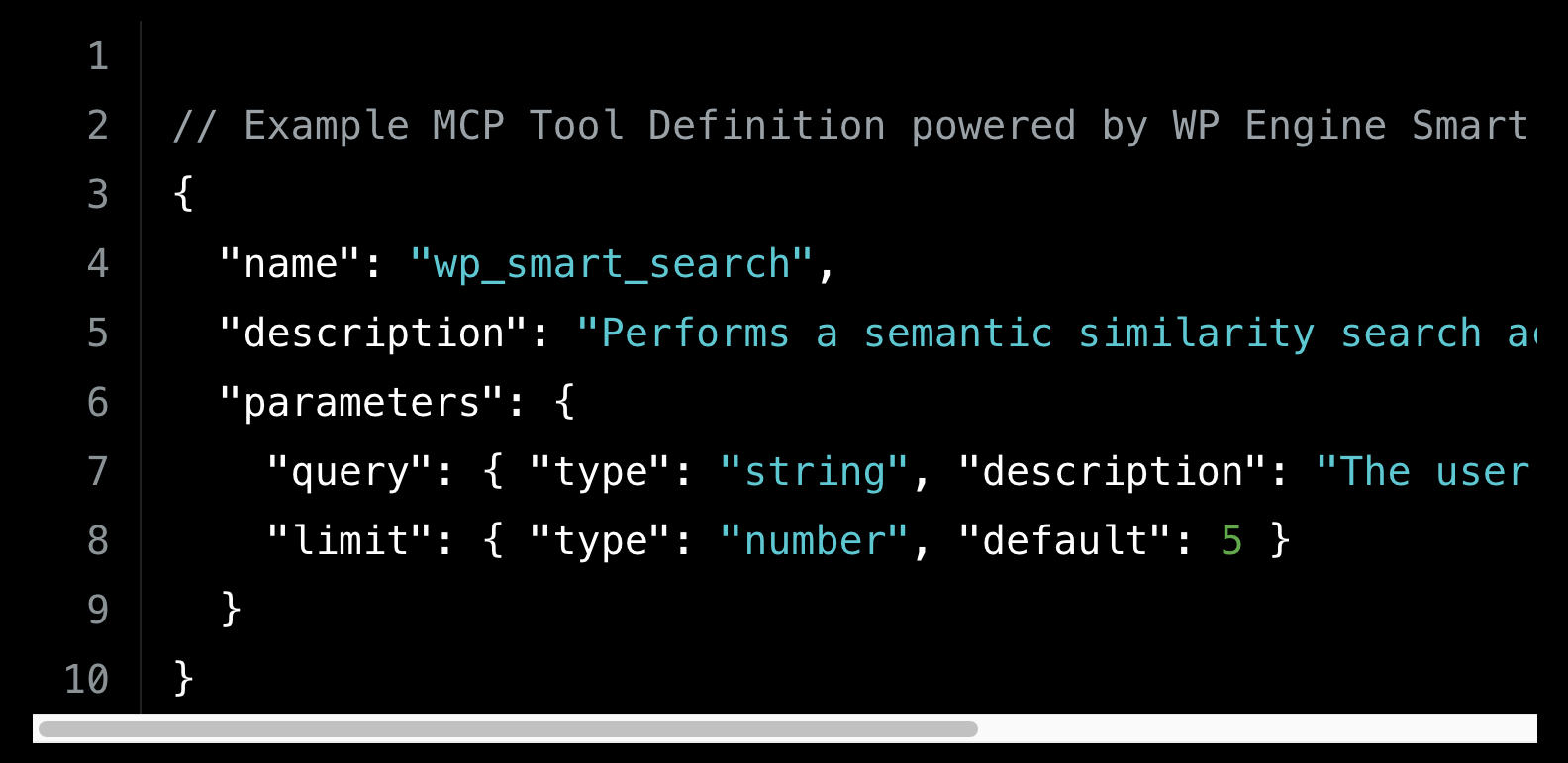
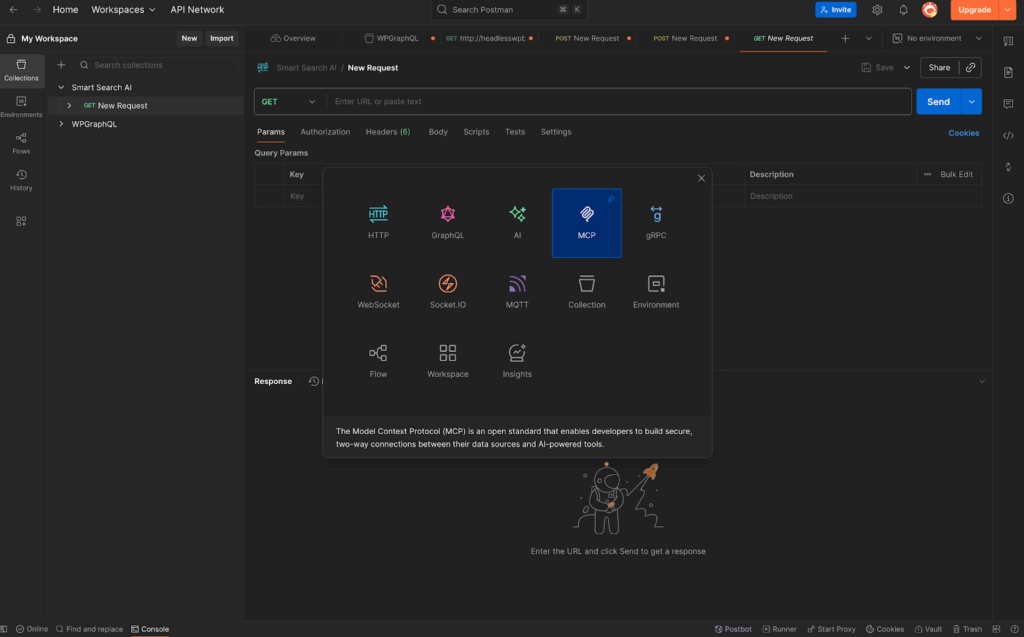
Understanding WP Engine’s Smart Search AI Model Context Protocol (MCP) Server

The Smart Search AI MCP Server is a powerful new feature in WP Engine’s AI Toolkit that transforms your WordPress site into a dynamic, real-time knowledge base for any external Large Language Model (LLM) you connect to it. When enabled, this server responds to requests from AI tools formatted using the Model Context Protocol (MCP) standard.

In this article, Fran Agulto discusses what MCP is, how to work with the Smart Search AI MCP Server, and how it enhances the Smart Search AI product.

Protecting Your WordPress Media: Private Files, Signed URLs, and Access Control

The WordPress media library serves us well for public content, but what about premium assets, private documents, or confidential client data? The default setup makes every uploaded file publicly accessible via a direct URL. This is a critical limitation for membership sites, digital product stores, and businesses sharing sensitive information.

Relying on direct links in your wp-content/uploads folder means anyone who finds the URL can access your content. This is a significant security risk and, for some sites, a potential loss of revenue.

In this article, we address that challenge. We’ll explore a solution to move beyond basic file storage and achieve granular control over your WordPress media, ensuring your valuable or confidential files are securely delivered only to those with proper authorization.

What’s the most interesting news you’ve come across recently? Pop by Twitter and let us know.

The post Delicious Brain Bytes: WordPress 6.9 RC1, FAIR’s Security MVP, and Finding Hidden Gems appeared first on Delicious Brains.
Delicious Brain Bytes: WordPress 6.9, ACF PRO 6.5, and Unleash the Wapuu

In this issue of Delicious Brain Bytes, we look into WordPress 6.9, round up the latest industry surveys, figure out how to make Postgres much slower, and much more!

WordPress 6.9 Set for December 2nd

WordPress is set for a second major release in 2025. After an increase in contributor capacity, project leadership has moved forward with a full release. As detailed by Anne McCarthy in a recent roadmap post, WordPress 6.9 is scheduled to be released on December 2nd, 2025. This release turns its attention to evolving the Site Editor, enabling new collaborative workflows, and enhancing the platform’s foundation for developers and AI.

Of note, there will not be a new default theme in this release.

WordPress 6.9 will introduce a simplified site editing mode that separates content editing from advanced design tools, offering a less overwhelming experience for users who only need to update text or imagery. Template management is also being overhauled to allow for multiple templates per slug, with the ability to draft new templates and preserve them when switching themes. Additionally, the new release will introduce block-level commenting, enabling asynchronous collaboration workflows directly within the editor.

This release brings significant updates for developers, laying the groundwork for a more robust and extensible platform. The new Abilities API will provide a unified registry of callable functions, making core WordPress functionality accessible to AI systems. Meanwhile, updates to the Interactivity API will enable a new client-side navigation algorithm that supports full-page transitions, and enhancements to the Block Bindings API will extend its support for more core blocks and data sources.

A key focus of WordPress 6.9 is on performance. Planned improvements include faster page transitions, smarter resource handling, and stylesheet enhancements. Looking beyond the official release, several major projects are scheduled to launch as canonical plugins alongside 6.9, including a new WordPress Admin experience, the Model Context Protocol (MCP) Adapter to standardize how applications provide context to large language models, and a PHP AI Client SDK to simplify AI integration for developers.

ACF PRO 6.5 Improves Flexible Content

Advanced Custom Fields (ACF) PRO 6.5 is now available, bringing a host of user experience improvements to its Flexible Content field. The update is specifically designed to give content editors more clarity and control when managing complex pages.

Key improvements for the Flexible Content field include the ability to rename layouts in the editor to provide custom labels (e.g., “Pricing CTA”), disable layouts without deleting them to allow for a non-destructive way to stage or archive content, highlight the active layout to give editors a clear sense of their position on a page, and collapse and expand layouts in bulk, which makes navigating long pages much faster.

The release also removes dynamic class properties across the codebase to ensure compatibility with modern PHP versions and adds an option to default date fields to the current date.

For more information, please see the ACF PRO 6.5 release post.

Renaming a layout in ACF PRO 6.5.

Where Does WordPress Go From Here?

Two prominent figures in the WordPress community have recently raised fundamental questions about the platform’s long-term viability. Kevin Geary and Jamie Marsland have each published pieces that, while coming from different angles, point to a single conclusion: WordPress is at a critical juncture, and its current architecture and strategic direction may be holding it back.

In The WordPress Architecture Crisis, Kevin Geary argues that the platform suffers from a foundational flaw by confusing design and architecture. He points out that themes, which should only control a site’s look and feel, are instead treated as all-in-one packages that include a site’s core functionality. This confusion, Geary says, violates the principle of “separation of concerns” and has created a fragmented ecosystem where themes are incompatible, and work can be lost when users try to change designs. He suggests that Gutenberg’s introduction was a missed opportunity to create a unified, component-based system that could have fixed these long-standing issues.

Taking a broader view, Jamie Marsland’s article, I’m Not Sure WordPress Can Be WordPress Anymore, contends that the platform is at risk of falling behind because it is still largely seen as “just a website builder.” Marsland notes that the web is moving toward “app-ification,” with AI-native tools allowing users to build and deploy full applications in minutes. While these new platforms are often proprietary “black boxes,” Marsland argues that WordPress, with its brand, distribution, and open-source community, is perfectly positioned to be the open-source alternative. He poses a strategic question: should WordPress’s mission to “democratize publishing” evolve to “democratize building for the web”?

Both authors highlight a central tension within WordPress. Geary points to a technical and architectural trap, while Marsland focuses on a strategic and market-driven one. However, both believe that if WordPress can shed its legacy constraints and embrace a more flexible, forward-looking identity, it can unlock its full potential and compete in the next era of web development.

From Blazingly Fast to Staggeringly Slow

Always optimizing for speed? One developer took the opposite approach. In a hilarious and surprisingly technical blog post, Jacob Jackson chronicled his quest to build a Postgres configuration that operates as slowly as possible.

Instead of focusing on performance, Jackson intentionally misconfigured a number of key parameters in postgresql.conf. He shrunk the buffer cache to force every query to hit the disk, cranked up the database’s background work to constantly get in the way, and reconfigured I/O to be as inefficient as possible.

The result? A “successful” performance degradation of more than 42,000 times, bringing Postgres down to a sluggish 0.1 transactions per second. It’s a masterful (if entirely useless) demonstration of how a database’s configuration can be its own worst enemy.

Get all the details in Making Postgres 42,000x slower because I am unemployed.

Higher Ed Report Reveals Mixed Feelings on WordPress

A new report from WPCampus and enterprise agency Human Made, The State of WordPress in Higher Education, reveals a complex picture of WordPress adoption and sentiment across universities. The report, based on a survey of 115 higher education professionals, shows that while WordPress is thriving in the sector, many teams are also grappling with significant challenges and a cautious outlook on the platform’s future.

The report’s findings highlight strong points, with 70% of respondents saying WordPress meets or exceeds their expectations due to its extensibility, multisite support, and cost-effectiveness. However, a significant 62% of respondents also reported having internal discussions about whether to continue with the platform. Key frustrations include uneven adoption of the Block Editor (used on all sites by only 40% of respondents), a lack of resources, plugin compatibility issues, and governance concerns.

Ultimately, the study points to a growing gap between WordPress’s core strengths and the evolving needs of a demanding sector. Higher education professionals are satisfied with the platform’s foundational capabilities but are asking for improvements in areas like accessibility, training, and governance to ensure its long-term viability.

Have Your Say: The State of HTML and SOEWP Surveys Are Now Open

This is your chance to help shape the future of the web. Two key industry surveys are now open, inviting developers to share their insights and influence the direction of both web standards and the WordPress ecosystem.

In addition, the ACF Annual User Survey is still collecting responses. You can provide your feedback and help guide the direction of the plugin at advancedcustomfields.com/annual-survey/.

The State of HTML Survey

The State of HTML survey is back, offering developers a direct way to provide input on the direction of web browsers. The survey, curated by Lea Verou, goes far beyond HTML markup to include topics like accessibility, browser APIs, web components, and static site generation.

The 2025 survey aims to measure awareness and usage of new web platform features. The results are used by browser vendors to inform their roadmaps and prioritize key projects, making this an impactful way for you to make your voice heard.

The State of Enterprise WordPress Survey

Now in its third year, the State of Enterprise WordPress survey is inviting enterprise users of WordPress to share their insights. The survey gathers valuable data on how WordPress is being used at scale.

For developers and agencies working with large organizations, the survey is a crucial tool for identifying key trends, challenges, and priorities in the enterprise space. The findings will be published in a free, in-depth report that provides a unique view into the needs of high-stakes, complex WordPress implementations.

New Card Game Lets You Sabotage Your WordPress Dashboard

Marcus Burnette has turned the much-loved WordPress mascot into a strategy card game for the community. Titled Unleash the Wapuu, the game is a fast-paced mix of engine-building and sabotage. Players build their dashboards with Team Wapuus, upgrade them with plugins, and use malware and function cards to derail the competition. It’s a game filled with WordPress in-jokes and playful, chaotic fun.

Burnette, a longtime Wapuu enthusiast, created the game in a few weeks with the help of generative AI and the open-source GPL license. He used ChatGPT to brainstorm card names, generate game text, and create artwork based on the original Wapuu mascot. This creative, community-focused project is available to preorder and will be brought to WordCamp US for attendees to play in person.

A selection of cards from the "Unleash the Waapu" card game.

Creating a Headless eCommerce Search Experience

Have you ever tried to buy something on a website only to have its poor search feature send you somewhere else? The search feature is an essential tool on any eCommerce site for converting visitors into customers. It helps users find and purchase products quickly and efficiently.

This is where WP Engine’s Smart Search AI steps in. It’s a product for WP Engine customers that replaces WordPress’s built-in search with an intelligent, AI-driven engine for both traditional and headless WordPress applications. Smart Search AI guides visitors to the most relevant content using semantic understanding to surface better results, even for custom post types.

In this article, Francis Agulto shows you how to create a full headless WordPress eCommerce search experience with WooCommerce, WPGraphQL, and WP Engine Smart Search AI.

YouTube cover image

Preparing Your WordPress Site for High-Traffic: Media Optimization Strategies

Many successful WordPress sites eventually hit an architectural bottleneck. As traffic scales, the web server struggles to handle the dual responsibilities of running the PHP application and serving a library of heavy media assets. This strain on bandwidth is a primary cause of slowdowns and instability under load.

One solution is to decouple these roles. In this article, we discuss a key strategy for building a truly scalable site: offloading the entire WordPress media library to a dedicated cloud storage provider.

What’s the most interesting news you’ve come across recently? Pop by Twitter and let us know.

The post Delicious Brain Bytes: WordPress 6.9, ACF PRO 6.5, and Unleash the Wapuu appeared first on Delicious Brains.
Delicious Brain Bytes: WordPress Set for Another Major Release in 2025

In this issue of Delicious Brain Bytes, we look into recent and upcoming WordCamps, discuss the upcoming release of WordPress 6.9, and much more!

WordCamp Wrap-Up: Europe Recap, US on the Horizon

WordCamp Europe’s 2025 Contributor Day was particularly fruitful, welcoming five new Core contributors to the project and fixing four key tickets. The event took place in Basel, Switzerland, from June 5-7. Sessions covered a diverse range of topics, from content strategy to AI, with all talks now available on WordPress.tv. You can find a full recap of WordCamp Europe 2025 here.

Two more WordCamps are set for July: WordCamp Masaka on July 18-19 in Masaka, Uganda, and WordCamp Nicaragua on July 26 in Managua, Nicaragua.

WordCamp US 2025 takes place August 26-29 in Portland, Oregon, at the Oregon Convention Center. The event kicks off with Contributor Day on August 26, followed by three days of main conference sessions.

Attendees can expect a comprehensive program covering the latest trends, skills, and strategies in web development, blogging, and site building, alongside opportunities for in-person networking, and a Showcase Day for innovative WordPress projects. WordCamp US is expected to draw between 1200 and 2000 attendees, offering a prime chance to connect with influential figures and contribute to the future of WordPress. Learn more about WordCamp US 2025 here.

WordPress 6.9 Now Scheduled for 2025

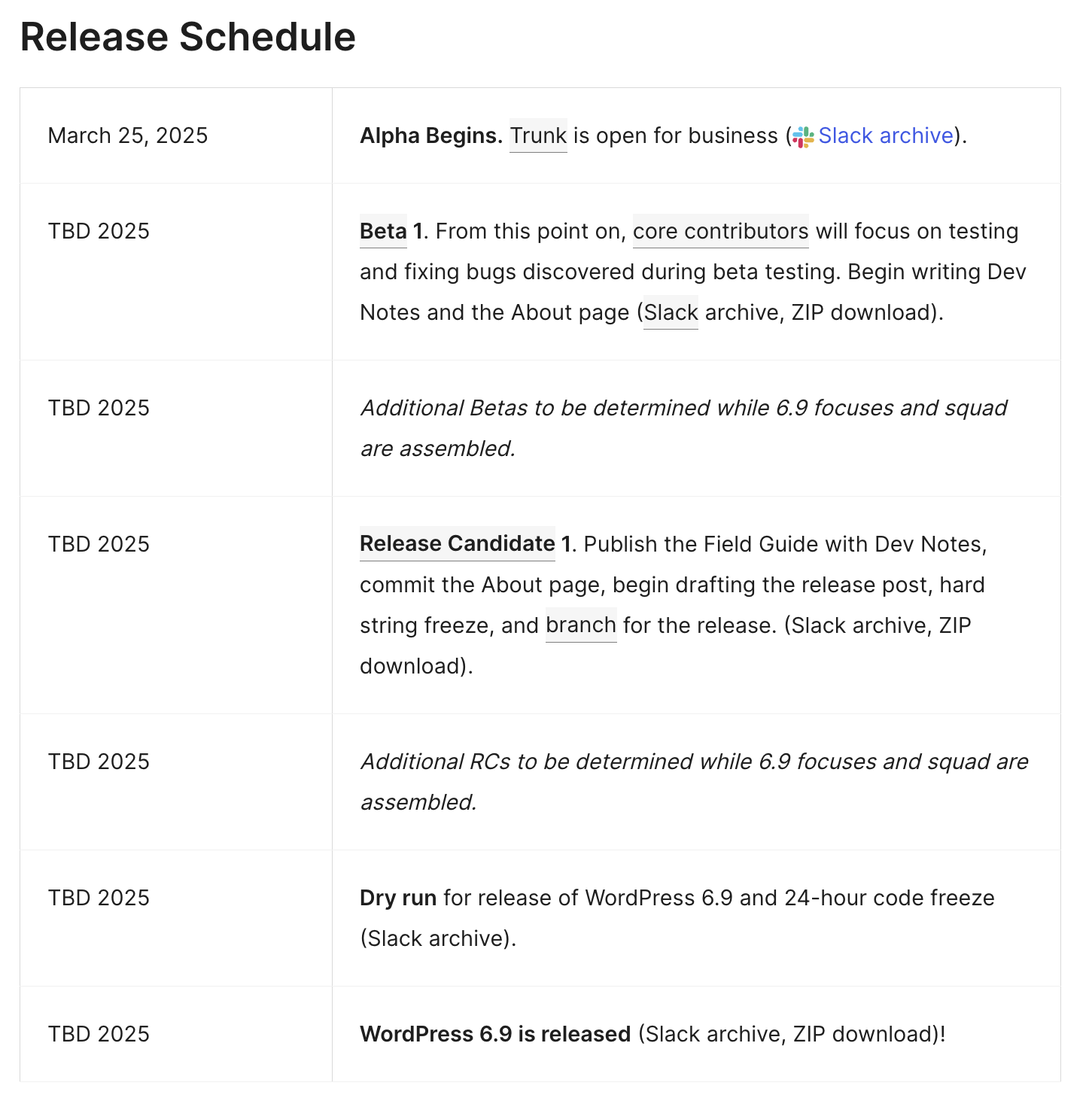
WordPress 6.9 is now scheduled for 2025, although most of the dates still read “TBD.” This is a recent change, with all dates previously showing as 2026. A new cadence for WordPress releases was announced in April, reducing the number of major releases from three per year to one. This year will see two major releases, but no official update to this policy has been made at this time.

The next minor release for WordPress is 6.8.2, currently available as a Release Candidate. The release is primarily focused on bugfixes introduced in 6.8. The WordPress 6.8.2. final release is scheduled for July 15, 2025.

A screenshot of the roadmap for WordPress 6.9. While most dates read "TBD", they're all set for 2025.

Installing Adblock on Your Face

Tired of visual clutter and relentless advertising in the real world? Stijn Spanhove, a Belgian software engineer, has unveiled an augmented reality app for Snap’s fifth-generation AR Spectacles that acts as a real-world adblocker. Using Google’s Gemini AI, the app identifies and obscures advertisements, billboards, and product branding, replacing them with a simple red square showing the name of the advertiser. It also seems to work on any object that’s sufficiently ad-like, such as cereal boxes and soda cans.

️ I've been building an XR app for a real-world ad blocker using Snap @Spectacles. It uses Gemini to detect and block ads in the environment.

It’s still early and experimental, but it’s exciting to imagine a future where you control the physical content you see. pic.twitter.com/ySkFfF6rxS

— Stijn Spanhove (@stspanho) June 19, 2025

FAIR Package Manager: A Decentralized Approach to WordPress Software Distribution

A new open-source initiative, the FAIR Package Manager, has emerged with the goal of rethinking how software is distributed and managed within the WordPress ecosystem. FAIR, which stands for Federated And Independent Repositories, aims to offer a decentralized alternative to the WordPress.org plugin and theme ecosystem.

The FAIR Package Manager operates as a WordPress plugin designed to replace existing centralized services with a federated, open-source infrastructure. Its core pillars include API replacement, handling services like update checks and event feeds with local or FAIR-governed alternatives, and decentralized package management, introducing a new distribution model for themes and plugins. The project supports opt-in packages using the FAIR protocol, allowing hosts to configure their own repository mirrors.

The FAIR project’s Technical Steering Committee is co-chaired by Carrie Dils, Mika Epstein, and Ryan McCue. The GitHub repository for the FAIR Package Manager is now live and open for contributions.

Unlocking Interactivity: 15 Examples for the WordPress Interactivity API

For WordPress developers looking to build more dynamic and engaging user experiences without relying on complex external JavaScript, Diane Collett’s recent article for WP.Gallery offers a valuable resource. In 15 WordPress Interactivity API examples, Collett showcases the power of the native WordPress Interactivity API, introduced in WordPress 6.5, through a range of practical applications.

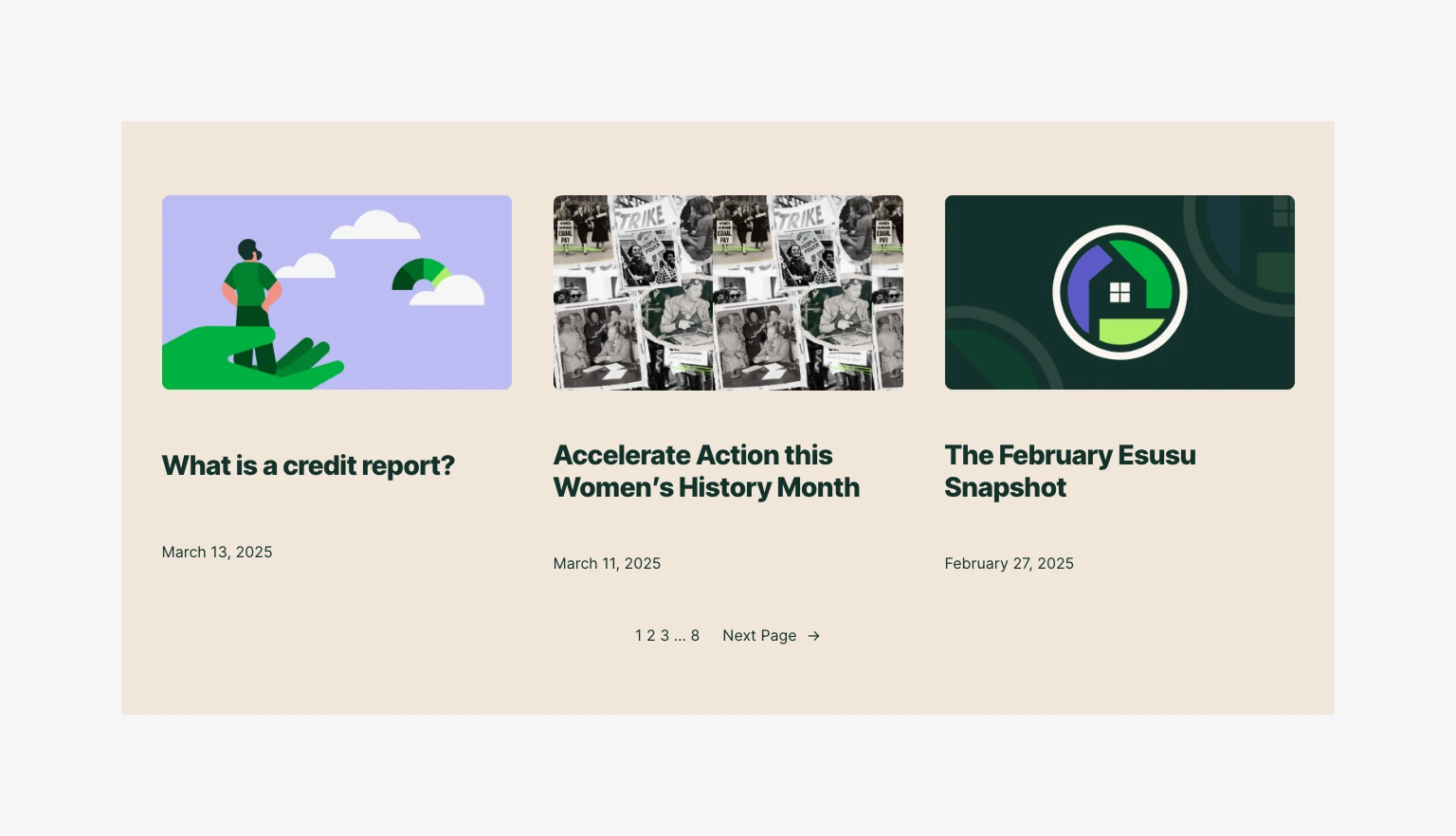
Collett highlights how the Interactivity API enables smooth, modern features directly within WordPress blocks. For instance, the native image lightbox allows images to expand into a full-screen overlay on click, creating a professional gallery experience without needing third-party plugins. Similarly, the instant query loop pagination feature supercharges the Query Loop block, letting users browse posts without full page reloads, significantly speeding up navigation. Beyond core blocks, the API also empowers custom interactive elements like carousels and sliders, handling the complex logic required for smooth animations and user navigation between items.

These examples offer just a glimpse into what’s possible with the WordPress Interactivity API. For more inspiration, be sure to check out the full article.

The query loop pagination on the Esusu blog, one of 15 examples on how to use the Interactivity API.

The Hidden Costs of “Easy” Website Builders

Clients who suggest platforms like Wix or Squarespace for a quick and easy website launch may not have considered the long-term implications. Jono Alderson’s recent article, [The long-term cost of short-term platforms](https://www.jonoalderson.com/wordpress/the-long-term-cost-of-short-term-platforms/, offers a compelling argument for why immediate convenience can lead to significant headaches down the road.

Alderson dissects how these “short-term” platforms, while excellent for rapid deployment, are optimized for quick conversion and lock-in, not for evolving business needs or strategic growth. He argues that by abstracting complexity, they often limit flexibility in crucial areas like SEO, data models, and integrations. This can leave businesses hitting a wall when their needs expand beyond a simple brochure site. Alderson concludes that while WordPress might present a steeper learning curve, its open and flexible nature ultimately provides the control and adaptability necessary for businesses to truly grow and differentiate online.

This article is a vital read for any WordPress professional looking to educate clients on the strategic advantages of a more robust, extensible platform. Find Alderson’s full insights here.

The Wild World of Software Bugs: Lessons from History’s Most Bizarre Glitches

Ever wondered about the most absurd software bugs in history? At PyCon US 2025, Mia Bajić, a software engineer and Vice Chair of the EuroPython Society, shared some truly bizarre incidents, reminding us that even the most advanced systems can have hilariously human-sized flaws.

Among the greatest hits was a 2009 Google typo where a single forward slash caused every website (including Google’s own) to be flagged as dangerous. Then there was the NASA Mars Climate Orbiter lost in 1999, which crashed because one team used imperial measurements and another used metric—a $125 million unit conversion error. Bajić also recounted the tale of Steve Null, a Sun Microsystems employee who kept disappearing from databases because older systems couldn’t handle “Null” as a name.

These anecdotes are amusing, but they also highlight critical lessons: test thoroughly, ensure clear communication across systems, and always anticipate the unexpected. For more bizarre bug stories and the valuable lessons they offer, check out Bajić’s talk here.

YouTube cover image

Building a Headless WordPress Chatbot with WP Engine’s AI Toolkit and Google Gemini

Harnessing the power of AI to create intelligent and responsive applications is a growing demand in modern web development. For WordPress professionals working with headless architectures, integrating advanced AI capabilities can unlock new possibilities.

In this article, Francis Agulto shows us how to build a full-stack chatbot that leverages WP Engine’s AI Toolkit, Retrieval Augmented Generation (RAG), and Google Gemini within a Next.js framework, delivering accurate and contextually relevant responses from your WordPress content.

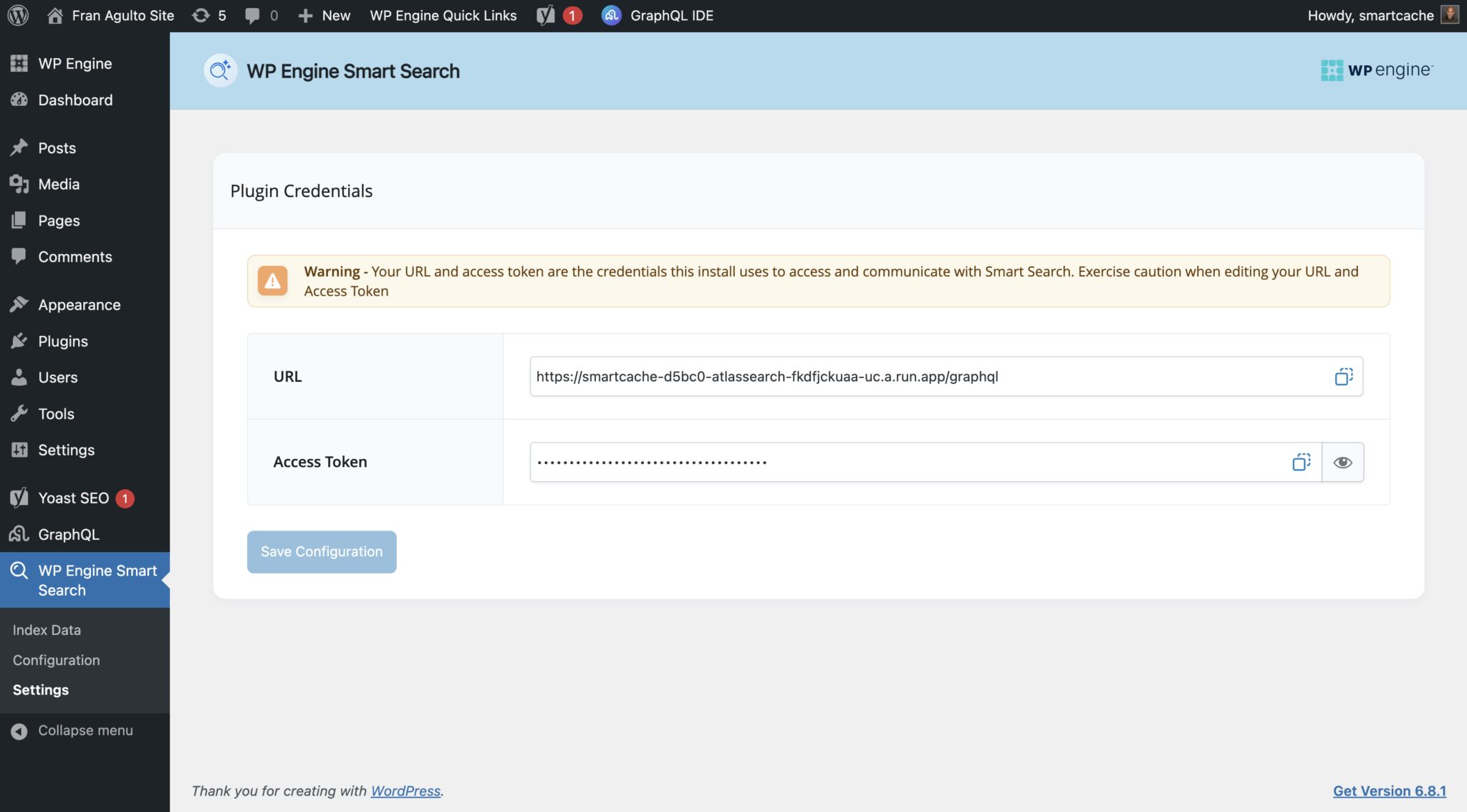
The Plugin Credentials page of WP Engine's Smart Search.

Essential Soft Skills for WordPress Developers

You’re not going to get far in WordPress development without solid technical skills. They’re foundational, allowing you to build, customize, and optimize digital experiences. However, they’re only going to take you so far. Continued success demands a sophisticated suite of soft skills, the interpersonal, communication, and organizational abilities that bridge the gap between technical execution and project triumph.

In this article, we look into these critical, non-coding competencies, exploring why they are just as vital as your development expertise for navigating challenges, fostering client satisfaction, and ultimately accelerating your career growth.

What’s the most interesting news you’ve come across recently? Pop by Twitter and let us know.

The post Delicious Brain Bytes: WordPress Set for Another Major Release in 2025 appeared first on Delicious Brains.

Delicious Brain Bytes: DE{CODE} Sessions on Demand and WordPress 6.8

In this issue of Delicious Brain Bytes, we look into the sessions now available from DE{CODE} 2025, discuss the release of ACF 6.4 and WordPress 6.8, and much more!

DE{CODE} 2025 Sessions Now Available On Demand

WP Engine’s annual DE{CODE} conference wrapped on April 15, 2025, drawing a record-breaking global audience from 114 countries. The virtual event featured 12 sessions across developer, agency, and marketer tracks, alongside keynotes tackling AI’s ethical and practical implications.

CEO Heather Brunner opened the event by celebrating WordPress as “the most successful group project in history,” framing the ecosystem’s growth as a testament to collaborative innovation. AI thought leader Jeremiah Owyang and Humane Intelligence CEO Dr. Rumman Chowdhury headlined the keynote, dissecting AI’s near-term impact on content strategy and its ethical challenges.

Notable sessions included: Vetting AI in 2025: WP Engine’s Luke Patterson and panelists separated hype from actionable tools for scaling WordPress sites. Taming the Block Editor: ACF experts demonstrated custom fields to streamline design consistency and client workflows. SEO and AI: Strategies to protect brand visibility amid AI-generated summaries and attribution risks. All sessions are now available on demand via WP Engine’s YouTube channel, offering flexible access to technical deep dives and strategic insights.

“DE{CODE} 2025 wasn’t just about new tools—it was a reminder that people power this ecosystem,” Brunner reflected post-event. With AI reshaping development and marketing, the conference underscored the enduring role of community in navigating technological shifts.

Rewatch key moments or explore missed sessions here: DE{CODE} 2025

YouTube cover image

ACF 6.4 Launches WooCommerce HPOS Support

Advanced Custom Fields 6.4 is now live, introducing WooCommerce HPOS compatibility—ensuring seamless operation with WooCommerce’s high-performance order tables for faster queries and simpler migrations.

The update required significant backend refactoring, future-proofing ACF for custom database integrations. Other highlights include Composer-based autoloading (boosting performance) and fixes for paginated Group fields within Repeaters.

Please see the release post for more details.

WordPress 6.8 “Cecil” Launches Amid Shift to Annual Major Releases

WordPress 6.8 arrived April 15, delivering refinements like near-instant page loads via Speculative Loading, bcrypt password security, and a revamped Style Book compatible with classic themes. The release also introduced 100+ accessibility fixes and performance tweaks to the Interactivity API, targeting sub-50ms response times.

The update arrives as WordPress pivots to a slower release cadence. Project leadership confirmed WordPress 6.8 will be the only major release in 2025, citing reduced corporate contributions (e.g., Automattic cut Five for the Future hours from 4,000/week to 16) and stagnant Gutenberg feature development since January.

Amid tensions, grassroots efforts are emerging to address governance concerns. Independent contributors are organizing Alt Ctrl Org, a side event during WordCamp Europe 2025, to foster discussions on power dynamics and community culture. Organizers, including longtime WordCamp leads Takis Bouyouris and Veerle Verbert, cite a “climate of fear” where contributors fear professional repercussions for voicing critiques. The event features talks on free software principles and collective governance, alongside a panel exploring WordPress’s future.

“We’re not trying to take anyone down,” Bouyouris said. “But the community isn’t working the way it used to.”

When “Clever” Becomes a Trap

Ever written a genius one-liner that you can’t even decipher two weeks later? You’re not alone. A recent blog post on Engineer’s Codex argues that “clever” code—think Leetcode-esque puzzles or cryptic syntax flexes—is often the worst kind to maintain. Why?

As Brian W. Kernighan quipped: “Debugging is twice as hard as writing code. So, if you write it as cleverly as possible, you’re not smart enough to debug it.” The post highlights how “code golfing” (prioritizing brevity over clarity) backfires in real-world projects, leading to spaghetti logic that baffles teammates—and future you.

An XKCD comic strip titled "Code Quality."

Agencies Optimistic Despite Lean Teams: The Admin Bar’s 2025 Survey

How does your WordPress agency stack up? The Admin Bar just dropped its 2025 survey of 1,233 pros, revealing a sector fueled by grit and growth.

Key takeaways:

  • 77% run agencies full-time, while 23% juggle it as a side hustle.
  • 57% report growth, though 35% feel stagnant.
  • 66% plan to still be in business by 2030.

Dive into the full dataset to filter results by niche, revenue, or client location—and see how you compare.

A graph from the 2025 Admin Bar survey, showing results for "Do you run your agency full-time or as a side hustle?" 77.1% work full-time, with 22.9% indicating it's a side hustle.

Components Are Just Sparkling Hooks

A provocative blog post by Slava Knyazev argues that React components and hooks are the same beast—just with different dress codes. Components, it turns out, are simply hooks forced to return JSX, while hooks get to flaunt any data type.

The piece playfully refactors a button-counter component into a useFancyCounter hook, revealing how “headless” patterns decouple logic from UI. Why let a button hog all the state? Expose that increment magic for reuse in modals, dashboards, or even confetti triggers (yes, fireworks are demoed).

The kicker? Unit testing becomes a breeze when logic isn’t welded to markup. “It’s like discovering your umbrella is also a parachute,” Knyazev quips.

Real-world libraries like React Aria already leverage this approach, proving it’s not just theoretical mixology. Dive deeper into this viewpoint here.

Why Agencies Use Low-Code Tools

Architects can draw up plans by hand, but they’re more likely to use CAD software to realize their version faster, with less expense, and no sacrifice in quality. Low-code tools handle templated layouts and client tweaks, while developers focus on performance optimization, security, and custom functionality—the structural engineering of a website. The result? Faster launches, happier clients, and fewer burnout-inducing CSS battles over padding adjustments.

In this article, we talk to three agencies who use low-code tools as part of their stack, and discuss what advantages they realize from doing so.

What’s the most interesting news you’ve come across recently? Pop by Twitter and let us know.

The post Delicious Brain Bytes: DE{CODE} Sessions on Demand and WordPress 6.8 appeared first on Delicious Brains.

Delicious Brain Bytes: DE{CODE} 2025 and ACF’s New Guides

In this issue of Delicious Brain Bytes, we look into DE{CODE} 2025, discuss the release of the first beta for WordPress, and much more!

Registration Open for DE{CODE} 2025

DE{CODE} 2025—WP Engine’s sixth annual virtual conference for WordPress professionals—is now open for registration. Building on last year’s record-breaking attendance (4,000+ from 86 countries), this year’s agenda features AI tool demos that streamline site creation, the latest advancements in headless WordPress architectures, and actionable strategies for agencies.

New for 2025: The event bridges roles across the WordPress ecosystem, with sessions tailored for developers, marketers, and agency leaders. Technical workshops will spotlight cutting-edge tools, while strategic panels explore cross-disciplinary collaboration for end-to-end digital experiences.

All sessions are free to attend. Don’t miss your chance to future-proof your skills at WP Engine’s flagship conference.

DE{CODE} 2025 takes place April 15, 2025. Register now to secure your spot.

Dive into ACF’s New Tutorials & Guides

Things have been busy at the Advanced Custom Fields blog over the last couple of months, with new guides and tutorials appearing on a regular basis. Whether you’re optimizing admin workflows, mastering frontend forms, or building custom taxonomies, these step-by-step tutorials offer actionable strategies for cleaner, smarter code. Explore the list below and sharpen your toolkit today.

WordPress 6.8 Beta 1 Now Available for Testing

WordPress 6.8 Beta 1 is officially here. With over 370 enhancements and 520 bug fixes, this “polish release” sharpens the editor, introduces performance boosts, and deepens security.

The beta debuts native support for the Speculation Rules API, enabling near-instant page loads via link hover prefetching. Developers can customize this feature using new filters, though browser compatibility remains limited to Chrome/Edge 108+. The Style Book now extends to classic themes, offering streamlined previews of site colors and typography. Security gets an upgrade, too: WordPress 6.8 shifts to bcrypt password hashing, fortifying user data without disrupting workflows.

The release schedule includes Beta 2 (March 11), three Release Candidates (March 25–April 8), and a 24-hour code freeze on April 14. Key dates culminate in the April 15 General Release.

Holy CSS, Batman! Build Comics with Pure Code

Web dev meets Gotham with Batman-Comic.CSS, a playful library by Alvaro Montoro. Each character is a <div>, with classes to show both the character and their facial expressions, and custom properties to change colors. You can also include speech bubbles and set the number of panels.

A pink-tinted caped crusader says "Robin!! Did you wash your red shirt with my suit again?!?!", an example of Batman-Comic.CSS.

Patchstack’s Bug Bounty Purge: Nearly 1,000 Vulnerable Plugins Removed

Last October, Patchstack’s cybersecurity bounty hunters went into overdrive, flagging 1,571 vulnerabilities across 7+ million active plugin installations—culminating in the removal of nearly 1,000 plugins from WordPress.org. The month-long event, detailed in a blog by Patchstack’s Maciek Palmowski, relaxed typical rules (like 1K+ install requirements) to target outdated plugins, some abandoned for over a decade.

Participants uncovered plugins with severe flaws (17% scored CVSS 8+), including a 17-year-old relic. Over 75% of authors were unreachable, forcing WordPress review teams to step in. The cleanup shuttered approximately 2% of the repository’s plugins.

Code Meets Craft: Learn Git in a Minecraft-Style World

Developer Jacob Stopak turned his Git frustrations into Devlands—a Minecraft-inspired 3D playground where branches are hallways, commits are rooms, and file changes are blocks you can literally bump into. Born from his earlier tool Git-Sim, this voxel world gamifies version control with guided tutorials and a zen vibe.

Walk through your repo’s history on a beachy boardwalk, stage files via “working directory walls,” or let an AI helper demystify code. Freeform mode even lets you edit files in-game. “Learning Git shouldn’t suck,” Stopak says.

The title screen of Devlands, showing the logo, "Minecraft" style trees, and buildings in the background labeled "Untracked files", "Modified files", and "Staged files".

CloudFest 2025: WordPress Takes Center Stage in Germany

CloudFest, the world’s premier cloud infrastructure event, returns to Rust, Germany, March 17–20, drawing 9,000+ attendees and 200+ exhibitors to Europa-Park. For WordPress pros, March 17 is WP Day, featuring back-to-back sessions and networking in the dedicated WP Zone.

WP Engine joins as a sponsor, hosting booth Z25 in the WP Zone. Stop by for swag, a PlayStation 5 raffle, or a one-on-one consult on scaling WordPress sites. Don’t miss Svilena Peneva (WP Engine/Nitropack) discussing Speed, Security & Scalability on March 19 at The Ring Stage.

Beyond WordPress, the event dives into cloud security, efficiency, and even a quirky “fireside chat with Albert Einstein’s ghost.” After-parties and concerts round out the agenda.

Register here to secure your spot—and swing by booth Z25 for a dose of WP Engine expertise.

Creating a WordPress Plugin With Cursor

AI-powered coding tools have been around for some time, but Cursor has been getting a lot of press recently. While other tools often focus on code completion, Cursor allows natural language inputs and can guide you in exactly what to do with the code once it’s written.

One of its more attractive features is the ability to set rules, such as “Follow WordPress coding standards.” In this article, we’ll set up Cursor for WordPress development, and then use it to create a simple plugin.

What’s the most interesting news you’ve come across recently? Pop by Twitter and let us know.

The post Delicious Brain Bytes: DE{CODE} 2025 and ACF’s New Guides appeared first on Delicious Brains.

❌