❌

Reading view

There are new articles available, click to refresh the page.

Most of our measures of a key cognitive process don't agree

It's widely acknowledged that it's nearly impossible to publish negative results in scientific journals. "We didn't see anything" is a much harder sell than finding that a hypothesis is clearly right. Findings of no effect tend to either be shuffled off to low-profile journals or left behind as unpublished lab lore.

The high-profile journal Nature, however, made a notable exception this week, publishing a study that tells us that a bunch of methods we have been using to try to measure a key emotional ability don't seem to be measuring the same thing. The results mean that we don't have a good way to measure the impact of a concept that is the basis of a key method in therapy.

Inconsistencies

One of the most successful forms of therapy is cognitive behavioral therapy, or CBT. In part, CBT is based on getting people to step back and engage in "cognitive reappraisal." This requires people to think over a situation that has caused a negative emotional response and find ways to reinterpret it so that it has less impact on them. The ability to engage in this process has been linked to emotional resilience.


Read full article

Comments

Β© Eoneren

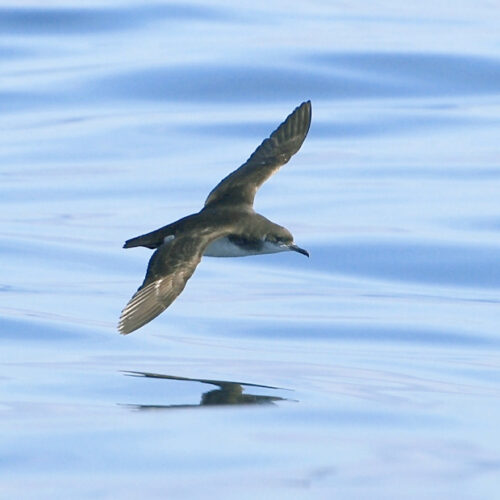
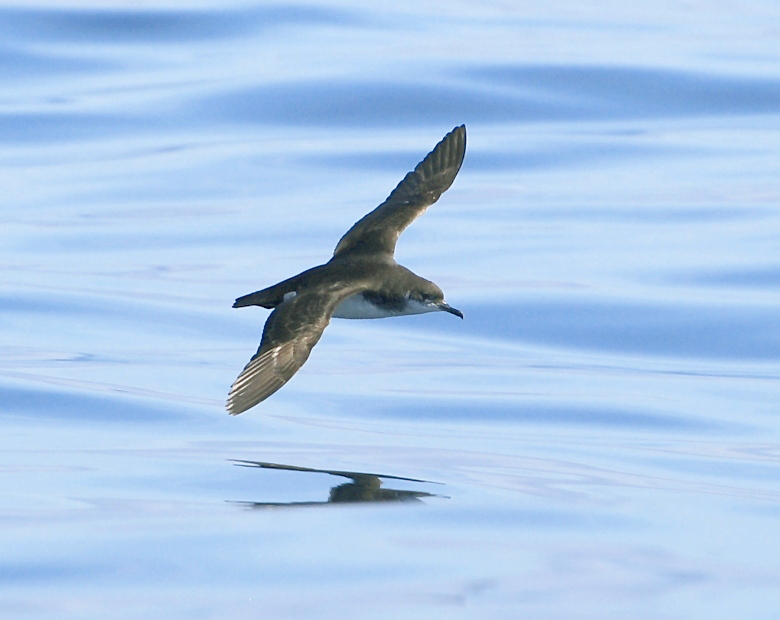
Seabirds racing home over the ocean can get jet-lagged

Flying across several time zones often causes jet lag, a feeling where the body insists it's the middle of the night while the clock says it's lunchtime. Now it turns out this nuisance is not exclusive to humans.

A new Science study on Manx shearwaters, seabirds that can fly hundreds of kilometers a day over the North Atlantic, shows they jet-lag themselves during their excursions. And because these birds navigate by the Sun, that jet lag leaves a measurable markβ€”it skews their compass.

Clockwork compass

Patrick Lewin is a behavioral and sensory ecologist at the University of Oxford and lead author of the study. β€œManx shearwaters are medium-sized birds, about the same size as a pigeon,” Lewin said. β€œThey are white underneath and black on top, but they have very long wings, and they are closely related to albatross.” Manx shearwaters nest in burrows on coastal islands around the North Atlantic. Most breed around the UK and Ireland, with about half of their population living in Wales.

Read full article

Comments

Β© Matt Witt/Wikimedia

❌