❌

Reading view

There are new articles available, click to refresh the page.

Software squeezes more data out of Webb Telescope for imaging exoplanets

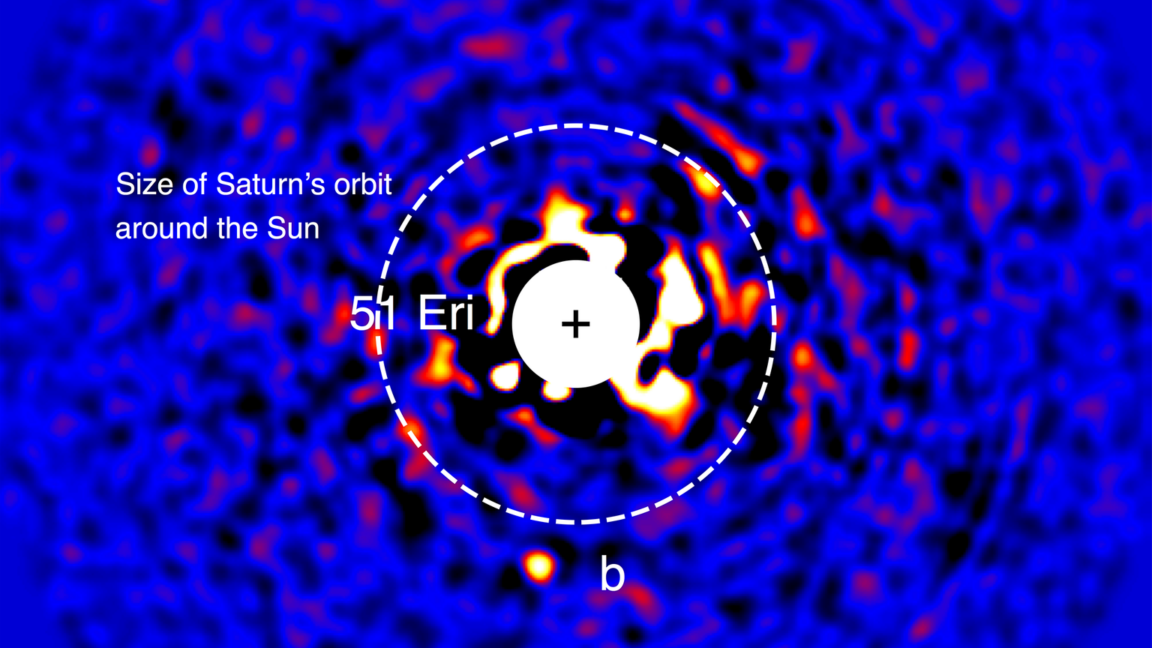
With a huge and still-growing catalog of exoplanets, researchers are eager to take the next steps: trying to infer what conditions are like on them, either by imaging them directly or by capturing the light that has passed through their atmosphere. Both are substantial challenges, given the presence of stars that are far, far brighter than light that has come to us via the planet.

While telescopes can be fitted with devices called coronagraphs that block out much of a star's light, there are limits to their effectiveness, caused by noise from subtle variations in the telescope's configuration and pointing between observations. Now, researchers have developed a new software package that optimizes a physical model of the telescope in a way that allows us to better model these differences, producing low-noise imaging of exoplanets.

Point spreads

Central to this work is the concept of a point spread function. If you use a telescope to image a single point of light, it will not appear that way in the actual image. Instead, it will be slightly blurry and spread out, due to imperfections in the telescope hardware and the limits of our ability to keep it pointed accurately through the time it takes to image something. The mathematical description of how a telescope distorts a point of light is called its point spread function.
Read full article

Comments

Β© Gemini Observatory, NSF's NOIRLab, NSF, AURA, Julien Rameau (University of Montreal), Christian Marois (NRC Herzberg)


From cheap tool to premium subscription: When a beloved app's price skyrockets

How much are you willing to pay to keep using your favorite app?

Maybe you’ve used it for years. Perhaps it performs a function so essential and specific that you couldn’t imagine what you’d do without it. But when the developer announces an extraordinary price hike, you’re forced to consider how much you really value that app.

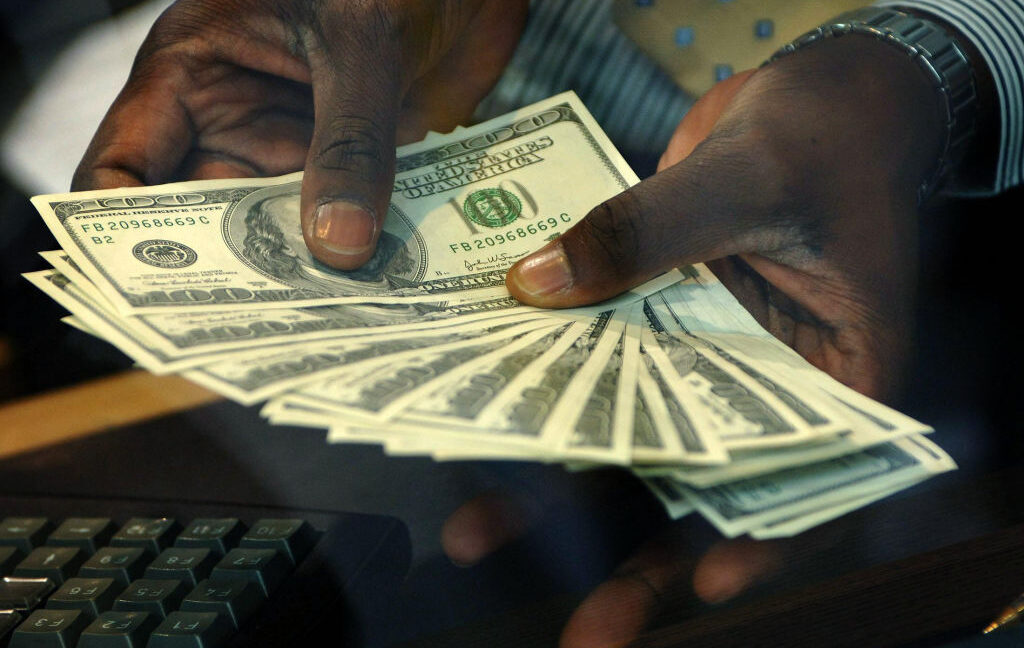
Earlier this year, Evernote, a note-taking app, changed its subscription tiers, forcing some users to go from paying $130 per year to $250. The highest tier now costs more than 3.3 times as much as the most advanced tier did in 2023 and 10 times more than what Evernote charged for annual subscriptions from its 2008 launch until 2016.

Read full article

Comments

Β© Getty

Enterprises keep buying software upgrades that IT thinks will make things worse

Enterprise-sized businesses spend, on average, 28 percent of their software budgets on unwanted upgrades, migrations, and licensing changes. Often, those firms' IT heads think those changes are detrimental.

Those results are according to a survey of 2,018 chief information officers and senior IT decision-makers at companies with at least 10,000 employees that Origina commissioned for its report, β€œThe Software Tax.” About half of the respondents (1,011) are from the US, and the rest are from the United Kingdom. All respondents worked at companies with at least $1 billion in annual revenue.

Keep in mind that Origina provides maintenance for various enterprise software. Its report points to independent software maintenance as a way for IT leaders to regain control over software budgets, illustrating its potential bias. A third-party research consultancy, Censuswide, conducted the survey.

Read full article

Comments

Β© Clara Molden/PA Images via Getty Images

❌