❌

Reading view

There are new articles available, click to refresh the page.

Hundreds of websites deliver potent malware cocktail to unsuspecting visitors

Hundreds of websites using the Optimizely website personalization platform served unsuspecting visitors a potent malware cocktail that targeted cryptocurrency wallets, stole payment card data, cookies, and screenshots, and delivered exploit kits for infecting iPhones and iPads, researchers said Tuesday.

ReportURI said it identified 178 websites—including CNN, Zoom, the BBC, and Salesforce—that were affected. JavaScript digitally signed by Optimizely and then loaded into customer pages had been modified to include malicious components that attempted to infect visitor devices with multiple payloads. When wares were installed successfully, they swapped user cryptocurrency wallet addresses for the attackers. Other components skimmed payment cards, stole cookies and screenshots, and, on iPhones and iPads, delivered iOS exploit kits known as Coruna and DarkSword.

Optimizely infrastructure delivers multipurpose malware

Optimizely serves JavaScript “snippets” that include both company code and code that is provided by each customer. The JavaScript, which can be served directly from Optimizely or from a customer endpoint, runs on every page the customer serves. Somehow, the attackers wrote their own code into a portion of each affected customer’s JavaScript and then delivered it from cdn.optimizely.com. A valid certificate for that domain signed the JavaScript.


Read full article

Comments

© Getty Images
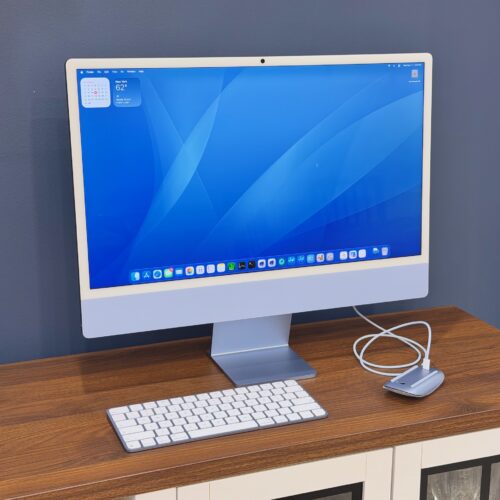
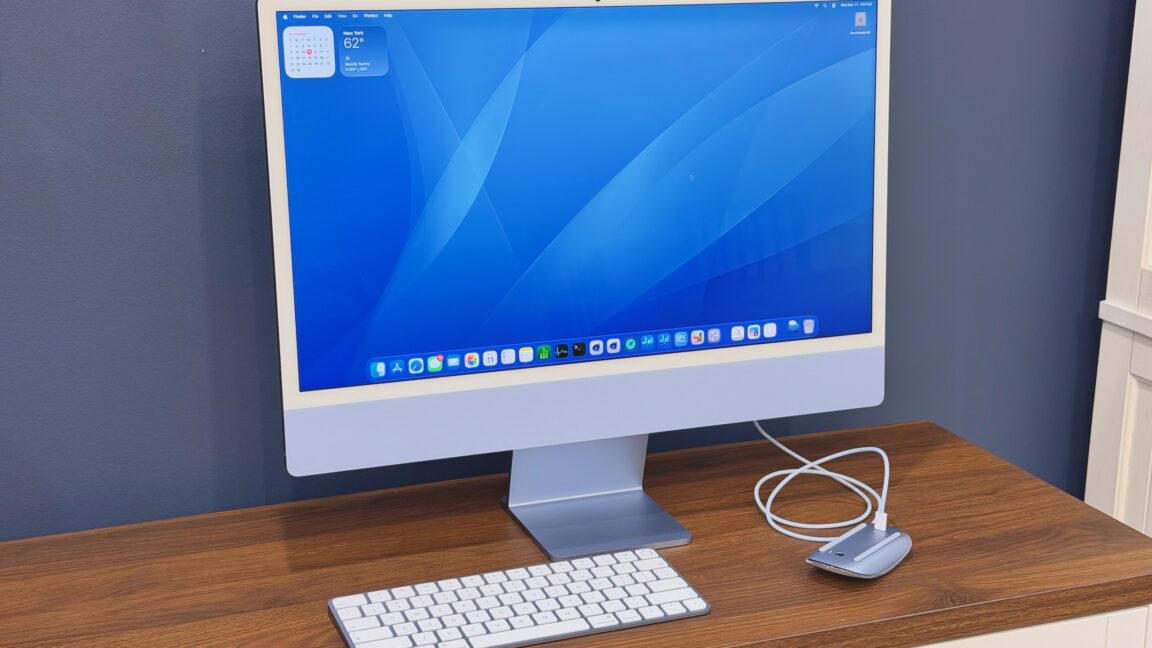
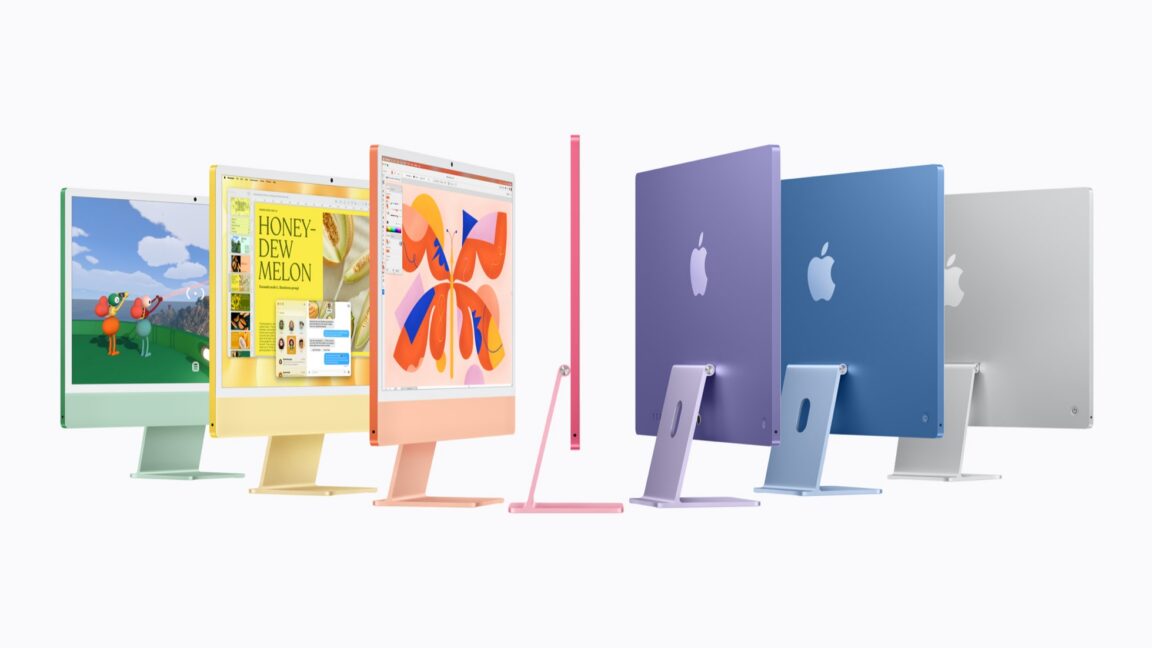
Review: Apple's M6 iMac is pricey, but it's still a good choice for a clean desk

The Apple Silicon iMac got its fourth refresh this month.

Every other Apple Silicon Mac has found a way to move forward over the last half-decade—we've gotten a more Pro design for the MacBook Pro, a mini-er design for the Mac mini, and a Mac Studio that has finally made Apple admit it doesn't want to make the Mac Pro anymore.

But the Apple Silicon iMac has always been more interested in looking backward. It's the thin, screen-on-a-stand iMac design by way of the original Bondi Blue G3 iMac. It's a clean and pretty desktop computer, one I see all the time in small offices and on TV shows that depict small offices. We're long past the days when it was Apple's primary workstation computer.

Read full article

Comments

© Andrew Cunningham

Apple is shuttering its 28-year-old online community forum

Apple’s online community forum will close on November 20.

On Tuesday night, Apple posted a message to the Apple Support Community announcing the forum's closure:

The Apple Support Community will permanently close on November 20, 2026. Starting today, the site will no longer accept new posts and is available in a read-only state.

You can continue to find trusted guidance and support on the official Apple Support site.

We want to thank the community members who have contributed their time and expertise to help others with their Apple products.

For 28 years, the forum has provided Apple users with a way to get quick technical advice about their products. That advice usually came from fellow users, though Apple employees occasionally chimed in. As with any community forum, the helpfulness and accuracy of the advice varied.

Read full article

Comments

© Peter Dazeley/Getty Images

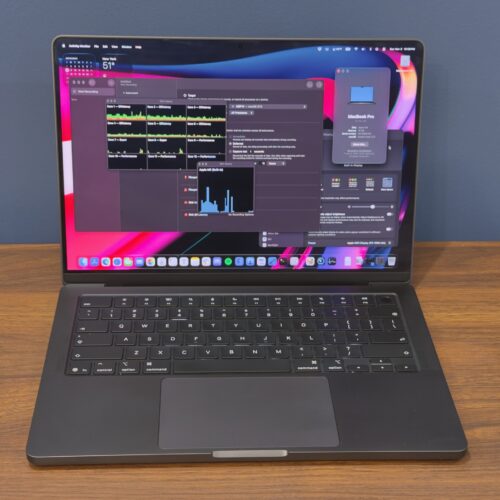
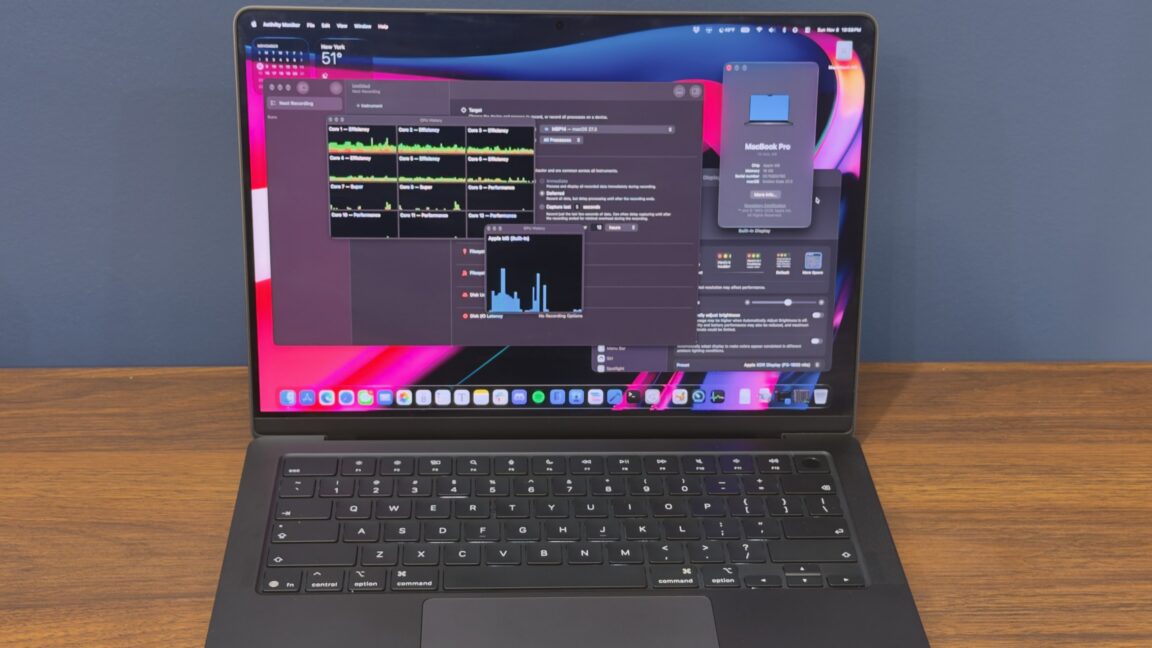
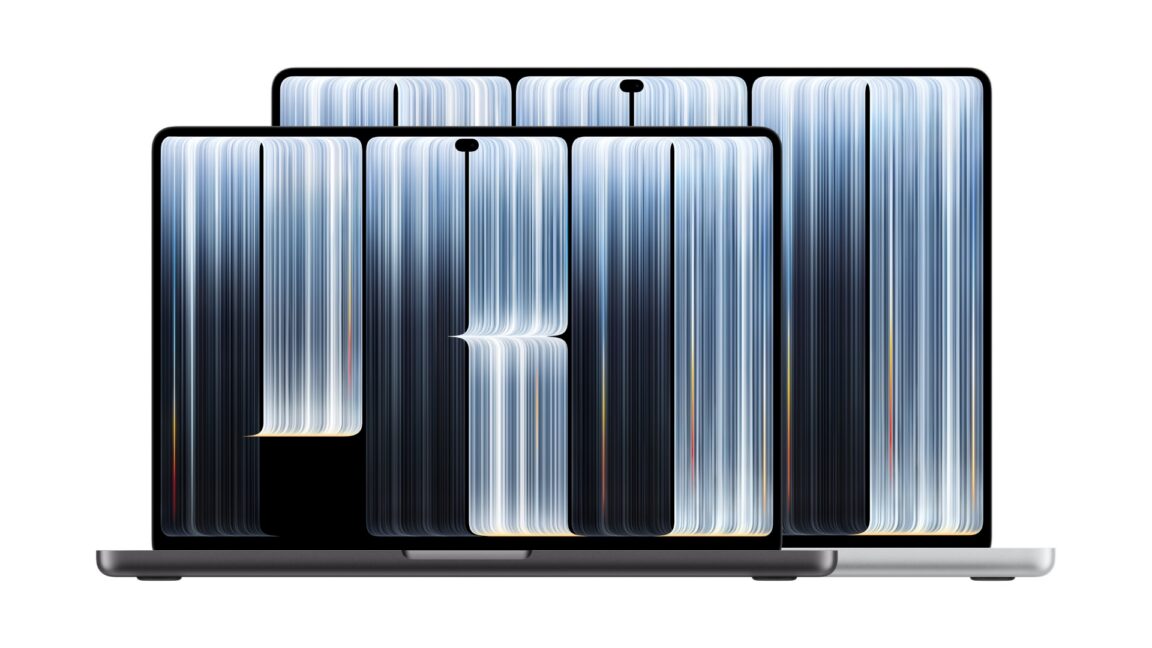
Review: Apple's M6 MacBook Pro is good, but it's missing all the exciting stuff

I've written more than once about the weird positioning of Apple's entry-level 14-inch MacBook Pro, which has always occupied an uncomfortable perch between the MacBook Air and the higher-end MacBook Pros. The best versions of this laptop, like last year's M5 refresh, come with the same basic design and external features of the higher-end MacBook Pros, just with a more modest processor and a lower ceiling for specs like RAM and storage.

The lesser versions stick with older designs or other compromises, reserving Apple's most updated designs and screen technologies for the more expensive high-end models. Recall the 13-inch M1 and M2 MacBook Pros, which stuck with Apple's 2016-era MacBook Pro designs for everything, up to and including the now-abandoned Touch Bar. (If you're someone at Apple maintaining Touch Bar support into the 2030s for the sake of these two laptop models, I'd like to hear from you. Not for a story! I'd just like to know how you are.)

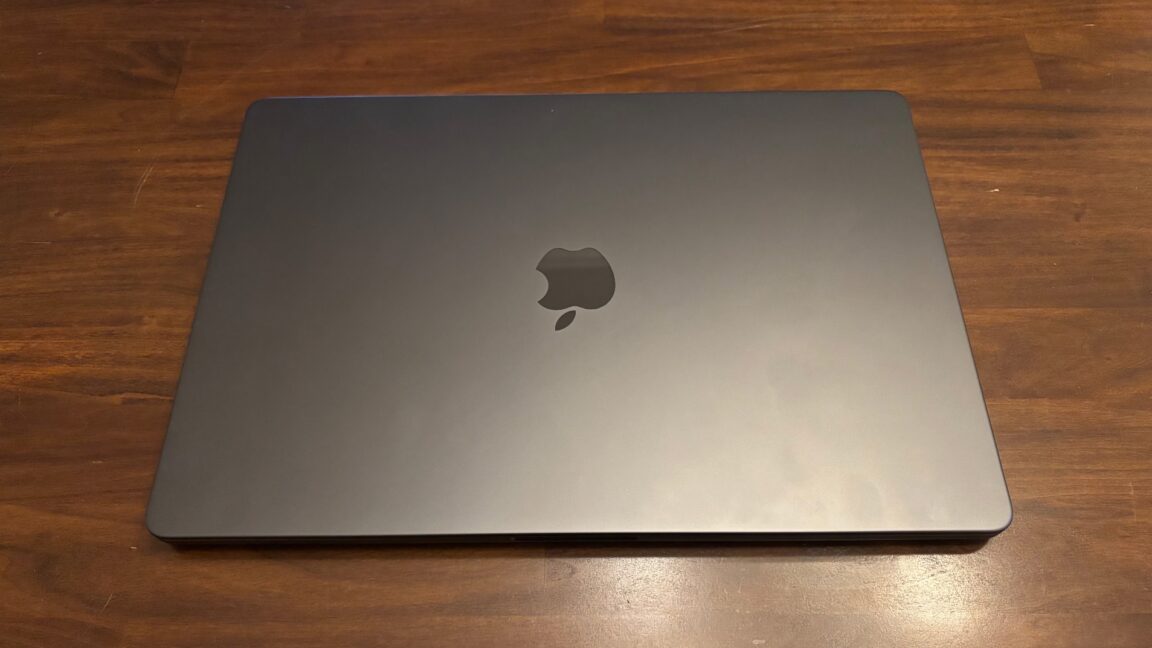
This year's entry-level MacBook Pro mostly falls into that latter category. It does get an Apple M6 chip, and the M6 is great—rumors suggest the M6 won't get Pro, Max, or Ultra configurations, so there are some fringe benefits here that you can't get in the top-tier MacBook Pros. But it uses the same MacBook Pro design Apple has been using since 2021. There's no touchscreen, no OLED panel, no Dynamic Island, no half-pound weight reduction, no glowing Apple logo on the lid.

Read full article

Comments

© Andrew Cunningham

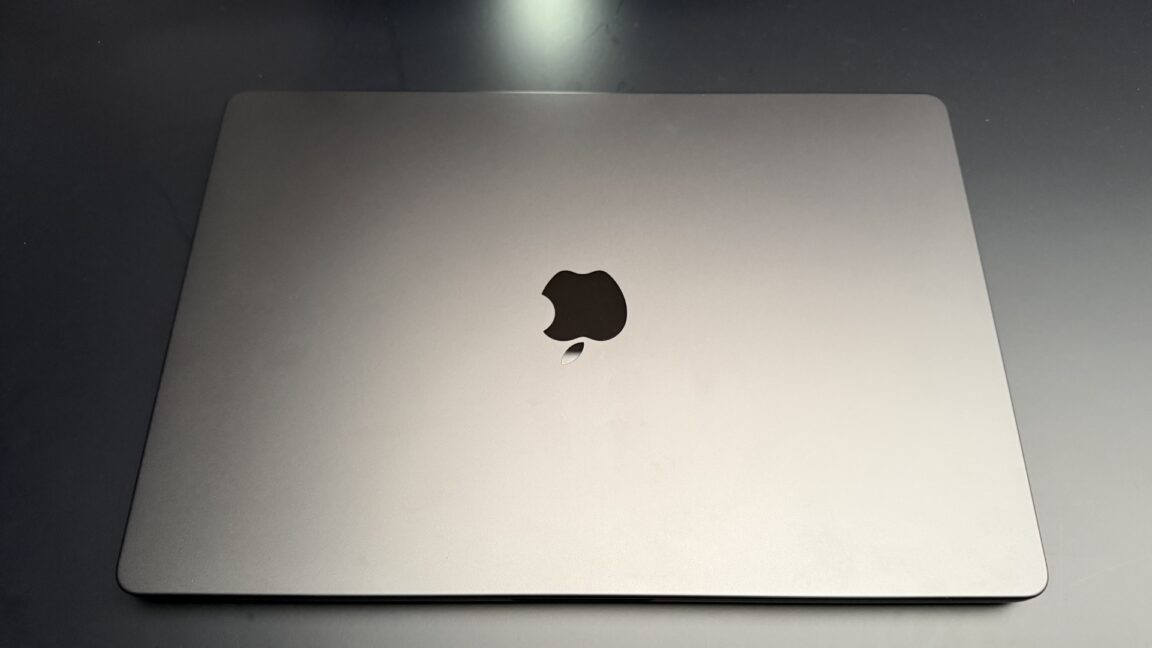
It's a weird time to buy a laptop, but the new MacBook Pro doesn't skimp on quality

Apple's new MacBook Pro is expensive as hell.

Let's get that out there right away, because for a lot of people, it will be the only thing that matters. As with so many things in life, though, you get what you pay for. There's no questioning the quality of the laptop's display or most of its other hardware components.

But should you buy it? Well, that's a complicated question in 2026.

Read full article

Comments

© Samuel Axon

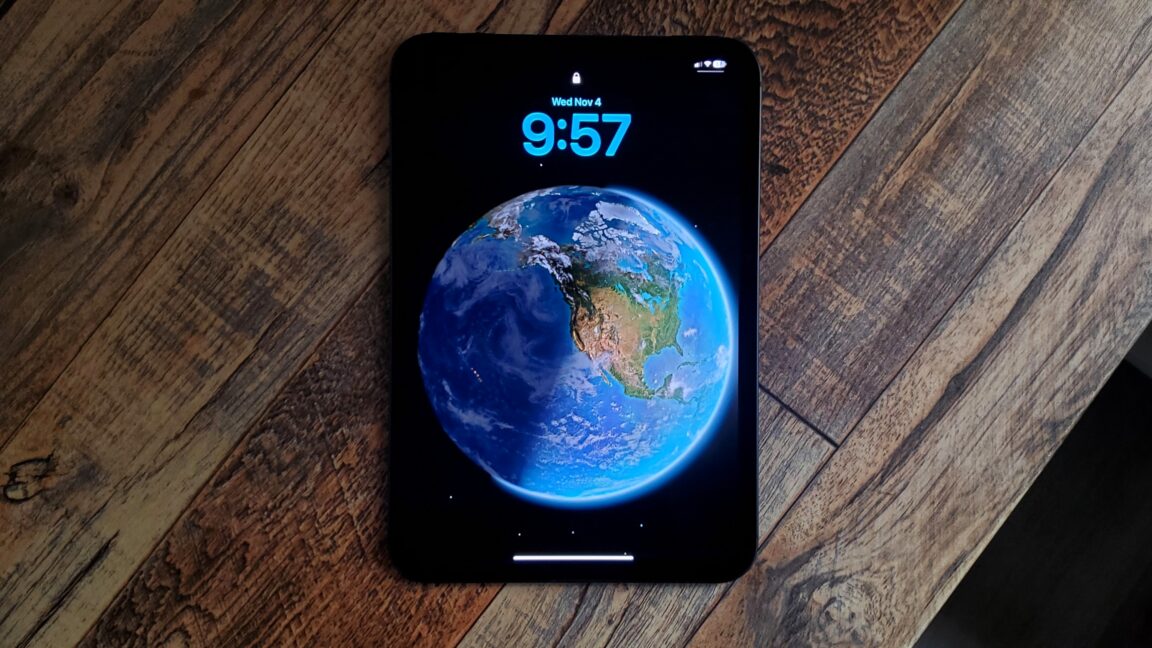
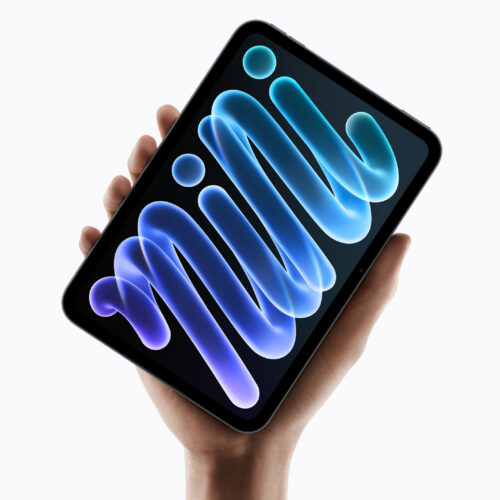
2026 iPad mini review: Maximizing the mini

The iPad mini has long felt like a niche product. It has earned a reputation as a quality tablet for people who want something small, comfortable, and portable, but its small screen and comparatively limited processing power have restricted its appeal, making it best suited to watching media or playing games.

With the 2026 version, the iPad mini is more competitive than ever. Its chip is current, its speakers are better, and, most impressively, it trades its 8.3-inch IPS screen for an 8.5-inch OLED that can hold its own against other premium tablets. There isn’t much more you can ask of an iPad this small.

But at just $50 less than the larger, more powerful iPad Air (11-inch), the iPad mini still has a hard time making a case for itself.

Read full article

Comments

© Scharon Harding

Coming in 2027: Apple’s $1,000 home robot for FaceTime and switching on lights

Apple’s new CEO, John Ternus, is apparently pushing the tech company’s development of household robots—and the first to debut may be a home robot designed to autonomously roam around while supporting FaceTime calls and switching lights on whenever a person enters the room.

People who worked on Apple’s robotic projects told The Information that the AI-driven home robot, code-named J595, could be named HomeView Ultra in line with Apple’s new HomeView stationary smart display. The company is reportedly aiming to launch the robotic product with a possible price tag of $1,000 or more by 2027, although development delays may push that back to 2028.

The earliest prototypes of the home robot first came out in 2018 and received approval from former Apple CEO Tim Cook to continue the project. The Information describes Apple’s engineers as trying to give the robot more capabilities beyond being a “fancy way to make FaceTime calls” in order to justify a high price tag, even as the team has spent years refining the software and incorporating more AI technologies.

Read full article

Comments

© Kyle Grillot/Bloomberg via Getty Images
Touchscreen MacBook Pro hands-on: OLED looks great on a Mac

LOS ANGELES—For about five minutes on an extremely crowded showroom floor, I got to take pictures of the new MacBook Pro and test out some of its new features. First impressions: It's not as much of a departure from the previous design as I expected, but the outstanding OLED display steals the show regardless.

The first thing I noticed was that it's lighter. My daily driver is a 14-inch MacBook Pro (M1 Max), and it's a bit weighty for a 14-incher. Picking up the new model, I could immediately tell it was lighter. It's not like it's in a different general weight class, but it's a noticeable difference.

Read full article

Comments

© Samuel Axon

Apple announces touchscreen MacBook Pro with OLED display

LOS ANGELES—Apple today announced and gave a first glimpse of its first major MacBook Pro redesign in more than five years. As rumored, it includes an OLED display and, for the first time on macOS, a touchscreen—a change Apple has long debated. (Former CEO Steve Jobs famously was opposed.)

Apple's demonstration video showed users interacting with applications by reaching up to touch the screen, including file dragging and multi-touch gestures like pinch-to-zoom. It does not appear to be a 2-in-1 convertible design, though; all the footage was of people reaching up to touch the screen in a normal laptop configuration.

The OLED display (which Apple is, of course, calling the PROLED XDR) seems to be the real highlight here, compared to earlier models: It can achieve 2,000 nits in terms of maximum brightness, and Apple says it has a 10,000,000:1 contrast ratio. References were made to burn-in protection, but details on which approach it's taking for that weren't yet shared. The display retains the 120 Hz variable refresh rate of its predecessors.

Read full article

Comments

© Apple

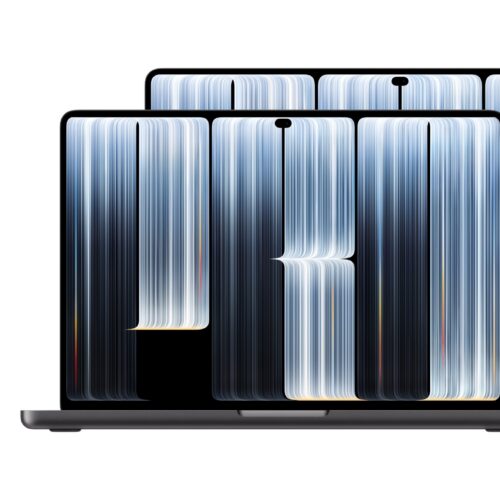
Apple refreshes the iMac, entry-level MacBook Pro with the M6 chip

Apple has announced refreshes for the iMac and the entry-level, 14-inch MacBook Pro. Both machines are getting the M6 chip, which was introduced in the Mac mini several weeks ago.

The M6 is split into two variants for the iMac. Picking the "M6 chip with two Thunderbolt ports" option gets you a 10-core CPU and a 10-core GPU, whereas picking "M6 chip with four Thunderbolt ports" gets you 12 cores for each, instead. The two-port variant maxes out at 24 GB of RAM and 1TB of storage, whereas the four-port one maxes out at 32GB of RAM and 2TB of storage.

Read full article

Comments

© Apple

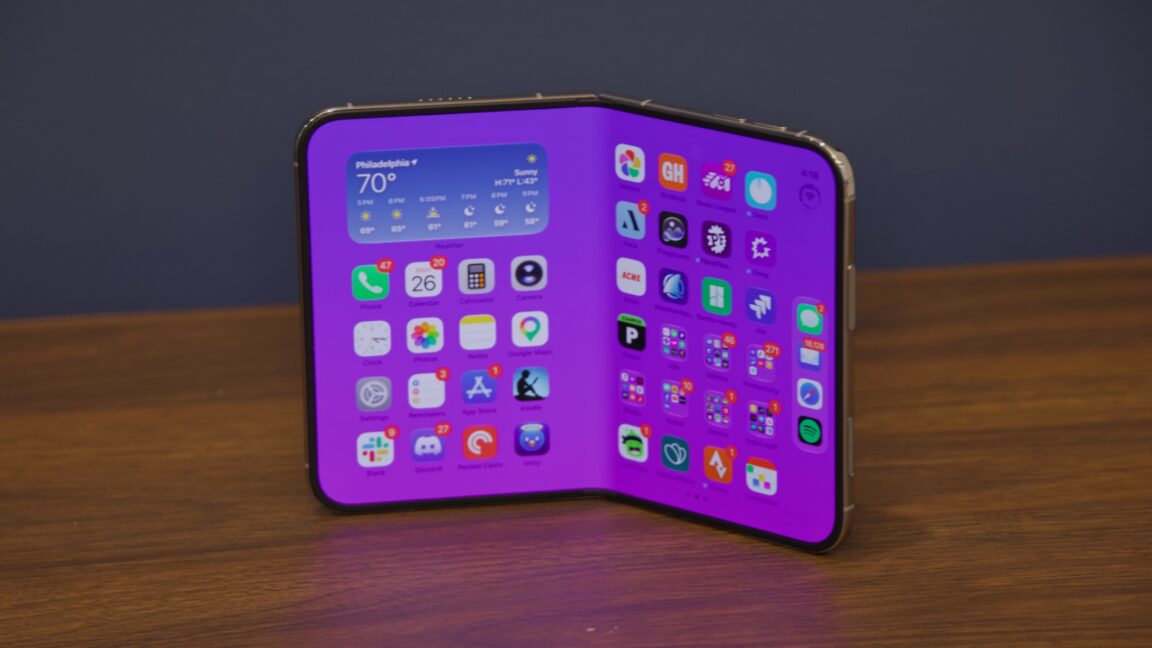
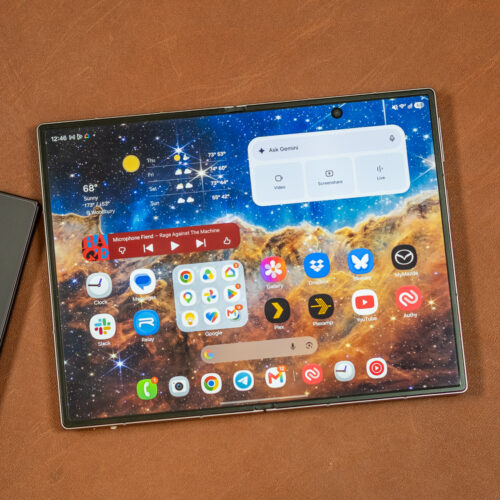
Apple iPhone Duo review: Two screens, two experiences, two thousand dollars

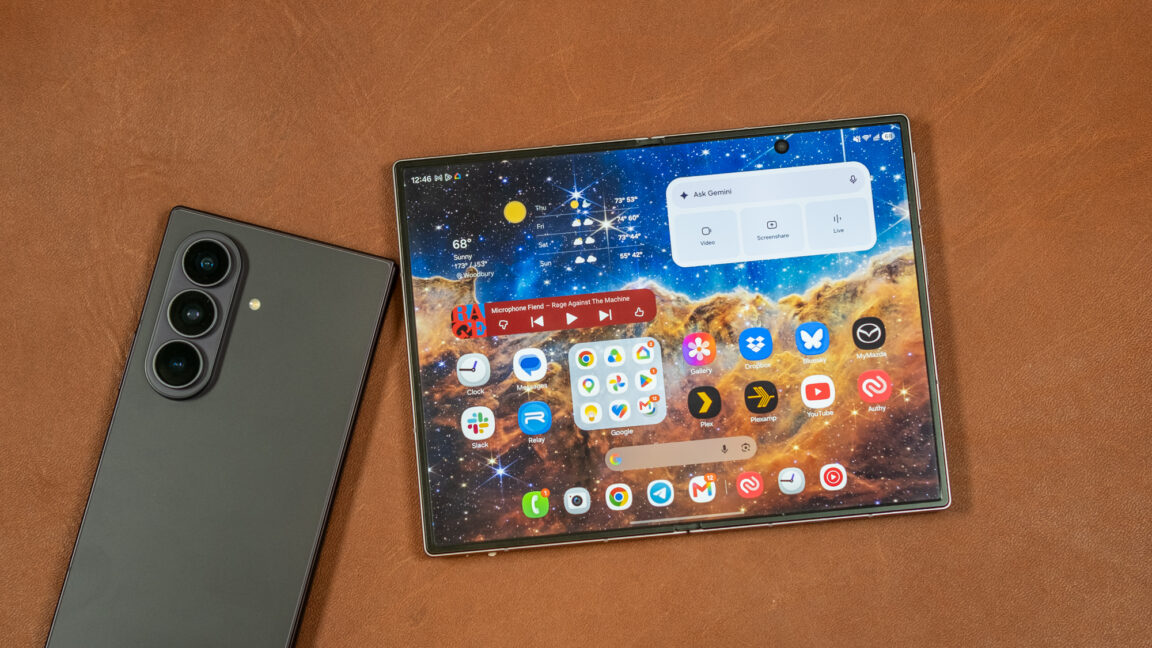
I understand the appeal of foldable phones—they let manufacturers keep expanding screen sizes while still producing devices that can reasonably fit in a pocket. In practice, though, every foldable Android phone I've seen in public has had a ridiculously visible seam between the two halves of the screen, often with what looks like delamination from the underlying surface, giving the display an ugly, bubbly appearance.

Back when Android phones began shipping with bigger and bigger screens and the iPhone was stuck at a miserly four inches, I was jealous. But I've never looked at anyone using a chunky, fragile-looking foldable phone in public and pined for Apple's take on the idea.

Nevertheless, that take has arrived, in the form of the iPhone Duo. This $1,999-and-up foldable is the biggest change to the iPhone in years, with both hardware and software updates that dramatically change how you interact with the device.

Read full article

Comments

© Andrew Cunningham

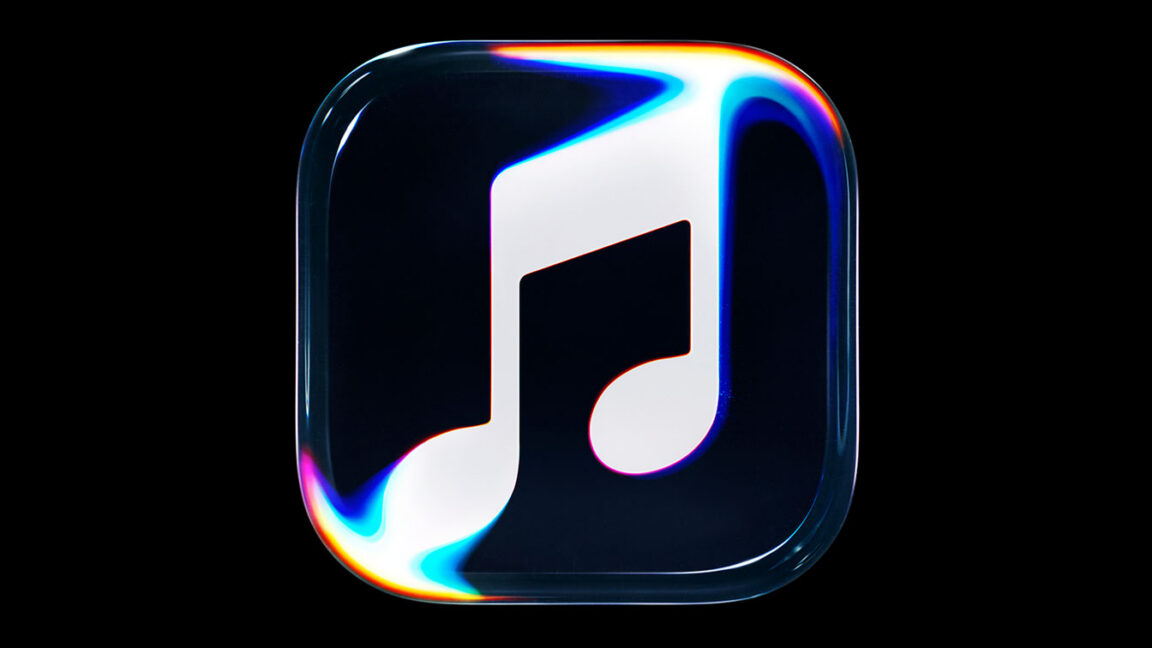
Apple releases iOS and macOS 27.2 with new Siri AI features, new Music logo

Today, Apple rolled out the 27.2 updates for its operating systems, including iOS, macOS, watchOS, tvOS, visionOS, and so on.

Let's start with iOS 27.2. This update is heavily focused on Siri AI. It adds a memory feature to Siri, so it can "recall your past conversations" and reference them when chatting with you. It also expands what data sources Siri can access when giving responses to include voicemails, Messages attachments, and more.

Read full article

Comments

© Apple

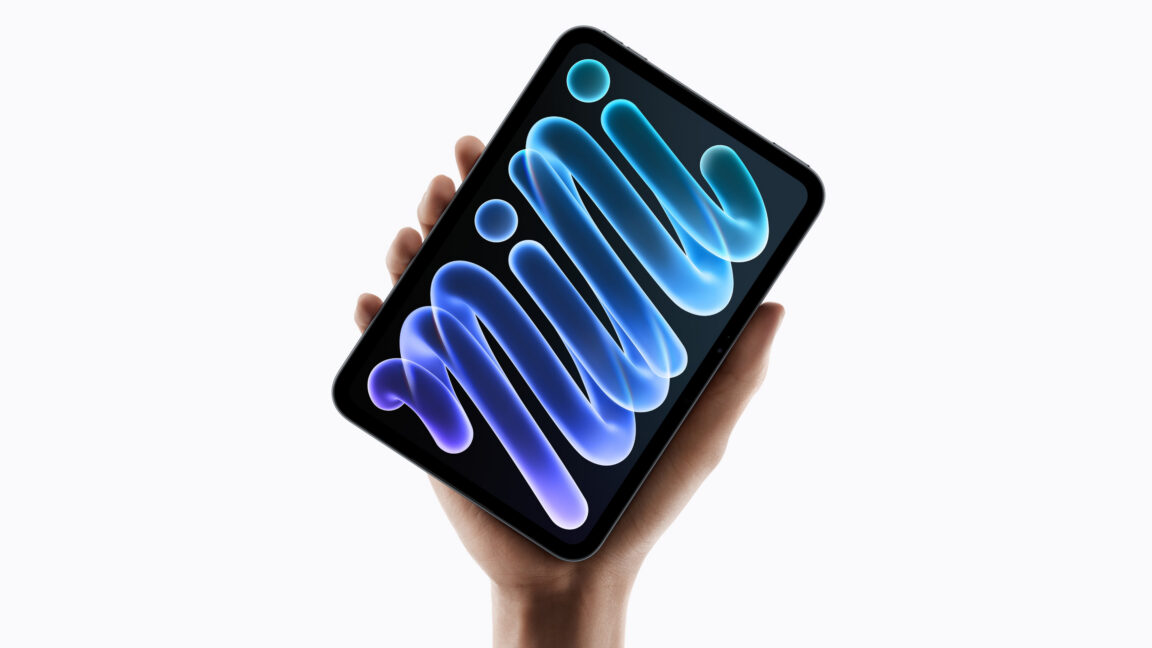
Apple reveals updated iPad mini with a bigger OLED screen for $700

The iPhone Duo may be a bit of a risk right now, but there's a new mid-size Apple touchscreen device that might do the job. Starting at $699, the 8th-gen iPad mini price has gone up, but there are some big changes. Apple says the refreshed 8th-gen iPad mini marks the most significant update ever for its petite tablet, featuring an OLED screen and the A20 Pro chip that we first saw in the iPhone 18 Pro and iPhone Duo.

The new iPad mini has roughly the same footprint as the 2024 release, but the display is slightly larger thanks to a 24 percent reduction in bezel thickness. The device is almost a full millimeter thinner than the last iPad, coming in at just 5.4 mm. The chassis is also IP67 rated for water and dust protection. The 7th-Gen iPad mini didn't have any official IP rating.

The 8.5-inch Super Retina XDR display (up from 8.3 inches) moves on from the IPS technology of the last-gen device to adopt OLED. That means dapper blacks and a much higher peak brightness—1,200 nits versus just 500 nits for the previous mini. It can also manage 1-nit minimum brightness so as not to sear your retinas in a dark room. There will also be a nano-textured matte display option. The display experience on the new mini should be much more in line with what we've come to expect from Apple's Pro-level devices.

Read full article

Comments

© Apple

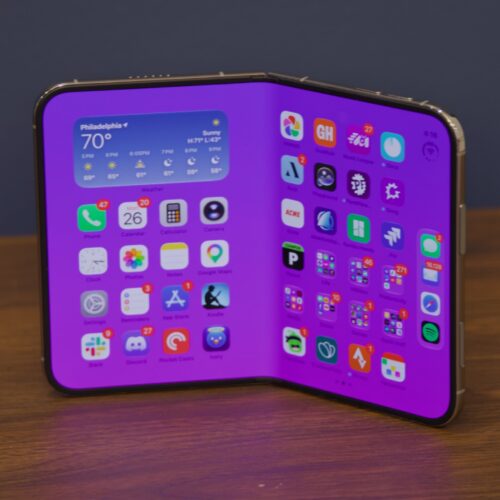
Some iPhone Duo screens are already failing, Apple says only a "small number" are affected

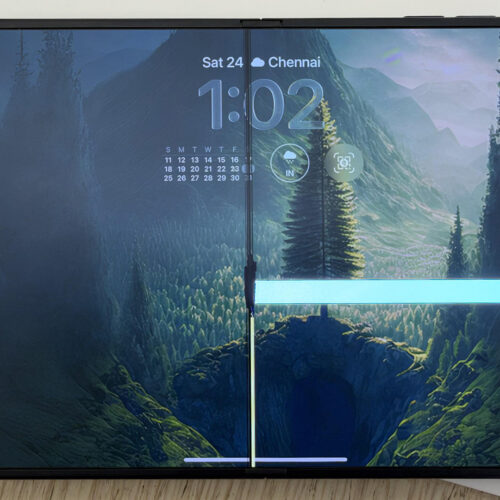
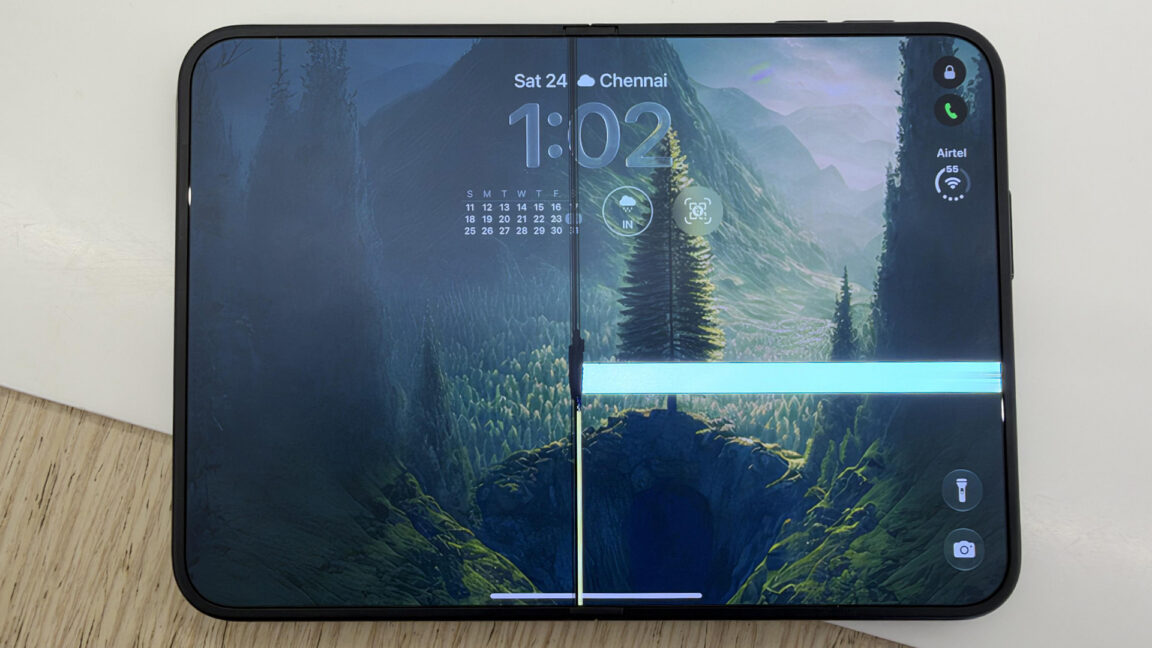
The iPhone Duo launched last week, offering anyone willing to spend $2,000 a chance to experience Apple's first foldable phone. For some early buyers, the morning after isn't going great. Despite the company's big talk about its "precision-engineered" hinge, some devices appear to have a hardware flaw that destroys the device's impressive internal display within hours (or minutes) of use.

The Internet is currently overflowing with images of busted iPhone Duos, all sporting almost identical damage. The OLED is marred by several bright lines originating just below the midpoint of the display. These bands of damaged pixels extend all the way to the bottom and right edges. Some units also show lines of dead pixels following the crease from the top to the area where the bright lines begin.
Anyone who has seen a damaged OLED panel will be familiar with this type of defect. When the layers of the display are damaged, the pixels no longer receive the correct voltage to illuminate them. Instead, they get the full driving voltage and are permanently on at maximum brightness. Some pixels can get no voltage, leaving them totally black. The only fix is to replace the OLED, but swapping the iPhone Duo's screen reportedly costs half as much as the device itself.

Read full article

Comments

© /u/Vishnu_RK

Samsung all but confirms iPhone Duo is goosing Galaxy Z8 sales

Android-powered foldable phones have been available for years, but most people never paid attention to them. As predicted, that could be changing now that Apple has entered the folding phone market with the iPhone Duo. Analysts have speculated that Samsung's Z8 foldables were seeing a boost from the iPhone announcement, and now Samsung has seemingly confirmed that.

In a new blog post, Samsung UK crows that the company's 2026 foldable lineup is moving much faster than last year's models. Compared to the Galaxy Z Fold 7, combined European sales for the Galaxy Z Fold 8 and Galaxy Z Fold 8 Ultra are up 45 percent. Samsung isn't talking about Z Flip 8 sales, but it previously noted that its larger foldables made up about 80 percent of foldable purchases. We can assume any increase there is not impressive enough to mention.

The reason for flat Z Flip sales may simply be that Apple didn't release a flip phone. Unsurprisingly, Samsung doesn't mention Apple or the iPhone Duo in its press release. However, it does say that search volume for the Z8 series across Europe spiked 460 percent the week of September 6 to 12. And guess what was announced on September 9? Yep, the iPhone Duo. Z Fold 8 search volume across the entire month of September (when the phones launched) was up 260 percent.

Read full article

Comments

© Ryan Whitwam

The new human-crafted Apple Music brand matters in an AI world

Apple just revealed a new brand identity for Apple Music, with the expected turn to Liquid Glass. I’m not much of a fan of their new design language in general; this is where I admit that I’m still running MacOS Sequoia and have grumpy things to say about rounded corner radii and text legibility.

It’s just a trend, it will pass, and at some point I’ll probably cave and upgrade when it starts actually affecting my ability to get work done, or more importantly get security updates. Once I adjust, I’ll stop noticing it, and life will go on.

As such, I wouldn’t normally find an obvious rebrand like this notable, much less feel like I had much to say about it. But then I happened to catch Apple’s behind-the-scenes video in my YouTube recommendations, and I realized I did have thoughts.

Read full article

Comments

© Apple

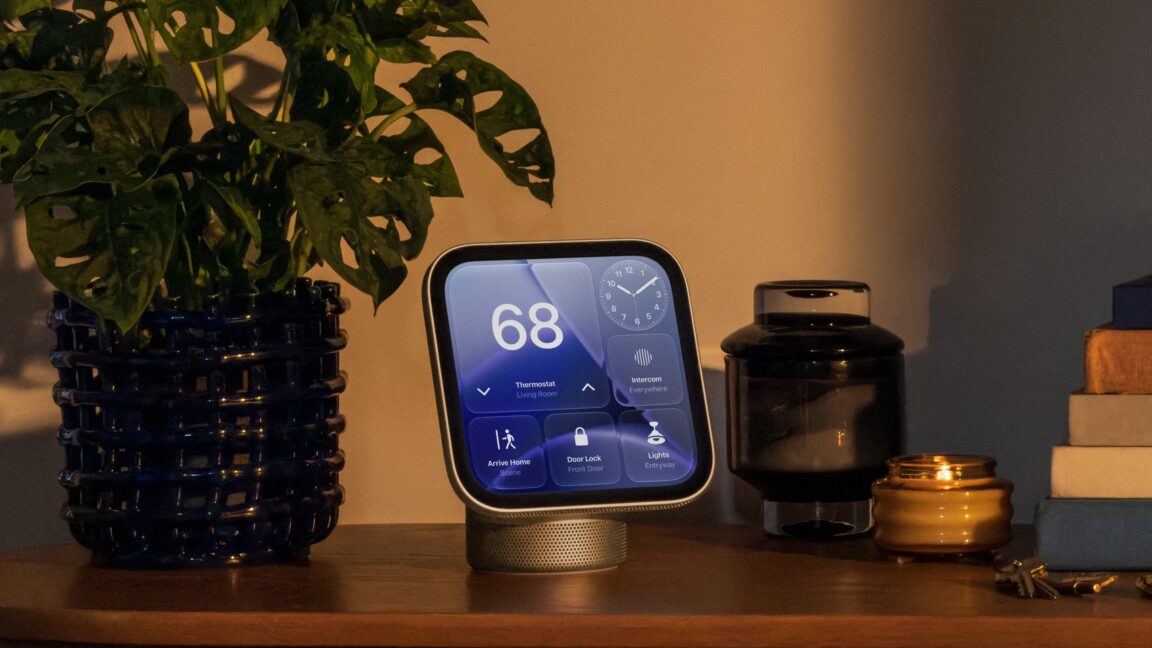
Apple’s first smart display is the 7-inch HomeView for $299

Apple opened preorders for the HomeView smart home hub today.

The HomeView is a 7-inch smart display and speaker that aims to be a central access point for up to six members of a family to access and control Apple’s ecosystem of devices, apps, and the Siri generative AI chatbot that's currently in beta.

Users can speak to HomeView to control smart home devices, such as, for example, telling Siri to close the smart blinds or activate smart locks. HomeView can also show a livestream for up to nine video feeds simultaneously.

Read full article

Comments

© Apple

After a 10-year redemption arc, No Man's Sky is coming to the iPhone and iPad

Just over 10 years after its initial release, space exploration and survival crafting game No Man's Sky is making its way to the iPhone and iPad, Apple and developer Hello Games announced today.

It will run on devices as far back as the iPhone 11 and the third-generation iPad Air. No Man's Sky might not have the most cutting-edge AAA graphics (though they're still strong, and they've come a long way since launch via updates), but the game's uncommon method of generating galaxies of incomprehensible scale on-device, and consistently for all players from a single-seed, happening on a phone is remarkable for those of us who remember phones performing far behind consoles or desktop PCs.

Read full article

Comments

© Hello Games

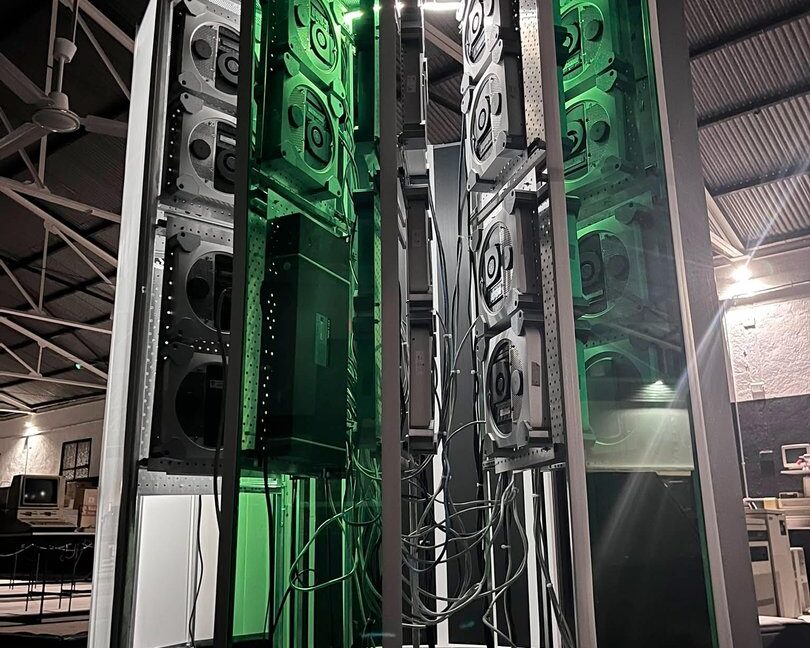
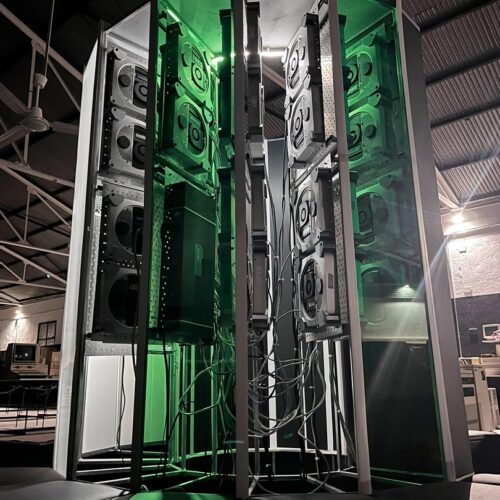
A Cray-1 supercomputer replica from 30 "obsolete" Mac Minis

The Museo de Historia de la Computación in Spain has unveiled a 1:1 scale visual replica of the famous Cray-1 supercomputer from 1976. Instead of sourcing expensive, cutting-edge tech to run the system, the creative team powered the project with 30 2012-era Mac Minis. Developed over 18 months, the project serves as a 50th-anniversary tribute to the Cray-1 and Apple's founding.

Mac Minis from over a decade ago might not seem like the obvious first choice for building a cluster supercomputer, but when networked together, the developers can orchestrate the 64 active processing cores into a combined 1.3 teraflops of performance in their most recent tests. The museum reportedly achieved 1.5 teraflops previously using all 70 available cores, prior to one node going offline. Benchmarks were obtained using a custom matrix-multiplication Python script. Five PCs are quad-core i7s, and the remaining 25 are dual-core i5 models. Except for two units from 2014, the rest of the array dates to 2012.

The replica is a valuable tool for museum-goers to understand the shifts in computer architecture since 1976. The original Cray-1 used vector processing, applying a single instruction to multiple data elements simultaneously, whereas the replica distributes work across independent processors in a parallel cluster. The peak theoretical performance of the original Cray-1 was approximately 160 megaflops. What was originally a purpose-built research machine has been re-created with consumer hardware that's vastly more capable than the machine that inspired it.

Read full article

Comments

❌