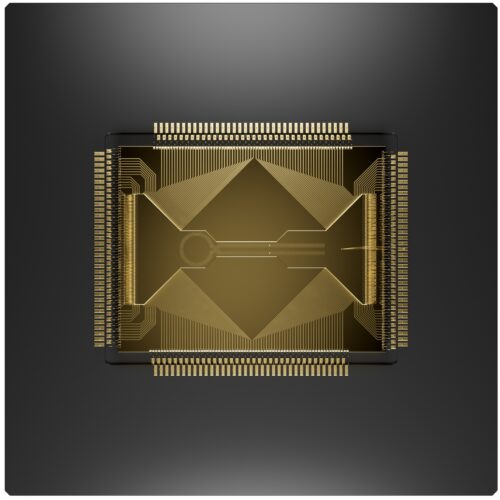
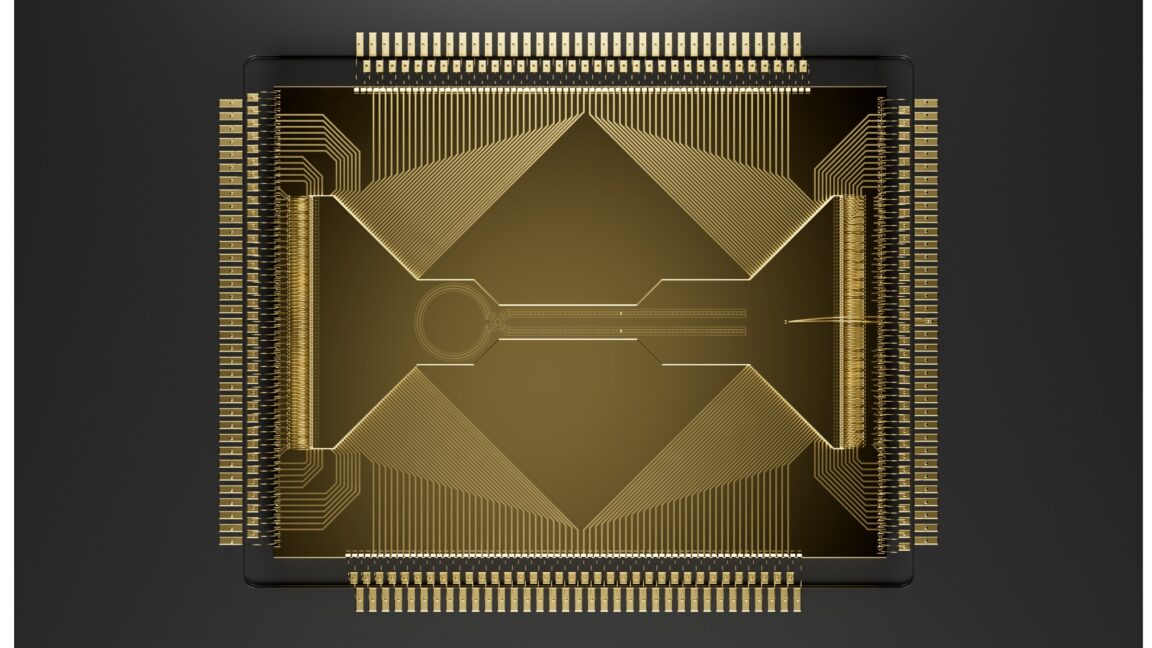
IBM's Quantum Developer's Conference is being held this week, and the company is using the gathering to provide an update to its roadmap: It is aiming to make error-corrected quantum computers before the decade is out.
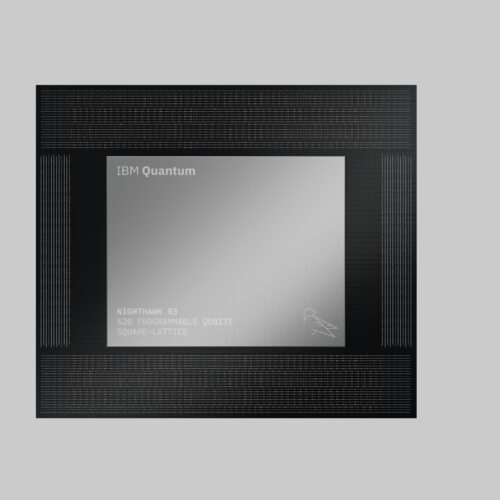
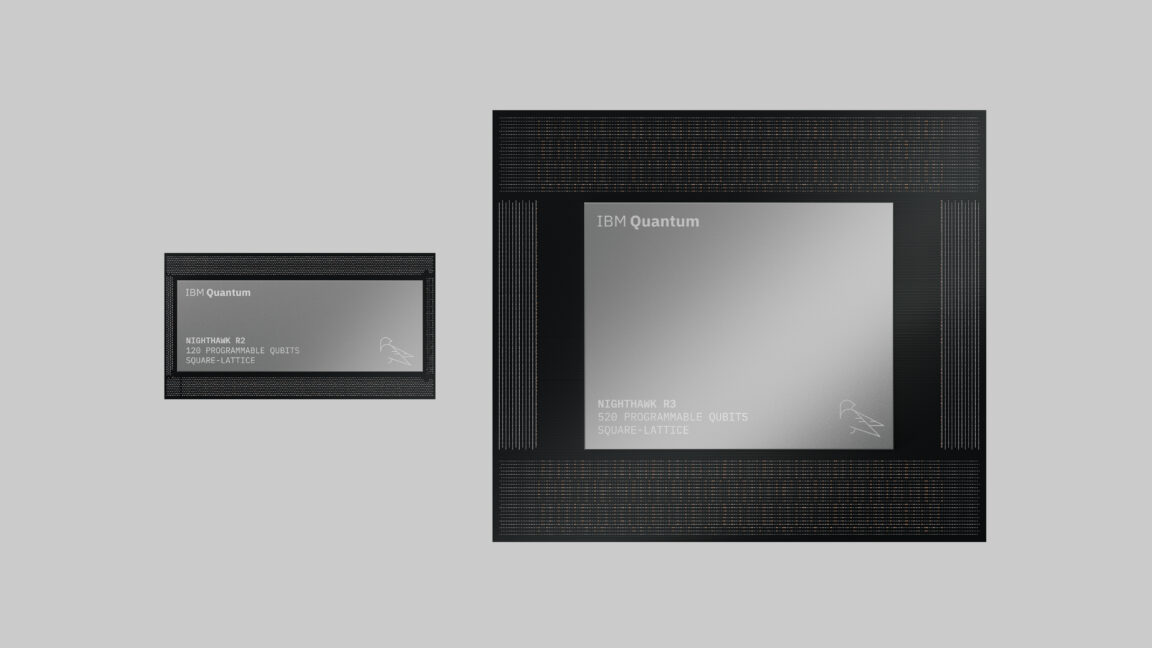
The changes greatly expand the scope of its next-generation Nighthawk general-use processors by adding a version with over 500 programmable qubits. At the same time, it's stepping back a bit on its plan to link multiple Nighthawk processors together, dropping the intended number of linked systems from nine to two.
The total number of qubits planned for next year will remain the same; how the company is getting there, however, will be different.
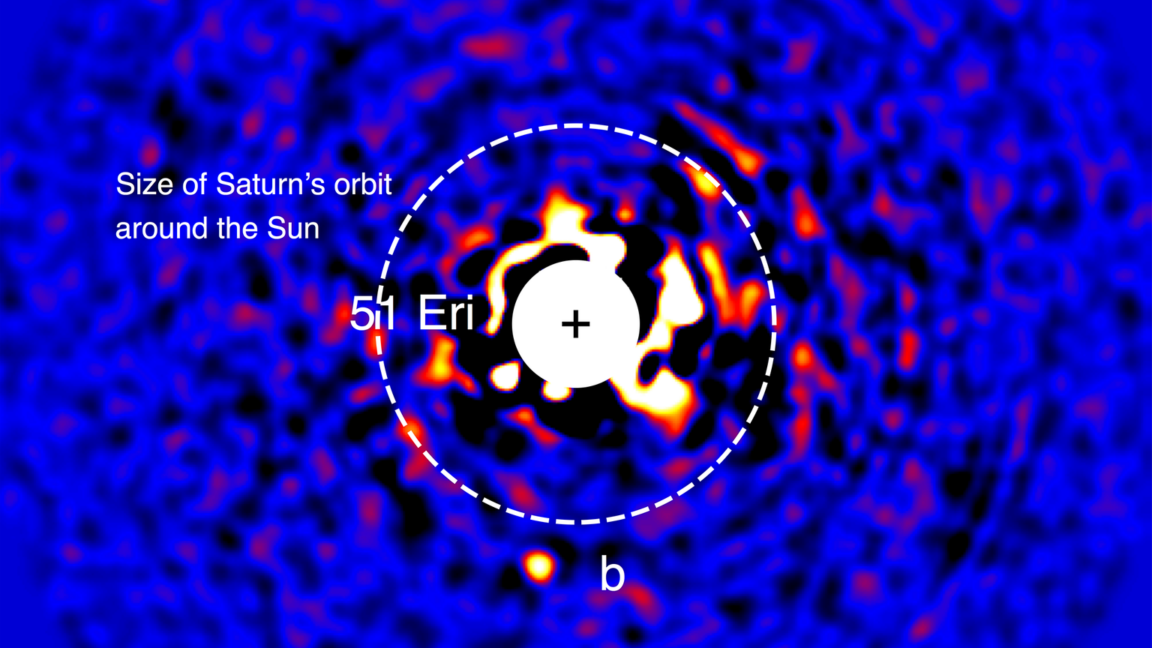
With a huge and still-growing catalog of exoplanets, researchers are eager to take the next steps: trying to infer what conditions are like on them, either by imaging them directly or by capturing the light that has passed through their atmosphere. Both are substantial challenges, given the presence of stars that are far, far brighter than light that has come to us via the planet.
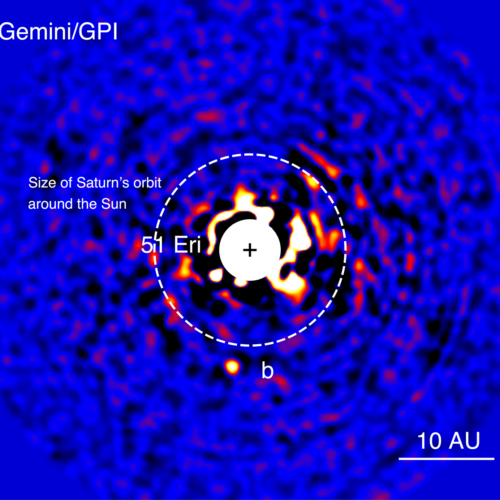
While telescopes can be fitted with devices called coronagraphs that block out much of a star's light, there are limits to their effectiveness, caused by noise from subtle variations in the telescope's configuration and pointing between observations. Now, researchers have developed a new software package that optimizes a physical model of the telescope in a way that allows us to better model these differences, producing low-noise imaging of exoplanets.
Point spreads
Central to this work is the concept of a point spread function. If you use a telescope to image a single point of light, it will not appear that way in the actual image. Instead, it will be slightly blurry and spread out, due to imperfections in the telescope hardware and the limits of our ability to keep it pointed accurately through the time it takes to image something. The mathematical description of how a telescope distorts a point of light is called its point spread function.
Protein design tools may be getting increasingly sophisticated, but you still need a sophisticated understanding of protein structure for them to work. This can include knowing enzyme mechanisms down to the positions of specific amino acids, as well as the water molecules that also occupy the area where catalysis takes place. Once you specify these, the tools can build the rest of a protein around this target.
A large collaboration of researchers based in China, however, decided to bring protein design to the masses, making a tool that can take natural language prompts and use them to produce proteins with the function you specify. If your measure for success is a working protein, then the success rate may not be great. But they still manage to get the job done. And, in a separate announcement, Hugging Face shared that it's now hosting a tool that does similar things on the DNA level.
The equivalent of vibe coding may have come to protein design—at least if you have access to a lab where you can sort the good designs from the dozens of failed ones.
Running complicated algorithms on quantum computing hardware is going to require the use of logical qubits, where collections of hardware qubits are linked together in ways that allow errors to be detected and corrected. In general, the more hardware qubits you dedicate to each logical qubit, the better the chances are of identifying errors. But, given that the hardware qubits are prone to errors, adding more of them also increases the probability that errors will occur. If the hardware error rate is too high, then growing the logical qubit will only make matters worse.
Fortunately, several companies have demonstrated hardware where the error rate is not too high. Several demonstrations show logical qubits are beyond the breakeven point, where adding more qubits improves performance. The problem is that the improvement isn't very dramatic. To lower error rates to levels we'll need to run complex algorithms, we'd have to add a completely impractical number of qubits to each logical qubit.
On Monday, Quantinuum announced that its current generation of hardware is capable of scaling well beyond the breakeven point. Each step up in the size of logical qubits improved some measures of their performance by a factor of over 10.

 Login