❌

Reading view

There are new articles available, click to refresh the page.

Hundreds of websites deliver potent malware cocktail to unsuspecting visitors

Hundreds of websites using the Optimizely website personalization platform served unsuspecting visitors a potent malware cocktail that targeted cryptocurrency wallets, stole payment card data, cookies, and screenshots, and delivered exploit kits for infecting iPhones and iPads, researchers said Tuesday.

ReportURI said it identified 178 websitesβ€”including CNN, Zoom, the BBC, and Salesforceβ€”that were affected. JavaScript digitally signed by Optimizely and then loaded into customer pages had been modified to include malicious components that attempted to infect visitor devices with multiple payloads. When wares were installed successfully, they swapped user cryptocurrency wallet addresses for the attackers. Other components skimmed payment cards, stole cookies and screenshots, and, on iPhones and iPads, delivered iOS exploit kits known as Coruna and DarkSword.

Optimizely infrastructure delivers multipurpose malware

Optimizely serves JavaScript β€œsnippets” that include both company code and code that is provided by each customer. The JavaScript, which can be served directly from Optimizely or from a customer endpoint, runs on every page the customer serves. Somehow, the attackers wrote their own code into a portion of each affected customer’s JavaScript and then delivered it from cdn.optimizely.com. A valid certificate for that domain signed the JavaScript.


Read full article

Comments

Β© Getty Images

Google dismantles botnet secretly running on 1.3 million Android TV boxes

Google's Threat Intelligence Group says it has shut down a massive botnet called x.cpe. At its height, x.cpe ran on more than 1.3 million Android TV devices, and unusually, these were Google-certified boxes. Google says its screening process missed the malware due to "obfuscation techniques" employed by Shenzhen-based Videostrong Technology.

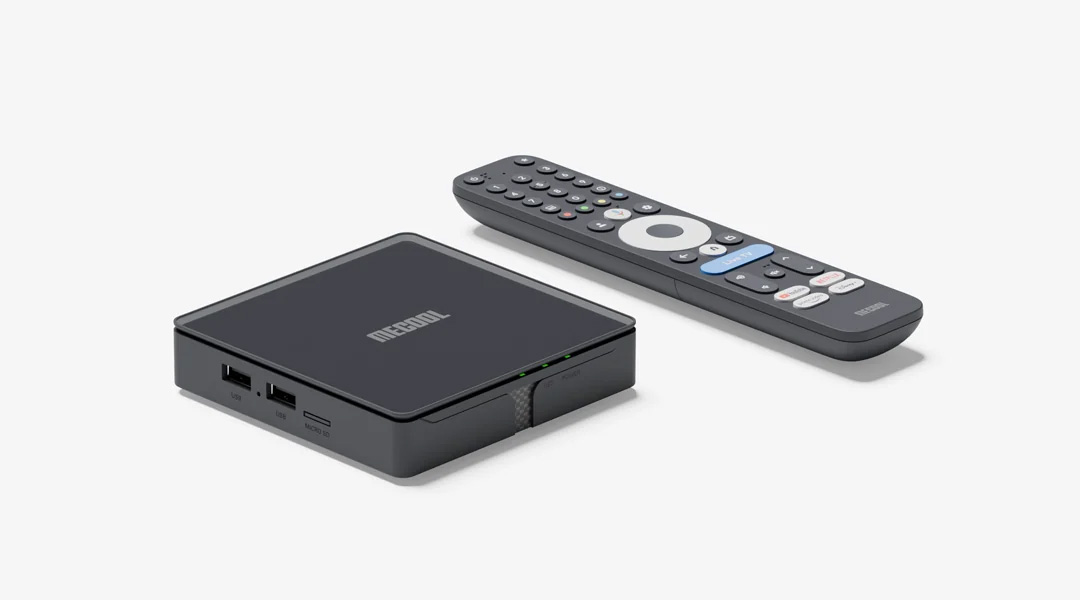
In a detailed blog post, the Threat Intelligence Group explains how the x.cpe botnet evolved quickly from a single-stage dropper into a modular three-stage malware platform that sold access to third parties. Manufacturers must have their devices certified if they want access to Google apps and branding, a process that is supposed to catch threats like this. However, Videostrong's compromised boxes, mostly sold under the MECOOL brand, evaded detection by using a backdoor to remotely install the malware after the devices were set up and online.

After devices appeared online, a stub application called x.cpe or com.oemservice would phone home. This package did not have any malicious capabilities of its own, but it had the system-level permissions necessary to install malware modules at the operator's behest. It also disabled Play Protect, which would have otherwise flagged the silently installed packages as malicious.

Read full article

Comments

Β© Google

❌