Normal view

There are new articles available, click to refresh the page.
Before yesterdayHuman Made

Human Made retreat roundup – Croatia 2026 🇭🇷

7 May 2026 at 10:17

It had been nearly two years since we were last on retreat together in Greece, which, in a company like ours, feels like a very long time.

Last week, we brought Human Made back together again, this time on the Croatian coast, surrounded by mountains, sea air, and the kind of setting that invites both reflection and energy in equal measure. As a remote company, these moments are not incidental to how we work, they are fundamental to it, giving us the opportunity to reconnect in ways that simply are not possible through a screen and to strengthen the relationships that sustain us throughout the rest of the year.

There is always a moment, usually quite early on, where you can feel the shift happen, where conversations begin to flow more easily, where familiarity replaces distance, and where the company, which normally exists across time zones and Slack threads, becomes something tangible again.

Ready, steady, Croatia!

Bringing a global team together in one place is no small undertaking, and it takes a remarkable amount of coordination, care, and attention to detail to make it happen in a way that feels effortless once we arrive.

I want to start by recognising everyone who contributed to making this retreat possible – in particular our retreat organisers Zoe, Leyla, Hannah, and Fatima – because events like this do not come together by accident, and the experience we all had last week is the result of a huge amount of unseen work.
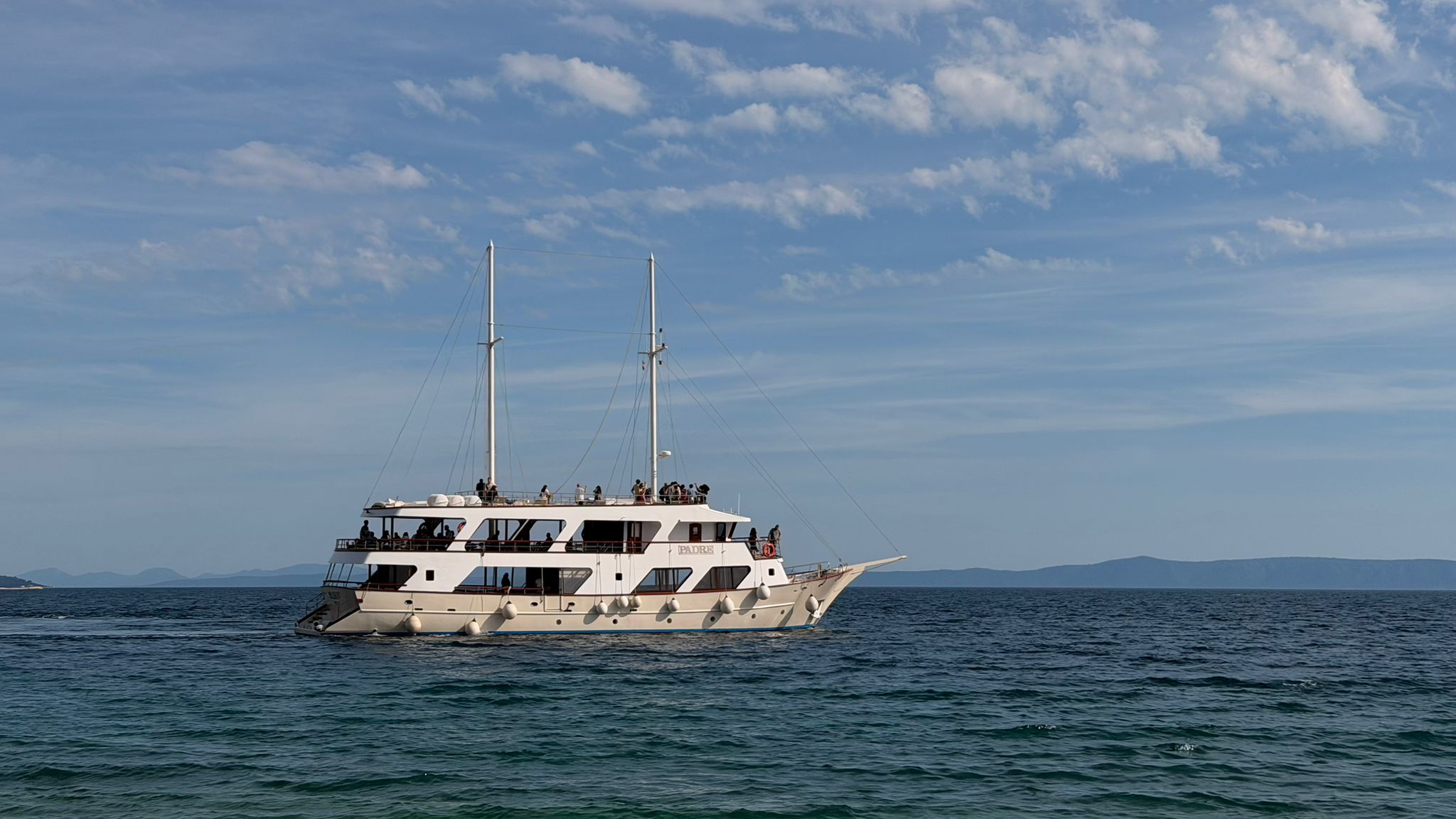
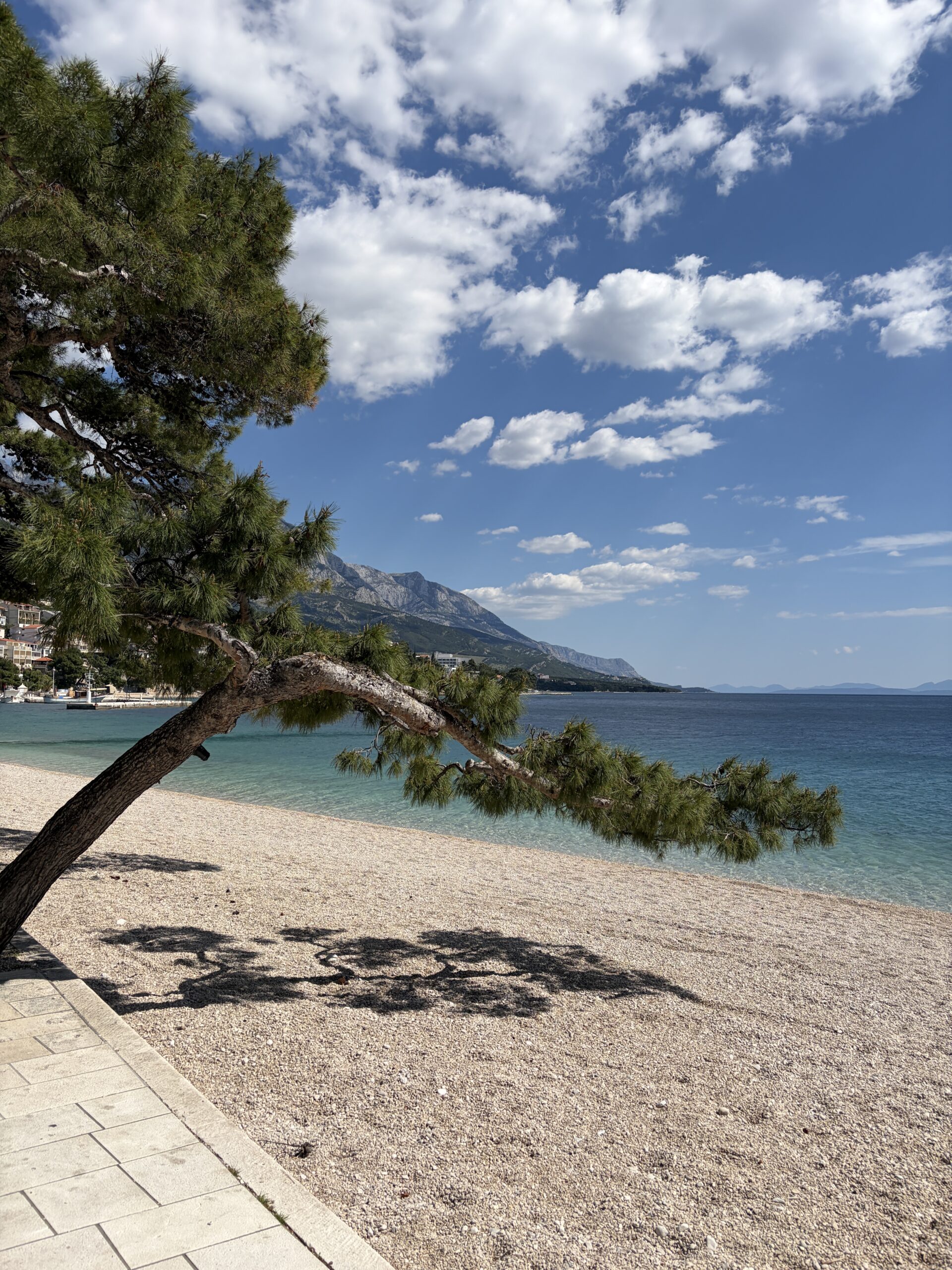
Transportation, Vehicle, Yacht
People, Person, Computer

What continues to stand out to me each time we do this is just how quickly people settle into being together, how conversations that might take weeks to unfold remotely instead happen within minutes, and how connections form naturally across teams, disciplines, and experiences.

There is a sense of ease that emerges, and with it, a level of understanding and collaboration that carries forward long after the retreat itself has ended.

Finding our retreat flow

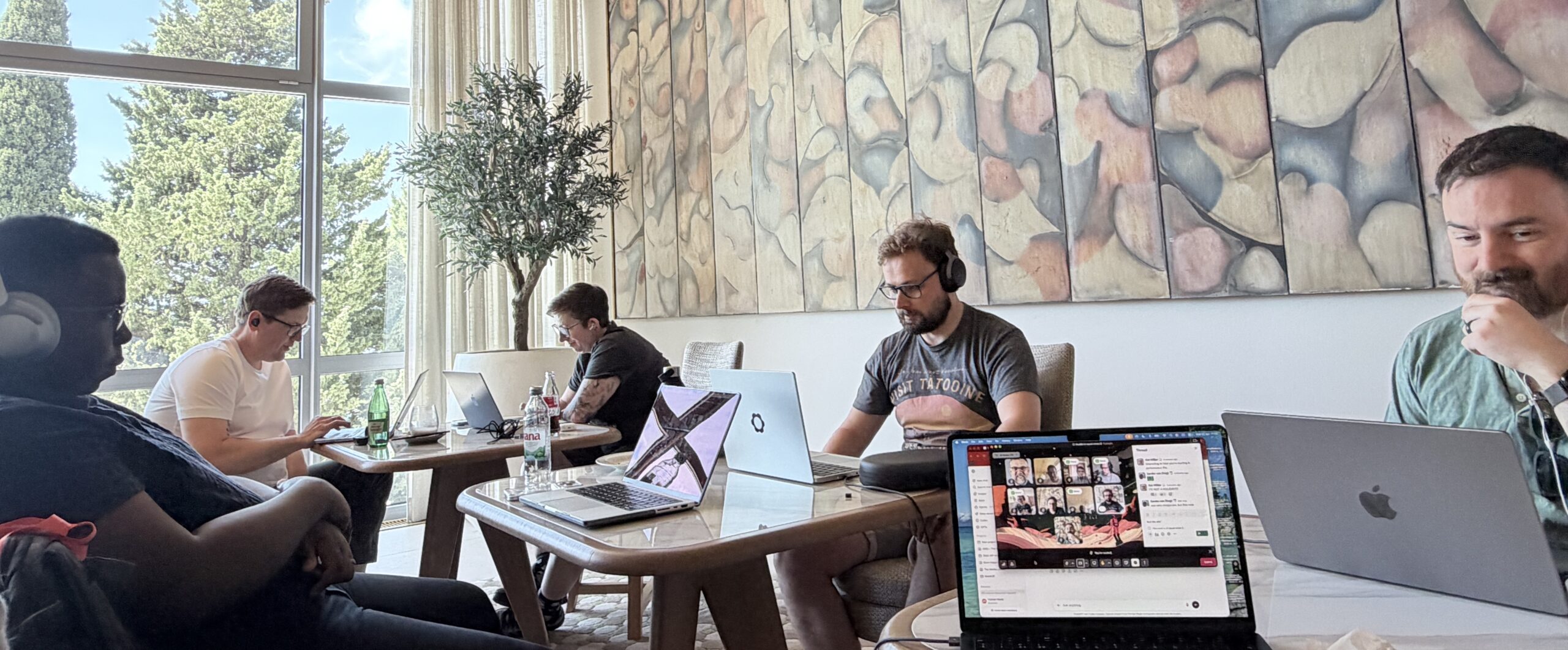
Every retreat develops its own character, shaped as much by the people as by the moment we find ourselves in as a company, and in Croatia there was a clear sense of exploration running throughout the week.

This year, that exploration centred around AI, not just as a topic, but as something actively being tested, questioned, and understood across the entire organisation. What was particularly striking was the breadth of experience, from those in the agency who are already deeply embedded in using these tools to reshape their work, to those who are only just beginning to understand what might be possible.
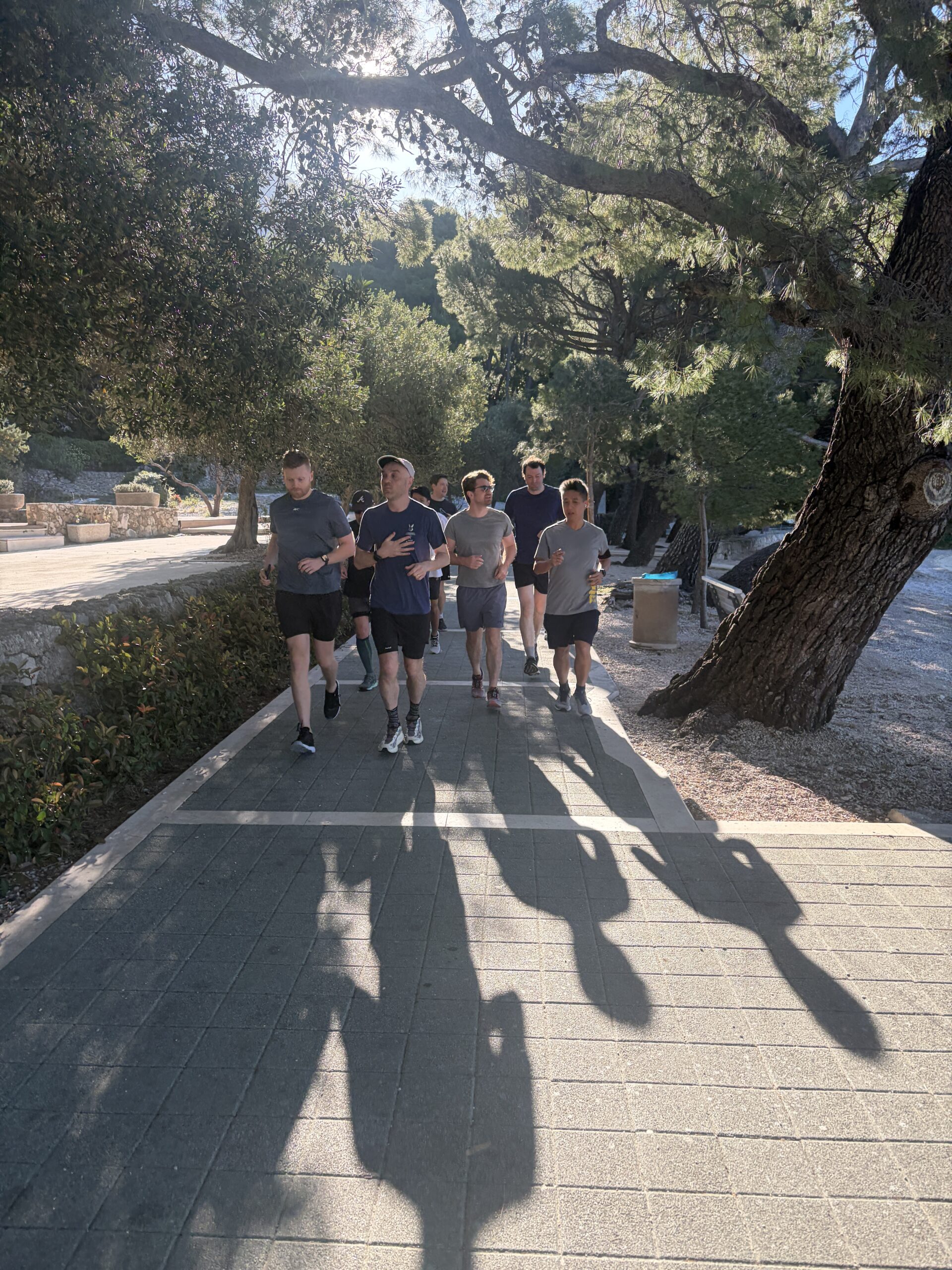
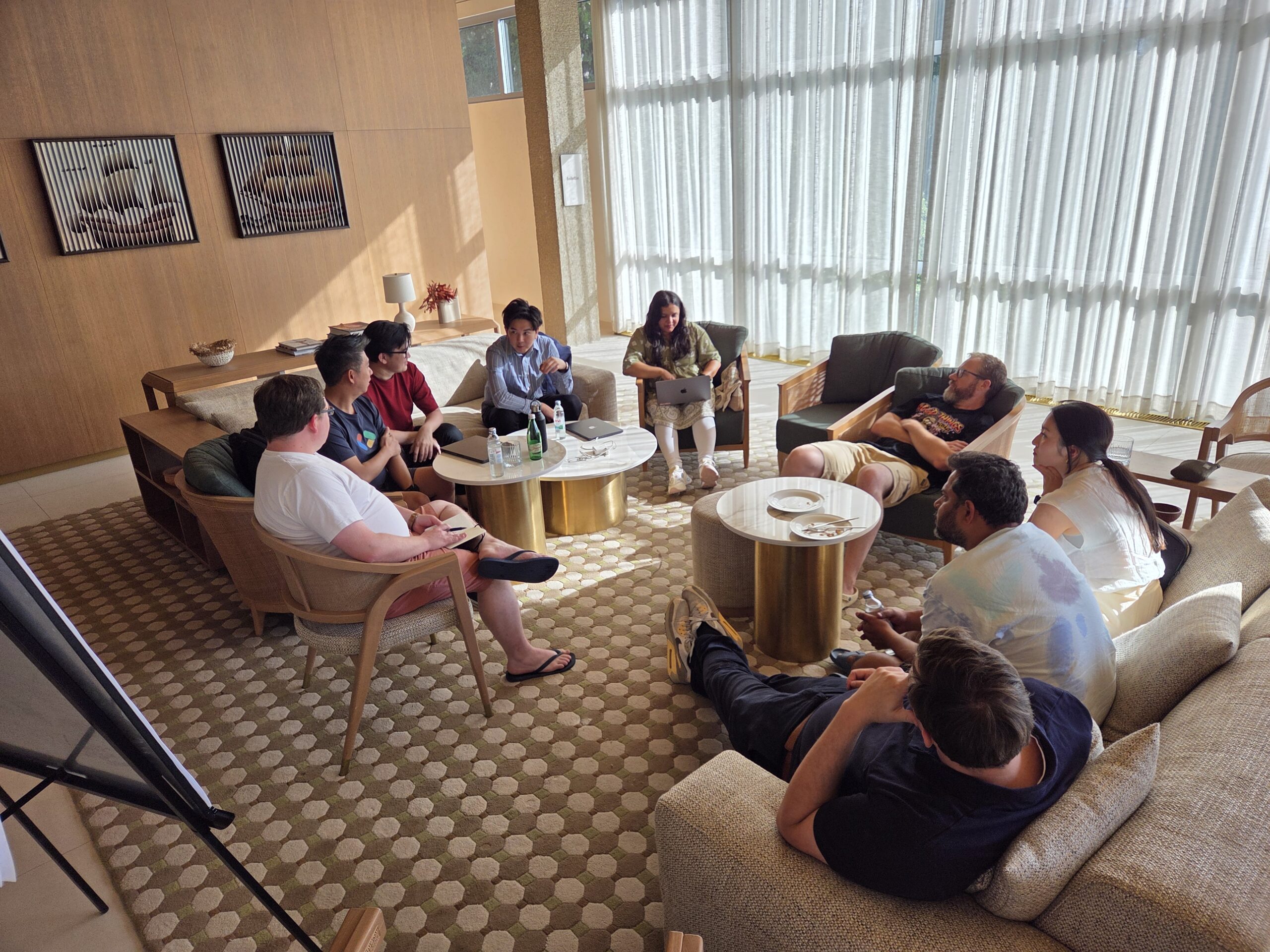
What was encouraging, and genuinely exciting, was how quickly that gap began to close once we were all in the same space.

People shared openly, demonstrated how they approach problems, and helped each other unlock new ways of thinking about their day-to-day work, often in ways that felt immediately practical rather than theoretical. You could see confidence building in real time, not just within engineering, but across every discipline, as people realised that these tools are not confined to one role or one way of working.

The AI hackathon we ran across part of the week brought all of this together in a way that felt both energising and revealing, as teams formed around ideas, experimented freely, and pushed into new territory without the expectation that everything needed to be fully formed or successful.

What mattered was the willingness to engage, to try, and to learn from each other, because that is ultimately where meaningful progress begins.

The value of being together

We often talk about the benefits of being a remote-first company, and there are many, but being together in person serves as a powerful reminder of what underpins all of it.
Water, Waterfront, Face

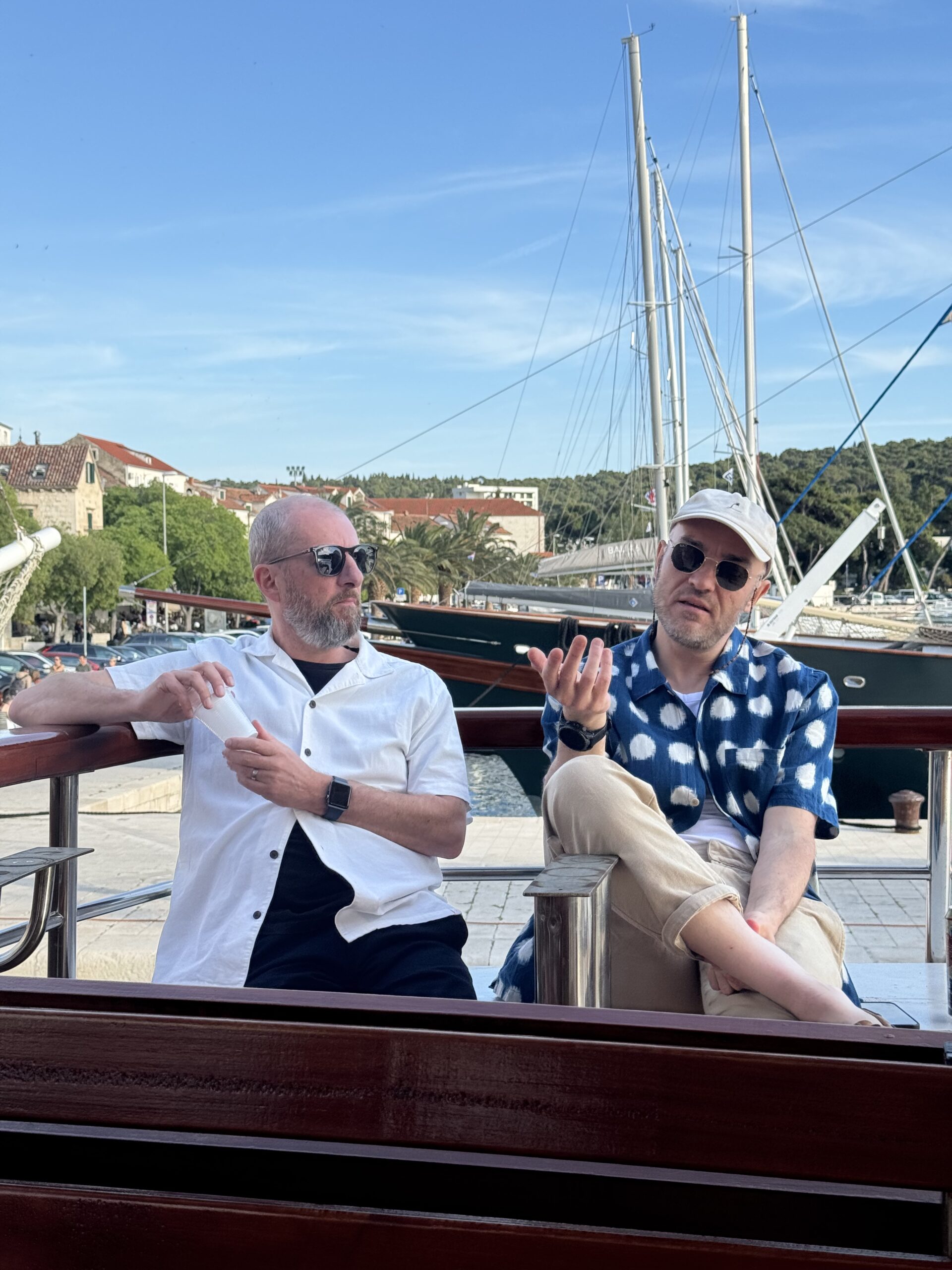
There is a natural flow to in-person conversation that is difficult to replicate elsewhere, where ideas evolve more quickly, context is shared more easily, and collaboration becomes something dynamic rather than structured. More than that, it allows people to understand each other beyond their roles, to build trust, and to develop the kind of relationships that make working together not just more effective, but more enjoyable.

That sense of connection is not something that stays behind when the retreat ends, it becomes part of how we work moving forward, shaping the way we communicate, collaborate, and support each other throughout the year.

The moments that matter

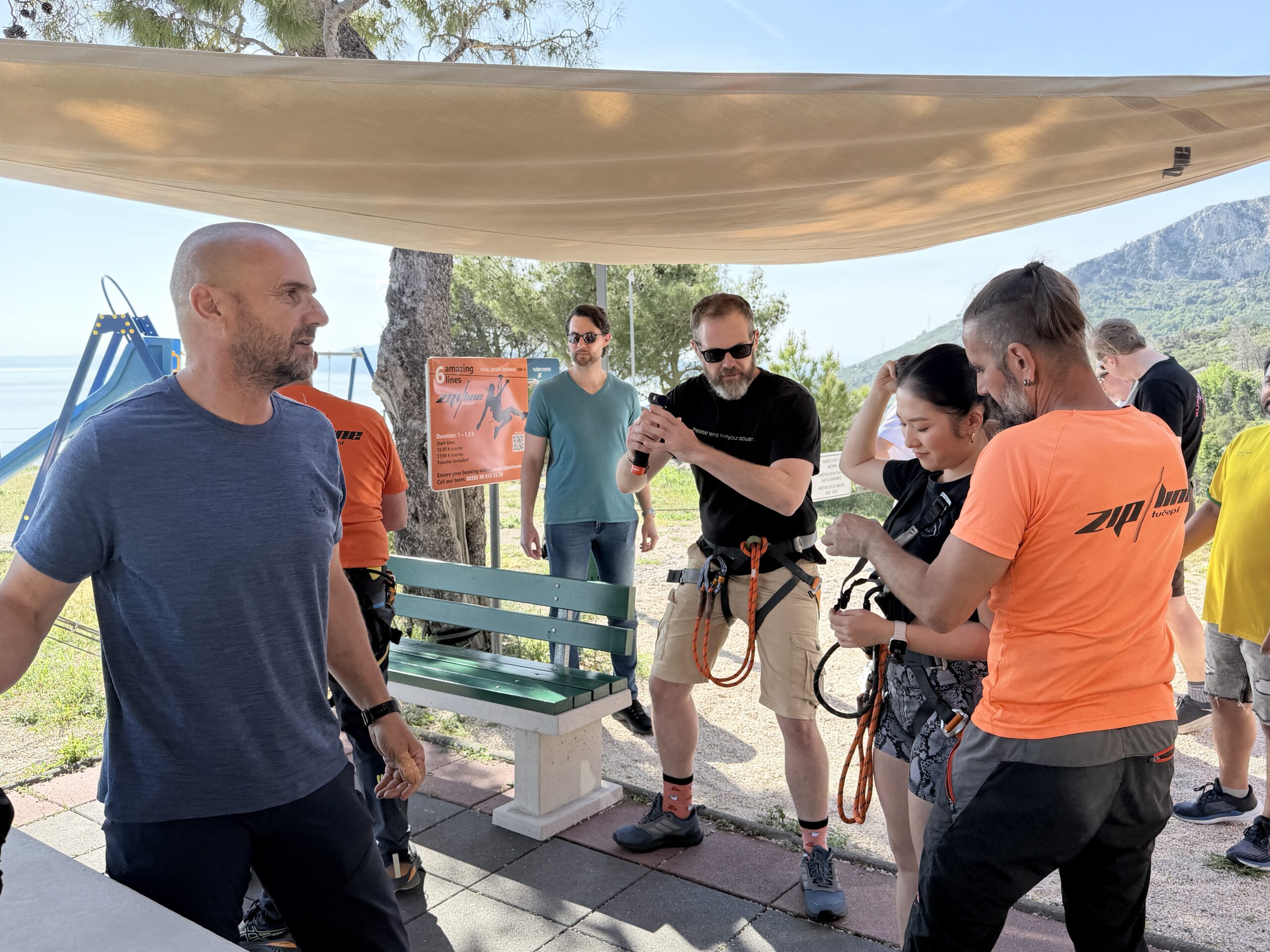
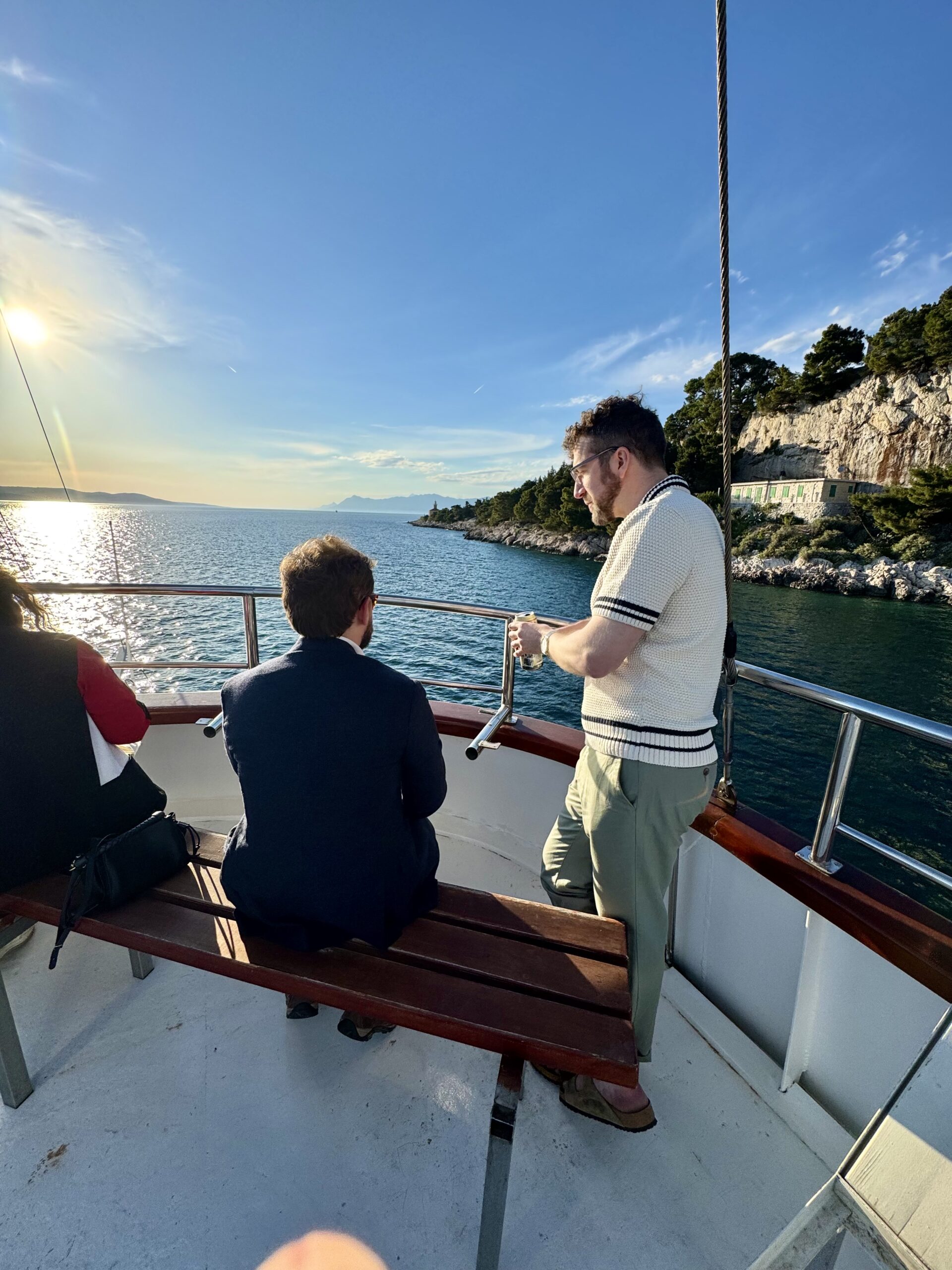
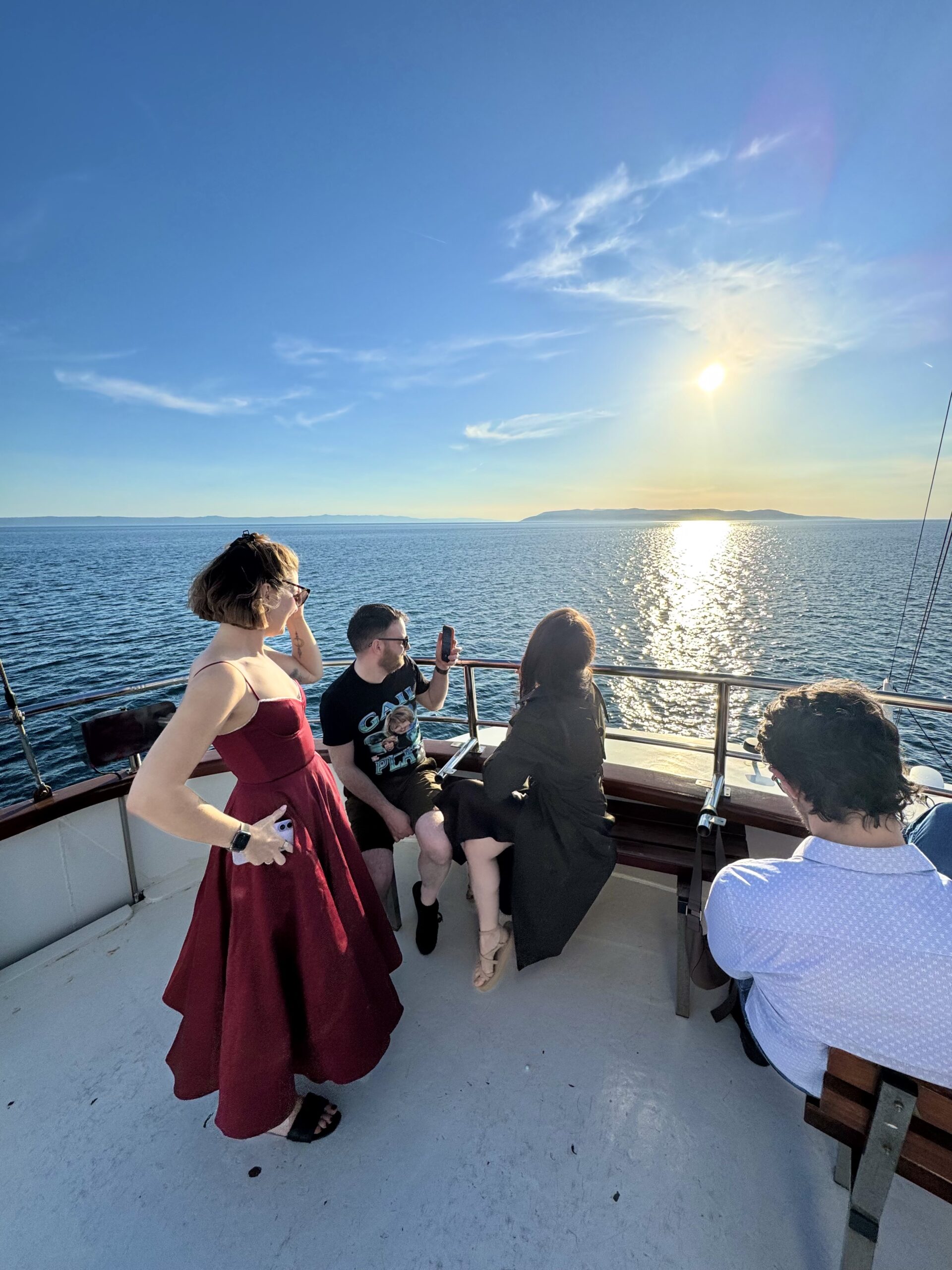
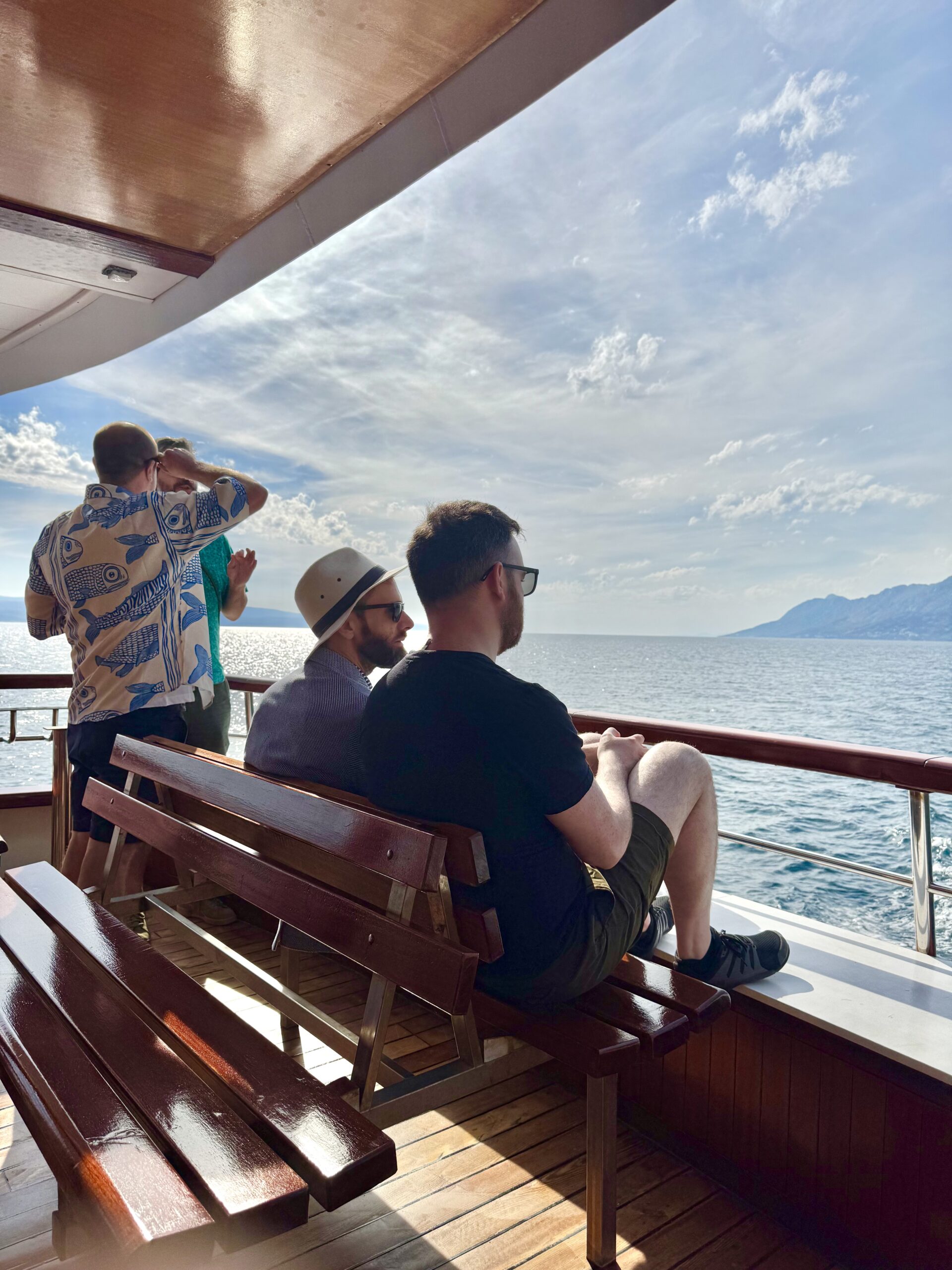
Alongside the work, there were countless moments that captured the spirit of what these retreats are about, from shared meals and late-night conversations to the energy of a pub quiz, the celebration of HM’s birthday out on the water, and the quieter interactions that often leave the most lasting impression.

There were people stepping outside their comfort zones, others discovering new confidence in sharing their ideas, and many simply enjoying the opportunity to spend time together in a way that is rarely possible in our day-to-day work.

These moments may seem small in isolation, but collectively they form the foundation of our culture, not as something defined in words, but as something experienced and carried forward by everyone who is part of it.

Looking ahead

Each time we come together, I’m reminded of what makes Human Made what it is, which is not just the work we do, but the way in which we approach it, with openness, curiosity, and a genuine willingness to learn from one another.

Croatia gave us the space to reconnect, to explore new ideas, and to strengthen the relationships that make our work possible, and it is that combination that continues to define us as a company.

Thank you to everyone who made it what it was.

Now we take that shared experience, that energy, and that momentum, and carry it forward into everything that comes next.

The post Human Made retreat roundup – Croatia 2026 🇭🇷 appeared first on Human Made.

Why enterprise brands are backing WordPress in 2026

19 March 2026 at 15:15

Our recent event, WP:26, was a deep dive into the future—and I was completely fired up to see us gather technologists, publishers, and platform leaders to explore the key patterns shaping WordPress in 2026 and beyond. We packed an afternoon full of talks and discussions, covering the massive impact of AI, accessibility, enterprise publishing, and evolving web standards on the essential role of a CMS.

To cap off a day of critical insight and conversation, we hosted a truly amazing final panel discussion, ‘Why we’re backing WordPress in 2026’, with an exceptional line-up of speakers.

Although Executive Director of WordPress, Mary Hubbard, was unable to attend live, she was kind enough to provide a video intro to kick us off:

“The question isn’t just which CMS should we use; it’s ‘which platform can and will evolve with us?’ WordPress’ enduring strength is its ability to adapt to changing demands and evolving organisational needs… What really sustains the platform is the ecosystem around it, the community, the contributors, and the organisations pushing it forward in production every day.” – Mary Hubbard, Executive Director, WordPress

The panel consisted of:

Meeting the challenges of enterprise publishing

The core of our discussion centred on how and why enterprise brands are actively choosing and investing in WordPress as their platform of the future. The conversation was grounded in the reality of the challenges faced by media companies in 2026—from managing content at a massive international scale to navigating a rapidly shifting technological landscape.

We heard first-hand accounts of how WordPress enables huge international publishing brands to meet these challenges. The consensus was clear: the platform’s adaptability, open nature, and robust ecosystem are its greatest assets when faced with the demands of an enterprise environment.As Gabriel Koen, SVP, Technology at PMC, noted:

“WordPress does a great job of staying modern… the fact that we’ve been able to build on top of it for almost two decades and still see it as the platform for the next several years is pretty remarkable.” Gabriel Koen, SVP, Technology, PMC

From Drupal to WordPress: The CERN example

One of the most compelling threads of the discussion—and something that really excited me—was the story of CERN, the birthplace of the world wide web, and their decision to embrace WordPress after moving from Drupal.

Joachim Valdemar Yde, Web Manager at CERN, provided amazing insight into how one of the world’s most significant scientific organisations chose to standardise on WordPress after a year-long, 14-requirement evaluation against alternatives like Wix and Squarespace. He stressed the importance of having a system that allows their users—scientists and researchers—to be content creators, not web developers.

The move by an organisation like CERN highlights a major shift: WordPress is no longer just a blogging tool, but a flexible, scalable, and future-proof enterprise platform ready for the next generation of web challenges.

Enterprise-grade solutions for what’s to come

The panel also addressed the essential role of enterprise-grade solutions and partnerships in preparing brands for the future. Steph Yiu noted a surge in new enterprise interest driven by AI, which I think is a really important shift:

“AI is forcing innovation across every business… We want to build on a future-proof platform. Closed just isn’t going to cut it for me anymore. I want to build on an open stack.” – Steph Yiu, CEO of WordPress VIP

This perspective underscored that enterprise adoption isn’t just about the open-source software itself, but also the world-class hosting, support, and strategic development partners that turn a flexible CMS into a mission-critical business platform. It’s the combination of the open-source core and the mature, robust ecosystem that provides true peace of mind for global brands.

The conversation also touched on the critical transition of AI from experimentation to production. Gabriel discussed using AI behind the scenes for content translation and processing vast print archives, while Umer shared News UK’s focus on leveraging AI to streamline print and digital publishing workflows to “take entire swathes of effort out of your business.”

If you want to make a dent with AI, you have to take entire swathes of effort out of your business and I think that’s really where the fundamentals are for us at the moment. We’re still a print business and it’s a huge part of our revenue stream, although it’s sort of counter to the WordPress ethos, WordPress is where we do all of our authoring for our print content or certainly where we want to move all of our authoring for our print content alongside our digital content. So, a big part of what we’re working on at the moment is how we streamline workflows. – Umer Ehsan, Director of Technology – Content, News UK

The Future-Proof Platform for Enterprise

If there was one idea that framed the end of WP:26, it was this:

WordPress is the definitive, future-proof platform for the enterprise web.

The final panel discussion reinforced the core message of the day: WordPress is evolving, driven by an open community and backed by the world’s largest digital brands. The platform’s ability to evolve, adapt to modern challenges (be it AI, headless architecture, or new publishing models), and maintain a stable core is why we—and so many others—are backing it for 2026 and beyond.

The collective backing of the panelists, from the platform’s governing body to global publishing and scientific institutions, offers an undeniable picture of its long-term viability and central role in the future of the web.

For me, this event was a tremendous success. We dove deep into the patterns shaping WordPress, and I’m immensely proud that we’ve once again brought together such a vibrant, community-driven event. My sincere thanks go to our incredible panel—Gabriel, Umer, Joachim, and Steph—for generously sharing their time and such critical insights with us. It’s the passion and commitment of people like them that truly sustains the platform and continues to push us forward in production every single day. I couldn’t be more hyped about what we’ll achieve together in the years to come.

Ready to explore all the insights and research from WP:26? Access the full WP:26 Event Replay page here and download our supporting market analysis report, ‘WordPress in 2026: The dawn of the intelligent CMS’.

The post Why enterprise brands are backing WordPress in 2026 appeared first on Human Made.

❌
❌